
Oregon, often lauded for its stunning natural beauty and vibrant entrepreneurial spirit, presents an attractive landscape for business ventures. Whether you’re a budding entrepreneur dreaming of opening a boutique in Portland or a seasoned professional looking to expand your services, establishing a Limited Liability Company (LLC) is a foundational step that offers significant advantages. An LLC combines the pass-through taxation of a sole proprietorship or partnership with the limited liability protection of a corporation, shielding your personal assets from business debts and lawsuits. This guide provides a comprehensive, step-by-step approach to setting up your LLC in the Beaver State.
Understanding the Benefits of an Oregon LLC
Before diving into the procedural aspects, it’s crucial to appreciate why an LLC is a popular choice for businesses in Oregon. The structure offers a compelling blend of flexibility and protection.
Limited Liability Protection
The cornerstone of an LLC is its ability to separate your personal assets from your business liabilities. This means that if your business incurs debt or faces a lawsuit, your personal property—such as your home, car, and savings—is generally protected from creditors and litigants. This crucial distinction provides peace of mind and financial security for business owners.
Pass-Through Taxation
Unlike traditional corporations, LLCs are typically subject to pass-through taxation. This means the business itself does not pay federal income tax. Instead, the profits and losses are “passed through” to the individual members of the LLC and reported on their personal income tax returns. This avoids the “double taxation” that can affect C-corporations, where profits are taxed at the corporate level and again when distributed to shareholders as dividends.
Flexibility in Management and Ownership
Oregon LLCs offer considerable flexibility in how they are managed and how ownership is structured. You can choose to manage the LLC internally by the members themselves, or you can appoint external managers. The operating agreement, a vital document for any LLC, outlines these management structures, as well as profit and loss distribution, member rights and responsibilities, and procedures for admitting new members or handling member departures.
Credibility and Professionalism
Operating as an LLC can lend an air of legitimacy and professionalism to your business. It signals to customers, suppliers, and potential investors that you are operating a formal business entity, which can enhance trust and credibility.
Step-by-Step Guide to Setting Up Your Oregon LLC
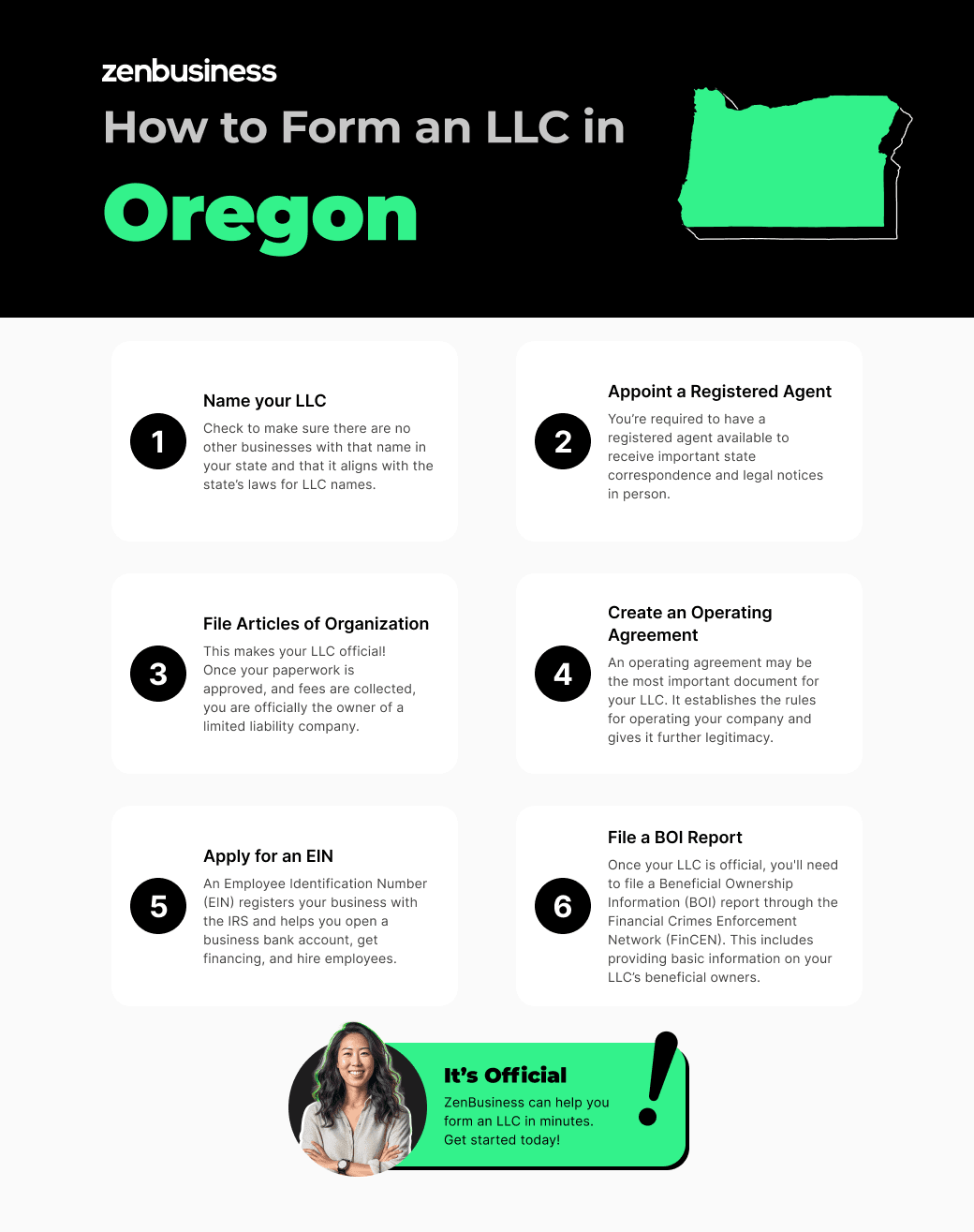
Establishing an LLC in Oregon involves a series of distinct steps, each requiring careful attention to detail.
1. Choose a Business Name
Selecting a memorable and appropriate business name is the first creative step. Your chosen name must comply with Oregon’s naming requirements. This typically includes ensuring the name is distinguishable from existing registered business names in the state and includes a designator like “LLC,” “L.L.C.,” or “Limited Liability Company.”
Naming Guidelines:
- Uniqueness: Conduct a thorough search of the Oregon Secretary of State’s business registry to ensure your desired name is not already in use. This can usually be done online through the Secretary of State’s website.
- Prohibited Words: Avoid using words that might imply affiliation with government agencies (e.g., “Federal,” “State,” “Treasury”) or that are already restricted for use by specific professions (e.g., “Bank,” “Insurance,” “Lawyer” unless properly licensed).
- Availability: It is also a good idea to check for the availability of a corresponding domain name for your business website and social media handles.
Name Reservation:
While not always mandatory, you have the option to reserve a business name for up to 120 days if you are not yet ready to file the formation documents. This can be done by submitting a “Name Reservation Declaration” to the Oregon Secretary of State.
2. Appoint a Registered Agent
Every LLC in Oregon must designate a registered agent. This individual or entity is responsible for receiving official legal and tax documents on behalf of the LLC, including service of process in case of a lawsuit.
Registered Agent Requirements:
- Physical Address: The registered agent must have a physical street address in Oregon. A P.O. Box is generally not acceptable.
- Availability: The agent must be available during normal business hours to accept important documents.
- Individual or Entity: The agent can be an individual resident of Oregon, or a business entity authorized to do business in the state. Many businesses choose to hire a professional registered agent service for convenience and to ensure consistent availability.
3. File the Articles of Organization

The formal creation of your LLC occurs when you file the “Articles of Organization” (also known as a Certificate of Organization) with the Oregon Secretary of State’s office. This document is the legal foundation of your LLC.
Key Information in the Articles of Organization:
- LLC Name: The exact name of your LLC as chosen and verified for availability.
- Registered Agent Information: The name and physical address of your registered agent.
- Principal Office Address: The primary business address of your LLC.
- Management Structure: Whether the LLC will be member-managed or manager-managed.
- Organizer Information: The name and address of the person filing the document.
The filing fee for Articles of Organization in Oregon is subject to change, so it’s advisable to check the most current fee schedule on the Secretary of State’s website. Once filed and approved, your LLC is officially formed.
4. Create an Operating Agreement
While not a mandatory filing requirement with the state, an Operating Agreement is a critical internal document for any LLC. It’s essentially a contract among the members that outlines the operational rules and procedures of the business.
Essential Components of an Operating Agreement:
- Member Information: Names and ownership percentages of all members.
- Management Details: How the LLC will be managed (member-managed or manager-managed), including the roles and responsibilities of managers.
- Profit and Loss Distribution: How profits and losses will be allocated among members.
- Voting Rights: Procedures for member votes on important decisions.
- Membership Changes: Rules for admitting new members, transferring ownership, or dealing with a member’s withdrawal, death, or disability.
- Dissolution Procedures: How the LLC will be dissolved and its assets distributed.
A well-drafted Operating Agreement can prevent future disputes among members and ensure the smooth operation of your LLC.
5. Obtain an Employer Identification Number (EIN)
If your LLC plans to hire employees or operate as a corporation for tax purposes, you will need to obtain an Employer Identification Number (EIN) from the Internal Revenue Service (IRS). This nine-digit number serves as the federal tax identification number for your business.
How to Obtain an EIN:
- Online Application: The easiest and fastest way to get an EIN is by applying directly on the IRS website. The application is free.
- Mailing or Faxing: You can also complete Form SS-4, Application for Employer Identification Number, and submit it via mail or fax.
Even if your LLC doesn’t have employees, obtaining an EIN can be beneficial for opening business bank accounts and establishing business credit.
6. Fulfill Ongoing Compliance Requirements
Once your LLC is established, it’s essential to remain compliant with state and federal regulations to maintain its good standing.
Key Compliance Obligations:
- Annual Filings: In Oregon, LLCs are required to file an annual “Biennial Report” (formerly known as an Annual Report) with the Secretary of State. This report updates information about the LLC and its registered agent and requires a filing fee. The report is typically due every two years on the anniversary of your LLC’s formation.
- Business Licenses and Permits: Depending on your industry and location within Oregon (e.g., Salem, Eugene), you may need to obtain specific federal, state, or local licenses and permits to operate legally. Research the requirements applicable to your specific business activities.
- Tax Obligations: You’ll need to understand and comply with federal, state, and potentially local tax requirements. This includes filing income tax returns and paying any applicable business taxes. Consulting with a tax professional is highly recommended.
Considerations for Different Business Structures within Oregon
While the LLC is a versatile entity, understanding its nuances in relation to other business structures can further solidify your decision-making process.
Single-Member vs. Multi-Member LLCs
- Single-Member LLC (SMLLC): This is an LLC with only one owner. For federal tax purposes, an SMLLC is typically treated as a “disregarded entity,” meaning its income and losses are reported on the owner’s personal tax return (Schedule C of Form 1040), similar to a sole proprietorship. However, it still benefits from the limited liability protection of an LLC.
- Multi-Member LLC: This has two or more owners. For federal tax purposes, a multi-member LLC is generally treated as a partnership. It files an informational partnership tax return (Form 1065) with the IRS, and profits and losses are passed through to the members via Schedule K-1.
Choosing Between an LLC and Other Entities
- Sole Proprietorship/Partnership: These are simpler to set up but offer no personal liability protection. An LLC provides this crucial shield.
- S-Corporation: An LLC can elect to be taxed as an S-corporation. This can sometimes offer tax advantages, particularly regarding self-employment taxes, by allowing owners to take a reasonable salary and then receive remaining profits as distributions, which are not subject to self-employment tax. However, S-corp status comes with more stringent operational and tax filing requirements.
- C-Corporation: C-corporations offer strong liability protection but face double taxation. For many small to medium-sized businesses, the pass-through taxation of an LLC is more advantageous.

Conclusion
Setting up an LLC in Oregon is a strategic move that empowers entrepreneurs with flexibility, liability protection, and tax advantages. By carefully following the outlined steps—from selecting a unique name and appointing a registered agent to filing the Articles of Organization and establishing an Operating Agreement—you lay a solid groundwork for your business’s success. Remember to stay diligent with ongoing compliance requirements to ensure your LLC remains in good standing. With meticulous planning and execution, your Oregon-based LLC can thrive in the state’s dynamic business environment.
LifeOutOfTheBox is a participant in the Amazon Services LLC Associates Program, an affiliate advertising program designed to provide a means for sites to earn advertising fees by advertising and linking to Amazon.com. Amazon, the Amazon logo, AmazonSupply, and the AmazonSupply logo are trademarks of Amazon.com, Inc. or its affiliates. As an Amazon Associate we earn affiliate commissions from qualifying purchases.