
The Special Supplemental Nutrition Program for Women, Infants, and Children (WIC) plays a pivotal role in supporting the health and well-being of pregnant, breastfeeding, and postpartum individuals, as well as infants and children up to the age of five, across the United States. In Florida, this vital program is administered by the Florida Department of Health (FDOH) and provides a comprehensive package of services designed to combat food insecurity and promote healthy development. Understanding the enrollment process is crucial for eligible residents to access these essential benefits. This guide will navigate you through the steps involved in signing up for WIC in Florida, ensuring a smooth and informed experience.
Understanding WIC Eligibility and Benefits in Florida
Before embarking on the application process, it’s essential to grasp the core eligibility criteria and the array of benefits that WIC provides. The program is designed to reach those most in need, focusing on nutritional support during critical life stages.
Who Qualifies for WIC in Florida?
Eligibility for WIC in Florida is multifaceted, encompassing specific categories of individuals and income requirements.
Target Populations:
- Pregnant Individuals: This includes those currently pregnant, from confirmation of pregnancy through delivery.
- Breastfeeding Individuals: Individuals who are breastfeeding an infant up to one year of age.
- Postpartum Individuals: Individuals who have recently given birth and are up to six months postpartum.
- Infants: Children from birth up to their first birthday.
- Children: Children from their first birthday up to their fifth birthday.
Crucially, these individuals must be at nutritional risk, as determined by a health professional. This risk is typically assessed through standard measurements like height, weight, and hemoglobin levels, as well as dietary assessments.
Income Guidelines:
To be eligible, participants must meet certain income requirements. Florida’s WIC program generally follows the U.S. Department of Agriculture’s (USDA) income eligibility guidelines. Families with an income at or below 185% of the federal poverty level are typically considered eligible. It’s important to note that participation in other assistance programs, such as Medicaid, the Supplemental Nutrition Assistance Program (SNAP), or Temporary Cash Assistance (TCA), often automatically satisfies the income requirement for WIC eligibility.
What Benefits Does WIC Offer?
WIC provides more than just food; it offers a holistic approach to nutritional support and health education.
Nutritional Foods:
Participants receive a WIC Card, similar to a debit card, which can be used to purchase specific nutritious foods from authorized retailers. The food packages are tailored to the individual’s needs and life stage, ensuring they receive the right nutrients. Typical food items include:
- Fruits and Vegetables: A wide variety of fresh, frozen, or canned options.
- Milk and Dairy Products: Milk, cheese, and yogurt.
- Cereals and Grains: Whole-grain cereals, bread, rice, and pasta.
- Eggs: A source of protein and essential nutrients.
- Iron-Fortified Infant Formula: For infants who are not fully breastfed.
- Peanut Butter, Beans, and Peas: Plant-based protein sources.
- Canned Fish: Such as tuna or salmon, for breastfeeding mothers and infants.
Nutrition Education:
WIC emphasizes the importance of healthy eating habits. Participants receive individual and group nutrition counseling, covering topics relevant to their life stage, such as breastfeeding support, infant feeding, healthy eating during pregnancy, and childhood nutrition.
Healthcare Referrals:
WIC staff can also connect participants with other essential health services, including prenatal care, immunizations, and well-child checkups.
The Application Process: Step-by-Step Guide
Applying for WIC in Florida involves several key steps, from gathering necessary documentation to attending an appointment. The process is designed to be accessible, with local health departments serving as the primary points of contact.
Step 1: Locate Your Local WIC Agency

The first and most critical step is to identify the nearest WIC office. WIC services are decentralized and managed by county health departments across Florida.
Finding the Right Office:
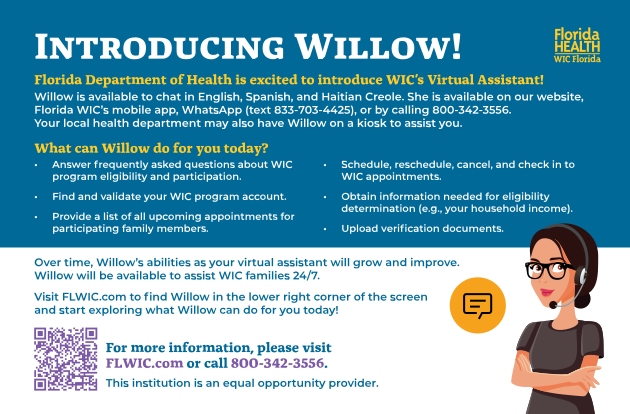
- Online Resource: The most efficient way to find your local agency is by visiting the Florida Department of Health website. They typically have a searchable database or a map that allows you to locate WIC clinics based on your county or zip code.
- Phone Inquiry: You can also call the Florida Department of Health directly or your local county health department to inquire about the location and contact information for their WIC program.
Once you have identified your local agency, you will need to contact them to schedule an appointment. It is highly recommended to call ahead, as walk-in appointments may not always be available, and some agencies may have specific days or times designated for new applications.
Step 2: Gather Required Documentation
Having all the necessary documents prepared in advance will significantly expedite your application process. The following are generally required for all applicants, though specific needs may vary slightly by agency.
Essential Documents:
- Proof of Identity: A valid government-issued photo ID for the applicant. This could be a driver’s license, state ID card, passport, or military ID.
- Proof of Residency: Documentation showing you live in Florida. Examples include a utility bill, lease agreement, or pay stub with your current Florida address.
- Proof of Income: This is used to verify that your household income falls within the WIC income guidelines. Acceptable documents include:
- Recent pay stubs (usually for the last 30 days).
- A letter from your employer stating your wages.
- If self-employed, tax returns or other income statements.
- Proof of participation in other assistance programs like SNAP, Medicaid, or TCA.
- Proof of Pregnancy or Relationship to Child:
- For pregnant individuals: A letter from your doctor or a healthcare provider confirming your pregnancy and estimated due date.
- For infants and children: A birth certificate. If you are applying for children who are not your biological children, you may need legal guardianship documents.
- Medical Information:
- For infants and children: Immunization records.
- For all applicants: Information regarding any specific medical conditions or dietary needs that may affect nutritional risk. This could include height, weight, and hemoglobin (blood) test results if available. Your local WIC clinic will conduct these assessments during your appointment if you do not have them.
Step 3: Attend Your WIC Appointment
Your scheduled appointment is where you will formally submit your application and complete the necessary assessments. Be prepared to spend a significant amount of time at the clinic, as these appointments often include several components.
What to Expect at the Appointment:
- Application Completion: You will fill out the official WIC application form, if you haven’t already done so online or via mail.
- Nutritional Assessment: A WIC nutritionist or nurse will conduct a health and nutritional assessment. This typically includes:
- Measuring your height and weight.
- Taking a blood sample for a hemoglobin test to check for anemia.
- Discussing your current dietary habits and health status.
- For infants, this may involve assessing feeding practices and growth patterns.
- Eligibility Determination: Based on the information provided and the assessments conducted, the WIC staff will determine your eligibility for the program.
- Benefit Issuance and Education: If deemed eligible, you will receive your WIC Card and instructions on how to use it. You will also receive an initial nutrition education session tailored to your needs. This might include information on selecting WIC foods, understanding your food package, and general healthy eating advice.
- Referrals: The staff may provide referrals to other health and social services if needed.
It is advisable to bring all your gathered documents with you, even if you have already submitted some information. Arriving on time for your appointment is crucial to ensure you can complete all the necessary steps within the allocated time.
Navigating the WIC Program After Enrollment
Once you are enrolled in WIC, understanding how to utilize your benefits effectively and maintain your participation is key. The program involves ongoing engagement and periodic re-evaluation.
Using Your WIC Card and Food Benefits
The WIC Card is the primary tool for accessing your food benefits. It functions like a debit card, and using it correctly ensures you receive the intended nutritional support.
Shopping Smart with Your WIC Card:
- Authorized Retailers: Ensure you are shopping at grocery stores or pharmacies that are authorized WIC vendors. Most major grocery chains in Florida are authorized.
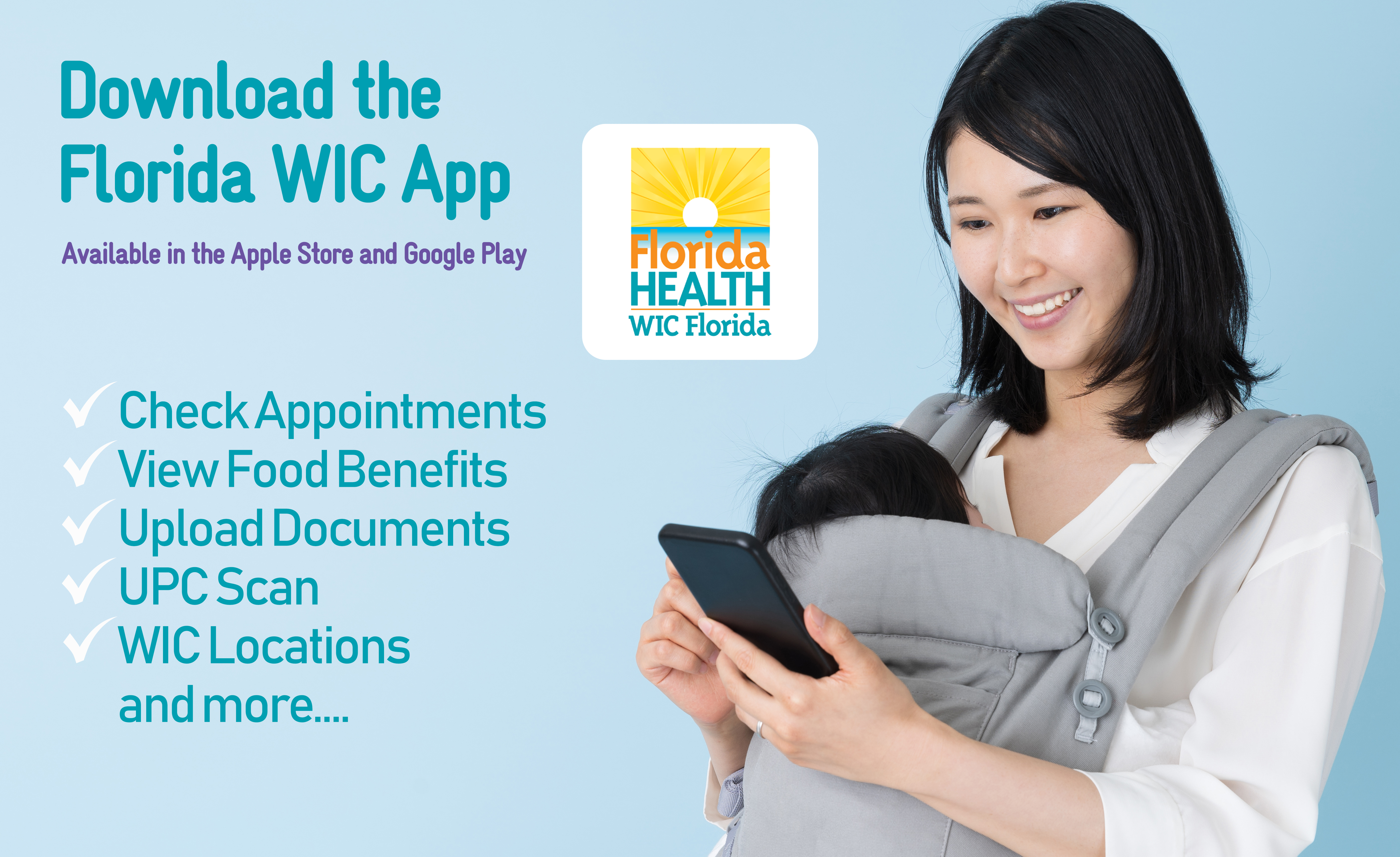
- Approved Food Items: Only purchase items that are specifically listed on your WIC benefit balance. Your WIC Card will have a pre-determined list of approved foods and quantities based on your household’s composition and needs. The WIC program provides guides and sometimes smartphone apps to help you identify approved products, often marked with a specific label.
- Check Your Balance: Regularly check your WIC Card balance and redemption period to ensure you use your benefits before they expire. Some benefits are monthly, while others might be for a specific period.
- Separating WIC Items: At checkout, WIC items must typically be scanned separately from non-WIC items. This helps ensure accurate inventory management for the program.
Maintaining Your WIC Participation
To continue receiving WIC benefits, participants must adhere to program requirements, including regular check-ins and re-certifications.
Ongoing Responsibilities:
- Scheduled Appointments: You will need to attend follow-up appointments at your local WIC clinic. These are typically scheduled every six months for re-certification, during which your eligibility will be re-evaluated, and new nutrition education may be provided.
- Nutrition Education: Active participation in required nutrition education sessions is a component of maintaining your benefits. These sessions are designed to empower you with knowledge for making healthy food choices for your family.
- Reporting Changes: It is crucial to report any significant changes in your household, such as a change in income, address, or household composition, to your local WIC agency promptly. Failure to do so could affect your eligibility.
- Program Rules: Familiarize yourself with the program rules and regulations. Misuse of WIC benefits can lead to disqualification from the program.
By understanding and actively engaging with the WIC program in Florida, eligible individuals and families can effectively utilize these vital resources to improve their nutritional health and the well-being of their young children, contributing to a healthier future for communities across the state.
LifeOutOfTheBox is a participant in the Amazon Services LLC Associates Program, an affiliate advertising program designed to provide a means for sites to earn advertising fees by advertising and linking to Amazon.com. Amazon, the Amazon logo, AmazonSupply, and the AmazonSupply logo are trademarks of Amazon.com, Inc. or its affiliates. As an Amazon Associate we earn affiliate commissions from qualifying purchases.