
California, a state renowned for its diverse landscapes and agricultural prowess, is a veritable powerhouse when it comes to crop production. From the sun-drenched southern valleys to the fertile northern regions, its agricultural tapestry is woven with an astonishing variety of fruits, vegetables, nuts, and other vital commodities. This abundance is not merely a testament to the state’s ideal climate and rich soil but also to the innovative farming practices and the dedication of its agricultural workforce. Understanding the breadth of crops grown in California offers a fascinating glimpse into the state’s economy, its contribution to national food security, and the vibrant culinary scene it supports.
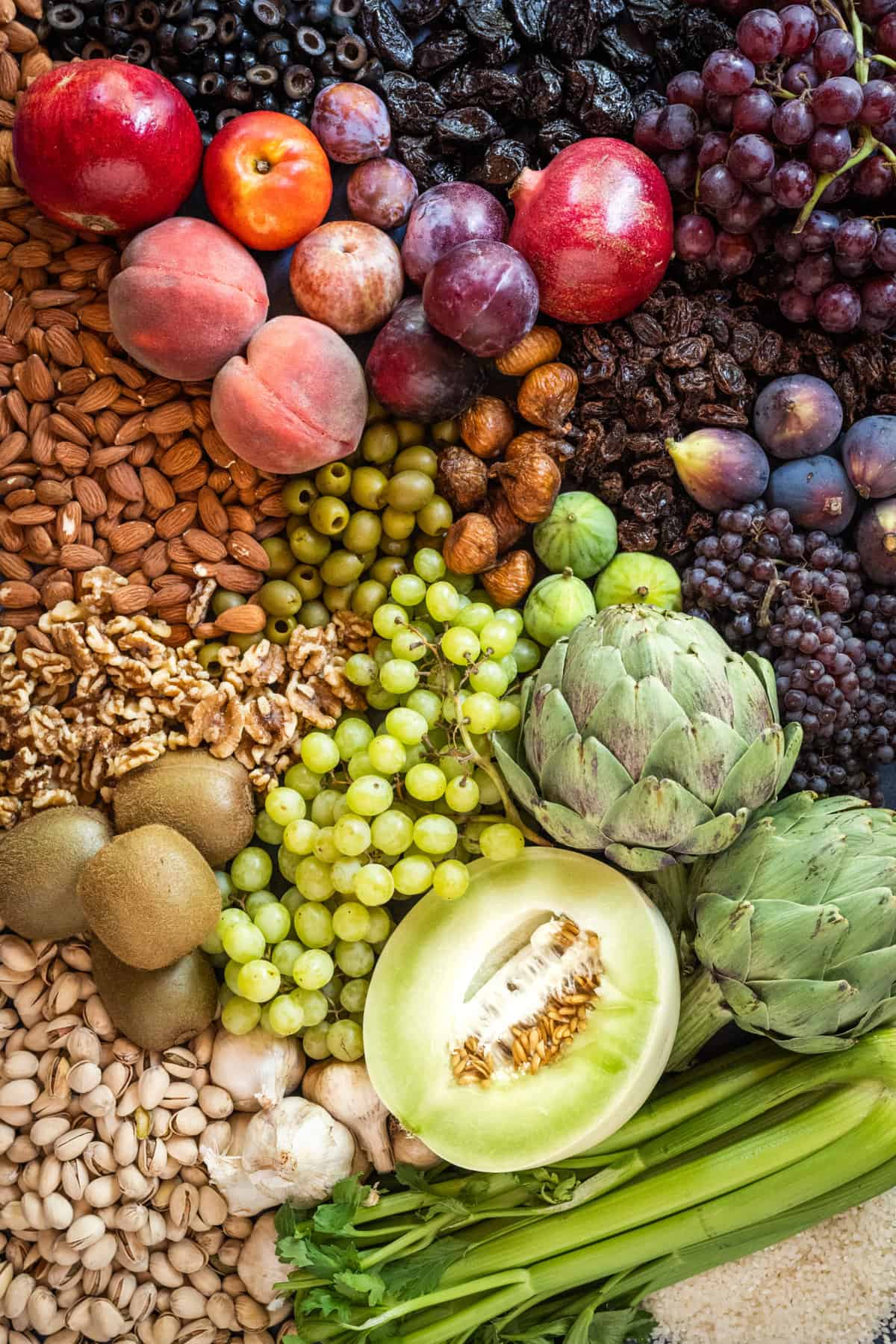
The Golden State’s Agricultural Bounty
California consistently ranks as the United States’ top agricultural-producing state, contributing a significant portion of the nation’s fruits, nuts, and vegetables. Its diverse microclimates, ranging from coastal Mediterranean to inland desert and mountain regions, allow for the cultivation of an unparalleled array of crops. This geographical advantage, combined with advanced irrigation techniques and a deep understanding of agricultural science, has cemented California’s status as the “Salad Bowl” and “Fruit Basket” of America. The economic impact of this sector is substantial, supporting countless jobs and driving innovation in farming technologies.
Fruits: A Symphony of Sweetness and Zest
The sheer variety of fruits cultivated in California is remarkable, catering to both domestic and international markets. The state is a leading producer of many iconic fruits, enjoyed fresh, dried, or processed.
Citrus Groves: Sunshine in Every Bite
California’s warm climate is perfect for growing a wide array of citrus fruits. The San Joaquin Valley and coastal regions are particularly well-suited for these sun-loving crops.
- Oranges: From navel to Valencia, California’s oranges are synonymous with juice and fresh consumption.
- Lemons: Essential for cooking and beverages, California lemons are prized for their bright flavor.
- Grapefruits: A refreshing start to the day, various grapefruit varieties thrive in the state’s warmer areas.
- Limes: Though grown in smaller quantities than other citrus, California limes are a staple for many culinary applications.
- Tangerines and Mandarins: These easy-to-peel varieties are popular for their sweetness and convenience.
Stone Fruits: The Jewels of Summer
California’s summer months are marked by the peak harvest of luscious stone fruits, bursting with flavor and juice.
- Peaches and Nectarines: Widely grown, these offer a sweet and juicy experience, perfect for snacking or desserts.
- Plums: A diverse range of plum varieties, from sweet to tart, are cultivated for fresh consumption and canning.
- Apricots: Known for their delicate sweetness and slightly tart finish, apricots are a springtime delight.
- Cherries: The sweet cherry harvest is a highly anticipated event, with varieties like Bing and Rainier being particularly popular.
Berries: Nature’s Tiny Powerhouses
The cool coastal influences in some parts of California provide ideal conditions for berry cultivation.
- Strawberries: California is the nation’s largest producer of strawberries, with vast fields dedicated to this beloved fruit. The Watsonville area is particularly renowned.
- Raspberries and Blackberries: These delicate berries are grown in cooler coastal and valley regions.
- Blueberries: Increasingly popular, blueberry farms are expanding across the state.
Other Notable Fruits
Beyond the major categories, California is a significant producer of:
- Grapes: Both for wine and table consumption, grapes are a cornerstone of California’s agriculture. The Napa Valley and Sonoma Valley are world-famous for their vineyards.
- Avocados: California is the primary avocado-producing region in the United States, with Hass avocados being the most common.
- Melons: Watermelons, cantaloupes, and honeydews thrive in the state’s hot summer months.
- Figs: California produces a significant portion of the nation’s figs, offering diverse varieties like Mission and Calimyrna.
California’s Vegetable Patch: Nourishing the Nation
California’s contribution to the national vegetable supply is immense. The state’s fertile soils and extensive irrigation systems allow for continuous production throughout much of the year, supplying grocery stores and restaurants across the country.
Leafy Greens and Salad Staples
The mild climate in many parts of California is perfect for growing a wide variety of greens, making it a primary source for salads.
- Lettuce: From iceberg to romaine and leaf varieties, California leads in lettuce production.
- Spinach: A nutritional powerhouse, spinach is grown extensively in the state.
- Broccoli and Cauliflower: These cruciferous vegetables are staples, with large-scale cultivation in regions like the Salinas Valley.
- Asparagus: The cool coastal areas are ideal for this spring delicacy.

Root Vegetables and Alliums
California’s diverse growing conditions support a range of root vegetables and aromatic alliums.
- Carrots: Grown in large quantities, California carrots are a sweet and versatile vegetable.
- Potatoes: While not as dominant as some other states, California is a significant potato producer.
- Onions and Garlic: These flavor enhancers are cultivated across various agricultural regions.
Tomatoes: A Versatile Gem
California is a powerhouse for tomato production, both for fresh market consumption and processing into products like ketchup and paste.
- Processing Tomatoes: The vast majority of tomatoes grown in California are for processing, making the state crucial for the tomato industry.
- Fresh Market Tomatoes: A significant volume is also grown for direct consumption.
Other Key Vegetables
The list of vegetables grown in California is extensive, including:
- Bell Peppers: Available in various colors, they are a common sight in California fields.
- Cucumbers: Grown for salads and pickles.
- Celery: Another common component of salads and cooking.
- Artichokes: California, particularly the Castroville area, is famous for its artichokes.
- Sweet Corn: A summer favorite, corn is grown in many agricultural valleys.
- Beans: Green beans and other varieties are widely cultivated.
- Eggplant: A versatile vegetable used in numerous cuisines.
The Nutty and Grains of California
Beyond fruits and vegetables, California is a world leader in nut production and also cultivates important grains.
The Reign of the Almond and Walnut
California is virtually synonymous with almond and walnut production, dominating global supply.
- Almonds: The state is the undisputed global leader in almond cultivation, with vast orchards stretching across the central valleys. The economic and environmental implications of this dominance are significant.
- Walnuts: California is the largest producer of walnuts in the United States, with these trees thriving in the state’s climate.
- Pistachios: Once a niche crop, pistachio farming has seen significant growth in California.
- Pecans: While grown in smaller quantities, pecans are also part of California’s nut portfolio.
Grains and Field Crops
While perhaps less prominent than its fruit and vegetable fame, California also plays a role in grain production.
- Wheat: Historically important, wheat is still cultivated, particularly in the northern regions.
- Barley: Used for animal feed and brewing, barley is another significant grain crop.
- Rice: The Sacramento Valley is a major rice-producing region, utilizing specific irrigation techniques.
- Safflower and Cotton: These important oilseed and fiber crops are grown in the warmer, drier parts of the state, demonstrating the adaptability of California agriculture.
Emerging and Specialty Crops
California’s agricultural innovation extends to a variety of specialty crops and those that are gaining prominence.
Vineyards and Wineries: A Global Icon
The state’s grape production is not just for table consumption; it fuels an enormous wine industry.
- Wine Grapes: Regions like the Napa Valley, Sonoma County, and the Central Coast are internationally acclaimed for their wine production, cultivating varietals like Chardonnay, Cabernet Sauvignon, and Zinfandel.
- Raisins: California is the largest producer of raisins in the world, with Thompson Seedless grapes being the primary source.
Dairy and Livestock
While focusing on crops, it’s worth noting that California also holds the top spot in the U.S. for dairy production, alongside significant cattle ranching, particularly in the northern and central regions.
Cannabis Cultivation
With its legalization, cannabis has emerged as a significant specialty crop, particularly in certain northern California regions, bringing new economic dynamics and regulatory considerations to the state’s agricultural landscape.

Organic and Sustainable Agriculture
Driven by consumer demand and environmental consciousness, California is at the forefront of organic and sustainable farming practices. A significant percentage of the nation’s organic produce comes from the state, with farmers increasingly adopting methods that conserve water, improve soil health, and reduce pesticide use. This commitment to sustainability is vital for the long-term health of California’s agricultural future.
LifeOutOfTheBox is a participant in the Amazon Services LLC Associates Program, an affiliate advertising program designed to provide a means for sites to earn advertising fees by advertising and linking to Amazon.com. Amazon, the Amazon logo, AmazonSupply, and the AmazonSupply logo are trademarks of Amazon.com, Inc. or its affiliates. As an Amazon Associate we earn affiliate commissions from qualifying purchases.