
Embarking on the journey to establish a not-for-profit organization in Florida is a significant and rewarding endeavor. It represents a commitment to community service, social change, or the promotion of a specific cause. For individuals or groups passionate about making a tangible difference, understanding the intricate steps and legal requirements is paramount. This guide provides a professional and insightful roadmap for navigating the process, ensuring your vision translates into a compliant and impactful entity within the Sunshine State.
Understanding the Not For Profit Landscape in Florida
Before delving into the administrative specifics, it’s crucial to grasp the fundamental nature and advantages of a not-for-profit organization, particularly within Florida’s unique legal and philanthropic environment. This understanding forms the bedrock for a successful and sustainable operation.
What Defines a Not For Profit?
A not-for-profit organization, often referred to as a non-profit, is a legal entity formed for the purpose of serving a public or mutual benefit, rather than generating profits for its owners or shareholders. While such organizations can and do generate revenue, any surplus must be reinvested into the organization’s mission and operations, not distributed to individuals. Most commonly, these organizations seek tax-exempt status under Section 501(c)(3) of the Internal Revenue Service (IRS) code, which designates them as charitable, educational, religious, or scientific entities, among others. This status grants them exemption from federal income tax and allows donors to deduct their contributions. In Florida, these organizations play a vital role in addressing societal needs, enriching cultural life, and providing essential services that might otherwise be unmet.
Benefits of Establishing a Non-Profit in Florida
Beyond the intrinsic reward of contributing to a cause, establishing a not-for-profit in Florida offers several distinct advantages. Firstly, the ability to obtain 501(c)(3) status opens doors to significant fundraising opportunities, including grants from foundations, government agencies, and tax-deductible donations from individuals and corporations. Secondly, a formal non-profit structure provides credibility and a legal framework that protects its founders and members from personal liability for the organization’s debts and obligations. This structure also facilitates the hiring of staff, the acquisition of property, and the entering into contracts. Furthermore, Florida’s diverse population and vibrant communities present a rich landscape for impactful programs and partnerships, from environmental conservation efforts along its extensive coastlines to educational initiatives in its bustling urban centers.
The Initial Steps: Foundation and Formation
The early stages of establishing your not-for-profit are critical for setting a clear direction and ensuring legal compliance. Thoughtful planning at this juncture will streamline subsequent processes and build a strong organizational foundation.
Assembling Your Board of Directors
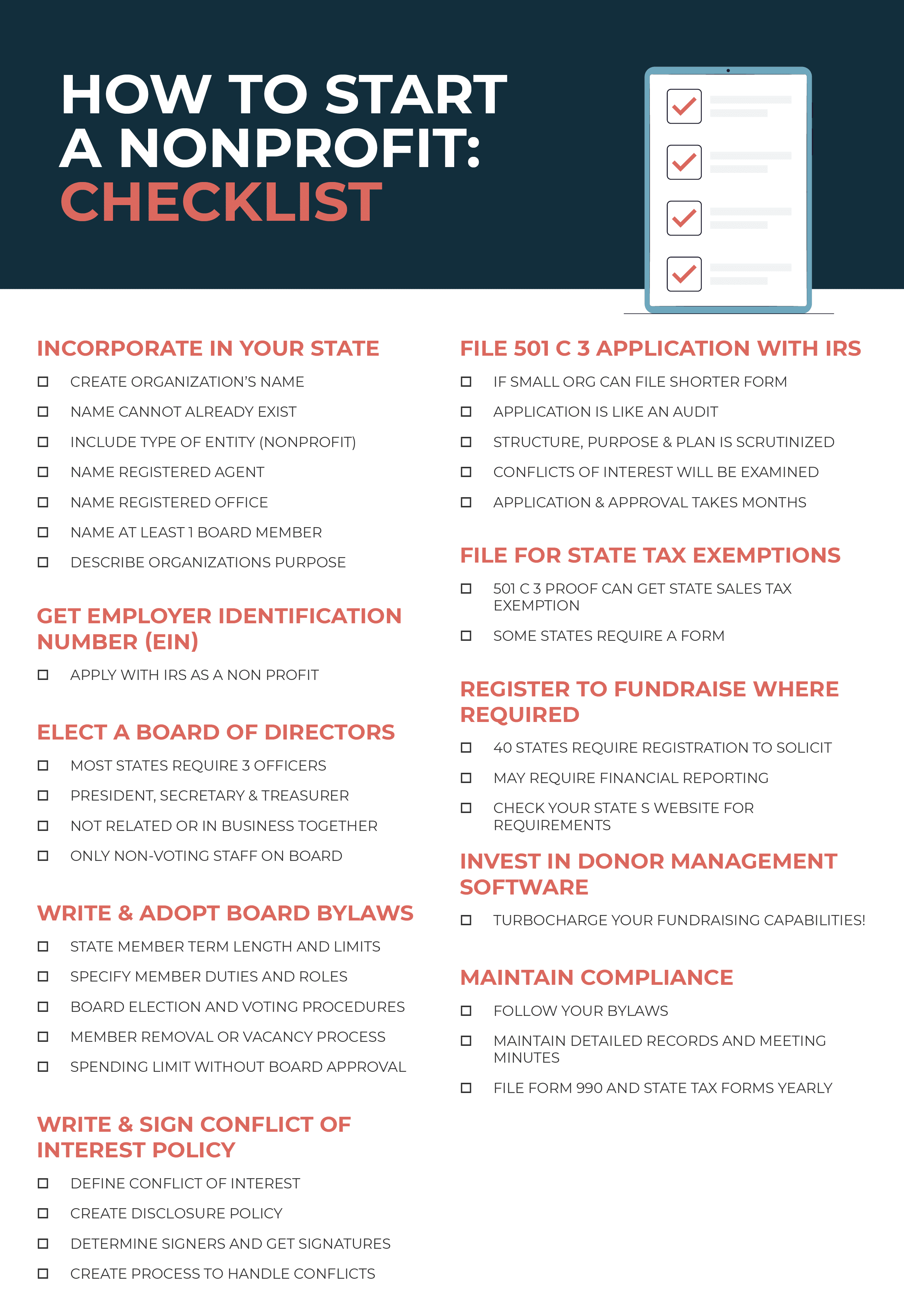
One of the first and most crucial steps is to assemble a dedicated and diverse Board of Directors. The board is responsible for governing the organization, overseeing its operations, and ensuring it adheres to its mission and legal obligations. In Florida, as in most states, a non-profit corporation must have at least three directors. These individuals should possess a variety of skills, experiences, and connections relevant to your mission, offering expertise in areas such as finance, law, fundraising, marketing, and the specific field your organization aims to serve. Transparency and good governance practices begin with a strong, independent board committed to the organization’s best interests.
Drafting Your Mission and Bylaws
Your mission statement is the core purpose of your organization, a concise declaration of what you do, for whom, and why it matters. This statement will guide all your activities and serve as a beacon for your stakeholders. Simultaneously, drafting organizational bylaws is essential. Bylaws are the internal rules that govern how your organization will operate. They outline the roles and responsibilities of the board, meeting procedures, voting rights, officer positions, and conflict of interest policies, among other crucial governance details. In Florida, comprehensive bylaws are not only a legal requirement but also a practical tool for ensuring smooth and ethical operation.
Choosing a Unique Name and Registered Agent
Selecting a unique and memorable name for your organization is vital for branding and identity. Before formalizing your choice, you must conduct a name availability search through the Florida Department of State‘s Sunbiz website to ensure your desired name isn’t already in use by another entity. Once confirmed, you will need to designate a Registered Agent in Florida. A Registered Agent is a physical person or entity located within Florida who is authorized to receive legal documents, service of process, and official governmental correspondence on behalf of your not-for-profit. This agent must have a physical street address, not a P.O. box, and be available during regular business hours.
State and Federal Compliance: The Legal Framework
Navigating the necessary filings with both state and federal authorities is perhaps the most critical phase of establishing your not-for-profit. This ensures your organization is legally recognized and qualifies for tax-exempt status.

Incorporating with the Florida Department of State
The first formal step is to incorporate your organization as a non-profit corporation with the Florida Department of State. This is achieved by filing Articles of Incorporation. These articles typically include your organization’s name, purpose, names and addresses of initial directors, the name and address of your registered agent, and a statement that the corporation will not issue stock and is organized on a non-stock basis. Upon approval, the Florida Department of State will issue a Certificate of Incorporation, officially recognizing your entity as a legal non-profit corporation within the state.
Obtaining Your Employer Identification Number (EIN)
Once incorporated with the state, your not-for-profit needs an Employer Identification Number (EIN) from the Internal Revenue Service (IRS). This nine-digit number is akin to a social security number for businesses and is essential for opening bank accounts, filing federal tax returns, and hiring employees. You can apply for an EIN online directly through the IRS website, and the process is typically quick and straightforward, yielding an immediate assignment of the number.
Applying for 501(c)(3) Status with the IRS
Achieving 501(c)(3) tax-exempt status is the most significant federal hurdle for most charitable non-profits. This involves filing Form 1023, Application for Recognition of Exemption Under Section 501(c)(3) of the Internal Revenue Service Code, with the IRS. This comprehensive application requires detailed information about your organization’s mission, activities, financial data, and governing documents (like your Articles of Incorporation and Bylaws). The IRS will review this application to ensure your organization meets the strict requirements for tax exemption. This process can be complex and time-consuming, often taking several months, and may require professional assistance to ensure accuracy and completeness. Upon approval, the IRS will issue a Determination Letter, officially recognizing your organization’s 501(c)(3) status. It’s important to note that without this letter, contributions to your organization are not tax-deductible for donors.
Post-Formation Essentials: Operations and Sustenance
With your not-for-profit legally established, the focus shifts to operationalizing your mission and ensuring long-term sustainability. This involves strategic planning, consistent fundraising, and ongoing adherence to legal and ethical standards.
Developing Your Fundraising Strategy
For a not-for-profit, a robust fundraising strategy is the lifeblood of its operations. This involves identifying potential funding sources, which can include individual donors, corporate sponsors, private foundations, and government grants. In Florida, you may also need to register with the Florida Department of Agriculture and Consumer Services before soliciting donations, depending on your fundraising activities. Developing a diverse portfolio of funding streams is crucial to mitigate risks and ensure a stable financial future. Effective fundraising is not just about asking for money; it’s about building relationships, communicating your impact, and demonstrating the value of your mission to potential supporters.
Maintaining Compliance and Transparency
Maintaining compliance is an ongoing commitment for any not-for-profit. This includes filing annual reports with the Florida Department of State, typically by the third Friday in May, to keep your corporate registration active. Federally, 501(c)(3) organizations must file an annual information return with the Internal Revenue Service (Form 990, 990-EZ, or 990-N, depending on gross receipts). Transparency is also key; making your financial statements and IRS Form 990 publicly available demonstrates accountability to donors and the community. Adhering to good governance practices, managing finances prudently, and regularly reviewing your programs’ effectiveness are essential for sustained impact.
Engaging with the Florida Community
To truly thrive, a not-for-profit must actively engage with the community it serves. This involves building partnerships with other local organizations, businesses, and government entities. Participating in local events, establishing a strong online presence, and clearly articulating your impact will foster trust and support. For a Florida-based non-profit, understanding local needs and tailoring programs to address specific community challenges—whether related to education, healthcare, environmental protection, or social services—is vital for relevance and long-term success.
Key Resources for Not For Profits in Florida
Florida offers several resources to assist not-for-profit organizations, from state agencies to supportive non-profit associations. Leveraging these resources can provide invaluable guidance, training, and networking opportunities.
State Agencies and Support Organizations
The Florida Department of State’s Division of Corporations (Sunbiz) is your primary point of contact for corporate filings and information. Additionally, the Florida Nonprofit Alliance serves as a statewide association that strengthens, promotes, and advocates for the non-profit sector in Florida. They offer valuable resources, workshops, and networking events. Various local non-profit resource centers and community foundations across Florida also provide support, often tailored to specific regional needs. Consulting with legal and accounting professionals specializing in non-profit law is also highly recommended to ensure proper compliance and sound financial management from the outset.
LifeOutOfTheBox is a participant in the Amazon Services LLC Associates Program, an affiliate advertising program designed to provide a means for sites to earn advertising fees by advertising and linking to Amazon.com. Amazon, the Amazon logo, AmazonSupply, and the AmazonSupply logo are trademarks of Amazon.com, Inc. or its affiliates. As an Amazon Associate we earn affiliate commissions from qualifying purchases.