
Embarking on the journey of homeschooling in Texas presents a unique opportunity to tailor education to your child’s specific needs and your family’s values. The Lone Star State offers a remarkably flexible and supportive environment for home educators, making it an attractive choice for many. Understanding the legal requirements, curriculum options, and community resources available is paramount to a successful and fulfilling homeschooling experience. This guide will navigate you through the essential steps to launch your educational adventure in Texas.
Understanding the Legal Framework for Homeschooling in Texas
Texas operates under a parent-led homeschool model, which places the primary responsibility for education on the parents or guardians. Unlike many other states, Texas does not require formal notification to the state, curriculum approval, standardized testing, or teacher certification for parents who choose to homeschool. This autonomy is a cornerstone of homeschooling freedom in the state.

Key Legal Provisions
The legal basis for homeschooling in Texas is primarily derived from the state’s compulsory attendance laws. These laws mandate that children between the ages of 6 and 18 must receive an education. Homeschooling is recognized as a valid method of fulfilling this obligation, provided that the education offered is “bona fide.”
- Bona Fide Education: This term generally means an educational program that is sincere and genuine, providing instruction in subjects typically taught in public schools. While not explicitly defined by statute, it implies a structured approach to learning that covers essential academic areas.
- Parental Responsibility: The law places the onus on parents to ensure their child receives an adequate education. This means that parents are the primary decision-makers regarding curriculum, teaching methods, and educational goals.
- No State Oversight: Crucially, the Texas Education Agency (TEA) does not regulate or oversee homeschool programs. This means no annual evaluations, portfolio reviews, or standardized tests are mandated by the state for homeschoolers. This level of freedom is a significant advantage for families seeking a personalized educational path.
- Withdrawal from Public School: When you decide to homeschool, you are effectively withdrawing your child from the public school system. While not legally required, it is good practice to formally notify the public school district of your intention to homeschool. This can prevent truancy issues and ensures the school is aware of your child’s educational status.
Essential Considerations for Compliance
While Texas is liberal in its homeschooling laws, maintaining a record of your child’s educational progress is highly recommended. This unofficial record can be invaluable should any questions arise regarding your child’s education, or for future college applications or transfers back into the public system.
- Record Keeping: Although not legally mandated, maintaining records such as attendance logs, grade reports, samples of work, and curriculum choices is a wise practice. This documentation serves as proof of your commitment to providing a bona fide education.
- Curriculum Selection: The freedom to choose your curriculum is one of the greatest benefits of homeschooling. You can select materials that align with your educational philosophy, your child’s learning style, and your family’s interests. This can range from traditional textbooks and workbooks to online programs, unit studies, and experiential learning.
- Subject Areas: While the state doesn’t mandate specific subjects, a bona fide education typically includes core academic areas such as English language arts, mathematics, science, and social studies. Depending on your child’s age and interests, you may also include foreign languages, arts, music, and vocational subjects.
Selecting the Right Curriculum and Educational Approach
The vast array of educational resources available for homeschooling can be both exciting and overwhelming. In Texas, the choice of curriculum and teaching methodology is entirely yours, allowing for a highly customized learning experience.
Homeschooling Philosophies and Styles
Before diving into specific resources, it’s beneficial to explore different homeschooling philosophies and styles to identify what resonates best with your family.
- Traditional/Classical: This approach emphasizes a structured curriculum, often with a focus on foundational subjects, classical literature, and rigorous academics. Think of it as a more personalized version of a traditional school.
- Charlotte Mason: Inspired by the educational philosophy of Charlotte Mason, this style emphasizes living books, nature study, art, music, and the development of good habits. It values short lessons and a relaxed pace.
- Unit Studies: This integrated approach connects learning across multiple subjects around a central theme. For example, a study on ancient Egypt could incorporate history, geography, art, science, and literature.
- Unschooling: Often described as child-led learning, unschooling allows children to pursue their interests and learn through everyday experiences, play, and exploration, with the parent acting as a facilitator.
- Eclectic: Most homeschooling families adopt an eclectic approach, borrowing elements from various philosophies and methodologies to create a unique blend that works best for their children.
Curriculum Resources and Options
Texas homeschoolers have access to a wealth of curriculum providers, both online and offline.
- Textbooks and Workbooks: Many publishers offer comprehensive curricula designed for homeschooling, covering all core subjects. These can provide a structured learning path.
- Online Learning Platforms: Numerous online academies and learning platforms offer full-day programs, individual courses, or supplementary resources. These can provide interactive lessons, virtual classrooms, and immediate feedback. Popular options include Khan Academy (free for many subjects), Time4Learning, and Abeka Academy.
- Homeschool Conventions and Expos: Attending Texas homeschool conventions, such as those hosted by Texas Home School Coalition, can be an excellent way to discover new curricula, meet vendors, and connect with other homeschooling families.
- Local Libraries and Bookstores: Don’t underestimate the resources available at your local library and bookstores. They can offer a wide selection of books, educational materials, and even host educational events.
- Homeschool Co-ops and Learning Centers: Many communities have homeschooling cooperatives or learning centers where families can share resources, teach classes to each other’s children, or access specialized instruction.
Building Your Homeschooling Community and Support Network
Homeschooling, while often a family endeavor, thrives with the support of a community. In Texas, a robust network of homeschooling organizations and local groups exists to provide encouragement, resources, and social opportunities.
The Importance of Community
Connecting with other homeschooling families can alleviate feelings of isolation, provide practical advice, and offer invaluable social interactions for your children. These connections can range from casual playdates to structured co-ops.
- Socialization: Homeschooling does not mean isolating your children. The homeschool community offers numerous opportunities for children to interact with peers from diverse backgrounds and age groups through park days, field trips, sports teams, and group activities.
- Parental Support: Sharing experiences, challenges, and successes with other homeschooling parents can be incredibly beneficial. These connections can offer emotional support, practical tips, and a sense of belonging.
- Shared Resources and Opportunities: Homeschool co-ops often pool resources to offer classes, field trips, and group projects that might be difficult for individual families to arrange. This can include specialized instruction in subjects like science labs, foreign languages, or arts.
Key Texas Homeschool Organizations
Several organizations serve the homeschooling community in Texas, offering a wealth of information, advocacy, and connection.
- Texas Home School Coalition (THSC): The THSC is a leading advocacy group for homeschooling families in Texas. They provide legal information, resources, support, and host an annual convention that is a cornerstone event for many Texas homeschoolers.
- Local Support Groups: Beyond statewide organizations, numerous local homeschooling groups exist across Texas. These groups are often organized by city or region and are a great starting point for finding nearby families, organizing local events, and accessing area-specific resources. Searching online for “[Your City] homeschool group” or “[Your County] homeschool support” can yield many results.
- Online Forums and Social Media: The digital age has made connecting with other homeschoolers easier than ever. Numerous Facebook groups, online forums, and websites are dedicated to Texas homeschooling, offering platforms for questions, advice, and sharing opportunities.
Extracurricular Activities and Enrichment
Homeschooling opens doors to diverse extracurricular activities that might not be readily available in traditional school settings.
- Sports and Athletics: Many Texas communities have homeschool sports leagues or allow homeschoolers to participate in public school or private school sports teams, depending on specific school district policies.
- Arts and Music: Local arts organizations, community theaters, and music schools often welcome homeschool students. Private lessons and group classes are widely available.
- Volunteering and Community Service: Engaging in volunteer work provides valuable life skills and contributes to the community. Homeschooling families can actively seek out opportunities that align with their children’s interests and values.
- Field Trips and Educational Outings: Texas is rich with museums, historical sites, science centers, and natural attractions that serve as excellent learning environments. From the Alamo in San Antonio to the Space Center Houston, there are endless possibilities for exploration.
Navigating the Practicalities of Homeschooling in Texas
Beyond the legal and educational aspects, several practical considerations are crucial for a smooth and successful homeschooling journey in Texas.
Setting Up Your Learning Environment
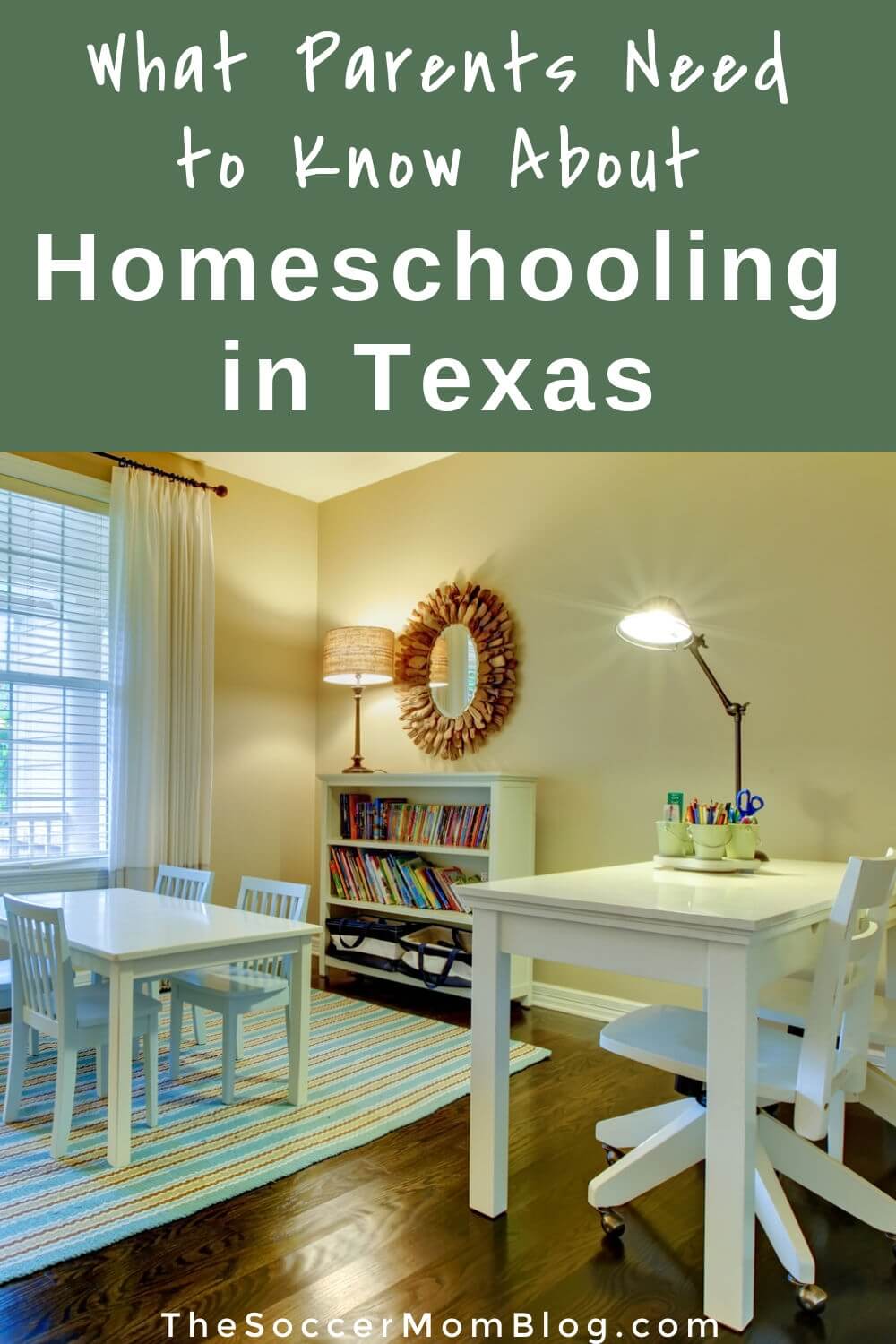
Your home will likely become your child’s primary learning space. While a dedicated classroom is ideal, it’s not always feasible. Focus on creating a functional and inspiring area.
- Dedicated Space: Even a small corner of a room can be designated as a learning area. Ensure it’s free from distractions and equipped with necessary supplies.
- Learning Tools and Supplies: Invest in essential items like notebooks, pens, pencils, art supplies, a reliable computer with internet access, and age-appropriate books.
- Organization: Keep learning materials organized to promote efficiency and reduce clutter. This can involve bookshelves, storage bins, and filing systems.
Scheduling and Time Management
Homeschooling offers flexibility, but a well-structured schedule can prevent burnout and ensure all educational goals are met.
- Daily and Weekly Schedules: Establish a routine that balances academic instruction, independent study, breaks, and extracurricular activities. This routine can be adapted as needed.
- Flexibility: One of the joys of homeschooling is the ability to adjust your schedule based on your child’s needs, unexpected opportunities, or family events. Don’t be afraid to deviate from the plan when necessary.
- Breaks and Downtime: Incorporate regular breaks throughout the day and ensure ample time for rest and recreation to prevent fatigue and maintain enthusiasm.
Assessment and Progress Tracking
While Texas doesn’t mandate formal assessments, tracking your child’s progress is vital for understanding their learning and making informed adjustments.
- Informal Assessments: Observe your child’s understanding, engage in discussions, and review their work. Quizzes, tests from curriculum materials, and projects can also serve as assessment tools.
- Portfolio Development: A portfolio of your child’s work, including essays, artwork, science projects, and math assignments, can provide a comprehensive overview of their learning journey.
- Standardized Testing (Optional): Some families choose to administer standardized tests periodically to gauge their child’s academic standing, especially if they plan for college or future transitions. Many testing services are available for this purpose.
Transitioning Back to Traditional Schooling
While not always planned, some families may choose to transition their child back into the public or private school system at some point. Texas public schools are generally welcoming to homeschooled students.
- Documentation is Key: Having thorough records of your child’s homeschooling education (curriculum, grades, progress reports) will be instrumental in the transfer process.
- Consultation with Schools: It’s advisable to communicate with the administration of the school you intend to enroll your child in to understand their specific placement policies and requirements for transfer students.
Homeschooling in Texas is a rewarding endeavor that empowers parents to provide a personalized and effective education for their children. By understanding the legal landscape, exploring diverse educational approaches, fostering a strong community, and managing practical aspects, you can embark on this journey with confidence and success.
LifeOutOfTheBox is a participant in the Amazon Services LLC Associates Program, an affiliate advertising program designed to provide a means for sites to earn advertising fees by advertising and linking to Amazon.com. Amazon, the Amazon logo, AmazonSupply, and the AmazonSupply logo are trademarks of Amazon.com, Inc. or its affiliates. As an Amazon Associate we earn affiliate commissions from qualifying purchases.