
The unemployment rate in a region is a crucial economic indicator, reflecting the health of its job market and the overall economic vitality. For Florida, a state renowned for its dynamic tourism industry, bustling cities, and attractive lifestyle, understanding its unemployment rate offers valuable insights into its economic landscape and its appeal to both residents and visitors. This rate directly influences consumer confidence, disposable income, and the overall spending power within the state, which in turn impacts sectors like hospitality, dining, and entertainment – cornerstones of the Floridian tourism economy.
The Economic Landscape of Florida
Florida boasts a diverse and robust economy, driven by several key sectors. The tourism and hospitality industry, powered by its year-round warm climate, miles of coastline, world-class theme parks, and vibrant cultural attractions, is a primary economic engine. Beyond tourism, the state has a significant presence in aerospace, aviation, international trade, healthcare, and a growing technology sector. This economic diversification makes the unemployment rate a multifaceted indicator, influenced by trends across various industries.
Tourism as a Driver
The Florida tourism sector is a massive contributor to the state’s GDP and employment. Millions of visitors flock to destinations like Orlando, home to Walt Disney World Resort and Universal Orlando Resort; Miami, with its renowned beaches and vibrant nightlife; and the Florida Keys, offering a unique island experience. The health of this industry is directly tied to the employment figures within hotels, restaurants, attractions, and transportation services. A low unemployment rate often signifies a strong demand for these services, translating into more job openings and greater opportunities for those employed in the tourism sector. Conversely, an uptick in unemployment can signal a slowdown in visitor numbers or a contraction in the hospitality workforce.
Beyond Tourism: Other Economic Pillars
While tourism is paramount, other sectors significantly influence Florida‘s unemployment rate. The state’s extensive coastline and ports make it a hub for international trade and logistics. Industries like healthcare, particularly in major metropolitan areas such as Tampa and Jacksonville, are consistent employers. Furthermore, the state has been actively cultivating its technology and innovation sectors, attracting startups and established companies alike. The performance of these diverse industries, from agriculture in the southern regions to real estate development across the state, collectively shapes the overall unemployment statistics.
Factors Influencing Florida’s Unemployment Rate
Several internal and external factors can impact the unemployment rate in Florida. Understanding these influences provides a more comprehensive picture of the state’s economic dynamics.
Seasonal Employment Fluctuations
Due to the strong reliance on tourism, Florida often experiences seasonal variations in its employment landscape. The peak tourist seasons, typically during winter months and school holidays, see a surge in demand for temporary and permanent staff in hospitality, retail, and entertainment. Conversely, during slower periods, some of these roles may be reduced, leading to temporary increases in unemployment. However, the state’s year-round appeal mitigates the severity of these seasonal swings compared to regions with more pronounced cold seasons.
Economic Cycles and Recessions
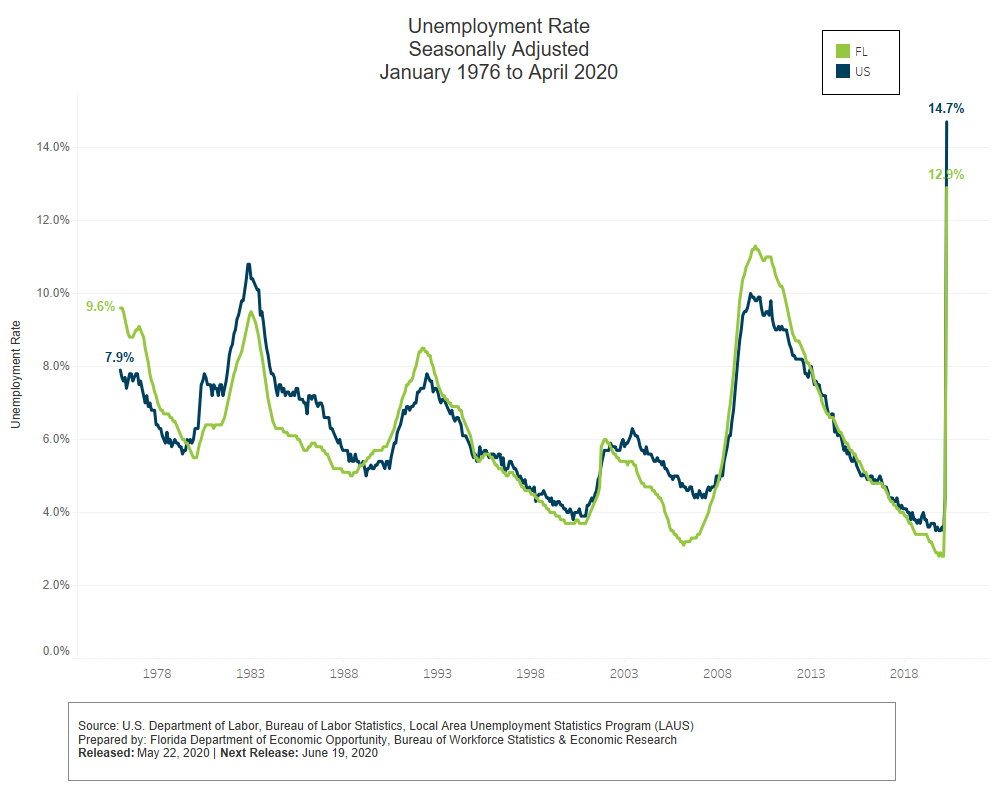
Like any economy, Florida is susceptible to broader economic cycles and national or global recessions. During economic downturns, businesses may reduce hiring, implement layoffs, or scale back operations, leading to an increase in the unemployment rate. The state’s economic resilience is often tested during these periods, with its diverse economic base helping to buffer against extreme fluctuations. However, sectors heavily reliant on discretionary spending, such as tourism and luxury goods, can be particularly vulnerable.
Population Growth and Migration
Florida has consistently been one of the fastest-growing states in the United States, attracting new residents through its favorable climate, tax policies, and lifestyle offerings. This influx of population can create new job opportunities as businesses expand to meet the demands of a growing consumer base. However, if job creation does not keep pace with population growth, it can put upward pressure on the unemployment rate. Conversely, a strong job market can be a significant draw for individuals considering relocation.
Government Policies and Initiatives
State and federal government policies play a vital role in shaping the employment landscape. Florida‘s government actively promotes business development, incentivizes job creation, and invests in workforce training programs. Initiatives aimed at bolstering specific industries, such as technology or renewable energy, can lead to the creation of new jobs and a decrease in unemployment. Furthermore, policies related to trade, infrastructure investment, and economic stimulus packages can have a ripple effect on employment levels across the state.
Understanding the Unemployment Rate Data
The unemployment rate is typically reported as a percentage and is calculated by dividing the number of unemployed individuals by the total labor force (which includes both employed and unemployed individuals actively seeking work). Official statistics are usually released by government agencies, such as the U.S. Bureau of Labor Statistics and the Florida Department of Economic Opportunity.
Key Metrics and Comparisons
When analyzing Florida‘s unemployment rate, it’s beneficial to compare it against:
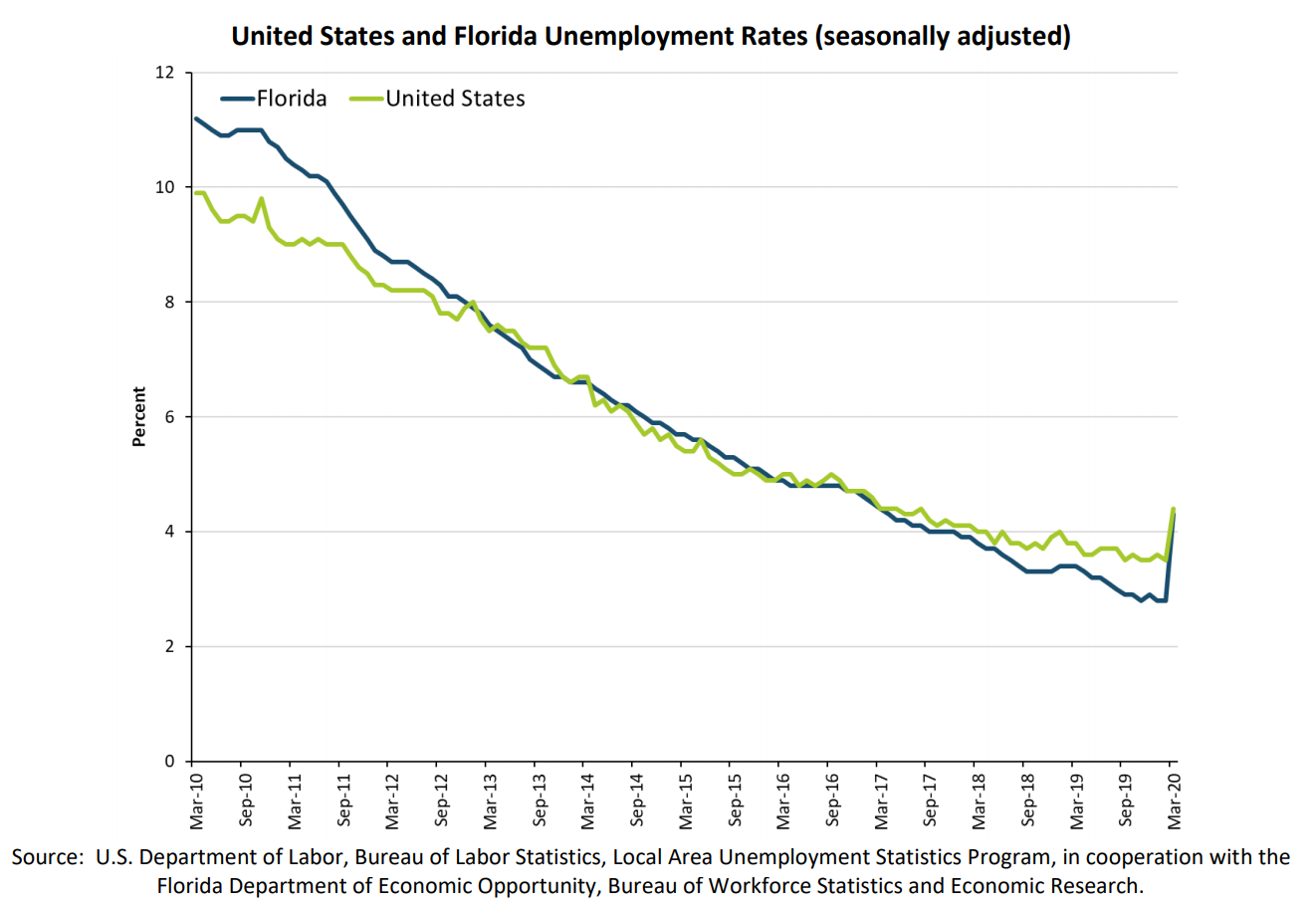
- National Averages: Understanding how Florida performs relative to the United States as a whole provides context.
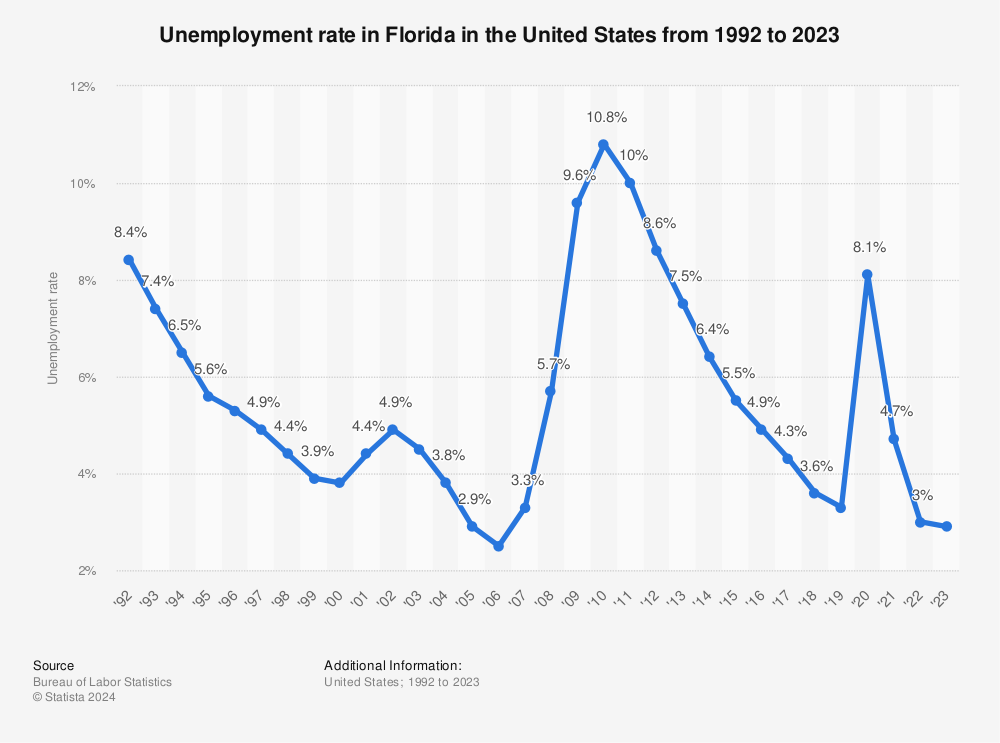
- Historical Trends: Examining the rate over time reveals patterns of growth, recession, and recovery within the state.
- Other States: Comparing Florida to states with similar economic profiles or tourism-dependent economies can offer further insights.
- Local Data: Within Florida, unemployment rates can vary significantly between metropolitan areas and rural regions, reflecting localized economic conditions. For instance, areas heavily dependent on specific industries might see different trends than diversified economic centers.
The Labor Force Participation Rate
While the unemployment rate is a key metric, the labor force participation rate is also important. This rate indicates the percentage of the working-age population that is either employed or actively seeking employment. A declining labor force participation rate, even with a stable or falling unemployment rate, could suggest that individuals are discouraged from seeking work or have left the workforce.
Implications for Visitors and Businesses
The unemployment rate in Florida has direct implications for both those planning to visit and those operating businesses within the state.
For Tourists and Travelers
A low unemployment rate in Florida generally signals a healthy and robust economy. For tourists, this often translates to:
- Abundant Services: A strong workforce means a higher likelihood of well-staffed hotels, restaurants, attractions, and transportation services, leading to a smoother and more enjoyable travel experience.
- Consumer Spending: With more people employed and earning, there’s generally higher consumer spending, which can translate into vibrant local economies, well-maintained attractions, and a lively atmosphere in tourist destinations.
- Investment in Infrastructure: A strong economy often allows for greater investment in public infrastructure, such as airports, roads, and public transportation, which benefits travelers.
Conversely, a rising unemployment rate might indicate economic challenges that could potentially impact the visitor experience, though the sheer scale of Florida‘s tourism industry often provides a buffer.
For Businesses and Investors
For businesses operating in or considering investing in Florida, the unemployment rate is a critical indicator:
- Labor Availability: A low unemployment rate suggests a competitive job market, which can make it more challenging and potentially more expensive to attract and retain talent. Businesses might need to offer more attractive compensation and benefits.
- Consumer Demand: A strong employment market usually correlates with higher consumer confidence and spending, benefiting businesses in retail, hospitality, and services.
- Economic Stability: A consistently low unemployment rate signals economic stability and growth potential, making Florida an attractive location for investment.
- Workforce Development: Understanding unemployment trends also helps businesses and policymakers identify areas where workforce development and training programs are most needed to match skills with available jobs.
In conclusion, the unemployment rate in Florida is a dynamic figure that encapsulates the health and trajectory of its multifaceted economy. It’s a key metric that informs economic policy, business strategy, and provides valuable context for individuals considering Florida as a place to work, live, or visit. Monitoring these trends allows for a deeper appreciation of the economic forces shaping the Sunshine State.
LifeOutOfTheBox is a participant in the Amazon Services LLC Associates Program, an affiliate advertising program designed to provide a means for sites to earn advertising fees by advertising and linking to Amazon.com. Amazon, the Amazon logo, AmazonSupply, and the AmazonSupply logo are trademarks of Amazon.com, Inc. or its affiliates. As an Amazon Associate we earn affiliate commissions from qualifying purchases.