
Navigating the intricacies of transferring a camper title in Texas can seem daunting, but with a clear understanding of the process and the necessary documentation, it becomes a manageable task. Whether you’ve just purchased a pre-owned RV or are gifting your beloved camper to a family member, ensuring the title is correctly transferred is a crucial step in legal ownership. This guide will walk you through the essential steps, required forms, and key considerations for a smooth and compliant title transfer in the Lone Star State.
Understanding the Texas Title Transfer Process for Campers
In Texas, a camper, often referred to as a recreational vehicle (RV) or travel trailer, requires a title to prove ownership, similar to a car or truck. When a camper changes hands, the seller must relinquish their ownership rights, and the buyer must assume them. This legal transfer is managed by the Texas Department of Motor Vehicles (TxDMV). Failing to complete this process accurately can lead to complications, including issues with registration, insurance, and potential legal disputes.
The core of the title transfer involves completing specific forms and submitting them to the TxDMV, typically through a local county tax assessor-collector office. This office acts as an agent for the TxDMV, handling vehicle registration, titling, and title transfers within their jurisdiction. It’s essential to have all parties involved, both buyer and seller, present or have their signatures properly notarized on the relevant documents.
Key Players in the Transfer
- Seller: The current legal owner of the camper. They are responsible for signing over the existing title to the buyer and providing any necessary supporting documentation.
- Buyer: The new owner of the camper. They are responsible for obtaining the properly signed title from the seller, completing application forms, and paying applicable fees and taxes.
- Texas Department of Motor Vehicles (TxDMV): The state agency that oversees vehicle titling and registration.
- County Tax Assessor-Collector Office: The local office where title transfer applications are processed.
Essential Documents for a Texas Camper Title Transfer
The successful transfer of a camper title in Texas hinges on having the correct paperwork. Missing or incorrect documents are the most common reasons for delays or rejections. Here’s a breakdown of what you’ll need:
The Texas Certificate of Title
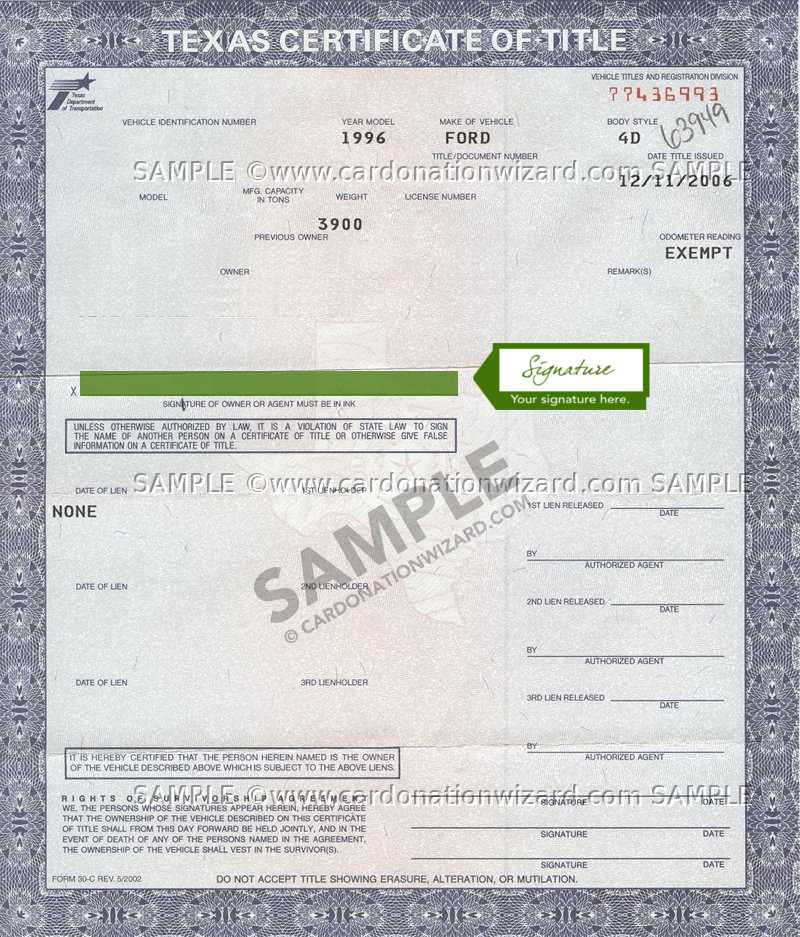
This is the most critical document. The seller must possess the current Texas Certificate of Title for the camper. This document contains essential information such as the vehicle identification number (VIN), make, model, year, and the seller’s legal name and signature.
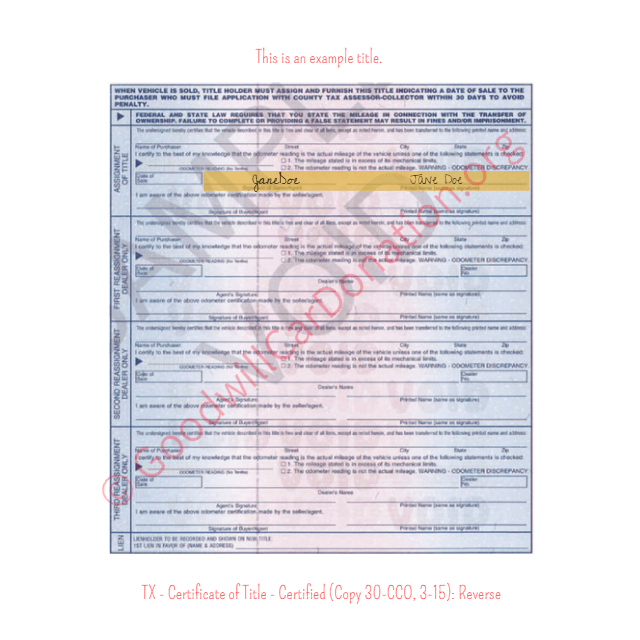
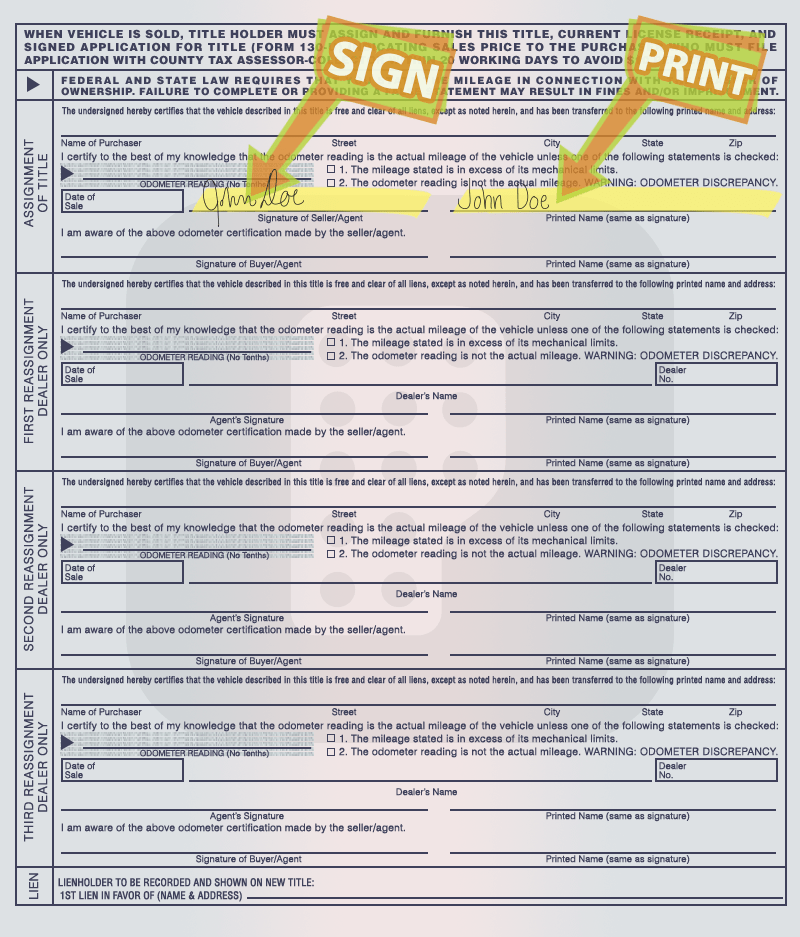
- Seller’s Signature: The seller must sign the designated “Assignment of Title” section on the back of the certificate of title. This relinquishes their ownership.
- Buyer’s Information: The buyer’s full legal name and address will be entered in the appropriate sections.
- Odometer Reading: The current mileage of the camper must be accurately recorded on the title. Federal and state laws require this disclosure for most vehicles.
- Lien Release (if applicable): If there was a loan on the camper, the seller must provide proof that the loan has been paid off. This is typically a “Lien Release” form from the financial institution that held the lien. If the lienholder is still listed on the title, the lienholder must also sign to release their interest.
Application for Texas Title and/or Registration (Form 130-U)
This is the primary application form for transferring title and registering a vehicle in Texas. Both the buyer and seller will need to complete and sign portions of this form.
- Buyer’s Details: You will provide your personal information, including name, address, and driver’s license number.
- Vehicle Information: Details about the camper, including its VIN, make, model, year, and body style, will be required.
- Odometer Disclosure: You will re-confirm the odometer reading.
- Seller’s Information: The seller will also provide their identifying information and sign to acknowledge the sale.
- Proof of Ownership: This form is submitted alongside the signed Certificate of Title.
Bill of Sale
While not always strictly required by the TxDMV for a title transfer if the title itself is properly assigned, a Bill of Sale is highly recommended. It serves as a legal document detailing the transaction between the buyer and seller.
- Details to Include: The Bill of Sale should clearly state the names and addresses of both the buyer and seller, the date of sale, the camper’s VIN, make, model, year, and the agreed-upon purchase price.
- “As-Is” Clause: It’s common practice to include an “as-is” clause, indicating that the camper is being sold in its current condition without any warranties from the seller.
- Signatures: Both the buyer and seller should sign and date the Bill of Sale.
Proof of Texas Vehicle Liability Insurance
Texas law requires all registered vehicles to have continuous liability insurance. You will need to present proof of this insurance when you register your camper.
- Policy Information: Your insurance policy number and the effective dates of coverage are necessary.
- Coverage Requirements: Ensure your policy meets the minimum liability coverage requirements set by the state of Texas.
Proof of Identity and Residency
You will need to provide proof of your identity and Texas residency to the county tax assessor-collector’s office.
- Valid Driver’s License or ID: A government-issued photo ID is typically required.
- Proof of Residency: Utility bills, lease agreements, or other official mail showing your Texas address may be requested.
Weight Certificate (for certain campers)
Depending on the classification and weight of your camper, a weight certificate might be required for registration purposes. This is usually obtained from a certified scale. Check with your local county tax assessor-collector’s office to see if this applies to your specific camper.
Step-by-Step Guide to Transferring a Camper Title
Once you have gathered all the necessary documentation, the process of transferring the title can begin.
Step 1: Seller Completes the Title Assignment
The seller, holding the current Texas Certificate of Title, must accurately fill out the “Assignment of Title by Seller” section. This includes:
- Printing their full legal name and signing their name.
- Accurately entering the buyer’s full legal name and address.
- Recording the current odometer reading.
- Notarization may be required depending on the circumstances or if there are any corrections.
Step 2: Buyer Completes the Application for Title and/or Registration (Form 130-U)
The buyer will then complete Form 130-U. This form serves as the application for a new title and registration.
- Fill in all requested buyer information accurately.
- Ensure the camper’s VIN, make, model, and year are correctly transcribed from the title.
- Sign and date the form.
Step 3: Notarization (if required)
While not always mandatory for every transfer, certain situations may require notarization. For instance, if there are any errors or omissions on the title that need correction, a notary public might be involved. It’s always a good idea to check with your local county tax assessor-collector’s office if you are unsure.
Step 4: Buyer Submits Documents to the County Tax Assessor-Collector Office
The buyer is responsible for taking all the completed documents to their local county tax assessor-collector office. This typically includes:
- The properly signed Texas Certificate of Title.
- The completed Application for Texas Title and/or Registration (Form 130-U).
- A valid Texas vehicle liability insurance policy.
- A Bill of Sale (recommended).
- Proof of identity and residency.
- Weight certificate (if applicable).
Step 5: Payment of Fees and Taxes
At the county tax assessor-collector office, you will be required to pay several fees and taxes.
- Title Fee: A fee charged by the TxDMV for issuing a new title.
- Registration Fee: This fee is for the license plates and annual registration of the camper. The amount varies based on the camper’s weight and type.
- Sales Tax: Texas imposes a sales and use tax on the purchase of vehicles, including campers. The tax is typically calculated based on the purchase price or the current market value of the camper, whichever is greater. You may receive credit for sales tax paid to another state.
- Local Fees: Some counties may have additional local fees.
Step 6: Receive New Title and Registration
Once all documents are reviewed, fees are paid, and taxes are assessed, the county tax assessor-collector office will forward the application to the TxDMV. The TxDMV will then process the transfer and mail a new Texas Certificate of Title in your name. You will also receive your new registration sticker and license plates. It can take several weeks to receive the new title by mail.
Important Considerations and Tips
- Timeliness: Texas law requires title transfers to be completed within a specific timeframe after the purchase date, typically 30 days. Failure to do so can result in penalties.
- Accurate VIN: Double-check that the Vehicle Identification Number (VIN) on the title, on the camper itself, and on the application form match exactly. Any discrepancies can halt the transfer process.
- Condition of the Title: Ensure the existing title is in good condition. If it is damaged, lost, or illegible, the seller will need to apply for a duplicate title before they can transfer ownership.
- Out-of-State Purchases: If you purchased the camper from another state, the process may differ slightly. You will still need to apply for a Texas title and registration, and you will likely need a VIN inspection by a Texas law enforcement officer or authorized inspector. The TxDMV website provides specific guidance for out-of-state purchases.
- Gifting a Camper: If the camper is being gifted, the seller may indicate “gift” on the Bill of Sale and potentially reduce the taxable value for sales tax purposes. However, sales tax on gifts in Texas is still often applicable based on market value, so it’s wise to confirm with the county office.
- Lienholders: If you are purchasing a camper with an outstanding lien, ensure the lien is properly released by the lender before the title transfer is finalized. The new title will list any new liens if the camper is financed.
- County Variations: While the core process is statewide, specific procedures and requirements can vary slightly between county tax assessor-collector offices. It is always a good practice to contact your local office in advance to confirm their specific requirements and hours of operation.
By diligently following these steps and ensuring all documentation is accurate and complete, you can successfully transfer a camper title in Texas, securing your legal ownership and allowing you to enjoy your RV adventures without administrative worries.
LifeOutOfTheBox is a participant in the Amazon Services LLC Associates Program, an affiliate advertising program designed to provide a means for sites to earn advertising fees by advertising and linking to Amazon.com. Amazon, the Amazon logo, AmazonSupply, and the AmazonSupply logo are trademarks of Amazon.com, Inc. or its affiliates. As an Amazon Associate we earn affiliate commissions from qualifying purchases.