
Navigating the temporal landscape of any destination is a fundamental aspect of travel planning, and for Arizona, understanding its unique time zone situation is crucial for a seamless experience. Unlike many other states in the United States, Arizona presents a curious and often confusing anomaly regarding Daylight Saving Time (DST). This guide aims to demystify Arizona’s time zones, exploring its implications for travelers and offering practical advice to ensure you’re always on schedule.
Arizona’s Unique Time Zone Status
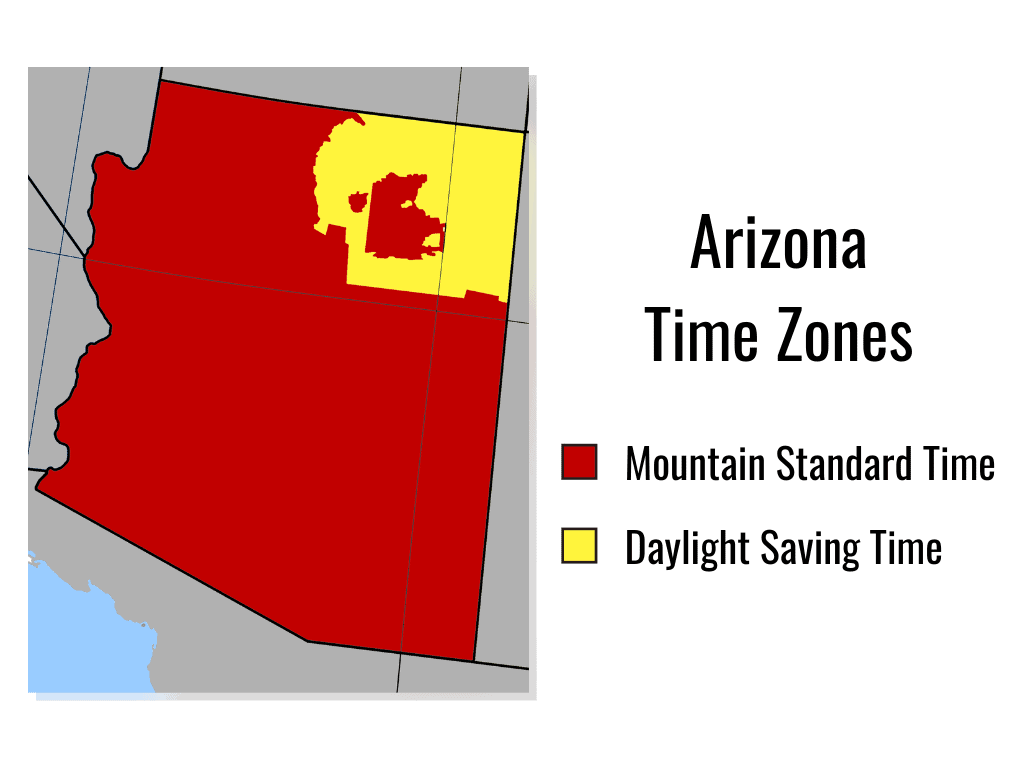
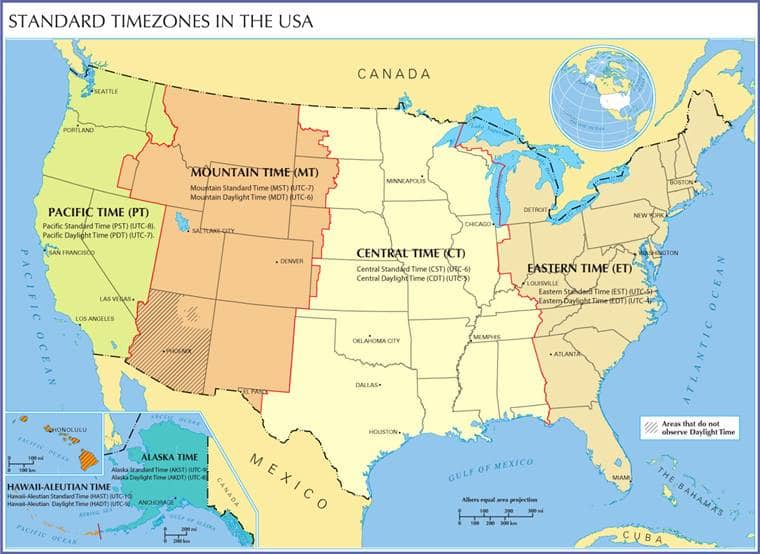
The core of Arizona’s temporal distinction lies in its decision to opt out of Daylight Saving Time. While the majority of the United States springs forward an hour in March and falls back in November, Arizona largely remains on Mountain Standard Time (MST) year-round. This means that for much of the year, Arizona observes MST, which is UTC-7.
The Navajo Nation Exception
It’s important to note a significant exception to Arizona’s DST abstention: the Navajo Nation. The Navajo Nation, which spans across parts of Arizona, New Mexico, and Utah, does observe Daylight Saving Time. This creates a fascinating temporal divide within the state, where areas within the Navajo Nation will be an hour ahead of the rest of Arizona during the DST period (roughly March through November).
For travelers, this means that if your itinerary includes the Navajo Nation, particularly popular attractions like Monument Valley or Canyon de Chelly National Monument, you will need to adjust your watch by an hour when crossing the invisible boundary into the reservation. This is a critical detail for booking tours, making dinner reservations, or simply meeting up with friends.
The Rest of Arizona: A Constant Standard
Outside of the Navajo Nation, the rest of Arizona adheres to Mountain Standard Time (MST) year-round. This includes major population centers like Phoenix, Tucson, and Flagstaff.
During the months when DST is active elsewhere in the United States, Arizona will be:
- Two hours behind the Eastern Time Zone (ET).
- One hour behind the Central Time Zone (CT).
- The same time as the Pacific Time Zone (PT), which observes DST.
When DST ends and other states revert to Standard Time, Arizona’s MST will then be:
- One hour behind the Eastern Standard Time (EST) Zone.
- The same time as the Central Standard Time (CST) Zone.
- One hour ahead of the Pacific Standard Time (PST) Zone.
This creates a shifting relationship with neighboring states and other parts of the country, which can be a source of confusion.
Practical Implications for Travelers
Understanding Arizona’s time zone quirks is not just an academic exercise; it has tangible implications for your travel plans. Being mindful of these differences can save you time, money, and a great deal of frustration.
Transportation and Flight Schedules
When booking flights into or out of Arizona, always double-check the arrival and departure times against your departure city’s time zone. While airlines typically display times in local time, it’s prudent to confirm. For example, a flight departing from New York (ET) at 3:00 PM might arrive in Phoenix at 5:00 PM local time. However, because Phoenix is two hours behind New York during DST, this flight is only 4 hours long (3 PM ET to 5 PM MT is a 4-hour duration). During standard time, the difference shrinks to one hour, making the same flight duration 5 hours. This subtle but significant difference can impact your onward travel plans or hotel check-in.
Similarly, consider bus or train schedules, as well as car rental pick-up and drop-off times. Always clarify whether a stated time is local to the region or relative to another time zone.
Accommodations and Activities
Booking hotels, tours, and activities requires careful attention to the time zone. If you’re staying in a major city like Scottsdale or Sedona, you can generally rely on MST year-round. However, if your adventures take you near or into the Navajo Nation for a guided tour of Antelope Canyon or a visit to Page, remember that during DST, the time will be an hour ahead of the rest of Arizona.
This means a 9:00 AM tour booked within the Navajo Nation during DST will actually be 8:00 AM in Flagstaff. This is a critical point for coordinating meet-ups and ensuring you don’t miss out on a pre-paid experience.
Dining and Entertainment
Restaurant reservations and showtimes should also be cross-referenced. While most establishments will operate on local time, it’s a good practice to confirm, especially if the venue is near the border of the Navajo Nation. A 7:00 PM dinner reservation in Winslow could be 7:00 PM MST, but if you’re heading towards Kayenta for a meal, that same 7:00 PM booking might mean 6:00 PM MST.
Business and Communication
For business travelers, synchronizing with colleagues or clients in different time zones is paramount. Understanding Arizona’s consistent MST (outside the Navajo Nation) simplifies communication with many parts of the western United States, particularly those in the Pacific Time Zone. However, coordinating with the Eastern or Central Time Zones will require a consistent mental adjustment.
Navigating Arizona’s Time Zones: Tips for a Smooth Trip
To make your journey through Arizona as smooth as possible, here are some practical tips:
1. Always Confirm Local Time
When in doubt, ask. Whether it’s your hotel concierge, a tour operator, or a local shopkeeper, confirming the current local time can prevent misunderstandings. Many smartphones and digital devices automatically update to local time, but the DST anomaly can sometimes cause confusion for these devices as well, especially when crossing into the Navajo Nation.
2. Be Aware of the Navajo Nation’s DST Observance
This is the most significant point of potential confusion. If your travels take you to areas like Page, Monument Valley, or Kayenta, be aware that from March to November, these areas are one hour ahead of the rest of Arizona.
3. Pre-Program Your Devices (with caution)
While smartphones are generally reliable, manually setting your time zone or being aware of the settings can be a safeguard. Ensure your phone is set to automatically detect time zones, but also be prepared to manually override it if you notice discrepancies, especially when entering the Navajo Nation during DST.
4. Use Reliable Online Resources
Websites like timeanddate.com or official state tourism sites can provide up-to-date information on time zone differences and DST observances.
5. Factor in Travel Time Accurately
When planning road trips, especially those that cross the temporal boundary of the Navajo Nation, ensure you are factoring in the time difference when estimating arrival times. For instance, a drive from Flagstaff to Page will feel shorter or longer depending on whether DST is active in the Navajo Nation.

6. Communicate Clearly with Travel Companions
If you are traveling with others, make sure everyone is on the same page regarding the time zone. A quick conversation before departing for any activity can avert confusion.
Arizona’s choice to remain on standard time year-round, with the exception of the Navajo Nation, is a unique characteristic that adds another layer to the planning of a visit to the Grand Canyon State. By understanding this temporal peculiarity, travelers can confidently navigate their schedules, ensuring they make the most of their explorations, from the red rocks of Sedona to the ancient wonders of Mesa Verde National Park (though technically in Colorado, it’s a common extension for those visiting Northern Arizona). Embrace the temporal rhythm, and your Arizona adventure will be all the more enjoyable for it.
LifeOutOfTheBox is a participant in the Amazon Services LLC Associates Program, an affiliate advertising program designed to provide a means for sites to earn advertising fees by advertising and linking to Amazon.com. Amazon, the Amazon logo, AmazonSupply, and the AmazonSupply logo are trademarks of Amazon.com, Inc. or its affiliates. As an Amazon Associate we earn affiliate commissions from qualifying purchases.