
The Core Purpose of a California Car Title Transfer
The car title, commonly known as the pink slip, is the definitive legal document of vehicle ownership. In California, accurate title transfer is a fundamental administrative step, ensuring legal compliance, liability protection, and preventing complications for all parties involved. This process is essential whether you are purchasing, selling, gifting, or inheriting a vehicle. Understanding the intricacies defined by the California Department of Motor Vehicles (DMV) is paramount for responsibly managing your automotive assets.
A timely and accurate title transfer legally establishes buyer ownership, enabling vehicle registration, proper insurance acquisition, and lawful operation on public roads. Without it, new owners may face significant hurdles in future resale, insurance claims, or even legal disputes. For sellers, prompt transfer officially removes liability for the vehicle; until reported to the DMV, the original owner remains responsible for potential parking tickets, toll violations, or accidents. Thus, both parties must grasp their specific actions for any change of vehicle ownership in California.
Key Scenarios Requiring a Title Transfer
A title transfer is necessitated by various circumstances, each with specific DMV protocols. Recognizing your situation is the first step toward a seamless process.
Buying or Selling a Used Vehicle
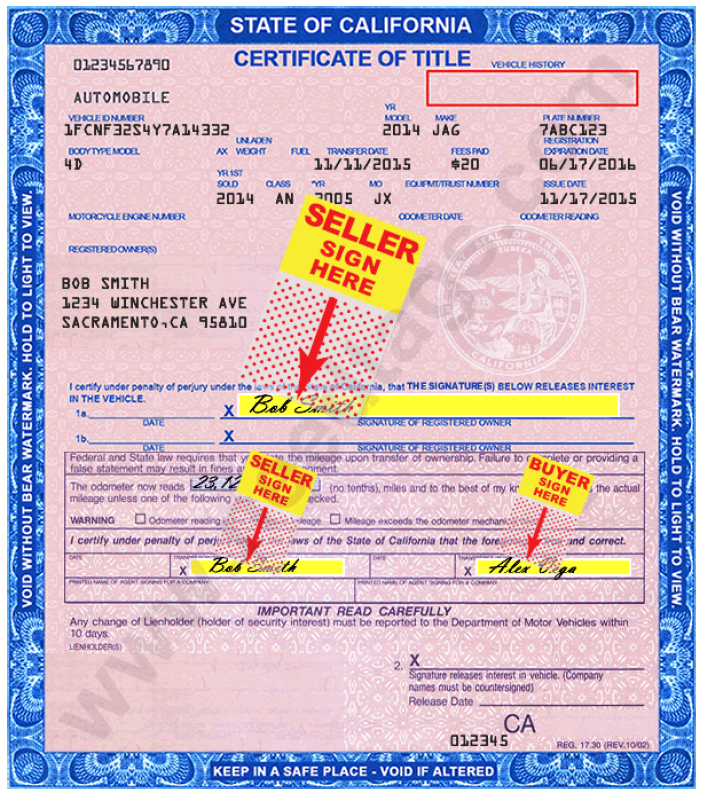
This is the most frequent reason for a title transfer. The seller endorses the existing Certificate of Title to relinquish ownership. The buyer then applies for a new title in their name, adhering to strict DMV reporting timelines to ensure legal protection for both parties.
Gifting or Inheriting a Vehicle
Gifting a vehicle mirrors a sale, but without monetary exchange; specific DMV reporting procedures allow a “gift” designation for tax purposes. Inherited vehicles require a process dependent on estate specifics, potentially needing a death certificate, letters of administration, or an affidavit for transfer without probate per DMV guidelines.
Modifying Ownership (Adding or Removing an Owner)
Adjusting ownership stakes, such as adding a spouse or removing an individual from the title (e.g., after a divorce), also necessitates a formal title transfer through the DMV to reflect accurate legal ownership.
Step-by-Step Guide for Buyers and Sellers in California
Navigating the California DMV title transfer is straightforward when distinct responsibilities for both buyer and seller are understood.
Seller’s Imperatives
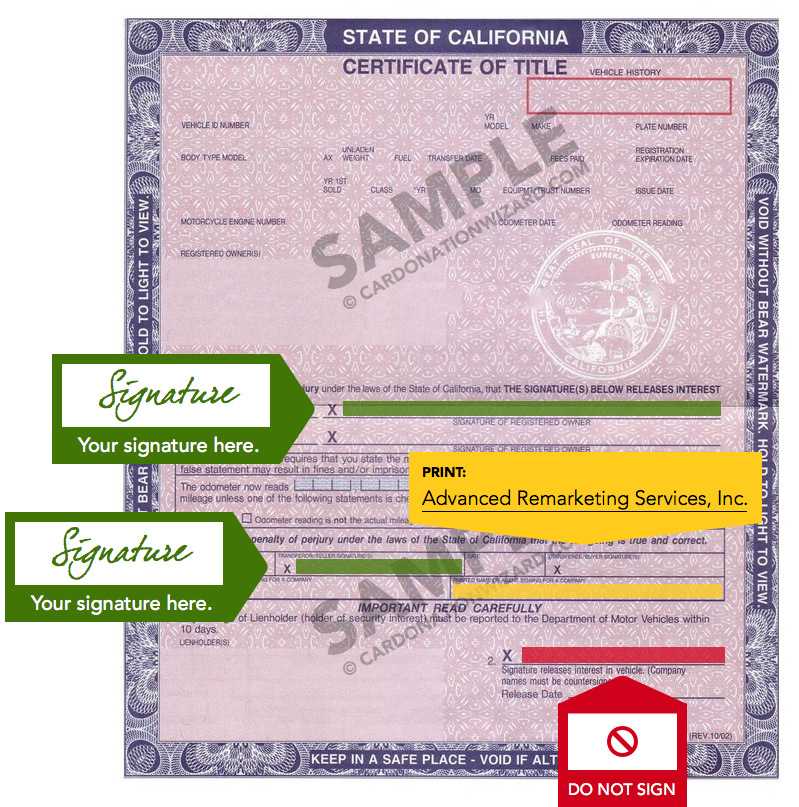
- Locate and Endorse the Certificate of Title: This original “pink slip” must be legible and accurately reflect current ownership. The seller must sign and print their name(s) exactly as they appear on the title. If the title is lost or damaged, a duplicate (Application for Title or Registration, Form REG 227) must be obtained first.
- Provide Smog Inspection Certification: Most vehicles require a valid Smog Inspection Certification issued within 90 days prior to sale, which the seller is typically responsible for providing. Exemptions apply for certain vehicle types (e.g., electric vehicles, diesel-powered vehicles manufactured before 1998).
- Complete a Bill of Sale (Form REG 135): While not always mandatory for basic transfers, a Bill of Sale is highly recommended. It details the transaction, including sale date, purchase price, and vehicle information, serving as a vital record for both parties.
- Submit Notice of Transfer and Release of Liability (Form REG 138): This is CRUCIAL for the seller. Within five days of the sale, gift, or transfer, this form MUST be submitted to the DMV. It electronically notifies the DMV that you are no longer the owner and absolves you of future liability for tickets, tolls, or accidents. This can be done online, by mail, or in person.
- Remove License Plates (if applicable): Generally, California license plates remain with the vehicle, unless they are personalized or otherwise agreed upon.
Buyer’s Responsibilities
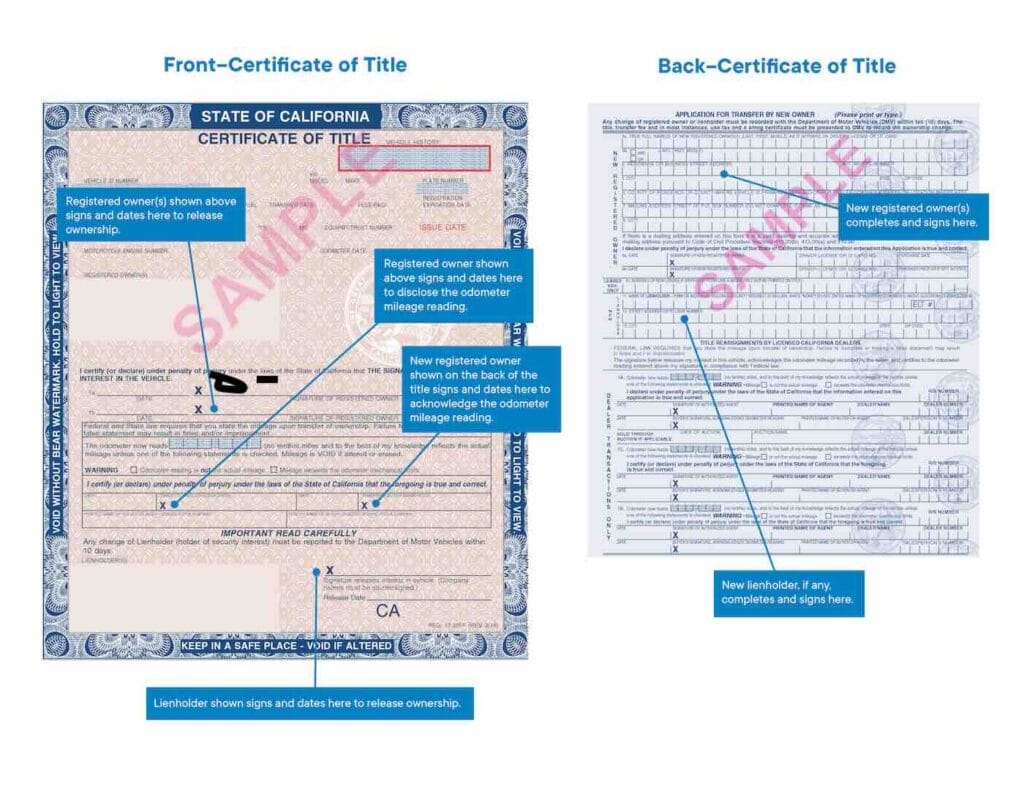
- Obtain Documents from Seller: Secure the correctly signed Certificate of Title, the valid Smog Inspection Certification (if applicable), and the Bill of Sale. Verify all vehicle information and the odometer reading.
- Complete New Owner Information on Title: Fill in your name(s) and address on the title, and ensure the odometer reading at the time of sale is accurately recorded.
- Complete an Application for Title or Registration (Form REG 227): This form is essential for officially applying for the new title and registration in your name.
- Obtain Vehicle Insurance: Prior to operating the vehicle, you must secure liability insurance. Proof of insurance is mandatory for DMV registration completion.
- Submit Documents and Fees to the DMV: Within 10 days of the purchase date, submit all required documents and pay applicable fees to the DMV. This includes the signed title, Application for Title or Registration, Smog Inspection Certification, and proof of insurance. Fees encompass a transfer fee, vehicle license fee, registration fee, and sales tax (if applicable). Submission options include in-person at a DMV office (appointments highly recommended), by mail, or through authorized third-party vendors for a convenience fee.
Essential Documents, Fees, and Timelines for a Smooth Transfer
An efficient title transfer requires a clear understanding of required documentation, associated costs, and critical deadlines.
Key Documents Checklist
- Certificate of Title: Original document, signed by seller(s).
- Smog Inspection Certification: Valid for 90 days prior to sale (seller’s responsibility).
- Application for Title or Registration (Form REG 227): Completed by the buyer.
- Bill of Sale (Form REG 135): Recommended for detailing transaction specifics.
- Notice of Transfer and Release of Liability (Form REG 138): Submitted by the seller.
- Odometer Disclosure Statement: Typically integrated into the title certificate for vehicles newer than 10 years.
- Proof of Insurance: Required for the buyer to register the vehicle.
- Specific Inheritance/Power of Attorney Documents: If applicable to the transfer scenario.
Understanding Costs and Deadlines
The cost for transferring a car title in California typically includes:
- Transfer Fee: A standard processing fee charged by the DMV.
- Vehicle License Fee: An annual fee based on the vehicle’s value.
- Registration Fee: An annual fee for the privilege of operating the vehicle.
- Sales Tax: Buyers are responsible for paying sales tax on the purchase price, usually collected by the DMV.
- Late Fees: Applied if the buyer fails to submit the required documents and fees within 10 days of the sale.
- Service Fees: Additional fees if you opt to use a third-party DMV service provider.
Crucial deadlines: Sellers must submit the Notice of Transfer and Release of Liability (Form REG 138) within five days of sale. Buyers must submit all transfer documents and fees within 10 days of purchase. Adherence to these timelines avoids significant penalties. Always verify current fees on the official California DMV website.
Mitigating Common Issues
Proactive steps can prevent delays and complications:
- Verify Accuracy: Double-check all forms for completeness, legibility, and correct information.
- Address Liens: Ensure any outstanding liens on the title are officially released by the lienholder before attempting transfer.
- Communicate Clearly: Maintain open communication between buyer and seller regarding responsibilities and progress.
- Keep Records: Make and retain copies of all submitted documents (e.g., signed title, Bill of Sale) for your personal files.
- Schedule Appointments: If visiting a DMV office, always schedule an appointment in advance to minimize wait times.
Successfully transferring a car title in California is an integral aspect of vehicle ownership and a cornerstone of responsible asset management. By meticulously following these guidelines, you can ensure a smooth, compliant transition, protecting your interests and contributing to the efficient regulation of vehicle records within the state.
LifeOutOfTheBox is a participant in the Amazon Services LLC Associates Program, an affiliate advertising program designed to provide a means for sites to earn advertising fees by advertising and linking to Amazon.com. Amazon, the Amazon logo, AmazonSupply, and the AmazonSupply logo are trademarks of Amazon.com, Inc. or its affiliates. As an Amazon Associate we earn affiliate commissions from qualifying purchases.