
Understanding the intricacies of airline loyalty programs can significantly enhance your travel experiences, allowing you to unlock premium cabins, explore exotic destinations, or simply save on airfare. Alaska Airlines‘ Mileage Plan is renowned for its valuable miles and unique partner network, making it a favorite among savvy travelers. While the concept of “transferring miles” might seem straightforward, it encompasses several distinct actions within the Alaska Airlines ecosystem: transferring miles to another individual’s Mileage Plan account, and transferring points from other loyalty programs into your Mileage Plan account. This guide will meticulously outline these processes, provide strategies for optimization, and highlight essential considerations for maximizing the value of your Alaska Airlines miles.
Understanding Alaska Airlines Mileage Plan
The Alaska Airlines Mileage Plan consistently ranks as one of the most rewarding airline loyalty programs due to its generous earning rates, valuable redemption options, and an impressive roster of airline partners. Unlike many large alliances, Alaska Airlines historically operated with a unique individual partner strategy, offering distinct redemption charts and often allowing stopovers on one-way international awards. While they have recently joined the Oneworld alliance, their individual partnerships continue to offer exceptional value.
The Value of Alaska Miles
Alaska Airlines miles are widely regarded as some of the most valuable in the industry, often yielding 1.5 to 2 cents per mile or more, especially when redeemed for international business or first-class travel on their premium partners. The program avoids dynamic pricing for partner awards, meaning that while availability can be competitive, the fixed award chart ensures a predictable and often outstanding value proposition when seats are available. This strong value proposition makes careful management and strategic transfer of these miles particularly worthwhile.
Key Partnerships
The strength of Mileage Plan lies in its diverse set of airline partners. Beyond the Oneworld alliance members such as American Airlines, British Airways, Cathay Pacific, Finnair, Japan Airlines, Qantas, Qatar Airways, Royal Air Maroc, and Royal Jordanian, Alaska Airlines maintains valuable relationships with non-alliance carriers like Emirates, Fiji Airways, Icelandair, Korean Air, LATAM Airlines, Malaysia Airlines, Singapore Airlines, SriLankan Airlines, TAP Air Portugal, and Aer Lingus. This extensive network significantly broadens the scope of destinations reachable through mile redemptions, making it essential to understand how to consolidate or acquire miles strategically.
Direct vs. Indirect Mile Transfers
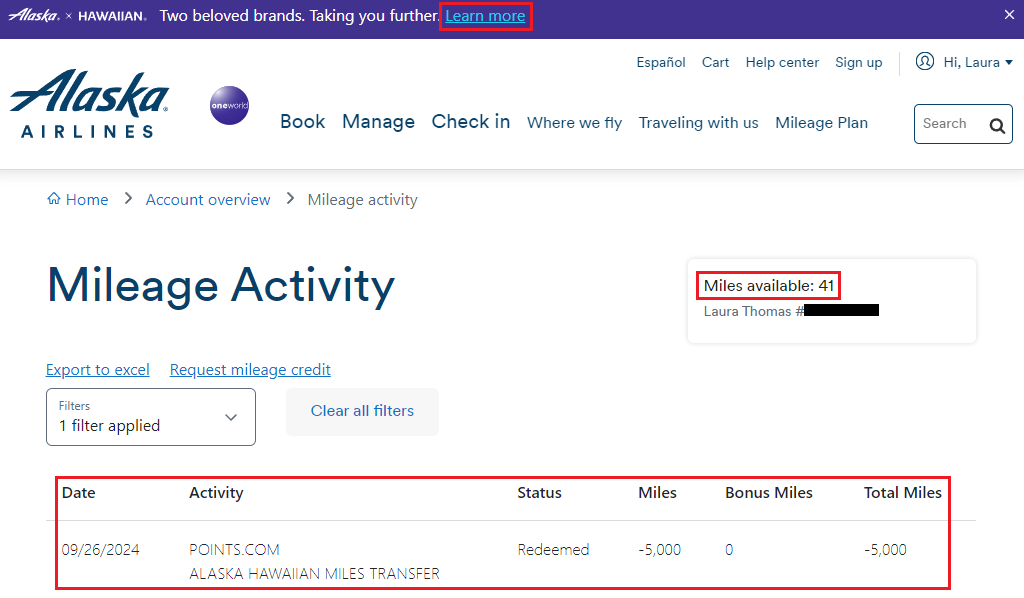
When discussing “transferring miles” with Alaska Airlines, it’s important to differentiate between transferring miles directly between Mileage Plan accounts and converting points from other loyalty programs into Alaska Airlines miles. Alaska Airlines does not generally allow you to transfer miles out of your Mileage Plan account to another airline’s loyalty program, unlike some flexible point currencies.
Transferring Miles to Another Member
Alaska Airlines does permit members to transfer miles to another individual’s Mileage Plan account. This can be a useful option for consolidating miles with a travel companion for a specific award redemption or for gifting miles.
To transfer miles:
- Access Your Account: Log into your Mileage Plan account on the Alaska Airlines website.
- Navigate to Transfer Miles: Look for the option to “Share Miles” or “Transfer Miles” within the “Buy/Gift/Share Miles” section.
- Enter Recipient Information: You will need the recipient’s name, their Mileage Plan number, and an email address.
- Specify Amount: Indicate the number of miles you wish to transfer. There’s typically a minimum transfer amount (e.g., 1,000 miles) and a maximum per transaction or year.
- Review Fees: It’s critical to note that Alaska Airlines charges a fee for transferring miles. This fee is generally structured per 1,000 miles transferred, plus a transaction fee. For instance, you might see a cost of $10 per 1,000 miles, plus a $25 processing fee per transaction. These fees can quickly diminish the value of your miles, so always calculate the cost versus the value of the redemption you’re pursuing.
- Complete Transaction: Confirm the details and complete the payment. The miles usually post to the recipient’s account immediately or within a few hours.
Given the fees, transferring miles directly to another member should be a last resort or reserved for situations where a small top-up is needed for a high-value redemption that would otherwise be out of reach. Often, it’s more cost-effective for one person to book the award ticket directly from their account for another individual, if their miles are sufficient.
Converting Points from Other Programs
While you can’t typically transfer miles out of Mileage Plan to other airlines, you can transfer points into Mileage Plan from select hotel loyalty programs. The most prominent partner for this is Marriott Bonvoy.
To convert Marriott Bonvoy points to Alaska Airlines miles:
- Access Your Marriott Bonvoy Account: Log into your account on the Marriott Bonvoy website.
- Navigate to Transfer Points: Find the option to transfer points to airline partners.
- Select Alaska Airlines Mileage Plan: Choose Alaska Airlines from the list of available airlines.
- Enter Information: Provide your Alaska Airlines Mileage Plan number. Ensure your names match on both accounts to avoid delays.
- Specify Amount: Enter the number of Marriott Bonvoy points you wish to transfer. The transfer ratio is generally 3 Marriott Bonvoy points to 1 Alaska Airlines mile.
- Bonus for Bulk Transfers: Marriott Bonvoy offers a bonus when you transfer points in increments of 60,000. For every 60,000 Marriott Bonvoy points transferred, you receive an additional 5,000 miles from Marriott Bonvoy, meaning 60,000 Marriott Bonvoy points effectively become 25,000 Alaska Airlines miles (20,000 + 5,000 bonus). This makes transferring in 60,000-point chunks the most efficient method.
- Initiate Transfer: Confirm the transfer. These transfers are typically not instant and can take several business days, so plan accordingly.
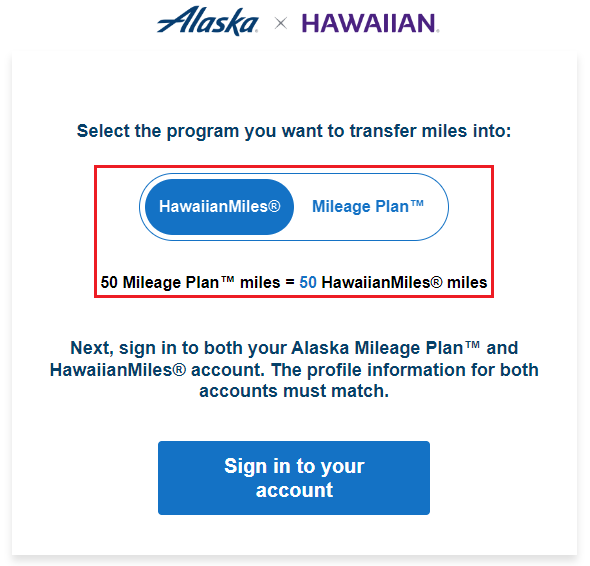
It’s important to note that major transferable points programs like Chase Ultimate Rewards, American Express Membership Rewards, and Citi ThankYou Points do not have Alaska Airlines as a direct transfer partner. This makes Marriott Bonvoy the primary avenue for point conversions from a non-airline program.
Strategies for Maximizing Your Mile Transfers
Strategic planning is essential to ensure that any mile transfer or conversion delivers maximum value for your travel goals.
Identifying Transfer Partners
While Marriott Bonvoy is the main hotel partner, always stay updated on potential limited-time promotions or new partnerships. Periodically, credit card companies or other loyalty programs might offer indirect ways to accrue Alaska Airlines miles. For direct mile transfers between individuals, assess if the cost of the transfer fee is less than the value of the redemption you’re trying to secure. For example, if transferring 10,000 miles costs $125 but enables a business class ticket worth $3,000, it’s likely a worthwhile expense. However, if it enables an economy ticket worth $200, it’s almost certainly not.
Timing Your Transfers
Transfers from Marriott Bonvoy can take several days to process. This delay is critical when trying to book a popular award ticket with limited availability. Always initiate your transfer well in advance if you have a specific redemption in mind. For direct mile transfers between individuals, the process is usually quicker, but it’s still prudent to allow some buffer time. Confirm award availability with Alaska Airlines or their partner airlines before initiating any non-refundable transfers.
Potential Pitfalls and Best Practices
Navigating mile transfers requires attention to detail to avoid unnecessary costs or missed opportunities.
Fees and Limitations
Be acutely aware of the fees associated with transferring miles to another person. Alaska Airlines’ transfer fees are some of the higher ones in the industry. Always perform a cost-benefit analysis: calculate the cash equivalent of the miles you are transferring and compare it against the fee. In many cases, it might be more economical to purchase the required miles directly during a buy miles promotion, especially if you only need a small quantity to top off an account, or simply book the ticket for the other person from your own account if your miles are sufficient. There are also annual limits on how many miles you can transfer or receive. Check the most current terms and conditions on the Alaska Airlines website.
Security and Account Management
Ensure that the name and Mileage Plan number of the recipient are correct before confirming any transfer. Incorrect information can lead to delays or irreversible errors. Keep your Mileage Plan account secure with a strong password and two-factor authentication. Regularly review your account activity to spot any unauthorized transfers or changes.
Beyond Transfers: Earning and Redeeming Alaska Miles
While transferring miles is a specific facet of managing your Mileage Plan account, it exists within a broader strategy of earning and redeeming.
Everyday Earning Opportunities
Beyond flying Alaska Airlines or its partners, you can earn miles through various channels. The Alaska Airlines Visa Signature credit card from Bank of America is a popular option for earning miles on everyday spending and comes with an annual companion fare. Mileage Plan also partners with dining programs, shopping portals, car rental agencies, and cruise lines. Actively engaging with these earning opportunities can reduce your reliance on mile transfers.

Smart Redemption Strategies
The true power of Alaska Airlines miles is unleashed through smart redemptions. High-value redemptions often involve business or first-class travel on premium partners like Japan Airlines, Cathay Pacific, or Qatar Airways. Pay close attention to partner award charts and seek out routes that offer excellent value. Remember the unique benefit of a free stopover on one-way international awards, which can effectively turn a single award into a multi-destination trip, significantly boosting the value of your miles. Always compare the cash price of a ticket against the miles required for an award redemption to determine if it’s a good use of your hard-earned miles. Flexibility with travel dates and destinations is key to finding the best award availability.
LifeOutOfTheBox is a participant in the Amazon Services LLC Associates Program, an affiliate advertising program designed to provide a means for sites to earn advertising fees by advertising and linking to Amazon.com. Amazon, the Amazon logo, AmazonSupply, and the AmazonSupply logo are trademarks of Amazon.com, Inc. or its affiliates. As an Amazon Associate we earn affiliate commissions from qualifying purchases.