
For many outdoor enthusiasts, the allure of Texas is deeply intertwined with its vast landscapes and the opportunities for adventure they present. From the rugged hills of the Texas Hill Country to the sprawling plains of West Texas, the state offers a diverse range of environments for exploration. Among the most sought-after activities for visitors is hunting, and a particular quarry frequently draws attention: the wild hog. Their adaptability and widespread presence make them a common target, but navigating the regulations surrounding their pursuit is crucial for a lawful and enjoyable experience. Understanding the specific requirements, such as whether a hunting license is necessary, is the first step for any aspiring hog hunter in the Lone Star State.
Understanding Wild Hogs in Texas
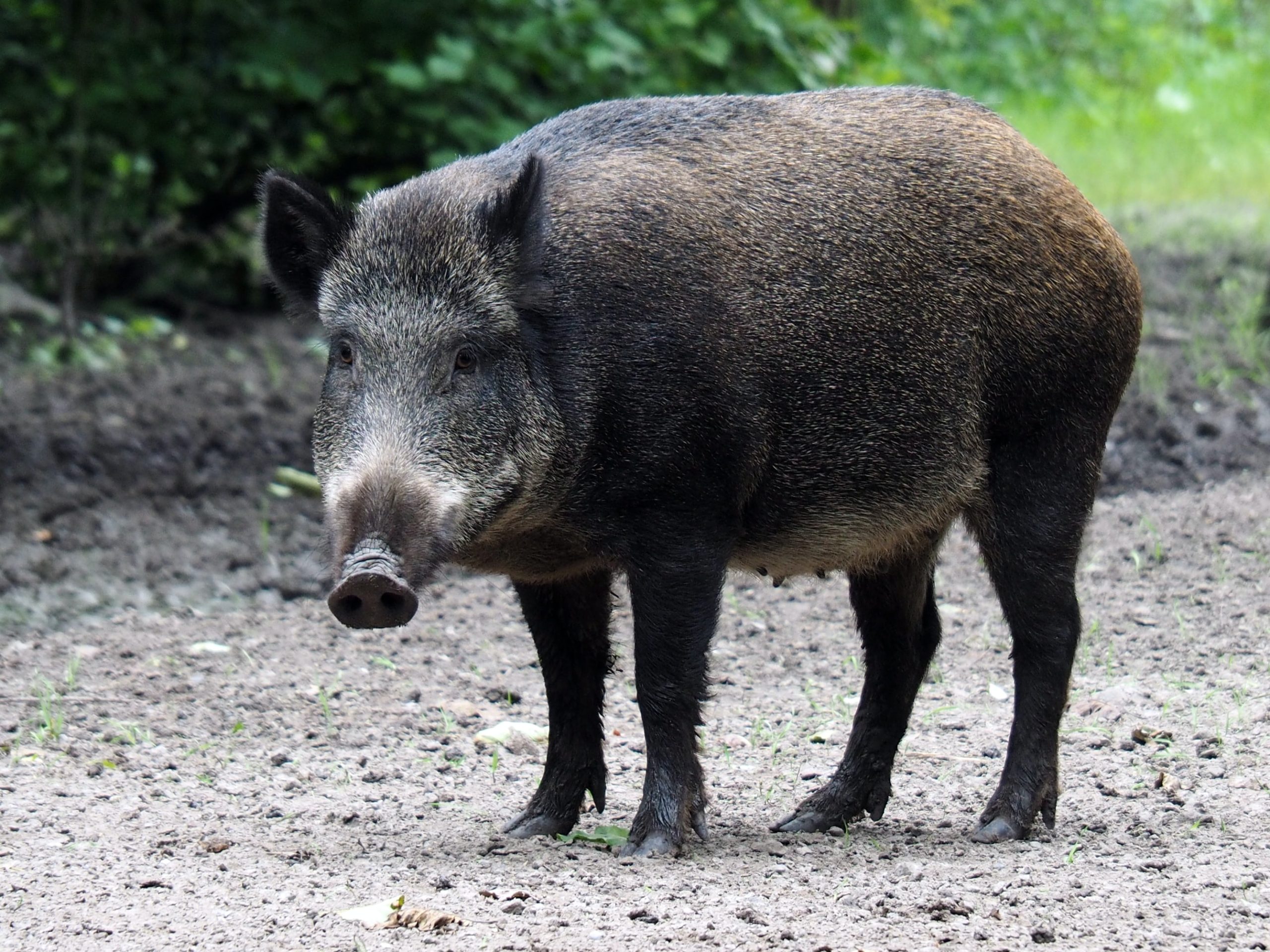
Wild hogs, also known as feral hogs, are a significant presence across Texas. They are not native to the state but were introduced centuries ago, initially for sport hunting by European colonists. Over time, escaped or released domestic pigs interbred with native wild boars, leading to the robust and widespread population seen today. These animals are highly adaptable, thriving in various habitats from dense forests and coastal marshes to agricultural lands and suburban fringes. Their prolific breeding habits contribute to their significant numbers, and they are often considered a nuisance species due to their destructive feeding behaviors. They can cause substantial damage to crops, pastures, and natural ecosystems by rooting up vegetation, spreading diseases, and competing with native wildlife for food resources. This impact is a primary reason why Texas Parks and Wildlife Department (TPWD) regulations, while aiming to manage populations, also focus on ensuring responsible hunting practices.
The Ecological and Economic Impact
The presence of wild hogs in Texas carries considerable ecological and economic weight. Ecologically, their constant rooting can decimate native plant communities, disrupt soil structure, and negatively affect sensitive habitats, impacting ground-nesting birds and other wildlife. Economically, the damage they inflict on agricultural operations can be substantial, leading to significant losses for farmers and ranchers. Estimates of the economic damage caused by feral hogs in Texas run into the millions of dollars annually, encompassing crop destruction, damage to property, and costs associated with control efforts. This dual impact underscores why managing their populations through regulated means, including hunting, is a priority for the state.
Identifying Wild Hogs
Wild hogs in Texas exhibit a range of physical characteristics, often a blend of European wild boar and domestic pig genetics. They typically have a stout build, short legs, and a wedge-shaped head. Their coloration can vary widely, from dark brown, black, or gray to reddish-brown, often with a bristly coat. Some may have dark stripes, particularly when young. Their tusks, or canine teeth, are a distinctive feature, growing continuously and becoming more prominent with age, especially in mature males. These tusks are a clear indicator of their wild nature and can be a dangerous aspect to be aware of during any hunting expedition. Distinguishing them from domestic pigs is generally straightforward due to their wild appearance and behavior.
Navigating Texas Hunting Regulations for Hogs
The question of whether a hunting license is required for wild hogs in Texas is a frequent point of inquiry for both resident and non-resident hunters. The regulations surrounding wild hog hunting are designed to manage their populations effectively while ensuring public safety and responsible resource utilization. It’s crucial to understand that Texas generally treats feral hogs differently from native game animals, offering more flexibility in how and when they can be hunted. However, this flexibility does not eliminate all regulations, and knowing the specifics is paramount to avoid citations and ensure an ethical hunting experience.
The Crucial Distinction: License Requirements
Generally speaking, Texas law allows for the take of feral hogs year-round, on private property, without the need for a hunting license. This is a significant departure from regulations governing most other game species, reflecting the state’s approach to managing what is considered a nuisance animal. This year-round, license-free provision primarily applies to private land where landowners have given explicit permission for hunting. The intention behind this policy is to empower landowners and hunters to control hog populations without the bureaucratic hurdles often associated with hunting licenses for native game. However, this exemption comes with important caveats that must be understood to remain compliant.
When a Hunting License IS Required
While the general rule exempts feral hog hunting from license requirements on private land, there are specific circumstances under which a hunting license becomes mandatory. The most significant of these is when hunting on public lands. Public lands in Texas, such as those managed by the Texas Parks and Wildlife Department (TPWD), are subject to more stringent regulations. If you are hunting feral hogs on any Texas state park, wildlife management area (WMA), or other public hunting land, you will almost certainly need the appropriate Texas hunting license. This typically includes a general hunting license, and potentially additional stamps or permits depending on the specific area and the season. Furthermore, if you are hunting other game animals concurrently with feral hogs on public land, you will need the relevant hunting licenses for those species as well. It is always best practice to consult the official regulations and maps for the specific public land you intend to hunt.
Landowner Permissions and Local Ordinances

Beyond state-level regulations, understanding landowner permissions and any local ordinances is vital. For private land hunting, obtaining explicit permission from the landowner is non-negotiable. Even without a license, trespassing is a serious offense. Landowners may also have their own rules regarding hunting methods, shooting hours, or specific areas where hunting is permitted or prohibited on their property. Some counties or municipalities might also have local ordinances that impact hunting activities, particularly concerning the discharge of firearms in populated areas or specific time restrictions. While these are less common for feral hog hunting on rural private lands, it’s prudent to be aware of them, especially if hunting near residential areas. Always engage in open communication with the landowner to ensure you are both on the same page regarding the terms of the hunt.
Essential Gear and Ethical Hunting Practices
Successfully and responsibly hunting feral hogs in Texas involves more than just understanding the licensing requirements. Equipping yourself with the right gear and adhering to strict ethical hunting practices are fundamental to ensuring safety, effectiveness, and respect for the game and the environment. Whether you are a seasoned hunter or embarking on your first hog hunt, preparation is key.
Recommended Hunting Gear
The choice of firearm for hog hunting can vary, but common options include rifles chambered in calibers suitable for medium-to-large game, such as .308 Winchester, .270 Winchester, or .30-06 Springfield. Shotguns with appropriate slugs can also be effective at closer ranges. For those who prefer archery, a powerful compound bow or crossbow is necessary. Beyond firearms, essential gear includes binoculars for spotting, a reliable knife for field dressing, appropriate camouflage clothing to blend with the environment, sturdy footwear for navigating varied terrain, and a reliable GPS device or map and compass for navigation, especially on vast ranches or public lands. Ammunition should be carefully selected for ethical kills, and carrying extra magazines or arrows is always advisable. Additionally, a well-stocked first-aid kit is a non-negotiable safety item. For those hunting at night or in low-light conditions, night vision or thermal optics are increasingly popular and effective tools, but their use may be subject to specific regulations in certain areas, particularly on public lands. Always check TPWD regulations regarding night vision equipment.
Ethical Considerations and Safety
Ethical hunting goes beyond simply taking a shot. It encompasses a deep respect for the animal, the land, and fellow hunters. This means making clean, ethical shots to minimize suffering. Hunters should be proficient with their chosen firearm and practice marksmanship regularly. Understanding the anatomy of a hog to make effective vital shots is crucial. Furthermore, responsible hunters practice “leave no trace” principles, packing out all trash and spent shell casings. Proper field dressing and meat care are also important; if the meat is intended for consumption, it must be handled hygienically. Safety is paramount. Always treat every firearm as if it were loaded. Be aware of your surroundings, including other hunters, livestock, and the terrain, especially when moving through dense brush or uneven ground. If hunting with a group, clear communication about shooting lanes and target identification is essential. Finally, always ensure you are aware of and adhere to all Texas hunting laws and regulations to maintain the integrity of the sport.
Popular Hog Hunting Destinations in Texas
Texas boasts a multitude of locations where feral hog hunting opportunities abound, catering to a wide range of preferences and budgets. From expansive private ranches offering guided excursions to public lands managed for hunting, the options are as diverse as the Texas landscape itself. Understanding these different types of destinations can help a hunter choose the experience that best suits their needs.
Private Ranches and Outfitters
Many landowners in Texas lease their land for hunting or partner with professional outfitters to manage hog populations and offer hunting experiences to the public. These private ranches, particularly in regions like the Texas Hill Country, the Piney Woods of East Texas, and the South Texas brush country, often provide a more controlled and comfortable hunting environment. Outfitters typically handle all aspects of the hunt, including lodging, meals, guides, and often the necessary equipment. This can be an ideal option for individuals or groups who prefer a guided experience, want to minimize their logistical planning, or are seeking specific hunting conditions such as rifle or bow hunting over food plots or along trails. Prices can vary significantly based on the duration of the hunt, the amenities offered, and the exclusivity of the ranch. Researching reputable outfitters and reading reviews is crucial before booking.
Public Hunting Lands
For hunters seeking more budget-friendly options or a more self-directed experience, Texas public lands offer a viable alternative. The Texas Parks and Wildlife Department manages numerous Wildlife Management Areas (WMAs), state parks with designated hunting areas, and other public hunting lands across the state. These areas often provide opportunities for hog hunting during specific seasons, usually alongside hunting for other game species. It is essential to note that hunting on public lands typically requires a hunting license and often additional permits or registrations, such as a Annual Public Hunting (APH) Permit. These areas can attract a higher volume of hunters, so scouting and arriving early are often keys to success. Detailed maps and regulations for each specific public hunting unit are available on the TPWD website and are indispensable resources for planning a public land hunt. While these areas may require more self-sufficiency and planning, they offer excellent opportunities to experience Texas‘s wilder side.
Diverse Texas Landscapes for Hunting
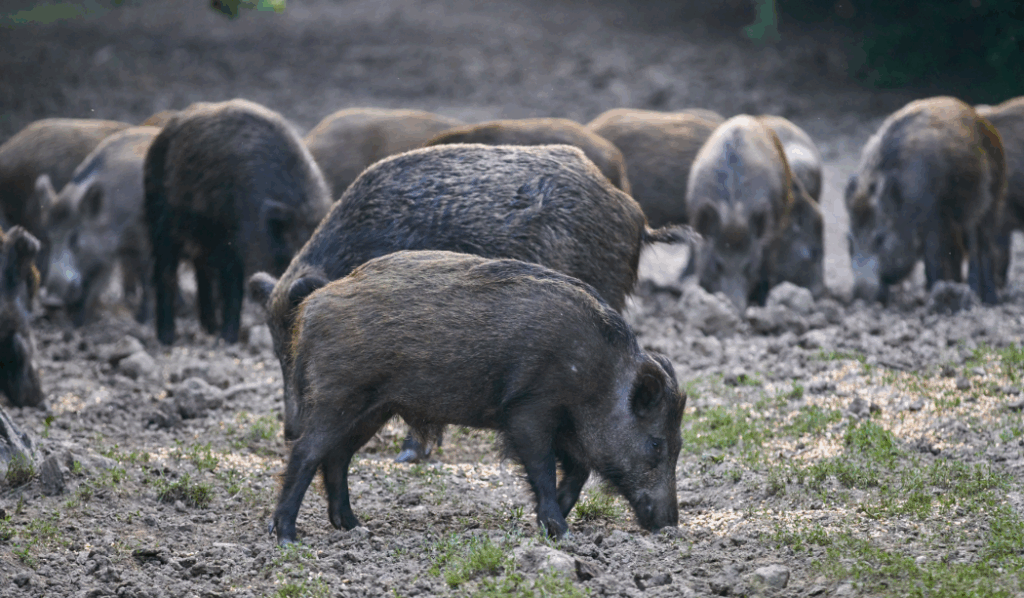
The sheer diversity of Texas landscapes directly influences the type of hog hunting experience available. In the rolling hills and oak-dotted terrain of the Texas Hill Country, hogs are often pursued using a combination of stalking, sitting over feeders, or actively driving them from dense cover. East Texas, with its dense pine and hardwood forests, offers excellent opportunities for spot-and-stalk hunting or ambushing them near water sources and game trails. South Texas, known for its thick brush and mesquite flats, presents a challenging yet rewarding environment where hogs can be elusive and require patient observation. Coastal areas and river bottoms also provide prime hog habitat. Each region presents unique challenges and rewards, encouraging hunters to adapt their strategies and gear to the specific environment they choose to explore.
LifeOutOfTheBox is a participant in the Amazon Services LLC Associates Program, an affiliate advertising program designed to provide a means for sites to earn advertising fees by advertising and linking to Amazon.com. Amazon, the Amazon logo, AmazonSupply, and the AmazonSupply logo are trademarks of Amazon.com, Inc. or its affiliates. As an Amazon Associate we earn affiliate commissions from qualifying purchases.