
Understanding the climate of a destination is paramount when planning a trip, and for the vibrant island of Puerto Rico, this is no exception. The “Island of Enchantment” boasts a tropical maritime climate, characterized by warm temperatures year-round, refreshing trade winds, and distinct wet and dry seasons. This consistent warmth makes it an appealing destination at almost any time of year, but a closer look at the nuances of its weather patterns can help travelers optimize their visit for comfort and enjoyment.
Understanding Puerto Rico’s Tropical Climate
Puerto Rico’s weather is largely dictated by its geographical location in the Caribbean Sea, south of the Tropic of Cancer. This positioning ensures that the sun’s rays are direct throughout the year, leading to consistently high temperatures. The surrounding ocean also plays a crucial role, moderating the temperature extremes and contributing to the island’s humidity.
Average Temperatures Throughout the Year
The average daily temperature in Puerto Rico hovers around a pleasant 80°F (27°C). However, there’s a slight variation between the seasons.
Warmer Months: June to October
These months represent the summer and early autumn period, often referred to as the “wet season” or “hurricane season.” During this time, temperatures tend to be at their highest, with average highs reaching into the upper 80s°F (around 31°C) and average lows in the mid-70s°F (around 24°C). The humidity also tends to be higher, which can make the heat feel more intense. This period is also more susceptible to tropical storms and hurricanes, although direct hits are not a daily occurrence and are often unpredictable.
Cooler Months: December to April
While still warm, the period from December to April is generally considered the “dry season” and the most popular time for tourists. Average high temperatures are a touch cooler, typically in the low to mid-80s°F (around 28°C), with lows settling in the mid-70s°F (around 24°C). The trade winds from the northeast are often more prominent during these months, providing a welcome cooling breeze, especially along the coastlines. The lower humidity and less frequent rainfall contribute to a more comfortable experience for many visitors.
Regional Temperature Variations
While Puerto Rico is a relatively small island, there are subtle temperature variations depending on the region.
Coastal Areas
The coastal regions, including popular tourist hubs like San Juan, Ponce, and Rincón, generally experience the most consistent temperatures. The proximity to the ocean moderates extremes, and the cooling trade winds are most noticeable here. Temperatures are typically within the ranges described above.
Inland and Mountainous Regions
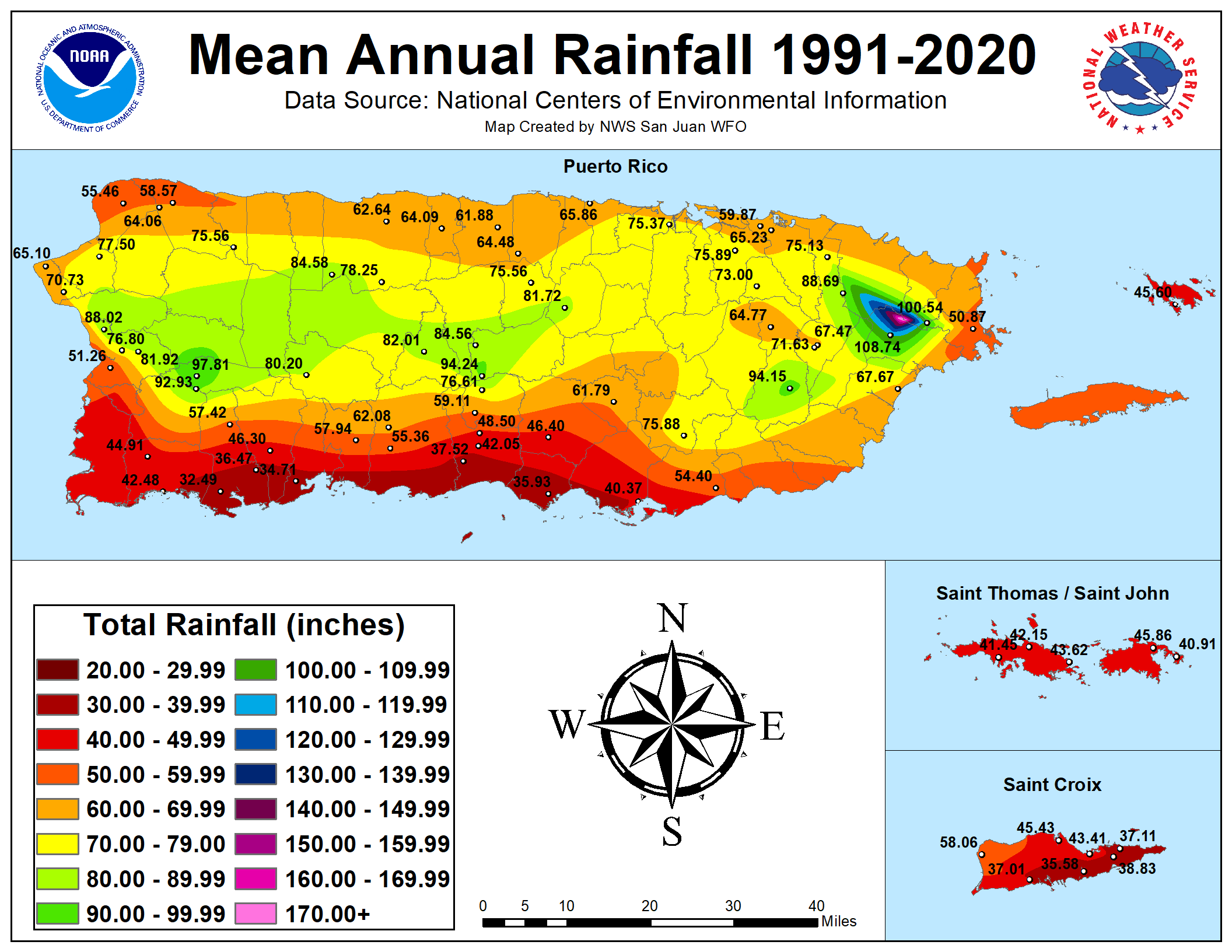
As you move inland and ascend into the mountainous interior, such as the El Yunque National Forest, temperatures tend to be slightly cooler. The elevation provides a natural buffer against the heat, and rainfall is also generally higher in these areas. Daytime temperatures might be a few degrees lower, and evenings can feel noticeably cooler, especially at higher altitudes. This makes the mountains a refreshing escape from the coastal heat.
The Impact of Humidity and Precipitation
While temperature is a primary concern for travelers, humidity and precipitation patterns are equally important for understanding Puerto Rico’s climate.

Humidity Levels
Puerto Rico is a tropical destination, and as such, humidity is a constant factor. During the warmer months (June-October), humidity can be quite high, often ranging from 70% to 85% or more. This can make the perceived temperature feel warmer than the actual thermometer reading. During the drier months (December-April), humidity tends to be slightly lower, contributing to the more comfortable conditions. Even with higher humidity, the omnipresent trade winds often provide a refreshing element, mitigating some of the discomfort.
Rainfall Patterns: Wet vs. Dry Seasons
Puerto Rico experiences two main seasons: the dry season and the wet season.
The Dry Season (December to April)
This is the most popular time to visit, characterized by less rainfall and more sunshine. While “dry” is a relative term in a tropical climate, expect scattered showers that are usually brief and localized. These showers often occur in the afternoon and can be a welcome, cooling respite from the sun. The northern and eastern parts of the island tend to receive more rainfall than the southern and western coasts.
The Wet Season (May to November)
This period, often coinciding with warmer temperatures and hurricane season, sees more frequent and sometimes heavier rainfall. Showers can be more prolonged, and there’s a higher chance of overcast skies. However, it’s important to note that even during the wet season, it rarely rains all day, every day. Often, it will rain heavily for an hour or two and then clear up, allowing for plenty of sunshine in between. This season also offers fewer crowds and potentially lower prices for accommodations and flights.
Planning Your Trip Based on Temperature and Weather
Knowing the typical temperatures and weather patterns can significantly enhance your travel experience in Puerto Rico.
Choosing the Best Time to Visit
- For guaranteed sunshine and lower humidity: The dry season, from December to April, is ideal. This period is perfect for beach activities, exploring the historic streets of Old San Juan, and enjoying outdoor adventures without the concern of frequent downpours.
- For lower prices and fewer crowds: The shoulder months of April and May, or the early part of the wet season (May-June), can offer a good balance. You might encounter more rain, but the benefits of fewer tourists and potentially better deals can outweigh this for some travelers.
- For lush landscapes and vibrant flora: The wet season, while bringing more rain, also means that the island’s natural beauty is at its most vibrant. El Yunque National Forest, in particular, is at its most verdant during this time.
Packing Essentials Based on the Season
Regardless of the season, light, breathable clothing is a must for Puerto Rico.
- Year-round: Swimwear, t-shirts, shorts, sundresses, light trousers or capris, sandals, and a wide-brimmed hat are essential. Don’t forget sunscreen with a high SPF, sunglasses, and insect repellent.
- During the dry season (December-April): You might want a light jacket or sweater for cooler evenings, especially if you plan to spend time in the mountains or in air-conditioned establishments. An umbrella or light raincoat is also advisable for those unexpected brief showers.
- During the wet season (May-November): A more substantial waterproof jacket or poncho is recommended. Quick-drying clothing can also be beneficial. Be prepared for the possibility of heavier rainfall, though most activities can still be enjoyed with flexibility.

Beyond the Numbers: Experiencing Puerto Rico’s Climate
While understanding average temperatures and rainfall is helpful, it’s also important to embrace the dynamic nature of a tropical climate. The heat in Puerto Rico is often accompanied by a vibrant energy, a palpable sense of life that draws visitors in. The refreshing ocean breezes, the dramatic, often swift-moving tropical showers that paint the sky with rainbows, and the way the humidity lends a certain lushness to the landscape are all part of the island’s charm.
Whether you’re seeking to bask in the sun on the shores of Flamenco Beach, explore the bioluminescent bays near Vieques, or hike through the misty trails of the [Carite Forest], the temperature in Puerto Rico is consistently conducive to an unforgettable adventure. By being aware of the general climate patterns and packing accordingly, you can ensure your “Island of Enchantment” experience is as comfortable and enjoyable as possible, allowing you to fully immerse yourself in its tropical allure.
LifeOutOfTheBox is a participant in the Amazon Services LLC Associates Program, an affiliate advertising program designed to provide a means for sites to earn advertising fees by advertising and linking to Amazon.com. Amazon, the Amazon logo, AmazonSupply, and the AmazonSupply logo are trademarks of Amazon.com, Inc. or its affiliates. As an Amazon Associate we earn affiliate commissions from qualifying purchases.