
Embarking on a new chapter in the Golden State, whether you’re relocating for work in Los Angeles, studying in Berkeley, or simply seeking the endless adventures that California offers, often involves acquiring a vehicle. A car in California isn’t just a mode of transport; it’s a key to unlocking scenic road trips along the Pacific Coast Highway, exploring vibrant cityscapes, or discovering serene natural wonders like Yosemite National Park. However, before you hit the open road, one crucial step for any new car owner or seller is understanding how to properly transfer a car title. This process, overseen by the California Department of Motor Vehicles (DMV), ensures legal ownership and compliance, saving you from potential headaches down the line. For those embracing a new lifestyle in California, navigating the complexities of vehicle registration and title transfer is an essential step towards truly experiencing all that this diverse state has to offer. This guide will walk you through everything you need to know, ensuring a smooth transition from paperwork to pavement.
Understanding the Importance of Vehicle Title Transfer in California
Transferring a vehicle title might seem like a bureaucratic hurdle, but it’s a fundamental aspect of car ownership that protects both buyers and sellers. In California, where freedom of movement is highly valued, securing legal ownership of your vehicle is paramount. Imagine planning a spontaneous trip to Lake Tahoe or a weekend getaway to San Diego only to find yourself entangled in legal issues due to an improperly transferred title. It’s not just about compliance; it’s about peace of mind, allowing you to focus on the joy of exploration rather than administrative worries.
Why Proper Title Transfer is Crucial for Your California Journey
A correctly executed title transfer is more than just a formality; it establishes clear legal ownership, affecting everything from liability to future resale value. For buyers, it verifies that the vehicle you’re purchasing is legitimate and free from undisclosed liens or previous ownership disputes. This is particularly vital when investing in a used car, a common choice for those looking to manage budget travel or family trips within the state. For sellers, promptly transferring the title ensures you are no longer responsible for the vehicle once it changes hands. This means avoiding liability for parking tickets, toll violations, or even accidents incurred by the new owner after the sale. The DMV records reflect who is legally accountable, making proper transfer an indispensable step.
Furthermore, correct title transfer impacts vehicle registration, which is tied to your ability to legally operate the car on California roads. Without proper registration, you risk fines and other legal repercussions. Moreover, insurance companies require proof of ownership to issue policies, an absolute necessity for anyone driving in the state. From a lifestyle perspective, having a legally owned and registered car gives you the freedom to explore California’s diverse landmarks and destinations, from the bustling streets of San Francisco to the serene landscapes of Big Sur, without any legal encumbrances. It’s an investment in your mobility and independence in this vast and beautiful state.
Key Documents and Steps for a Smooth Transfer
The process of transferring a car title in California involves specific documentation and a clear sequence of steps, whether you are the buyer or the seller. Being prepared with the right paperwork will significantly expedite your experience at the DMV or through their online services. Understanding these requirements beforehand will transform a potentially daunting task into a manageable one, allowing you more time to plan your next California adventure.
Seller’s Responsibilities: Paving the Way
As the seller, your responsibilities are crucial for a clean break from ownership and to prevent future liabilities. Completing these steps accurately and promptly is vital:
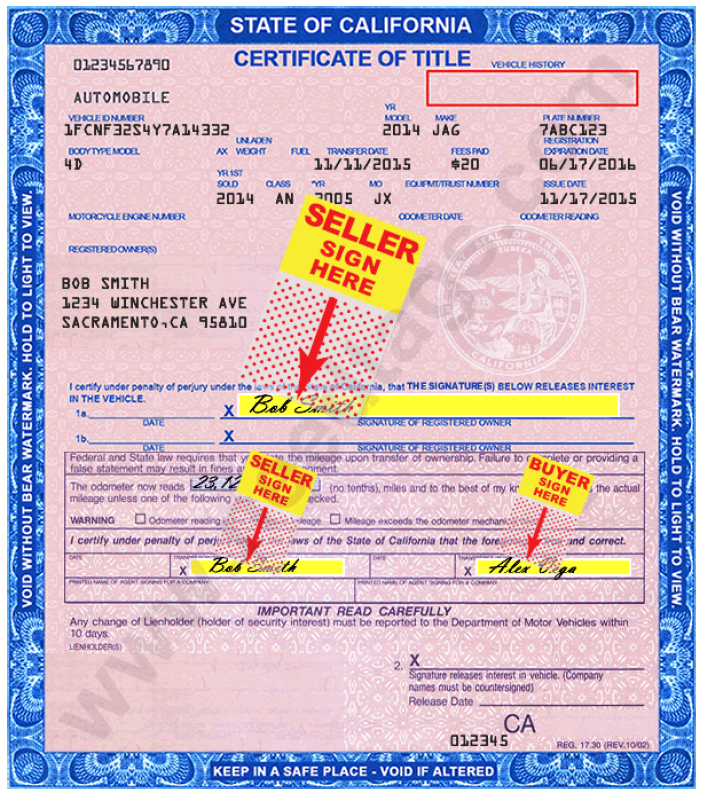
- Locate the California Certificate of Title: This is the pink slip (or electronic record) that proves your ownership. It contains vital information about the vehicle and the legal owner. If the title is lost, you’ll need to apply for a duplicate title (Form REG 227) before you can complete the sale.
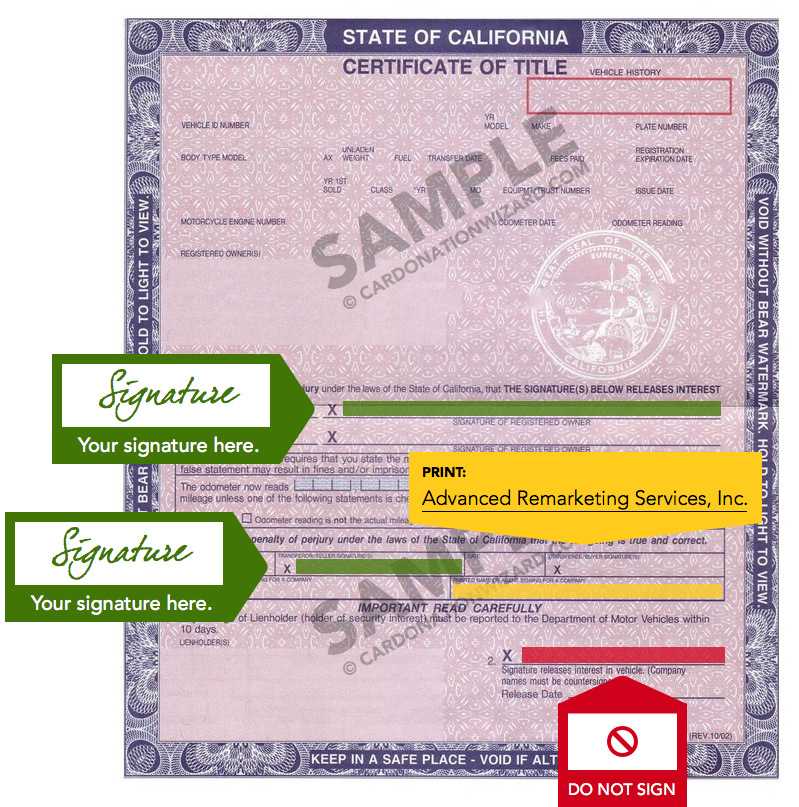
- Complete the Title Certificate: On the title, you will find designated sections for the seller and buyer to fill out. You must enter the odometer reading (vehicle mileage) accurately at the time of sale. This is a legal requirement and protects the buyer from odometer fraud. Sign and print your name exactly as it appears on the title.
- Provide a Smog Certificate: Most vehicles sold in California require a valid smog certificate. The seller is typically responsible for obtaining this certificate, which certifies that the vehicle meets California’s emissions standards. The certificate is usually valid for 90 days from the date of issuance. There are some exemptions, such as vehicles manufactured prior to a certain year or electric vehicles.
- Complete a Bill of Sale (Recommended): While not always a mandatory DMV form, a bill of sale is highly recommended. It serves as a receipt for the transaction, detailing the vehicle information, sale price, date of sale, and signatures of both buyer and seller. This document provides an additional layer of protection for both parties.
- Submit a Notice of Transfer and Release of Liability (REG 138): This is perhaps the most critical step for sellers. Within 5 days of selling the vehicle, you must submit a completed Notice of Transfer and Release of Liability to the DMV. This form informs the DMV that you are no longer the owner and releases you from liability for tickets or accidents after the sale date. You can submit this online through the DMV website or by mail. Keep a copy for your records.
Buyer’s Responsibilities: Taking the Wheel
As the buyer, your role involves ensuring the vehicle is legally registered in your name so you can enjoy worry-free travel throughout California. This needs to be completed promptly after purchase:
- Obtain Necessary Documents from the Seller: Ensure you receive the properly signed-off Certificate of Title and, if applicable, the smog certificate and a bill of sale.
- Complete a Vehicle Transfer Form (REG 262 or similar): If the back of the title certificate isn’t sufficient for all transfer details, you might need to complete additional forms provided by the DMV.
- Calculate and Pay Fees: You will be responsible for various fees, including transfer fees, sales tax (based on the purchase price), and potentially registration fees if the vehicle’s registration is due for renewal. California’s sales tax rates vary by county, so factor this into your budget.
- Submit Documents to the DMV: You have 10 days from the date of purchase to submit the completed title, smog certificate (if required), and payment for all fees to the DMV. This can typically be done in person at a DMV office (appointments are often recommended to reduce wait times), by mail, or through a licensed DMV partner. If you submit late, penalties may apply.
- Obtain New Registration and License Plates: Once the transfer is processed, the DMV will issue you a new registration card and potentially new license plates and stickers if the old ones are expired or non-compliant. You will receive a new Certificate of Title in the mail, usually within a few weeks.
- Secure Auto Insurance: Before driving your newly acquired vehicle, you must obtain auto insurance that meets California’s minimum liability requirements. Proof of insurance is required to complete registration.
Navigating Specific Scenarios and Common Questions

While the standard title transfer process covers most situations, there are specific circumstances that might require additional steps or different forms. Understanding these nuances can save you time and stress, especially if you’re bringing a vehicle from out of state or dealing with unforeseen issues.
Out-of-State Vehicles: Bringing Your Ride to the Golden State
Moving to California and bringing your car? Welcome! This is a common scenario for new residents looking to settle down and explore their new surroundings. The process for out-of-state vehicles has a few extra requirements:
- Vehicle Inspection: All out-of-state vehicles must undergo a physical inspection by the DMV to verify the vehicle identification number (VIN) and odometer reading. This can often be done at a DMV office during an appointment.
- Smog Check: Most out-of-state vehicles also require a California smog check, even if they passed one recently in another state. The only exceptions are certain diesel vehicles, electric vehicles, motorcycles, and gasoline-powered vehicles manufactured before a specific year.
- Application for Title and Registration (REG 343): You will need to complete this form, along with your out-of-state title or registration card.
- Proof of Ownership: Your out-of-state title will serve as proof of ownership. If you still have a loan on the vehicle, you’ll need to provide your out-of-state registration and the name and address of your lienholder. The DMV will then contact your lienholder to obtain the out-of-state title.
- Pay Fees: Similar to in-state transfers, you’ll pay registration fees, potential sales or use tax (if you haven’t paid it in another state within a certain timeframe or if your vehicle was purchased recently), and a California Highway Patrol (CHP) fee.
You have 20 days from the date you establish residency in California to register your vehicle. Establishing residency can mean getting a California driver’s license, registering to vote, or occupying a dwelling.
Gifting a Vehicle: A Generous Gesture
Giving or receiving a vehicle as a gift in California involves a similar transfer process but with an important distinction regarding sales tax.
- Title Endorsement: The donor (giver) must sign off on the title, and the recipient (buyer) must fill in their information.
- Statement of Facts (REG 256): To avoid paying sales tax, the recipient must complete a Statement of Facts form, clearly indicating that the vehicle was a gift. This form essentially declares that no money exchanged hands.
- Smog Certificate: The donor is still responsible for providing a valid smog certificate, just as in a regular sale.
- Transfer Fees: The recipient will still be responsible for transfer fees and annual registration fees.
- Proof of Relationship (Recommended): While not always mandatory, having some proof of relationship (e.g., birth certificate if gifting to a child) can help substantiate the “gift” claim if questioned by the DMV.
Lost Titles and Other Hurdles
Life happens, and sometimes a title goes missing. If you’ve lost your title as a seller, you must apply for a Duplicate Title (REG 227) before you can transfer ownership. This form requires your signature and possibly a notarization. There’s a fee for a duplicate title, and it can take a few weeks to arrive by mail, so plan ahead.
Another common hurdle is transferring a vehicle if the previous owner is deceased. This typically requires additional documentation, such as a death certificate and potentially court documents (e.g., Letters Testamentary or Letters of Administration) to prove the legal authority of the person transferring the vehicle. It’s always best to consult the DMV directly or visit their website for specific requirements in these complex scenarios.
Beyond the Paperwork: Enjoying Your California Ride
Once the title transfer is complete and your vehicle is legally registered in California, a world of opportunities opens up. The “lifestyle” aspect of lifeoutofthebox.com truly comes into play here. Your car is no longer just a legal entity; it’s your passport to freedom, allowing you to immerse yourself in the rich tapestry of experiences that California has to offer. Whether you’re a thrill-seeker, a nature lover, or someone seeking quiet relaxation, having your own vehicle provides unparalleled flexibility.
Exploring California by Car: Unlocking Endless Adventures
With your car title secured, imagine the possibilities. You can effortlessly drive from the bustling metropolitan areas of San Francisco or Los Angeles to the serene vineyards of Napa Valley for a weekend of exquisite food and wine. Or perhaps you’re dreaming of the majestic redwoods in Redwood National Park or the surreal landscapes of Death Valley National Park. Your vehicle empowers you to design your own itinerary, stopping at quaint roadside attractions, charming coastal towns, or hidden accommodation gems that aren’t accessible via public transport.
Consider iconic road trips like the legendary Pacific Coast Highway, where every turn offers breathtaking ocean views and access to unique destinations like Big Sur and Santa Barbara. Or head east to the dramatic Sierra Nevada mountains, home to Lake Tahoe and Yosemite National Park, where hiking, skiing, and unparalleled natural beauty await. For family trips, places like Disneyland Resort in Anaheim or Universal Studios Hollywood become easily accessible, allowing you to create unforgettable memories without worrying about public transit schedules or costly ride-shares.
From luxury travel escapades to budget-friendly explorations, having a car means freedom. You can scout out the best local eateries, discover hidden beaches, or simply pull over at a scenic viewpoint to soak in the famous California sunsets. The administrative step of transferring your car title, while initially seemingly mundane, is the key that unlocks this boundless potential for adventure and a fulfilling lifestyle in the Golden State. Safe travels, and enjoy the journey!