
Navigating the sprawling metropolis of New York City can seem daunting, especially for first-time visitors. Fortunately, the city boasts one of the most extensive and iconic public transportation systems in the world: the New York City Subway, affectionately known as the Metro. Mastering its intricacies is key to unlocking the full potential of your visit, allowing you to effortlessly travel between world-renowned landmarks, vibrant neighborhoods, and diverse culinary hotspots. This comprehensive guide will equip you with all the essential knowledge to confidently hop on and off the Metro, transforming your urban adventure into a seamless and enjoyable experience.
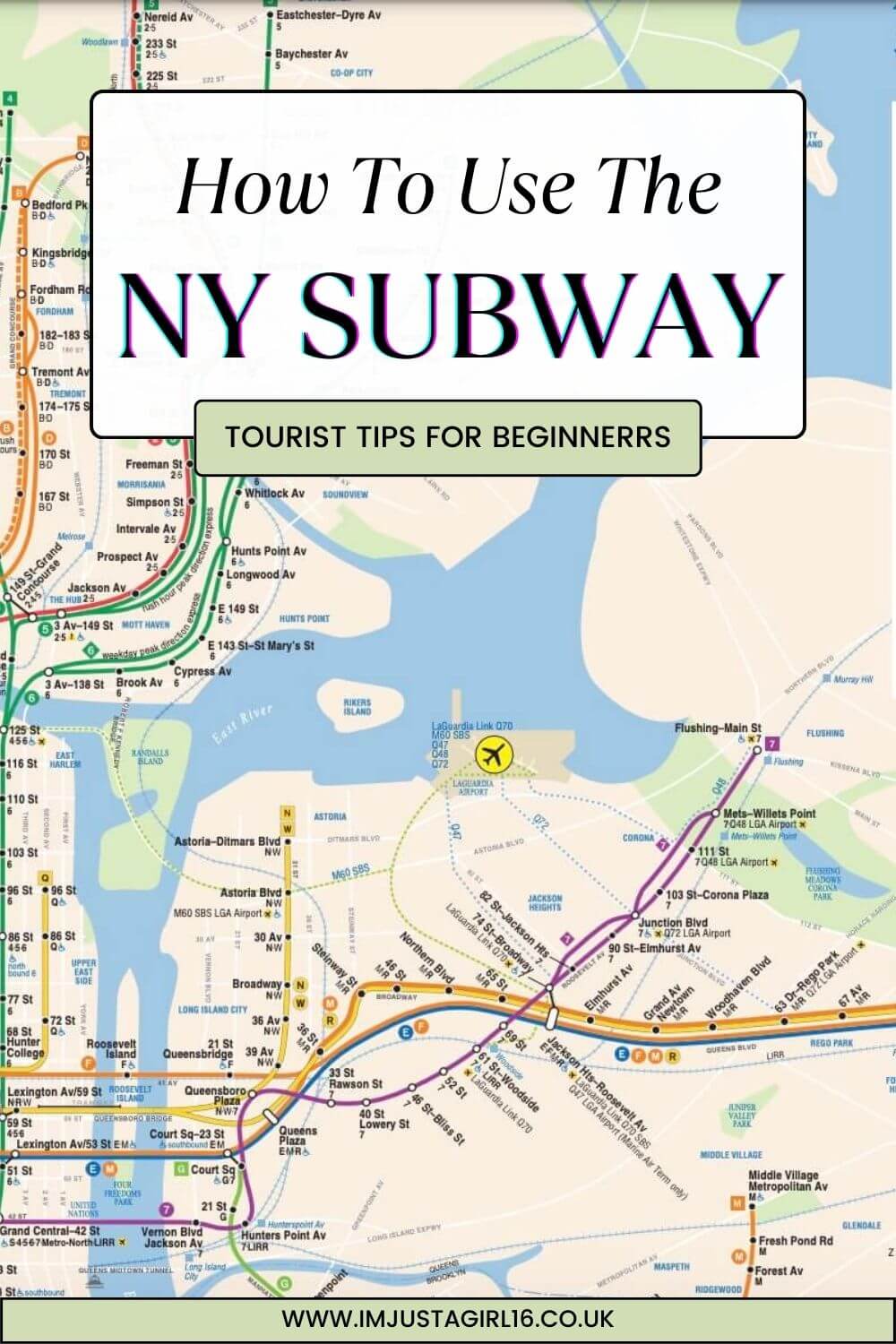
Understanding the New York City Subway System
The New York City Subway is a marvel of engineering and a vital artery for millions of New Yorkers and tourists alike. Operated by the Metropolitan Transportation Authority (MTA), it comprises an intricate network of 472 stations and 24 different lines, spanning across four of the city’s five boroughs: Manhattan, Brooklyn, Queens, and the Bronx. Only Staten Island is not served by the subway, though it has its own ferry system.
The system operates 24 hours a day, seven days a week, a testament to its importance. This continuous operation is a significant advantage, especially for early risers eager to catch the sunrise over the Brooklyn Bridge or late-night adventurers exploring the illuminated streets of Times Square.
Navigating the Lines and Stations
The subway lines are color-coded and lettered or numbered, making it relatively easy to distinguish them. For instance, the ‘A’ train is a blue line, the ‘7’ train is a purple line, and so on. Each line has a designated color that appears on maps, signage, and the train cars themselves. Understanding these color codes is a crucial first step in deciphering the subway map.
Stations are marked by green globes for open entrances and red globes for closed entrances. Once inside a station, you’ll see signs indicating the directions of the trains – typically “Uptown & The Bronx” or “Downtown & Brooklyn.” This directional signage is paramount. “Uptown” generally refers to northbound trains, heading further north in Manhattan and into the Bronx. “Downtown” refers to southbound trains, heading south in Manhattan and towards Brooklyn and Queens.
It’s important to note that some lines have express and local services. Express trains skip certain stations, making them faster for longer distances, while local trains stop at every station. The signs at the platform level will clearly indicate whether a train is express or local. If your destination is served by an express stop, opting for the express train can significantly cut down your travel time. Conversely, if you need to get to a station not served by express trains, you’ll need to board a local train or transfer.
Planning Your Journey and Paying Your Fare
Effective planning is the cornerstone of a smooth subway experience. Before you even head to the station, familiarize yourself with the subway map. You can find physical maps at most stations, but a digital version on your smartphone is often more convenient. Apps like Google Maps, Citymapper, and the official MTA “MYmta” app provide real-time train information, route planning, and service advisories, which are invaluable for navigating potential delays or disruptions.
Fares and Payment Options
Fares for the New York City Subway are based on a flat rate per ride, regardless of the distance traveled. As of my last update, a single ride costs $2.90. However, this is subject to change, so it’s always wise to check the latest fare information on the MTA website or at the station.
The primary way to pay for your fare is by using a MetroCard or a contactless payment system.

-
MetroCard: This is a plastic card that you can purchase from vending machines located in most subway stations. You can load pay-per-ride value onto a MetroCard, or opt for an Unlimited Ride MetroCard for a set period (e.g., 7-day or 30-day). For most tourists staying for a few days, a 7-day Unlimited Ride MetroCard offers excellent value if you plan to use the subway frequently. When using a MetroCard, you simply swipe it at the turnstile. If you have enough fare value, the turnstile will open, allowing you to enter.
-
OMNY (One Metro New York): This is the MTA’s contactless payment system, which is increasingly becoming the preferred method for riders. You can tap your contactless credit or debit card, smartphone with a mobile wallet (like Apple Pay or Google Pay), or a wearable device directly on the OMNY reader at the turnstile. The fare will be deducted automatically from your linked payment method. A significant advantage of OMNY is its “fare capping” feature. If you make a certain number of OMNY taps within a week (starting Monday and ending Sunday), you’ll automatically be charged the equivalent of a 7-day Unlimited Ride MetroCard, ensuring you never pay more than that price.
Tips for Purchasing Fares:
- Vending Machines: These machines accept cash and credit/debit cards. They offer both MetroCards and the option to add value to existing ones. You can also purchase tickets for the Staten Island Ferry here.
- Station Booths: Some larger stations have manned booths where you can purchase MetroCards or get assistance.
- Download the MYmta App: This app allows you to plan your trip and also offers fare payment options, including buying MetroCards or managing your OMNY account.
When entering the subway system, you will always pass through a turnstile. Ensure you have your MetroCard or contactless payment ready. If using a MetroCard, swipe it firmly through the reader. If it beeps and the light turns green, the turnstile will unlock. If you have issues, a station agent in the booth can assist you.
Maximizing Your Metro Experience: Tips for Tourists
Beyond the basic mechanics of fare payment and route planning, there are several practical tips that can enhance your New York City Subway experience, making it more enjoyable and less stressful.
Navigating the Platforms and Transfers
Once you’ve entered the station, head to the platform for your desired train line and direction. Look for overhead signs that indicate the line colors and destinations. If you need to transfer between lines, follow the “Transfer” signs. Transfers are typically free within the subway system, meaning you don’t need to pay another fare if you are moving between lines within the station or by walking a short distance to an adjacent station.
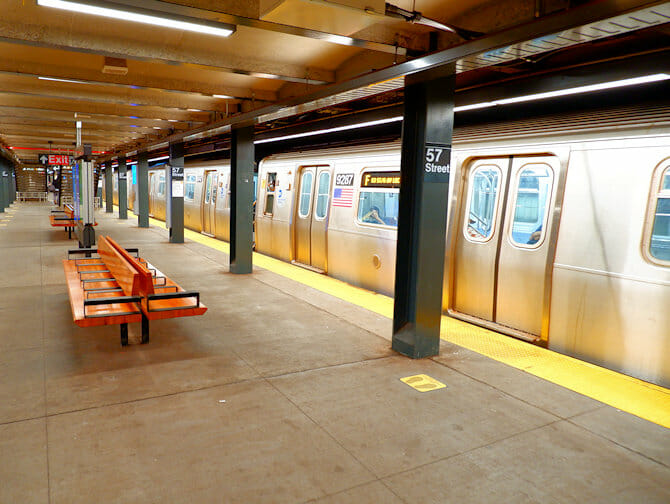
- Platform Etiquette: When waiting for a train, stand behind the yellow line on the platform. Allow passengers to exit the train before you attempt to board. This helps maintain a smooth flow and prevents congestion.
- Rush Hour Travel: The New York City Subway can get extremely crowded during peak rush hours (typically 7:30 AM to 9:30 AM and 4:30 PM to 6:30 PM on weekdays). If possible, try to travel outside these times, especially if you have luggage or are uncomfortable in tight spaces. If you must travel during rush hour, be prepared for crowded conditions and practice patience.
- Safety and Awareness: While the New York City Subway is generally safe, it’s always wise to be aware of your surroundings. Keep your belongings secure and avoid displaying large amounts of cash. If you feel uncomfortable or notice suspicious activity, don’t hesitate to move closer to other passengers or seek assistance from a transit employee.
- Accessibility: While many stations are now accessible with elevators and ramps, not all are. If you have mobility issues, check the MTA website or use the MYmta app to plan your routes and ensure accessibility.
Connecting to Major Attractions and Neighborhoods
The New York City Subway provides direct access to virtually every major attraction and neighborhood in the city. Here are a few examples to illustrate its reach:
- Times Square: Served by numerous lines including the 1, 2, 3, N, Q, R, W, and S (shuttle) trains, making it incredibly accessible.
- Central Park: Various stations on the west side (e.g., 59th Street – Columbus Circle for the A, B, C, D, 1 trains) and east side (e.g., 5 Av/59 St for the N, R, W trains) provide easy entry points.
- Metropolitan Museum of Art: Accessible via the 4, 5, 6 trains to 86th Street station, followed by a short walk.
- Statue of Liberty and Ellis Island: Take the 1 train to South Ferry or the R, W trains to Whitehall Street station, then walk to the Staten Island Ferry terminal.
- One World Observatory: Accessible by multiple lines, including the A, C, E, 1, 2, 3, 4, 5, J, Z, N, Q, R, W trains to stations around the World Trade Center site.
By understanding the basic layout, fare system, and a few key etiquette points, you’ll find that the New York City Subway is not just a mode of transport, but an integral part of the New York City experience. It allows you to travel like a local, discover hidden gems, and efficiently navigate the endless wonders this vibrant city has to offer. Enjoy your journey!
LifeOutOfTheBox is a participant in the Amazon Services LLC Associates Program, an affiliate advertising program designed to provide a means for sites to earn advertising fees by advertising and linking to Amazon.com. Amazon, the Amazon logo, AmazonSupply, and the AmazonSupply logo are trademarks of Amazon.com, Inc. or its affiliates. As an Amazon Associate we earn affiliate commissions from qualifying purchases.