
For individuals considering a move to California, long-term stays, or simply wishing to understand the civic landscape of the Golden State as part of a broader lifestyle immersion, delving into local laws and democratic processes is key. One question that frequently arises, especially given national discussions, is whether California has strict voter identification laws. Understanding this aspect of the state’s civic fabric can offer insights into its governance philosophy and the practicalities of engaging with its democratic system, which is an integral part of an informed lifestyle.
California, a state renowned for its progressive policies and diverse population, takes a distinct approach to voter identification compared to many other states in the United States. The short answer to whether California has voter ID laws is largely “no” in the sense of requiring photo identification at the polls for most voters. This policy reflects a particular philosophy aimed at maximizing voter access and participation, which shapes the lifestyle of civic engagement within the state.
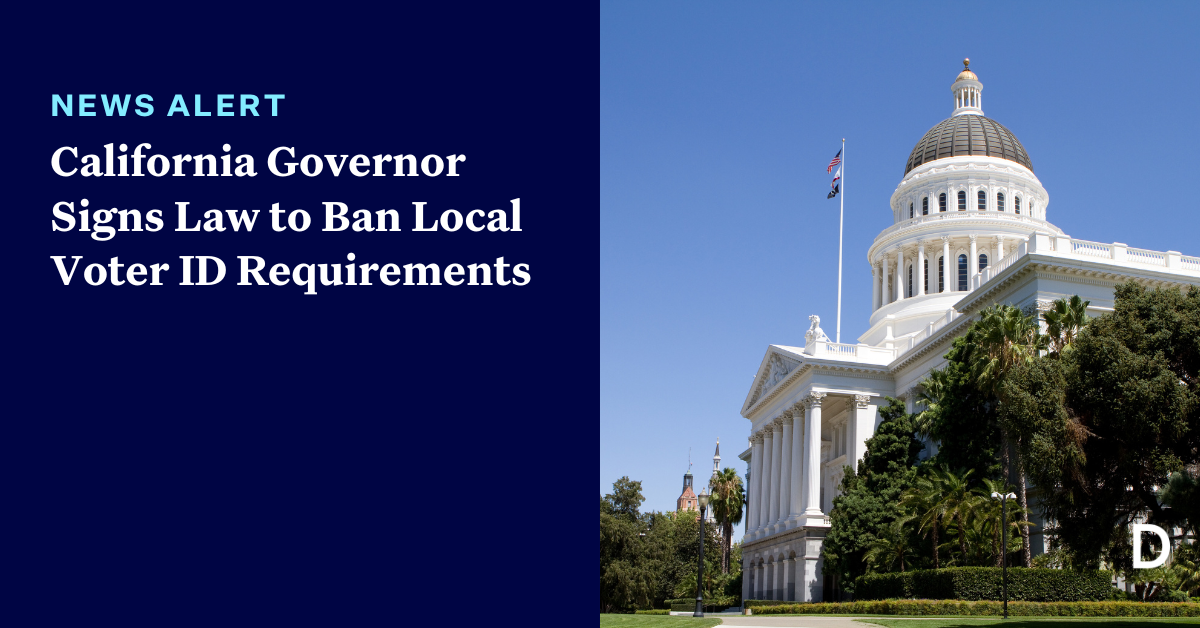
Understanding California’s Approach to Voter Identification
California’s election laws are designed to ensure that all eligible citizens can cast their ballot without unnecessary barriers. This commitment to accessibility is a defining feature of the state’s democratic lifestyle. While the concept of voter ID often conjures images of needing a driver’s license or passport to vote, California’s system operates differently, emphasizing registration and signature verification.
The Philosophy Behind California’s Election Integrity
The core principle underpinning California’s approach to voter identification is rooted in the belief that making voting accessible encourages broader participation in the democratic process. Proponents argue that strict photo ID requirements disproportionately affect certain demographics, such as low-income individuals, students, the elderly, and those without a permanent address, who may face challenges in obtaining or maintaining specific forms of identification. By minimizing these barriers, California aims to foster a more inclusive civic lifestyle where diverse voices can be heard.
Instead of requiring photo ID, California relies heavily on voter registration and signature verification as its primary methods of ensuring election integrity. When a citizen registers to vote, their signature is recorded. At the polls, or when a vote-by-mail ballot is received, this signature is compared to the one on file. This method is seen as a robust and less intrusive way to confirm a voter’s identity, aligning with a lifestyle that values both security and convenience in civic duties.
What Voters Actually Need: Beyond the ID
For most registered voters in California, a specific form of photo identification is not required when casting a ballot in person. When you arrive at a polling place, you simply state your name and address, and poll workers will locate your name on the roster. You will then sign a roster or poll book, and this signature is compared to your signature on file with the county registrar.
There are, however, a few specific circumstances where a voter might be asked to show identification:
- First-time voters who registered by mail and did not provide identification with their registration. In such cases, acceptable forms of identification can include a utility bill, bank statement, or even a sample ballot booklet, as long as it shows the voter’s name and address. A photo ID is not strictly mandated here either, offering flexibility for those engaged in a dynamic lifestyle.
- If your eligibility to vote is challenged by a poll worker or another voter. This is a rare occurrence, but if it happens, you might be asked to provide identification to substantiate your eligibility.
These exceptions are relatively minor and do not constitute a widespread voter ID requirement for the majority of California’s electorate, maintaining the state’s commitment to accessible voting practices as a facet of its community-oriented lifestyle.
Civic Engagement as Part of the California Lifestyle
Embracing the California lifestyle often means more than just enjoying its beautiful landscapes or vibrant culture; it also involves understanding and participating in its civic life. For many, active participation in local, state, and national elections is a fundamental aspect of their engaged lifestyle, reflecting their values and contributing to the community they call home.
For Newcomers and Long-Term Residents
For individuals new to California or those establishing long-term residency, understanding how to register and vote is crucial. The state offers various pathways to voter registration, including online, by mail, or in person at the Department of Motor Vehicles (DMV) or other designated agencies. This ease of registration is another testament to California’s commitment to a participatory lifestyle.

The fact that strict photo ID is not generally required at the polls can be a relief for newcomers who might still be navigating new bureaucratic processes. It streamlines the voting experience, allowing residents to focus on making their voices heard rather than worrying about specific documentation at the ballot box. This simplification is part of fostering a welcoming environment for all who choose to make California their home or a significant part of their life journey.
Participating in the Democratic Process
California has also adopted several initiatives to enhance voter participation, which become key elements of a civically engaged lifestyle. These include:
- Vote-by-Mail (VBM): All registered voters in California automatically receive a vote-by-mail ballot for every election. This allows voters to cast their ballot from the comfort of their home, requiring only a signature for verification. This flexibility is particularly appealing to those with busy lifestyles or mobility challenges.
- Same Day Voter Registration: California allows eligible residents to register and vote conditionally at any polling location on Election Day. This “safety net” ensures that even those who missed the registration deadline can still participate, reinforcing the state’s inclusive approach to democratic engagement.
- Pre-registration for 16- and 17-year-olds: This initiative allows younger residents to pre-register to vote, becoming automatically registered once they turn 18. This encourages early civic awareness and participation, molding future generations into an actively engaged lifestyle.
These measures, combined with the lack of stringent photo ID requirements, collectively define a lifestyle of accessible democratic participation that is characteristic of California.
Practical Implications for Residents and Future Californians
For anyone planning to embed themselves in the California lifestyle, understanding these voting nuances has practical implications. Whether you’re a student, a professional, a retiree, or a digital nomad considering a long-term base, being informed about electoral processes is a facet of responsible living.
Registering to Vote in the Golden State
The ease of voter registration in California simplifies the process for new residents. To register, you must be a United States citizen, a resident of California, at least 18 years old by Election Day, not currently imprisoned or on parole for a felony conviction (or previously incarcerated and currently ineligible), and not deemed mentally incompetent to vote by a court.
The online voter registration portal, available through the California Secretary of State’s website, is a straightforward way to get started. You’ll need your California driver’s license or ID card number, the last four digits of your social security number, and your date of birth. This process doesn’t require uploading documents, further simplifying the entry into California’s civic life.
Ensuring Your Vote Counts Without Photo ID
Given California’s system, the most important steps to ensure your vote is counted are:
- Registering accurately and on time: Ensure your address and signature on file are current.
- Verifying your registration: Check your voter registration status periodically, especially before an election.
- Understanding vote-by-mail instructions: If voting by mail, read instructions carefully and ensure your signature on the ballot envelope matches the one on file.
- Knowing your polling place: If voting in person, know where your designated polling place is located.
These practical steps are part of a responsible and informed lifestyle, allowing individuals to navigate the democratic landscape with confidence.

The Broader Context: National Debates and California’s Stance
The conversation around voter ID laws is a contentious one across the United States, often drawing clear lines between political ideologies. States vary widely, with some implementing strict photo ID requirements and others, like California, adopting more permissive approaches.
California’s stance reflects a broader progressive lifestyle philosophy that prioritizes broad participation over perceived security benefits of strict ID laws, which critics argue can disenfranchise eligible voters. This is a deliberate policy choice, shaped by its legislature and public sentiment, aiming to create an environment where the act of voting is as seamless as possible for all eligible citizens.
For anyone experiencing or adopting the California lifestyle, understanding this aspect of its civic infrastructure is not just about legal technicalities. It speaks to the values the state upholds regarding democracy, inclusion, and the role of every individual’s voice in shaping its future. Whether one fully agrees with the approach or not, it undeniably influences the practical experience of being a resident and an active participant in the Golden State’s vibrant political and social life. In essence, while California largely does not require voter photo ID, its robust system of registration, signature verification, and accessible voting options ensures election integrity while promoting an inclusive and engaged civic lifestyle for all its residents.
LifeOutOfTheBox is a participant in the Amazon Services LLC Associates Program, an affiliate advertising program designed to provide a means for sites to earn advertising fees by advertising and linking to Amazon.com. Amazon, the Amazon logo, AmazonSupply, and the AmazonSupply logo are trademarks of Amazon.com, Inc. or its affiliates. As an Amazon Associate we earn affiliate commissions from qualifying purchases.