
Navigating the sprawling metropolis of New York City can feel daunting, especially for first-time visitors. While New York boasts a legendary skyline and a seemingly endless list of attractions, one of the most crucial elements of experiencing the city like a local is mastering its public transportation system: the New York City Subway, affectionately known as the Metro. More than just a way to get from point A to point B, the Metro is a vibrant artery that pulsates with the city’s energy, connecting iconic landmarks, bustling neighborhoods, and hidden gems. This guide will equip you with all the knowledge you need to confidently traverse New York‘s underground labyrinth, ensuring your travel through this incredible city is smooth, efficient, and even enjoyable.
Understanding the New York City Subway System
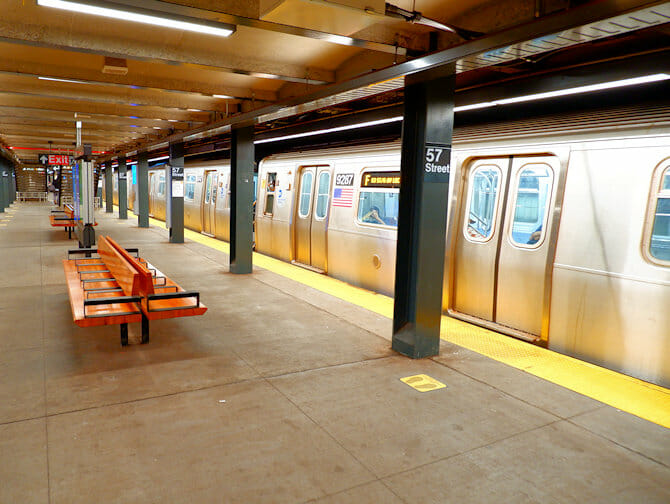
The New York City Subway, operated by the Metropolitan Transportation Authority (MTA), is one of the oldest and most extensive rapid transit systems in the world. It serves the boroughs of Manhattan, Brooklyn, Queens, and the Bronx, with plans for future expansion. Its sheer size can be intimidating, but a little understanding goes a long way.
The Network: Lines, Colors, and Numbers
The Metro operates on a system of lines, identified by letters or numbers and often distinguished by color. Each line has a specific route and stops at various stations. It’s important to understand that lines can share tracks, meaning a single track might carry multiple differently-numbered or lettered trains.
- Colors: The colors on the subway map are primarily used to group lines that share a central trunk line in Manhattan. For example, the 1, 2, and 3 trains are all part of the Red Line. This color-coding is a helpful visual aid, but it’s crucial to also pay attention to the specific letter or number of the train you need.
- Letters and Numbers: Trains are designated by letters (e.g., A, C, E) or numbers (e.g., 1, 2, 3, 4, 5, 6, 7). Each has its own distinct route.
- Express vs. Local: Many lines have both express and local trains. Express trains skip many stops, making them faster for longer distances, while local trains stop at every station. Pay close attention to whether the sign on the train indicates “Express” or “Local.” This is usually displayed prominently on the train’s front and sides, as well as on station signage.
Navigating the System: Maps, Apps, and Signage
Don’t be intimidated by the perceived complexity. The MTA provides numerous resources to help you navigate:
- Station Signage: Once inside a station, look for overhead signs indicating the direction of the trains (Uptown/Downtown in Manhattan, or Queens/Brooklyn/The Bronx in other boroughs). These signs will also list the lines that stop at that platform.
- Station Maps: Most stations have large, detailed subway maps posted on the walls. These are invaluable for planning your route.
- Online Resources and Apps: The official MTA website offers interactive maps and real-time service updates. Numerous third-party apps, such as Citymapper or Google Maps, integrate MTA data and provide excellent, user-friendly navigation, including real-time train tracking and walking directions to and from stations. These apps are often the most convenient way to plan your journey.
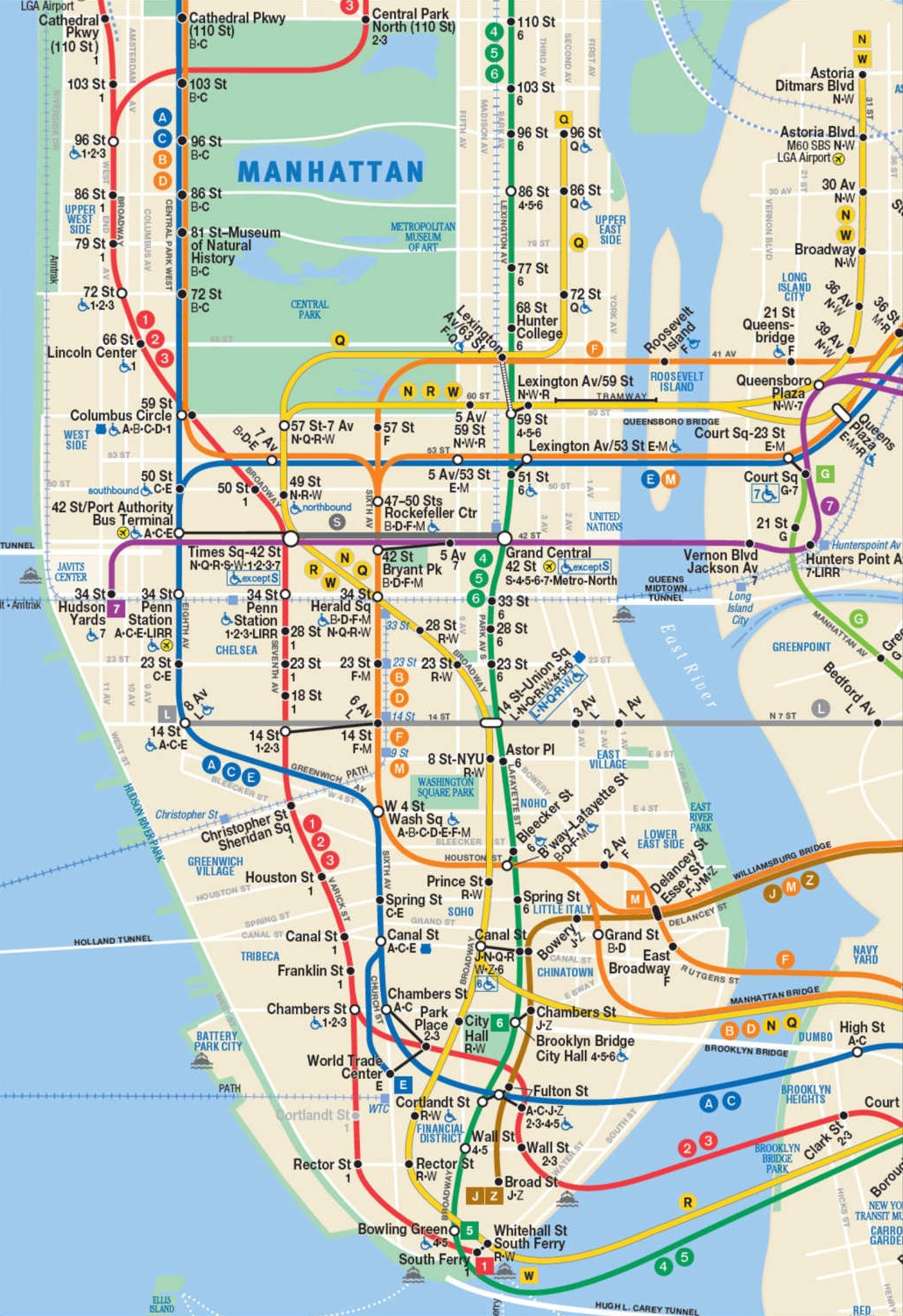
- The Subway Map Itself: While the official MTA map can look like a piece of abstract art, it’s designed to be schematic rather than geographically precise. Focus on the line colors, numbers, and station names to understand connections and approximate locations.
Planning Your Journey and Purchasing Fares
Effective planning and understanding the fare system are key to a seamless Metro experience.
Understanding Uptown, Downtown, and Borough Directions
In Manhattan, trains are generally categorized as either “Uptown” (heading north, towards Harlem and The Bronx) or “Downtown” (heading south, towards Lower Manhattan and Brooklyn). In the other boroughs, directions are typically indicated by the destination borough or neighborhood. Always verify the direction of the train before boarding to avoid traveling the wrong way.
Fares and Payment Options
Paying for your ride is straightforward, and several options are available:
- OMNY (One Metro New York): This is the latest fare payment system, allowing you to tap your contactless credit/debit card or smart device (like a phone or watch) directly at the turnstile. It’s the most convenient method for casual riders. OMNY also has a weekly fare cap: after 12 paid rides within a 7-day period (Monday-Sunday), any subsequent rides are free.
- MetroCard: While OMNY is phasing out MetroCards, they are still in use. You can purchase a MetroCard from vending machines in most subway stations. You can load a Pay-Per-Ride value onto the card, or opt for a 7-Day Unlimited Pass for frequent travel.
- Single Ride Ticket: These are available but are generally the least economical option for multiple trips.

Fares as of recent information: A single ride is typically $2.90. Unlimited passes offer better value for those planning to use the subway frequently. Always check the MTA website for the most up-to-date fare information.
When to Travel: Peak vs. Off-Peak Hours
Like any major transit system, the New York City Subway experiences rush hours.
- Peak Hours: These are typically weekday mornings (around 6 AM to 10 AM) and evenings (around 3 PM to 8 PM) when commuters are traveling to and from work. Trains can be extremely crowded during these times.
- Off-Peak Hours: Weekday middays, evenings after rush hour, and weekends are generally less crowded. Traveling during off-peak hours can offer a more relaxed and comfortable experience.
Safety and Etiquette on the Metro
Riding the Metro is generally safe, but it’s always wise to be aware of your surroundings and follow basic etiquette.
- Be Aware of Your Surroundings: Keep your belongings secure and be mindful of who is around you, especially during crowded times or late at night.
- Stand Clear of the Doors: When waiting for a train, stand behind the yellow safety line on the platform.
- Let Passengers Exit First: Always allow passengers to disembark the train before you attempt to board.
- Offer Seats: If you are able, offer your seat to elderly passengers, pregnant women, or those with disabilities.
- Keep Aisles Clear: Avoid blocking the aisles with your luggage or bags.
- Noise Levels: Be considerate of other passengers by keeping your music volume low and avoiding loud conversations.
Exploring New York City with the Metro: Key Destinations and Tips
The Metro is your gateway to experiencing the heart and soul of New York. Here’s how it can help you reach some of its most celebrated destinations and some insider tips for making the most of your journeys.
Iconic Landmarks and Attractions
The Metro provides access to an incredible array of New York‘s most famous attractions:
- Times Square: Take the N, Q, R, W, S, 1, 2, 3, or 7 trains to the Times Square-42nd Street station for the dazzling lights and energy of Times Square.
- Central Park: The park is accessible from numerous stations along its eastern and western borders. For the southern end, consider the N, Q, R, W to 57th Street-7th Avenue or the F, B, D, A, C to 59th Street-Columbus Circle. For the northern end, the 1, 2, 3, A, C, B, D to 125th Street will serve you well.
- Statue of Liberty and Ellis Island: While not directly accessible by subway, the Metro can take you to the ferry terminals. Take the 1 train to South Ferry or the 4, 5 trains to Bowling Green for the Staten Island Ferry terminal, which offers free views of the Statue of Liberty and Manhattan. For direct access to the Statue of Liberty cruises, take the 1 train to South Ferry or the R, W trains to Whitehall Street.
- Metropolitan Museum of Art (The Met): The 4, 5, 6 trains to 86th Street station will put you on Museum Mile, a short walk from The Met and other world-class museums.
- Broadway Theaters: Most Broadway theaters are clustered around the Theater District in Midtown Manhattan, easily accessible from Times Square-42nd Street or 50th Street stations.
- 9/11 Memorial & Museum: The 1, 2, 3, A, C, E, J, Z, N, Q, R, W, 1, 2, 3, 4, 5, and PATH trains all stop at or near the World Trade Center complex.
- Brooklyn Bridge: Take the 4, 5, 6 trains to Brooklyn Bridge-City Hall or the A, C trains to Chambers Street for access to the Brooklyn Bridge.
Exploring Neighborhoods and Local Culture
The Metro is your key to unlocking the diverse tapestry of New York‘s neighborhoods, each with its own unique character, food scene, and cultural offerings:
- Greenwich Village: Accessible via the A, C, E, B, D, F, M trains to West 4th Street-Washington Square. Known for its bohemian history, charming streets, and lively atmosphere.
- SoHo: Reachable via the N, Q, R, W, 4, 5, 6, J, Z trains to Canal Street or the A, C, E trains to Spring Street. Famous for its cast-iron architecture, upscale boutiques, and art galleries.
- Chinatown: Served by the B, D, N, Q, J, Z, 6 trains to Canal Street or Chinatown stations. Immerse yourself in the vibrant sights, sounds, and flavors of this bustling enclave.
- Little Italy: Adjacent to Chinatown, accessible from the 6 train to Spring Street. Experience traditional Italian cuisine and atmosphere.
- Harlem: Served by the 2, 3, A, C, B, D trains to various stations along 125th Street. Discover its rich African-American history, music venues, and soul food.
- Williamsburg (Brooklyn): Take the L train to various stations like Bedford Avenue or Lorimer Street. This trendy neighborhood is known for its independent shops, cafes, and vibrant street art.
Insider Tips for Metro Travel
- Download an Offline Map: While many stations have Wi-Fi, it’s not always reliable. Having an offline map on your phone can be a lifesaver.
- Carry a Portable Charger: You’ll likely be using your phone extensively for navigation, so a portable charger is highly recommended.
- Be Patient: Delays can happen. Factor in a little extra travel time, especially if you have a timed reservation or event.
- Learn the Difference Between Express and Local: This is crucial for efficiency. An express train can save you significant time.
- Mind the Gap: A classic New York phrase. Be cautious when stepping on and off the train.
- Don’t Be Afraid to Ask: While most New Yorkers are busy, many are happy to help if you politely ask for directions. Look for uniformed MTA employees if you need assistance.
- **Explore Beyond **Manhattan: The Metro is your ticket to experiencing the distinct charms of Brooklyn, Queens, and the Bronx. Don’t limit yourself to just the most famous island.
- Consider Your Accommodation Location: When booking a hotel or other accommodation, consider its proximity to a Metro station. This can significantly impact your travel convenience. For example, staying near a well-connected hub like Grand Central Terminal or Times Square-42nd Street can be highly advantageous for exploring various parts of the city.
By embracing the New York City Subway, you’re not just getting around; you’re immersing yourself in the daily rhythm of one of the world’s most dynamic cities. So, grab your OMNY card or MetroCard, consult your map or app, and dive in. The adventure of New York awaits, just a train ride away.
LifeOutOfTheBox is a participant in the Amazon Services LLC Associates Program, an affiliate advertising program designed to provide a means for sites to earn advertising fees by advertising and linking to Amazon.com. Amazon, the Amazon logo, AmazonSupply, and the AmazonSupply logo are trademarks of Amazon.com, Inc. or its affiliates. As an Amazon Associate we earn affiliate commissions from qualifying purchases.