
Embarking on a new business venture in the vibrant state of Alabama presents a landscape rich with opportunity, from bustling urban centers to serene coastal towns. Whether you’re a seasoned entrepreneur expanding your footprint or a hopeful innovator launching your first startup, understanding the procedural nuances of business licensing is paramount. A business license isn’t merely a piece of paper; it’s a foundational pillar that legitimizes your operations, ensures compliance with state and local regulations, and establishes your credibility within the marketplace. Navigating the legalities can seem daunting, but with a clear, step-by-step approach, securing your Alabama business license can be a straightforward process, paving the way for your enterprise’s success. This comprehensive guide will demystify the requirements, outline the necessary steps, and provide invaluable insights to help you confidently establish your business in the Heart of Dixie. By adhering to the legal framework, you not only avoid potential penalties but also contribute to a stable and fair business environment, allowing you to focus on growth and innovation.
Understanding Alabama’s Business Licensing Landscape
The journey to obtaining an Alabama business license begins with a fundamental understanding of the state’s multi-layered regulatory environment. Unlike some states with a singular, overarching business license, Alabama employs a system that often requires licenses at multiple levels: state, county, and municipal. This layered approach ensures that businesses comply with regulations pertinent to their specific location and industry, reflecting the state’s commitment to both localized governance and industry-specific standards. Grasping this distinction early on is crucial, as it will dictate where and how you apply for your necessary permits. Each level of government serves a unique purpose in the licensing process, often addressing different facets of business operation, from general taxation to public health and safety.
State-Level Requirements
At the state level, Alabama businesses typically encounter a few key requirements. While there isn’t a single, generic “state business license” that covers all enterprises, many businesses will need to register with the Alabama Secretary of State to establish their legal entity (e.g., LLC, corporation). Beyond basic entity registration, specific industries are subject to licenses issued by state agencies. For instance, professions like cosmetology, real estate, contracting, and healthcare have their own dedicated licensing boards, each with unique educational, experience, and examination requirements. These professional licenses are designed to uphold industry standards, protect consumers, and ensure practitioners possess the necessary qualifications. It’s imperative to research if your particular business activity falls under any of these specialized categories, as these state-issued licenses are typically a prerequisite for local permits. Furthermore, businesses engaged in selling tangible personal property or providing taxable services will need to register for a Sales and Use Tax number with the Alabama Department of Revenue, a critical step for tax compliance.
County and Municipal Licenses
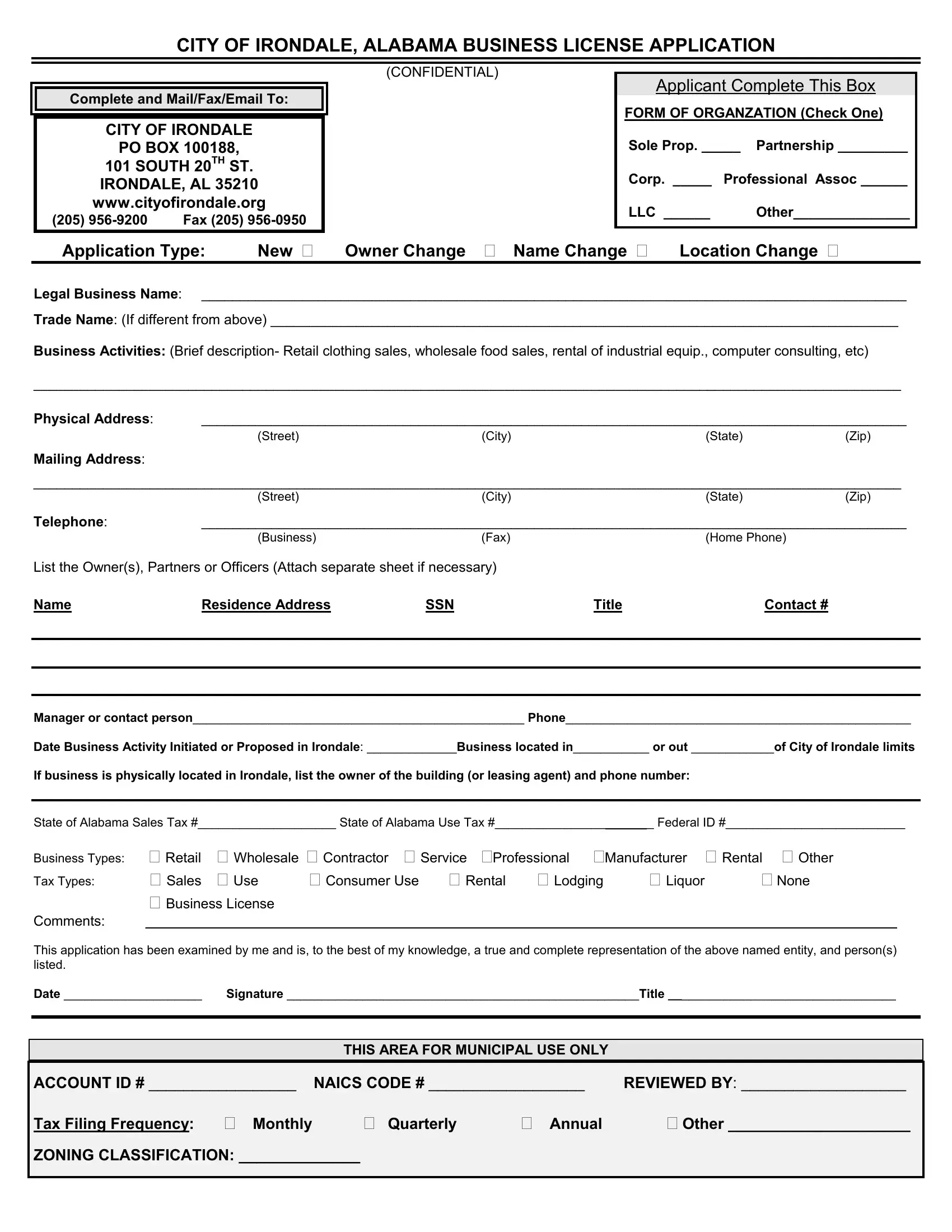
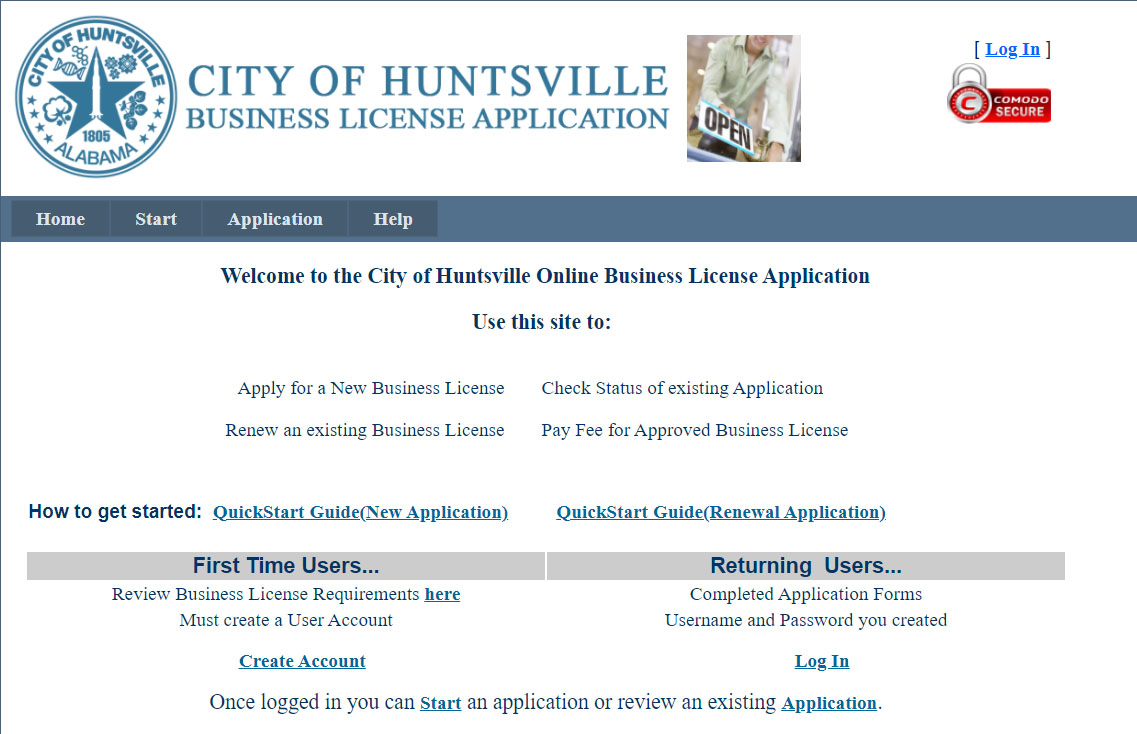
Once state-level requirements are addressed, the focus shifts to county and municipal licensing – areas where the specifics can vary considerably. Every business operating within a particular county in Alabama will need to obtain a county business license, often referred to as a “privilege license.” These licenses are typically issued by the County Probate Office and are usually renewed annually. The fees for county licenses often depend on the business type and projected gross receipts. Simultaneously, if your business operates within an incorporated city or town, you will also need to secure a municipal business license, sometimes called a “city privilege license.” These are obtained through the City Clerk’s office or the city’s revenue department. Cities like Birmingham, Montgomery, Mobile, and Huntsville each have their own specific application processes, fee structures, and local ordinances that businesses must adhere to. It is not uncommon for a business to require both a county and a city license if it operates within an incorporated area, alongside any necessary state or professional licenses. Therefore, meticulously researching the specific requirements for your business’s exact physical location is a non-negotiable step.
Step-by-Step Guide to Obtaining Your License
Navigating the Alabama business licensing process requires a methodical approach. Breaking down the journey into actionable steps helps ensure that no critical requirement is overlooked, minimizing delays and potential headaches. From establishing your legal structure to submitting final applications, each phase builds upon the last, guiding you towards full compliance and operational readiness.
Registering Your Business Entity
The very first step for most new businesses in Alabama is to formally register their business entity. Whether you plan to operate as a sole proprietorship, partnership, Limited Liability Company (LLC), or corporation, understanding and completing this registration is foundational. Sole proprietorships and general partnerships often don’t require formal state registration unless they operate under a “doing business as” (DBA) name that is different from the owner’s legal name, in which case a trade name registration may be necessary at the local probate office. However, for LLCs, corporations, and limited partnerships, registration with the Alabama Secretary of State is mandatory. This process typically involves filing Articles of Organization (for LLCs) or Articles of Incorporation (for corporations), which legally establishes your business entity within the state. It’s crucial to select a unique business name that hasn’t already been registered, and the Alabama Secretary of State’s website offers a search tool to verify name availability.
Federal Employer Identification Number (EIN)
Even if you don’t plan to have employees, obtaining a Federal Employer Identification Number (EIN) from the Internal Revenue Service (IRS) is often a necessary step for Alabama businesses. An EIN acts as a social security number for your business and is required for LLCs, corporations, and partnerships. Sole proprietorships without employees can typically use the owner’s Social Security Number, but many still opt for an EIN for added privacy and to simplify business banking. The application for an EIN is free and can be completed quickly online through the Internal Revenue Service’s website. This number will be essential for opening business bank accounts, filing federal and state taxes, and in many cases, for obtaining various business licenses and permits.
Identifying Required Licenses
With your business entity registered and EIN secured, the next critical phase involves identifying every specific license your business needs. This requires thorough research, as requirements can vary significantly based on your industry, business activities, and precise geographic location.
Start by identifying your industry category and checking if any state-level professional or occupational licenses are mandated by the Alabama Department of Labor, health department, or other specific boards.
Next, consult the County Probate Office for the county in which your business operates to understand their general business license requirements.
Finally, if your business is situated within city limits, contact the City Clerk’s office or revenue department of that specific municipality (e.g., Dothan, Mobile) to ascertain their unique licensing rules, zoning regulations, and any other local permits such as health permits for food establishments or signage permits. Many cities and counties provide online resources or business development offices to assist entrepreneurs with this research.

Application and Fee Submission
Once all required licenses have been identified, the final step in the initial acquisition process is to complete and submit the applications along with the necessary fees. Application forms for state-level licenses are typically available through the respective state agency’s website. County licenses are generally applied for at the County Probate Office, and city licenses at the municipal clerk’s office or revenue department.
Many jurisdictions now offer online application portals, which can streamline the process. However, some may still require in-person submission or mail. Fees vary widely depending on the type of license, the industry, and the projected gross revenue of the business. It is crucial to pay attention to payment methods (check, credit card, money order), application deadlines, and any supporting documentation required, such as proof of insurance, zoning compliance, or professional certifications. Incomplete applications or missed deadlines can lead to significant delays, so meticulous attention to detail during this phase is paramount.
Key Considerations for Alabama Entrepreneurs
Beyond the initial licensing process, successful entrepreneurship in Alabama involves ongoing diligence and strategic planning. Understanding these additional considerations ensures long-term compliance and positions your business for sustained growth.
Staying Compliant
Obtaining your business licenses is not a one-time event; it’s an ongoing commitment. Most business licenses in Alabama, whether state, county, or municipal, require annual renewal. It is the business owner’s responsibility to track these renewal dates and ensure all necessary forms and fees are submitted on time. Failure to renew licenses can result in penalties, fines, or even the forced cessation of business operations. Furthermore, if your business undergoes significant changes, such as a change in ownership, location, or business activity, you may need to update your existing licenses or apply for new ones. Staying informed about any changes in state or local regulations that might affect your business is also critical for maintaining compliance. Subscribing to updates from relevant government agencies or joining a local Chamber of Commerce can help keep you abreast of these changes.
Professional Assistance
While this guide provides a comprehensive overview, the intricacies of business licensing can sometimes warrant professional assistance, particularly for complex business structures or highly regulated industries. Consulting with an attorney specializing in business law can help ensure your business entity is properly formed and that you are aware of all legal obligations. Similarly, a certified public accountant (CPA) can provide invaluable guidance on tax registrations, financial compliance, and structuring your business for optimal tax efficiency. Organizations like the Small Business Administration (SBA) and local Alabama Small Business Development Centers (SBDCs) also offer free or low-cost counseling and resources to help entrepreneurs navigate these complex areas. Leveraging expert advice can save you time, prevent costly mistakes, and allow you to focus more on running your business.
Researching Local Ordinances
Even after securing state and county licenses, local municipal ordinances can significantly impact your business operations. Cities and towns often have specific zoning laws that dictate where certain types of businesses can operate, building codes, sign ordinances, and health and safety regulations that are specific to their jurisdiction. For instance, a restaurant in Birmingham will have different health inspection schedules and waste disposal rules than one in Dothan. Before finalizing your business location, it is highly advisable to thoroughly research the specific municipal ordinances that apply to your intended address and business type. Visiting the city planning department or contacting the local city clerk’s office directly can provide crucial information and prevent potential compliance issues down the line. Overlooking these local nuances can lead to delays, costly modifications, or even the inability to operate in your chosen location.
Beyond the License: Sustaining Your Alabama Business
Securing your business license is a pivotal milestone, but it’s merely the first step on a longer journey. Sustaining and growing a successful business in Alabama requires ongoing engagement with resources and the broader business community.
Utilizing Local Resources
Alabama offers a wealth of resources designed to support new and established businesses. Beyond the Small Business Administration and SBDCs, local Chambers of Commerce in cities like Montgomery, Mobile, and Huntsville provide networking opportunities, advocacy, and educational programs. Industry-specific associations can offer valuable insights, best practices, and connections within your field. Public libraries often have business sections with market research tools, and local universities may offer entrepreneurial programs or incubators. Actively engaging with these resources can provide mentorship, funding opportunities, and crucial information to help your business thrive beyond initial licensing.
Embracing the Alabama Business Community
Alabama’s business community is often characterized by its supportive and collaborative spirit. Participating in local business events, trade shows, and networking groups can help you build relationships with other entrepreneurs, potential clients, and mentors. This sense of community not only provides a valuable support system but can also open doors to unexpected collaborations and growth opportunities. Establishing a strong local presence and reputation is key to long-term success, and actively contributing to the local economy and community can foster goodwill and customer loyalty.
Obtaining a business license in Alabama is a critical step for any entrepreneur. While the process involves navigating various state, county, and municipal requirements, approaching it with a clear understanding and a structured plan will simplify the journey. By meticulously following each step, conducting thorough research, and leveraging available resources, you can ensure your business is legally compliant, properly established, and ready to contribute to Alabama’s dynamic economic landscape. Your diligence in this foundational stage will lay a strong groundwork, allowing you to focus your energy on innovation, customer satisfaction, and achieving your entrepreneurial aspirations in the Heart of Dixie.
LifeOutOfTheBox is a participant in the Amazon Services LLC Associates Program, an affiliate advertising program designed to provide a means for sites to earn advertising fees by advertising and linking to Amazon.com. Amazon, the Amazon logo, AmazonSupply, and the AmazonSupply logo are trademarks of Amazon.com, Inc. or its affiliates. As an Amazon Associate we earn affiliate commissions from qualifying purchases.