
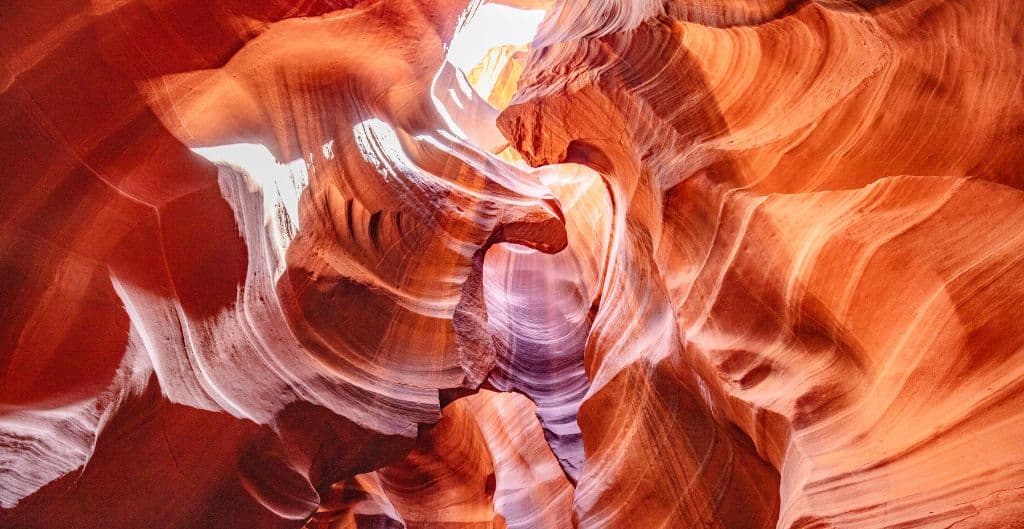
Antelope Canyon in Arizona stands as a testament to nature’s unparalleled artistry, a majestic slot canyon carved by millions of years of water and wind erosion. Its undulating sandstone walls, painted with vibrant hues of orange, red, and purple, create a surreal, ethereal landscape that captivates photographers, adventurers, and nature enthusiasts alike. Visiting this geological wonder is an experience that transcends the ordinary, offering a glimpse into a world sculpted by time and natural forces. However, due to its unique formation and status within the Navajo Nation, a visit requires careful planning and adherence to specific guidelines. This comprehensive guide will equip you with all the necessary information to navigate the logistics and fully immerse yourself in the magic of Antelope Canyon.

Understanding Antelope Canyon: The Essentials
Before embarking on your journey, it’s crucial to understand the distinct characteristics and operational requirements that make Antelope Canyon unique. Its beauty is matched only by the delicate ecosystem and cultural significance it holds for the Navajo people.
Upper vs. Lower Antelope Canyon: Which to Choose?
Antelope Canyon is actually composed of two primary, distinct sections: Upper Antelope Canyon (known as “The Crack”) and Lower Antelope Canyon (known as “The Corkscrew”). Each offers a different experience, catering to varying preferences and physical abilities.
Upper Antelope Canyon:
Famed for its iconic light beams that penetrate the canyon walls, particularly around midday during warmer months, Upper Antelope Canyon is the more popular choice, especially for photographers. It is wider at the top and narrower at the bottom, creating those dramatic shafts of light. The walk through Upper Antelope Canyon is relatively flat and easy, making it accessible for a wider range of visitors, including families with young children or those with limited mobility. Visitors are transported to the canyon entrance via 4×4 vehicles by their tour operators. The experience is often more crowded due to its popularity, especially during peak light beam hours.
Lower Antelope Canyon:
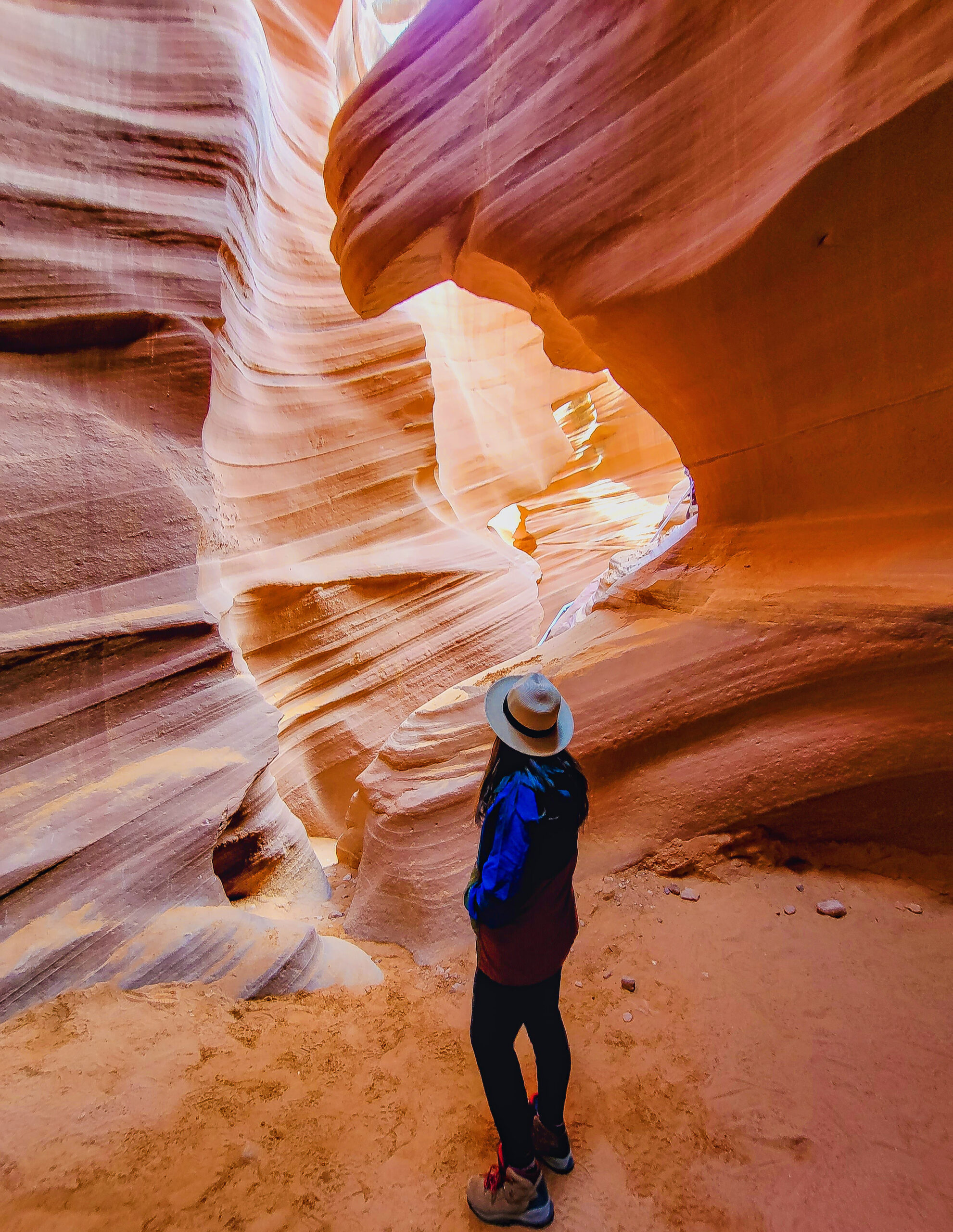
Lower Antelope Canyon offers a more adventurous and intimate experience. It is narrower and deeper, requiring visitors to descend into the canyon via a series of steep staircases and ladders, and navigate through tight spaces. The light here is softer and more diffused, creating a different kind of photographic opportunity, often highlighting the swirling patterns and vibrant colors of the rock. While it doesn’t boast the dramatic light beams of the Upper Canyon, its unique formations and less crowded atmosphere (though still busy) appeal to many. The physical demands are greater, requiring good mobility and a comfortable level of fitness.
Canyon X:
A lesser-known but equally stunning alternative is Canyon X. It provides a more serene and unhurried experience, often with smaller tour groups, allowing for more personal reflection and photography time. Canyon X still offers beautiful light and intricate sandstone formations, making it an excellent choice for those seeking to avoid the largest crowds.
The Navajo Nation and Tour Requirements
Both Upper and Lower Antelope Canyon, along with Canyon X, are located on sovereign Navajo land. This means that access is strictly controlled, and visitors must be accompanied by an authorized Navajo guide. Independent exploration is not permitted under any circumstances. This regulation ensures the safety of visitors, protects the delicate environment, and respects the cultural significance of the site. Tour guides provide invaluable insights into the canyon’s geology, history, and the traditions of the Navajo people, enriching the overall experience.
Planning Your Trip: Booking and Logistics
A successful visit to Antelope Canyon hinges on meticulous planning, especially regarding tour bookings, timing, and what to bring. Demand for tours is high, so advanced reservations are essential.
Securing Your Tour Reservations
Given the popularity of Antelope Canyon, especially Upper Antelope Canyon during peak season and prime light beam hours, booking your tour well in advance is non-negotiable. It’s recommended to book several months ahead, particularly if you plan to visit during spring break, summer, or major holidays. Authorized tour operators can be found online, and it’s wise to compare prices, availability, and specific tour offerings (e.g., standard sight-seeing vs. photography tours). Confirm your booking details, including the exact meeting point and time, multiple times before your travel date.
Best Time to Visit Antelope Canyon
The time of year and time of day significantly impact the Antelope Canyon experience.
Seasonal Considerations:
- Spring and Fall (March-May, September-November): These are generally considered the best times to visit. The weather is pleasant, and the crowds are slightly smaller than in summer. Light beams are still possible in Upper Antelope Canyon during these months.
- Summer (June-August): This is peak season, with the highest chance of seeing dramatic light beams in Upper Antelope Canyon. However, it’s also the hottest and most crowded time, requiring even earlier booking. Monsoon season, usually from July to September, brings a slight risk of flash floods, which can lead to tour cancellations (though guides are highly trained in safety protocols).
- Winter (December-February): While colder, winter offers a unique beauty with softer, more diffused light and fewer crowds. Light beams are rare or non-existent in Upper Antelope Canyon during this time, but the colors of the canyon walls are still spectacular.
Time of Day:
For Upper Antelope Canyon, the hours between 10:00 AM and 1:00 PM are considered prime for experiencing the famous light beams, particularly from April through September. For Lower Antelope Canyon, the softer, indirect light throughout the day offers consistent photographic opportunities, making timing less critical for a specific phenomenon.
What to Bring and What to Leave Behind
Packing appropriately is key for a comfortable and enjoyable visit.
- Footwear: Sturdy, closed-toe walking shoes with good grip are essential, especially for Lower Antelope Canyon’s stairs and uneven terrain.
- Water: Even for a relatively short tour, staying hydrated is important, especially in Arizona’s desert climate.
- Camera: A camera is a must to capture the canyon’s beauty. However, be aware of restrictions, particularly on photography tours vs. general tours, regarding tripods or large camera bags. Some tours prohibit bags entirely.
- Small Backpack/Fanny Pack: To carry essentials like water, a small camera, and a phone.
- Sun Protection: Hat, sunglasses, and sunscreen are advisable for the waiting areas and transport, even if the canyon itself offers shade.
- Identification: A valid ID is usually required for check-in.
What to leave behind: Large bags, backpacks (often prohibited), selfie sticks (often not allowed to keep flow moving), drones, and pets are strictly forbidden. Adhering to these rules ensures a smooth experience for everyone and protects the canyon.
Getting There: Transportation and Accommodation
Antelope Canyon is located near the city of Page, in northern Arizona. This small city serves as the primary base for visitors exploring the canyon and surrounding attractions.
Driving to Page, Arizona
Page is accessible by car and is typically reached from major cities in the Southwest.
- From Las Vegas, Nevada: Approximately a 4.5-hour drive (275 miles).
- From Phoenix, Arizona: Approximately a 4.5-hour drive (275 miles).
- From Grand Canyon National Park (South Rim): Approximately a 2.5-hour drive (140 miles).
- From Salt Lake City, Utah: Approximately a 6-hour drive (380 miles).
The drives are scenic, passing through desert landscapes and, depending on the route, potentially through other national parks or monuments. Rental cars are readily available at major airports in these cities. Be mindful of gas stations, as they can be sparse between towns in rural Arizona.
Accommodation Options in Page
Page offers a range of accommodation choices to suit various budgets and preferences. You’ll find numerous hotel chains, including popular brands, as well as independent motels and vacation rentals. It’s highly advisable to book your accommodation in Page well in advance, especially if visiting during peak season, as rooms can fill up quickly. Many visitors choose to stay for at least one night to allow for early morning or late afternoon tours and to explore other nearby sights without feeling rushed.
The Antelope Canyon Experience: What to Expect
Your tour will typically begin at the operator’s office, where you’ll check in and meet your Navajo guide. From there, you’ll either be driven directly to the canyon (for Lower Antelope Canyon) or transported via 4×4 vehicles (for Upper Antelope Canyon) to the entrance.
Guided Exploration and Photography Tips
Once inside, your guide will lead you through the stunning passageways, pointing out famous formations, explaining the geology, and sharing cultural stories. They are often adept at helping visitors capture the best photographs, even offering tips on camera settings or showing optimal angles. Flash photography is generally permitted, and in the low light of the canyon, it can help illuminate the vibrant colors. However, remember that tripods are usually restricted on standard tours to keep groups moving efficiently. For serious photographers, dedicated photography tours, though more expensive and less frequent, often allow tripods and provide more time in the canyon.
Respecting the Environment and Culture
A visit to Antelope Canyon is a privilege. It is essential to treat the site with respect. This means staying with your guide at all times, not touching the canyon walls (to preserve the delicate sandstone), refraining from littering, and generally being mindful of other visitors. The canyon is sacred to the Navajo people, and respecting their land and traditions is paramount to ensuring the continued accessibility and preservation of this natural wonder.
Beyond the Canyon: Nearby Attractions
While Antelope Canyon is undoubtedly the main draw, the Page, Arizona area is rich with other breathtaking natural landmarks that are worth incorporating into your itinerary. Many visitors combine a trip to Antelope Canyon with visits to these nearby wonders.
Horseshoe Bend
Just a few miles south of Page, Horseshoe Bend offers a dramatic panoramic view of the Colorado River making a tight, horseshoe-shaped turn. A relatively easy 1.5-mile roundtrip walk from the parking lot leads to the breathtaking overlook. It’s a popular spot for sunset photography, but can be visited at any time of day.
Lake Powell and Glen Canyon Dam
Lake Powell, a vast reservoir on the Colorado River created by the Glen Canyon Dam, is an aquatic playground offering boating, kayaking, paddleboarding, and fishing. You can take scenic cruises on the lake, rent watercraft, or simply enjoy the stunning views of the red rock cliffs meeting the blue waters. The Glen Canyon Dam itself is an impressive feat of engineering, with a visitor center offering educational exhibits and guided tours.
Monument Valley Navajo Tribal Park
For those with more time, a scenic drive north (approximately 2.5 hours from Page) will take you to Monument Valley Navajo Tribal Park, an iconic landscape of towering sandstone buttes and mesas that have graced countless films and photographs. Like Antelope Canyon, it is on Navajo land and requires an entrance fee. You can drive a scenic loop or take a guided tour with a Navajo guide for deeper insights.
Visiting Antelope Canyon is an extraordinary travel experience that requires proper preparation but rewards with unforgettable memories. By understanding its distinct sections, booking tours in advance, and arriving ready to respect its natural and cultural significance, you’ll be well-prepared to witness the captivating beauty of this Slot Canyon in Arizona. Embrace the journey, absorb the awe-inspiring scenery, and allow the ancient whispers of the sandstone to tell their story.
LifeOutOfTheBox is a participant in the Amazon Services LLC Associates Program, an affiliate advertising program designed to provide a means for sites to earn advertising fees by advertising and linking to Amazon.com. Amazon, the Amazon logo, AmazonSupply, and the AmazonSupply logo are trademarks of Amazon.com, Inc. or its affiliates. As an Amazon Associate we earn affiliate commissions from qualifying purchases.