
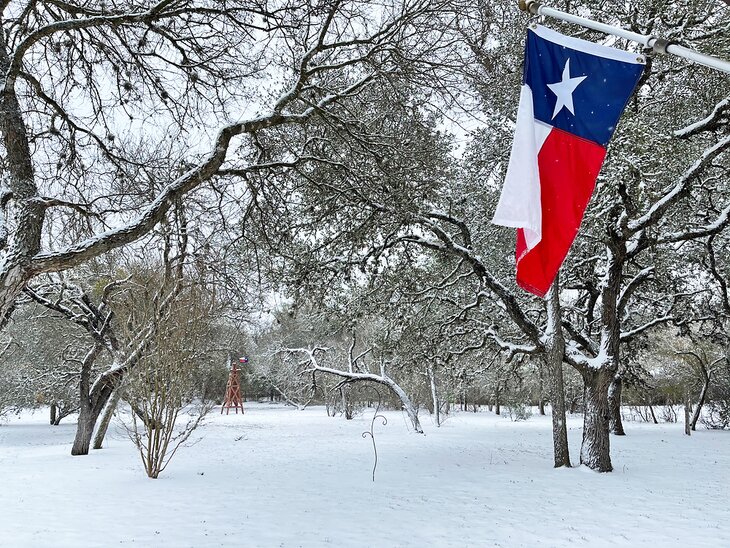
Texas, often conjuring images of scorching deserts, vast ranches, and endless summer sun, might seem an unlikely candidate for a snowy escape. Yet, for those willing to look beyond the stereotypes, the Lone Star State occasionally transforms into a beautiful, if often fleeting, winter wonderland. While widespread, heavy snowfall is rare outside of specific regions, certain parts of Texas do experience legitimate winter weather, offering unique opportunities for cold-weather enthusiasts. This guide delves into the surprising reality of snow in Texas, pinpointing where to find it, when to chase it, and how to make the most of a truly distinctive travel experience.
The Unlikely Winter Wonderland: Texas’s Snow-Prone Regions
Understanding where snow falls in Texas requires a geographical perspective. The state’s immense size and diverse topography mean that weather patterns vary dramatically from its northern plains to its southern coasts. While most of Texas sees little to no snow in a typical winter, a few areas stand out as reliable, or at least hopeful, destinations for experiencing genuine snowfall.
The Panhandle’s Icy Embrace
Without a doubt, the Texas Panhandle is the state’s most consistent snow zone. Perched at a higher elevation and situated in the northernmost reaches of the state, this region experiences colder temperatures and is more susceptible to cold fronts sweeping down from the Rockies. Cities like Amarillo and Lubbock often see several inches of snow multiple times throughout the winter season. It’s not uncommon for blizzards to temporarily close roads and blanket the flat plains in a thick, white layer. The landscape, typically defined by vast agricultural fields and dramatic sunsets, takes on a stark, serene beauty under a blanket of snow, offering incredible photographic opportunities and a truly different perspective of Texas. For travelers specifically seeking snow in the Lone Star State, the Panhandle should be their primary target.
West Texas Wonders: Mountains and High Deserts
Further west, the mountainous and high-desert landscapes of West Texas also frequently receive snow. El Paso, nestled in the far western corner, at the foot of the Franklin Mountains and bordering New Mexico, often sees snowfall, especially at higher elevations. The surrounding mountain ranges, including the Davis Mountains and the majestic Guadalupe Mountains National Park, are particularly prone to significant accumulations. Hikers and nature enthusiasts can witness a spectacular transformation as the rugged peaks and desert flora are dusted with white, creating breathtaking vistas. The crisp, clean air and vast, silent expanses make for an exceptionally peaceful winter experience, far removed from the bustling cities.
Rare Glimpses: Central and North Texas
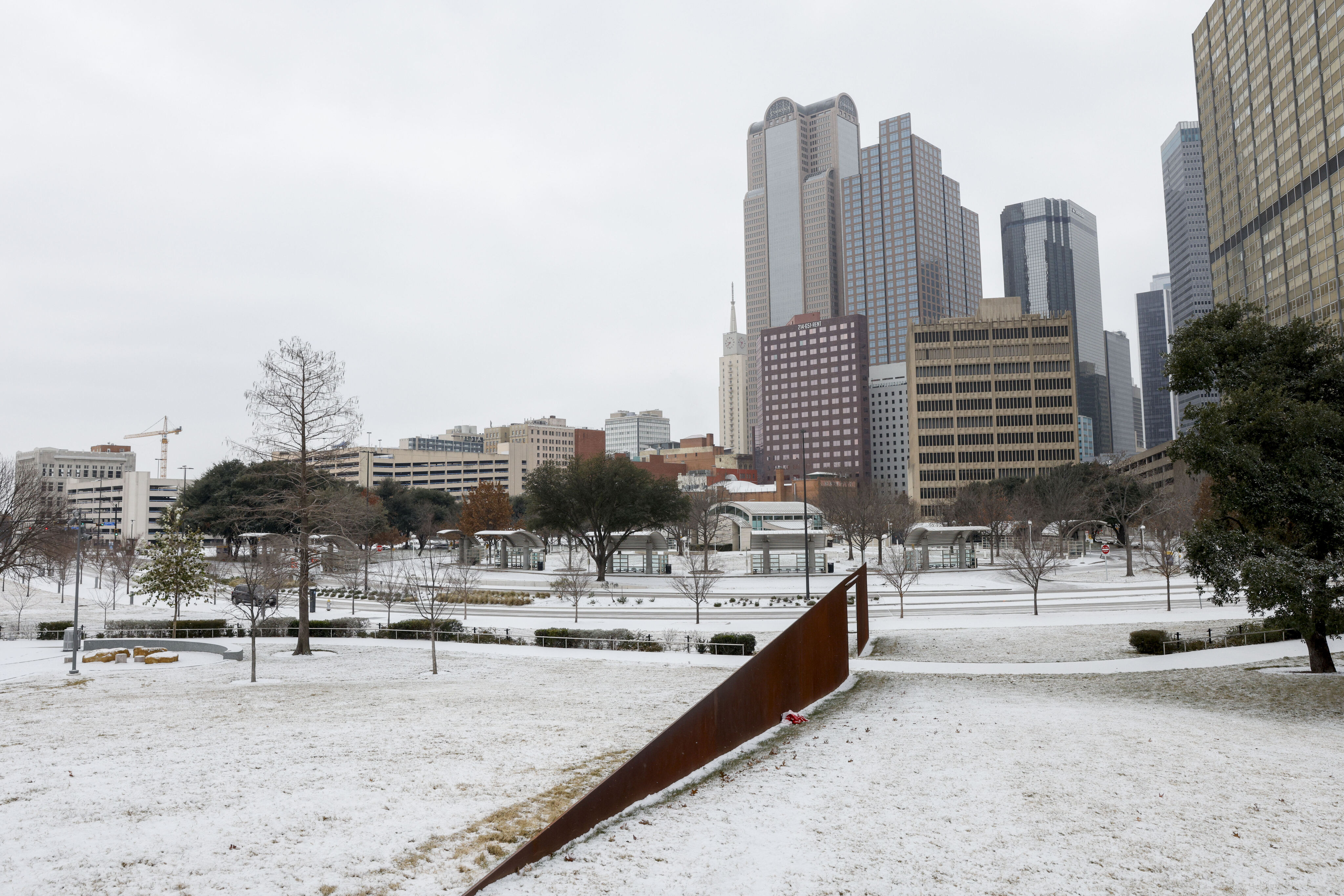
While less frequent and typically less substantial, snow can indeed grace other parts of Texas. North Texas cities like Dallas and Fort Worth might see a dusting or even a few inches of snow once or twice a winter. These events are often celebrated by locals, as they are not guaranteed. Similarly, parts of Central Texas, including the Texas Hill Country and even Austin, experience very occasional snowfall, usually light and quick to melt. While these areas are not reliable snow destinations, a traveler arriving during a rare snow event will find the experience truly magical, as iconic landmarks and verdant landscapes take on an unexpected, ethereal quality.
Chasing Snow: When and How to Find It
For travelers determined to experience snow in Texas, a strategic approach to timing and monitoring weather is crucial. Unlike northern states with predictable winter seasons, snow in Texas is often a result of specific, transient weather systems.
Peak Snow Season
The best window for finding snow in Texas generally spans from December through February. These months typically bring the coldest temperatures and the highest likelihood of precipitation coinciding with freezing conditions. January often stands out as the coldest month, making it a prime time for those hoping to witness snowfall in the Panhandle or West Texas mountains. While early December and late February can also see snow, especially further north, the heart of winter offers the most consistent opportunities.
Weather Patterns and Predictions
Successfully chasing snow in Texas hinges on vigilant weather tracking. Snow events are often triggered by a confluence of factors: a strong cold front pushing southward from the northern plains, sufficient moisture in the atmosphere, and temperatures at or below freezing at both ground level and through the entire atmospheric column. Travelers should closely monitor long-range forecasts, paying particular attention to “winter weather advisories,” “winter storm watches,” or “blizzard warnings” issued by the National Weather Service for specific Texas counties. Focusing on the Panhandle and West Texas will yield the best results for finding detailed snow predictions.
Road Tripping for Snow
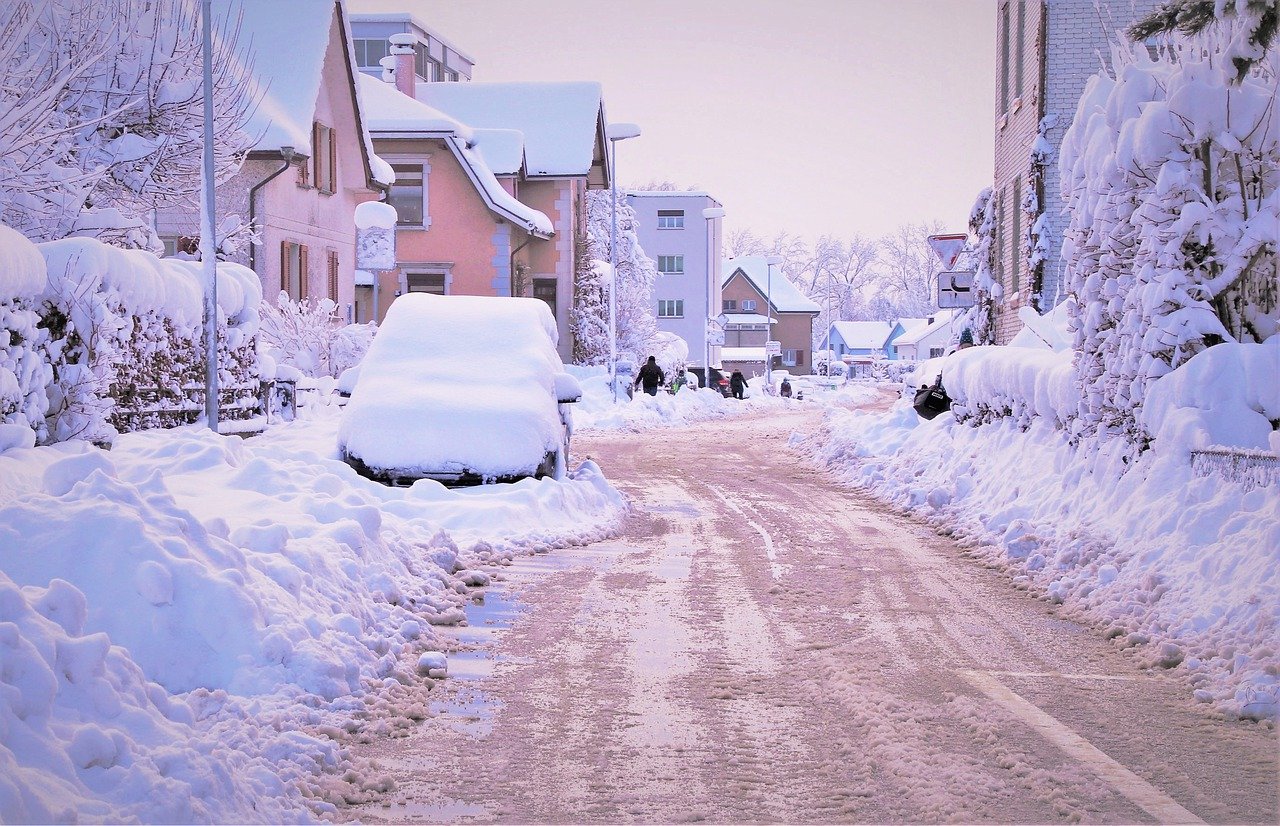
Given the somewhat unpredictable nature of Texas snow, a flexible road trip itinerary is often the best approach. If a significant snow event is forecast for Amarillo or the Guadalupe Mountains, being prepared to drive to that region is key. Ensure your vehicle is winter-ready – tires in good condition, emergency kit, and a full tank of gas are essential. Always check road conditions before departing, especially for highways in the Panhandle or mountain passes in West Texas, as ice and snow can make driving treacherous. Many smaller towns in these regions offer cozy accommodations, but booking ahead, especially during a predicted snow event, is advisable.
Beyond the Flakes: Winter Activities in Snowy Texas
Once you’ve found your snowy patch of Texas, the experience extends far beyond merely observing the white stuff. These regions offer unique activities that leverage the ephemeral beauty of a snow-covered landscape.
Scenic Drives and Photography
A fresh blanket of snow transforms the often rugged or monochromatic Texas landscape into a picturesque wonderland. In the Panhandle, a drive along virtually any rural road offers stunning vistas of snow-dusted plains stretching to the horizon, often under vast, dramatic winter skies. For truly iconic views, head towards Palo Duro Canyon State Park near Amarillo. While access to the canyon floor might be limited by snow, the rim trails offer breathtaking perspectives of the red rock formations contrasted with brilliant white snow—a photographer’s dream. In West Texas, the roads through the Davis Mountains Scenic Loop or around Guadalupe Mountains National Park provide unparalleled opportunities to capture snow-capped peaks and desert flora adorned with ice crystals.
Exploring State and National Parks
Texas’s extensive network of state parks and national parks takes on a new character in winter. In Guadalupe Mountains National Park, for instance, well-maintained trails like the Pine Springs Trail or portions of the Tejas Trail can be explored for winter hiking, offering a stark contrast to their summer appearance. Always check park conditions and trail closures before setting out, as some areas may become impassable or require specialized equipment like snowshoes or microspikes. Caprock Canyon State Park & Trailway in the Panhandle also offers incredible views when its vibrant red rock formations are dusted with white, providing unique wildlife viewing opportunities as animals stand out against the snow.
Cozy Town Experiences
Beyond the natural beauty, a snowy day in a Texas town offers a distinct charm. In Amarillo, after a day exploring the snowy plains, you can warm up in a local diner with a hearty meal, or visit the American Quarter Horse Hall of Fame & Museum. In smaller towns throughout the Panhandle or West Texas, you might find quaint coffee shops serving warm beverages, or local boutiques perfect for finding unique souvenirs. The atmosphere in these communities during a snow event is often one of quiet contentment and a collective appreciation for the rare beauty.
Planning Your Texas Winter Escape: Essential Tips
Embarking on a snow-chasing adventure in Texas requires careful planning to ensure safety and comfort.
Gear Up for the Cold
Even if the snow doesn’t last, temperatures in Texas’s snow-prone regions can drop significantly, often below freezing. Pack layers of clothing, including thermal underwear, waterproof and insulated jackets, gloves, hats, and scarves. Waterproof boots with good traction are essential, especially if you plan on walking or hiking in snowy conditions. Don’t forget sunglasses, as snow glare can be intense on bright days.
Accommodation Considerations
While large cities like Amarillo or El Paso have numerous hotels, smaller towns near parks or scenic areas may have limited options. If you’re planning your trip around a specific forecast, consider booking accommodations with flexible cancellation policies. During peak snow events, rooms can fill up quickly as locals and intrepid travelers converge on the area. For a more immersive experience, look for charming bed-and-breakfasts or cabins in the Davis Mountains region.
Safety First
Driving in icy or snowy conditions requires extra caution. Always reduce your speed, increase following distances, and avoid sudden braking or steering. Keep a full tank of gas and an emergency kit in your car, including blankets, water, snacks, a flashlight, and a fully charged cell phone. Be aware that cell service can be spotty in remote parts of West Texas. Always check local road conditions and weather alerts before heading out. If conditions become severe, it’s best to delay travel until roads are cleared.
Experiencing snow in Texas is a unique travel endeavor that rewards those with a sense of adventure and a keen eye on the weather forecast. From the consistent snowfall of the Panhandle to the rare, majestic dusting of the western mountains, Texas offers a surprising winter landscape waiting to be explored. By planning carefully and embracing the unexpected, travelers can discover a truly different side of the Lone Star State, proving that even in the land of cowboys and cacti, winter can indeed cast its magical, snowy spell.
LifeOutOfTheBox is a participant in the Amazon Services LLC Associates Program, an affiliate advertising program designed to provide a means for sites to earn advertising fees by advertising and linking to Amazon.com. Amazon, the Amazon logo, AmazonSupply, and the AmazonSupply logo are trademarks of Amazon.com, Inc. or its affiliates. As an Amazon Associate we earn affiliate commissions from qualifying purchases.