
California, often celebrated as the Golden State, beckons millions each year with its diverse landscapes, vibrant cities, and unparalleled lifestyle. From the sun-kissed beaches of San Diego to the majestic redwoods of the north, and from the bustling urban sprawl of Los Angeles to the iconic vistas of San Francisco, it’s a destination that promises endless exploration. For many, a visit turns into a dream of long-term stay, perhaps even permanent relocation, drawn by the opportunities in Silicon Valley, the allure of Hollywood, or the relaxed pace of life in coastal towns.
While tourists marvel at landmarks like the Golden Gate Bridge or experience the thrill of Disneyland Resort, becoming a resident of California opens up a new dimension of engagement: participating in the democratic process. Understanding how to vote in California is not just a civic duty; it’s an integral part of becoming truly embedded in the local culture and contributing to the future of this dynamic state. For those considering a lifestyle change, a long-term relocation, or even digital nomads seeking a new base, knowing the electoral landscape is as crucial as finding the perfect accommodation or mapping out weekend excursions to Napa Valley or Yosemite National Park. This comprehensive guide is designed to demystify the voting process in California, blending practical electoral information with insights relevant to residents, future residents, and those who appreciate the broader impact of local governance on travel, tourism, and lifestyle.
Understanding Your Eligibility and the Golden State’s Welcoming Spirit
California prides itself on an inclusive electoral system, designed to encourage broad participation. However, fundamental criteria must be met to cast your ballot. For someone who has fallen in love with the state during a luxurious hotel stay in Beverly Hills or a budget-friendly road trip along the Pacific Coast Highway, and now contemplates making it home, understanding these requirements is the first step towards civic engagement.
Who Can Participate in California’s Democratic Process?
The cornerstone of eligibility in California is straightforward:
- You must be a United States citizen. This federal requirement applies to all states, ensuring that the democratic process is reserved for nationals.
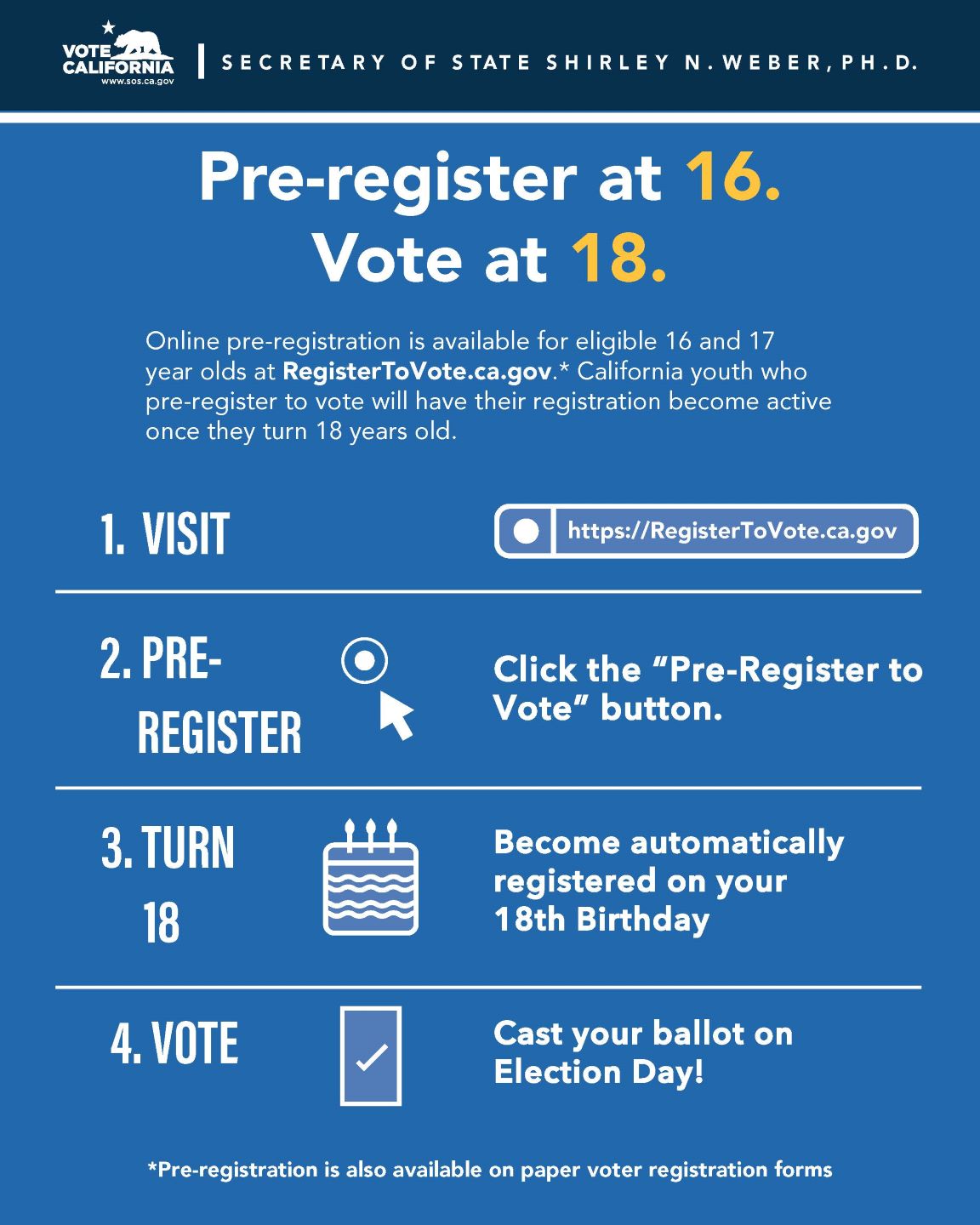
- You must be at least 18 years old by Election Day. This aligns with the national voting age, marking adulthood and civic responsibility.
- You must be a resident of California. This is perhaps the most critical point for those transitioning from visitor to resident. Residency is generally established by physical presence and an intent to remain. This might involve showing proof of address, such as a utility bill for your new apartment or lease agreement for a villa in Palm Springs, or even registering your vehicle. The state values every local voice, whether you’re settled in a vibrant city like Sacramento or a tranquil community near Lake Tahoe.
- You must not be currently serving a state or federal prison term for the conviction of a felony. Once released, your voting rights are automatically restored.
- You must not currently be found mentally incompetent to vote by a court.
For individuals who have recently moved to California – perhaps for a new job in San Jose, to attend a university, or simply to embrace the Californian lifestyle – establishing residency is key. This often involves updating your identification, setting up utilities, and demonstrating a genuine intent to make California your primary home. Many long-term visitors, digital nomads, or expatriates returning to the United States find themselves navigating this aspect, and it’s a crucial part of integrating into the fabric of the state.
Dispelling Myths: Voter Registration for Newcomers and Long-Term Stays
One common misconception is that voter registration is an arduous process, especially for those new to the state. In reality, California has made it incredibly accessible. For individuals considering a significant lifestyle change, such as relocating to California for an extended period, understanding these options can provide peace of mind.
For instance, if you’re exploring long-term accommodation options, perhaps comparing boutique hotels for an extended stay or researching apartment rentals, you’ll find that updating your address for voter registration is a seamless part of settling in. The state’s proactive approach means that even if you’re frequently traveling for business or pleasure, from exploring the natural wonders of Death Valley to enjoying cultural activities in Oakland, you can maintain your voting rights with relative ease, provided you meet the residency criteria. The commitment to making voting accessible reflects California’s broader ethos of welcoming diverse populations and ensuring every eligible voice can contribute to its vibrant democracy.
Navigating the Registration Process: Your First Step Towards Civic Engagement
Once eligibility is confirmed, the next crucial step is voter registration. California’s system is designed for convenience, recognizing the busy lives of its residents, from tech innovators in Palo Alto to artists in Laguna Beach. Whether you’re planning a multi-month stay in an serviced apartment or have just purchased your dream home, registering to vote is a quick and straightforward process that solidifies your connection to the community.
Seamless Online and Mail-In Registration: A Convenience for Busy Lifestyles
The easiest and most popular method for registering to vote in California is online. The official website of the California Secretary of State provides a user-friendly portal where you can complete your registration in minutes. All you need is your California driver’s license or ID card number, the last four digits of your social security number, and your date of birth. This digital convenience means you can register from the comfort of your hotel suite, a cozy café in Santa Barbara, or even during a quiet moment while on a business trip, ensuring your civic duty doesn’t interfere with your travel plans or daily routine.
Alternatively, you can register by mail. Registration forms are widely available at post offices, public libraries, Department of Motor Vehicles (DMV) offices, and county elections offices. Many community events and even some tourist information centers might also offer these forms, reflecting the state’s pervasive effort to encourage participation. Completing and mailing a physical form offers a traditional option for those who prefer it, and it’s particularly useful if you’re settling into a new area and visiting local government buildings as part of your orientation.
The deadlines for standard voter registration are typically 15 days before an election. It’s advisable to register well in advance to ensure your information is processed in time and to avoid any last-minute rushes. Planning ahead, much like booking popular attractions or securing a desirable resort, ensures a smooth and stress-free experience.
Same-Day Registration: Ensuring Every Voice is Heard

California also offers what’s known as “Same-Day Voter Registration” or “Conditional Voter Registration.” This innovative provision ensures that even if you miss the 15-day deadline, you can still register and cast a provisional ballot at any county elections office or designated polling place up to and including Election Day. This is a tremendous benefit for those who might have experienced unexpected delays in relocation, or who simply didn’t realize they could participate until the last minute.
Imagine you’ve just moved into your dream apartment in Long Beach a week before an election, or you’re concluding a long-term business stay and decide to make California your permanent home. Same-day registration ensures that your voice isn’t silenced by timing constraints. Your provisional ballot will be counted once the county elections official verifies your eligibility. This progressive approach underscores California’s commitment to broad democratic access, making it easier for new residents to fully immerse themselves in the state’s civic life. It’s a testament to the state’s inclusive philosophy, much like its welcoming attitude towards visitors exploring diverse cultures and cuisines across its cities.
Exploring Your Voting Options: Flexibility for Every Californian
Once registered, California offers remarkable flexibility in how you cast your ballot, accommodating various lifestyles, from the perpetually traveling business executive to the resident enjoying a leisurely retirement in San Luis Obispo. This adaptability ensures that participating in elections is convenient, regardless of your personal circumstances or travel schedule.
The Ubiquity of Vote-by-Mail: A Travel-Friendly Approach
Perhaps the most significant innovation in California’s electoral system, especially relevant for those with active travel schedules, is the statewide vote-by-mail system. For every election, all registered voters automatically receive a ballot in the mail, typically a few weeks before Election Day. This means you don’t have to request an absentee ballot; it’s simply delivered to your registered residential address.
This system is a boon for residents who might be traveling for leisure, perhaps on an extended trip to explore Joshua Tree National Park or vacationing abroad, or for business, staying in various hotels across the globe. You can complete your ballot at your convenience, sign the envelope, and mail it back. Postage is prepaid, adding to the ease. Many counties also provide official ballot drop boxes at various locations, including libraries, city halls, and even popular community centers, which can be a convenient option if you’re exploring your local area or running errands. The flexibility of vote-by-mail epitomizes California’s modern approach to civic participation, ensuring that your right to vote is not hindered by your chosen lifestyle or travel habits.
In-Person Voting: A Glimpse into Local Community Life
While vote-by-mail is dominant, in-person voting remains a vital option and offers a unique opportunity to experience local community life. For many, visiting a polling place is a tradition, a tangible connection to the democratic process.
- Early Voting Centers: Many counties open early voting centers several days or even weeks before Election Day. These centers provide a convenient option for those who prefer to vote in person but wish to avoid the crowds of Election Day, or whose work schedules make it difficult to vote on a specific Tuesday. Exploring these centers can also be a way to familiarize yourself with local community buildings and public spaces.
- Election Day Polling Places: On Election Day, polling places are open across every neighborhood, often located in schools, community halls, or other public buildings. Visiting your designated polling place is more than just casting a ballot; it’s an immersive experience. You might encounter neighbors, interact with poll workers (who are often volunteers from the local area), and witness the efficient operation of a civic process. For new residents, it offers a direct connection to their new community, much like visiting a local farmers’ market or attending a neighborhood festival. These locations, while not traditional tourist landmarks, are certainly important civic landmarks, offering a window into the state’s democratic heartbeat.
Accessible Polling Places and Early Voting Centers
California places a strong emphasis on accessibility. All polling places and early voting centers are required to be accessible to voters with disabilities, ensuring that everyone can cast their ballot independently and privately. This includes accessible voting machines, curbside voting options, and assistance from poll workers. Additionally, language access is a priority, with translated ballots and election materials often available in multiple languages, reflecting California’s rich multicultural tapestry, which is also evident in its diverse cuisine, festivals, and local tourism experiences across cities like San Jose and Fresno.
Whether you choose to vote by mail or experience the community spirit of an in-person polling place, California’s flexible options ensure that participating in democracy is an accessible and convenient aspect of life in the Golden State.
The Impact of Your Vote: Shaping California’s Future for Residents and Visitors Alike
Beyond the mechanics of voting, understanding the profound impact your participation has on the trajectory of California is crucial. Every ballot cast contributes to decisions that shape not only the daily lives of residents but also the experiences of travelers and the overall appeal of the state as a premier destination. For anyone invested in the California lifestyle, whether short-term or long-term, their vote truly matters.
Local Elections: Influencing the Landscape of Travel and Tourism
Local elections, though often overshadowed by state and federal races, have a direct and tangible impact on the infrastructure and amenities that enhance the travel and tourism experience. When you cast a ballot in a city council, county supervisor, or school board election, you’re directly influencing decisions related to:
- Transportation Infrastructure: Local votes determine funding for road maintenance, public transit systems in major metropolitan areas like Los Angeles and San Francisco, and even initiatives for bike lanes or pedestrian-friendly zones around popular attractions like the Santa Monica Pier. Improved infrastructure makes travel easier, enhances access to landmarks, and contributes to a smoother overall visitor experience.
- Parks and Recreation: Local elections often decide on budgets for maintaining and developing city parks, beaches, and recreational facilities. These green spaces and natural attractions are not just for residents; they are vital components of California’s appeal for outdoor enthusiasts, families, and those seeking relaxation. Funding for parks in places like San Diego or conservation efforts for natural areas significantly impacts their quality and accessibility for all.
- Cultural Events and Arts Funding: Many cities fund local arts councils, museums, and cultural festivals through municipal budgets. These events and institutions, from the vibrant arts scene in Oakland to film festivals in Palm Springs, are major draws for tourists seeking unique local culture and experiences. Your vote can help ensure these vital aspects of California’s tourism appeal continue to thrive.
- Zoning and Development: Local planning commissions and elected officials make decisions about hotel development, new resorts, housing projects, and commercial zones. These choices directly affect the availability and quality of accommodation options, the preservation of scenic views, and the overall aesthetic of a town or city, impacting everything from luxury travel to budget-friendly stays. For instance, a vote for a candidate who supports sustainable development could help preserve the natural beauty of coastal areas like Big Sur, which is crucial for eco-tourism.
State and Federal Elections: Broader Strokes on the Golden State Experience
Statewide propositions and the election of state and federal representatives also have far-reaching effects on California’s allure. Decisions made at these levels can impact:
- Environmental Protection: California’s pristine national parks, iconic coastlines, and diverse ecosystems are significant tourism assets. State and federal legislation on environmental protection, climate change, and conservation directly influences the health and future of these natural landmarks, ensuring they remain beautiful and accessible for generations of travelers.
- Tourism Promotion and Funding: The state budget often includes allocations for tourism marketing and initiatives through entities like Visit California. These funds help promote the state as a top global destination, attracting visitors who contribute significantly to the local economy.
- Economic Policies: Policies related to business, employment, and taxation can influence the cost of living, the availability of services, and the overall economic vitality of the state. A strong economy supports a thriving tourism industry, leading to better amenities, more diverse attractions, and a higher quality of service across the hospitality sector, from grand hotels to charming bed and breakfasts.
- Social Policies: California’s progressive social policies are often a draw for certain demographics of travelers and residents, contributing to its unique lifestyle brand. These policies, shaped by voters and their elected representatives, foster an inclusive and diverse environment that many find appealing.
In essence, every vote cast in California is an investment in its future – a future that impacts not only those who call it home but also the millions who visit seeking unforgettable travel experiences. Whether you are a newly settled resident in Sacramento, a long-term property owner in San Diego, or someone contemplating a lifestyle change to this dynamic state, understanding and participating in the electoral process is a powerful way to contribute to the Golden State’s continued appeal and prosperity. It’s a true embodiment of local culture and an often-overlooked aspect of what makes California such an extraordinary place to live, visit, and explore.
LifeOutOfTheBox is a participant in the Amazon Services LLC Associates Program, an affiliate advertising program designed to provide a means for sites to earn advertising fees by advertising and linking to Amazon.com. Amazon, the Amazon logo, AmazonSupply, and the AmazonSupply logo are trademarks of Amazon.com, Inc. or its affiliates. As an Amazon Associate we earn affiliate commissions from qualifying purchases.