
Welcome to California, a state renowned for its breathtaking destinations, vibrant local culture, and diverse lifestyle options. From the sun-kissed beaches of San Diego to the majestic redwoods of the north, and the bustling cityscapes of Los Angeles and San Francisco, California offers an unparalleled array of experiences for every type of traveler and resident. Many come for a short luxury travel escape or a budget travel adventure, while others are drawn by career opportunities, educational pursuits, or simply the allure of the California dream, leading to an extended stay.
For those who choose to establish a longer-term presence in the Golden State, perhaps renting an apartment or making a villa their seasonal home, understanding the civic landscape becomes an integral part of truly integrating into the community. Just as you’d research the best hotels or plan your routes to iconic landmarks like the Golden Gate Bridge, familiarizing yourself with the democratic process is a crucial step for eligible residents. Voting isn’t just a civic duty; it’s a powerful way to shape the policies that affect everything from local tourism initiatives and environmental protections to public services and the overall quality of life in your chosen California community. This comprehensive guide is designed to walk you through the process of how to vote in California, ensuring that if you’re eligible, your voice can be heard.
Establishing Your Civic Footprint: Eligibility & Registration in California
Living in California offers an incredibly diverse array of lifestyle experiences. Whether you’re savoring the culinary delights of Napa Valley, exploring the vibrant arts scene in Oakland, or settling into a family-friendly neighborhood in Fresno, making California your home for an extended period means becoming part of its intricate social and political fabric. For those who meet specific criteria, exercising the right to vote is a fundamental aspect of this integration, impacting everything from local school boards to statewide propositions.
Who Can Participate? Understanding Voter Eligibility
Before you can cast your ballot, it’s essential to understand who is eligible to vote in California. The requirements are straightforward, ensuring that those who reside and contribute to the state have the opportunity to participate in its governance. To be eligible to register to vote and cast a ballot in California, you must meet the following conditions:
- United States Citizen: This is the foundational requirement. Only U.S. citizens can vote in state and federal elections.
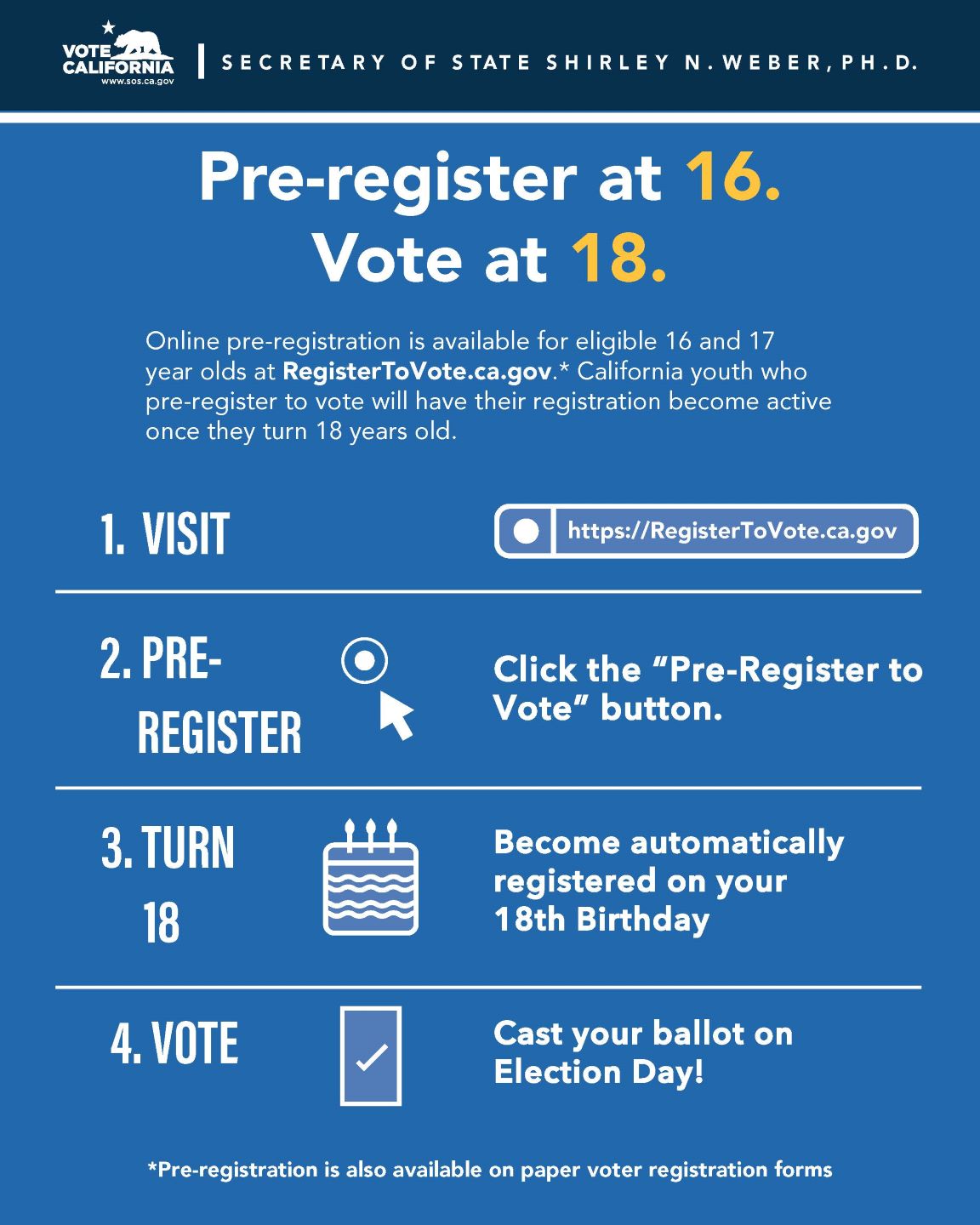
- At Least 18 Years Old on Election Day: You can pre-register to vote at 16 or 17 years old, and your registration will become active automatically once you turn 18. This is a progressive approach designed to encourage civic engagement early on.
- A Resident of California: This means you maintain a dwelling in the state with the intent to reside there. The concept of residency is important, distinguishing long-term residents from transient travelers.
- Not Currently Serving a State or Federal Prison Term for a Felony Conviction: Once you complete your prison term, parole, or probation for a felony conviction, your right to vote is automatically restored. This progressive policy ensures that formerly incarcerated individuals can reintegrate fully into civic life.
- Not Currently Found Mentally Incompetent to Vote by a Court: This refers to specific legal rulings regarding an individual’s capacity to understand the voting process.
If you meet these criteria, you are eligible to register and vote, contributing to the future direction of this dynamic state.
Seamless Registration: Making Your Voice Heard
Registering to vote in California is an incredibly accessible and user-friendly process, designed to encourage broad participation. Whether you’re exploring accommodations in Palm Springs or settling down in the capital city of Sacramento, registering is just a few steps away.
The primary ways to register include:
- Online Registration: The easiest and most popular method is through the California Secretary of State’s official website. The online form is intuitive, guiding you through each step. You’ll need your California driver’s license or state ID number, the last four digits of your social security number, and your date of birth. If you don’t have a California driver’s license or state ID, you can still register online, and a paper form will be mailed to you for signature.
- By Mail: You can pick up a paper voter registration form at any county election office, most post offices, public libraries, or the Department of Motor Vehicles (DMV). Fill it out, sign it, and mail it in.
- In-Person: While less common given the ease of online and mail options, you can register in person at your county election office. This might be useful if you have specific questions or need immediate assistance.
Registration Deadlines: The standard deadline to register to vote for any election in California is 15 days before Election Day. However, California offers Conditional Voter Registration, also known as Same-Day Voter Registration. This means that if you miss the 15-day deadline, you can still register and cast a provisional ballot at any county election office or vote center up to and including Election Day. Your provisional ballot will be counted once the election officials verify your eligibility. This progressive policy ensures that even last-minute residents or those with busy schedules (perhaps balancing business stays with family life) still have the chance to participate.
Navigating the Electoral Landscape: Types of Elections & Voting Methods
Just as meticulously planning your route through Yosemite National Park or researching the diverse food scene in Anaheim enhances your California experience, understanding the nuances of the electoral calendar and available voting methods is key to effective civic engagement. California holds various types of elections, each serving a distinct purpose and impacting different aspects of public life, from local community decisions to statewide policy shifts.
Beyond the Ballot Box: Different Elections in California
- Primary Elections: Typically held in the spring or early summer, primary elections determine which candidates will represent their respective political parties in the general election. California uses a “top-two” primary system for most offices, meaning the two candidates who receive the most votes, regardless of party preference, move on to the general election. This system often leads to more competitive races and gives voters broader choices.
- General Elections: These are the big elections, usually held on the first Tuesday after the first Monday in November of even-numbered years. General elections decide federal offices (President, U.S. Senators, U.S. Representatives), statewide offices (Governor, Lieutenant Governor, Attorney General, Secretary of State, etc.), state legislative offices, and often local offices. Importantly, general election ballots also feature state and local propositions – ballot measures that allow citizens to directly vote on laws, constitutional amendments, or bond issues. These can profoundly affect California’s economy, environment, and social policies, influencing everything from infrastructure projects near Lake Tahoe to regulations impacting coastal attractions in Big Sur.
- Special Elections: These are called to fill vacancies in elected offices that occur outside the regular election cycle, often due to resignations or deaths. They can happen at any time of the year and are crucial for ensuring continuous representation.
- Local Elections: Many local offices (such as city council members, mayors, school board members, and special district officials) and local ballot measures are decided in odd-numbered years or during the primary or general election cycles. These elections have a direct and immediate impact on your daily life, influencing local services, development projects (which can affect hotels and accommodation options), and community amenities. As a resident, participation in local elections is particularly vital.
Understanding these different election types allows you to engage more effectively, recognizing when and how your vote can shape your immediate surroundings and the broader state.
Your Vote, Your Way: Exploring Voting Options
California has made voting incredibly convenient and accessible, often pioneering methods that encourage maximum participation. If you’ve enjoyed the flexibility of booking diverse suites or resorts for your travel needs, you’ll appreciate the similar flexibility offered for casting your ballot.
- Vote-by-Mail (Universal Mail-In Ballots): California is one of several states that sends a ballot to every registered voter before each election. This means you don’t need to apply for an absentee ballot; it will automatically arrive at your registered address. You can complete your ballot at home, at your leisure, and return it by mail (postage is pre-paid), by dropping it off at any official ballot drop box, or by surrendering it at a vote center or polling place on Election Day. This method is incredibly popular and offers immense flexibility for those with busy schedules or who prefer to research candidates and propositions from the comfort of their home.
- In-Person Early Voting: Many counties offer in-person early voting at designated vote centers several days, or even weeks, before Election Day. These vote centers provide full voter services, including voter registration, provisional voting, and accessible voting machines. They are particularly useful for those who prefer to vote in person but wish to avoid potential crowds on Election Day.
- Election Day Polling Places: While universal mail-in ballots have reduced the reliance on traditional polling places, they are still available for voters who prefer to cast their ballot on Election Day. Your county election official will provide information on your assigned polling place or the nearest vote center where you can cast a ballot. These locations are equipped with accessible voting equipment and assistance for voters with disabilities.
No matter your preference, California provides multiple secure and convenient avenues to ensure every eligible vote is counted.
Your Guide to Informed Voting: Resources and Key Dates
Just as any seasoned traveler consults guides and reviews before embarking on a journey to Hollywood or planning a visit to Disneyland, being an informed voter requires access to reliable resources and an awareness of important deadlines. Understanding where to find accurate information and when to act ensures your vote is not only cast but is also an educated one.
Essential Resources for Voters
Navigating the complexities of candidates, propositions, and election procedures can seem daunting, but California offers a wealth of non-partisan resources designed to empower voters:
- California Secretary of State Website: This is the authoritative source for all election-related information in the state. You can check your voter registration status, register to vote, find your polling place or vote center, and access detailed information about statewide candidates and ballot propositions. The website provides non-partisan summaries and analyses of each ballot measure, including arguments for and against, helping you make informed decisions.
- County Election Offices: Your local county election office is an invaluable resource for specific information pertinent to your immediate community. They manage voter registration, distribute ballots, oversee polling places, and can answer questions about local elections, candidates, and ballot measures. Many counties also have dedicated websites with local election information.
- Official Sample Ballots and Voter Information Guides: Before each election, every registered voter receives a sample ballot and an official voter information guide in the mail. These documents are goldmines of information, containing the full text of propositions, non-partisan analyses, arguments for and against each measure, and statements from candidates. They are designed to give you ample time to research and reflect on your choices before your official ballot arrives.
- Non-Partisan Organizations: Various non-profit, non-partisan organizations dedicate themselves to voter education. Websites like Ballotpedia, Vote Smart, and the League of Women Voters offer in-depth candidate information, election explanations, and tools to help voters understand their ballot. These organizations often provide clear, unbiased tips for navigating complex elections.
Utilizing these resources is akin to having a trusted travel guide – they help you explore the terrain, understand the history, and make the most of your participation in California’s democratic process.
Marking Your Calendar: Important Election Deadlines
Staying organized is key to successful voting, especially with various deadlines for registration and ballot submission. Here’s a general overview of important dates to keep in mind, similar to keeping track of your hotel booking confirmations or flight itineraries:
- Voter Registration Deadline: As mentioned, the standard deadline is 15 days before Election Day. It’s always best to register early to ensure you receive your mail-in ballot in a timely manner.
- Conditional Voter Registration Period: If you miss the standard deadline, you can still register and vote provisionally at any vote center or county election office from 14 days before Election Day up to and including Election Day itself.
- Vote-by-Mail Ballot Mailing Period: Official ballots are typically mailed to all registered voters starting 29 days before Election Day. Keep an eye on your mailbox during this period.
- Vote-by-Mail Ballot Return Deadline: To be counted, your mail-in ballot must be postmarked by Election Day and received by your county elections office no later than 7 days after Election Day. Alternatively, you can drop off your ballot at an official drop box or any vote center by 8:00 PM on Election Day.
- Election Day: This is the culmination of the election cycle, typically the first Tuesday after the first Monday in November for general elections. Vote centers and polling places are open, and it’s the final day to submit your ballot.
Keeping these dates in mind ensures you won’t miss your opportunity to participate in shaping the future of California.
In conclusion, becoming an engaged member of the California community extends beyond enjoying its scenic beauty, diverse activities, or the glamour of places like Beverly Hills and Hollywood. For eligible residents and long-term visitors, understanding and participating in the democratic process is a vital part of the full ” California lifestyle ” experience. From the bustling streets of San Francisco to the peaceful vineyards of Napa Valley, your vote helps steer the course of this incredible state. Embrace the opportunity to contribute to its future, making your mark on the civic landscape just as you might explore its many famous places and wonders.
