
For anyone considering a move to the Heart of Dixie, investing in real estate, or simply curious about the legal landscape governing marital assets, a fundamental question often arises: Is Alabama a community property state? The answer has profound implications for how homes, assets, and financial futures are managed, particularly in the context of long-term accommodation and property ownership. This comprehensive guide will delve into Alabama’s unique legal framework, clarifying its position and offering insights into what it means for residents and property owners alike.
Understanding Property Regimes: A Key for Alabama Accommodation
When establishing a home or making significant property investments, understanding the state’s approach to marital property is paramount. Different legal systems dictate how assets acquired during a marriage are owned and divided, directly impacting the financial stability and security of one’s accommodation.
Community Property vs. Equitable Distribution: What’s the Difference?
The United States employs two primary property regimes for married couples: community property and equitable distribution.
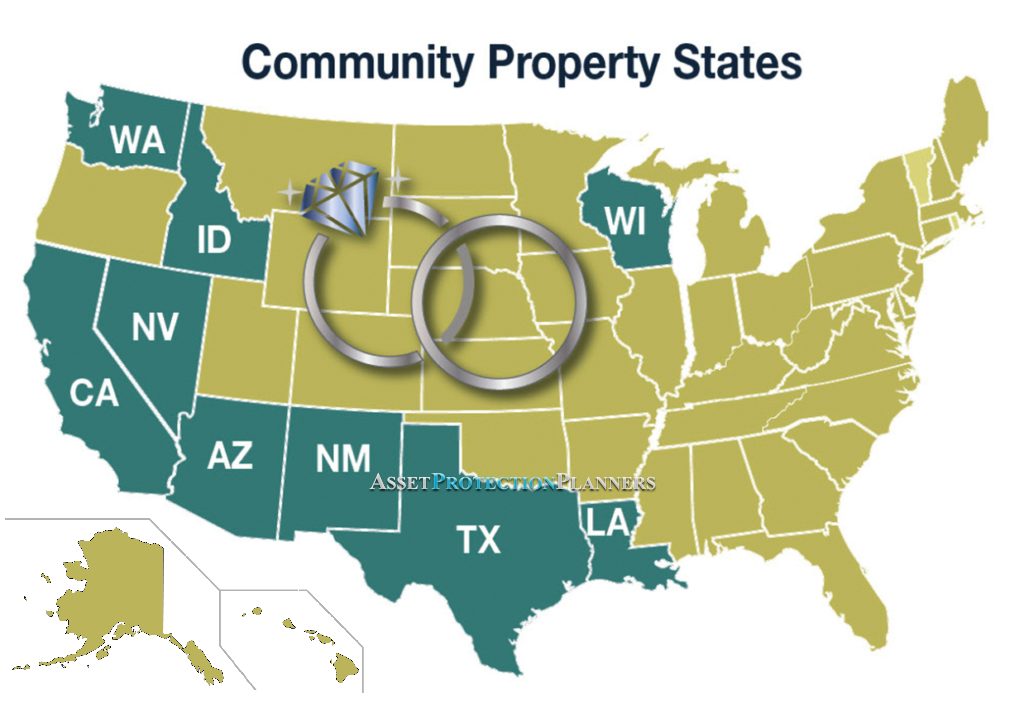
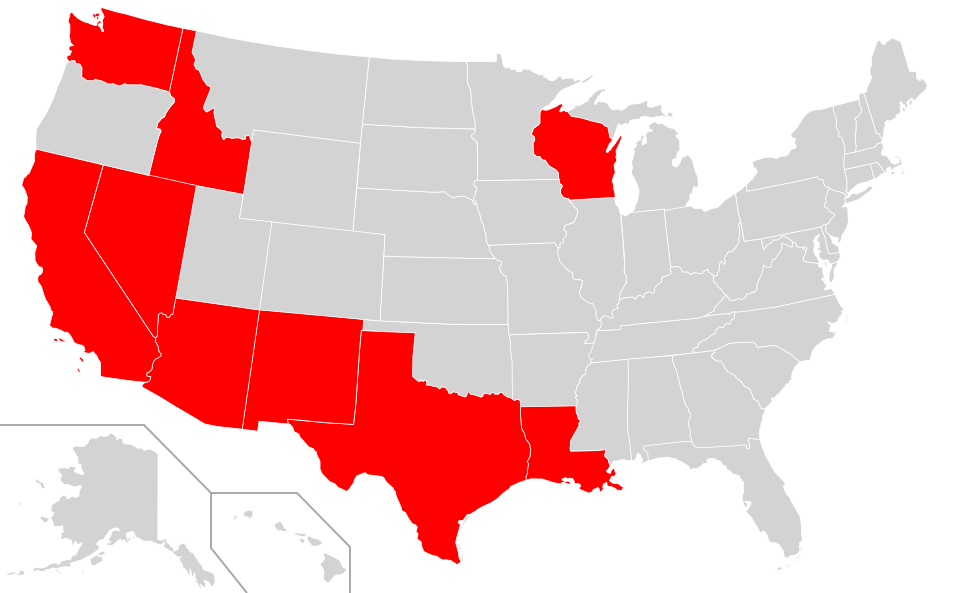
In community property states, all assets and debts acquired by either spouse during the marriage are considered jointly owned, regardless of whose name is on the title or who earned the income. This typically means a 50/50 split upon divorce. States like California, Texas, and Arizona operate under this system. For couples moving to such a state, every home purchased, every dollar earned, and every piece of furniture acquired is presumptively half theirs.
Conversely, equitable distribution states (the majority of United States jurisdictions) do not mandate an equal split of marital assets. Instead, assets are divided in a manner deemed “fair” or “equitable” by the courts, which does not necessarily mean an even split. Factors considered often include the length of the marriage, each spouse’s financial contributions (monetary and non-monetary, such as homemaking), their economic circumstances, age, health, and future earning capacities. This system offers greater judicial discretion in tailoring property division to individual circumstances.
Why Property Regimes Matter for Your Home and Assets
The distinction between these two systems is critical for anyone planning their life, especially concerning their living arrangements and financial future. For those considering buying a home in Alabama, or even simply moving into a rental, knowing how property is legally treated affects everything from mortgage applications to inheritance planning and, crucially, divorce proceedings. It influences how you might structure ownership of a primary residence, a vacation property on the Gulf Coast, or even a small business operating out of your home office. Understanding these rules ensures that individuals can make informed decisions about their accommodation and investments, protecting their interests regardless of future life changes.
Alabama’s Distinct Approach: Equitable Distribution and Your Home
So, where does Alabama stand in this dichotomy? Alabama is definitively not a community property state. It follows the principle of equitable distribution. This means that when a marriage ends, marital assets and debts are divided fairly, but not necessarily equally, by the courts.
The Foundations of Alabama’s Property Laws
Alabama’s property laws are rooted in a combination of statutory provisions and common law principles. The courts in Alabama have broad discretion in determining what constitutes an equitable division of property. There isn’t a rigid formula, which necessitates a careful, case-by-case evaluation of various factors that influence the court’s decision. This flexibility aims to achieve a just outcome, recognizing the diverse contributions and needs of each spouse. The legal framework is designed to prevent undue hardship and ensure that both parties can maintain a reasonable standard of living post-divorce, especially concerning their ability to secure new accommodation or retain existing property.
How Marital Property is Defined in the Heart of Dixie
In Alabama, “marital property” generally refers to all assets acquired by either spouse from the date of marriage until the date of divorce, or separation. This includes a wide array of assets such as real estate (e.g., the family home in Birmingham, a vacation condo in Gulf Shores), bank accounts, retirement funds, vehicles, furniture, and other personal belongings.
Crucially, “separate property” is distinguished from marital property. Separate property typically includes assets owned by a spouse before the marriage, or assets acquired during the marriage through gift or inheritance from a third party, provided these assets have been kept separate and not commingled with marital assets. For example, if one spouse inherited a house in Montgomery from their parents and kept it exclusively in their name, it would likely remain separate property. However, if that inherited property was used as the marital home, or if marital funds were used to improve it, it could potentially become subject to equitable distribution. This distinction is vital for couples to understand when purchasing or managing their accommodation and other assets.
The Equitable, Not Equal, Division of Accommodation
The concept of “equitable” division in Alabama is central to its legal philosophy. Courts consider a range of factors to achieve a fair outcome:
- Duration of the marriage: Longer marriages often lead to more intertwined assets.
- Age and health of each spouse: These impact future earning capacity and needs.
- Contribution of each spouse to the marriage: This includes financial contributions, as well as contributions as a homemaker or parent. For instance, a spouse who primarily maintained the family home and cared for children might receive a larger share of assets to compensate for career sacrifices.
- The value of each spouse’s separate estate: The court will look at each party’s overall financial picture.
- Custody of minor children: The parent with primary custody might be awarded the family home for a period to maintain stability for the children.
- The sources of income and earning capacities of each spouse.
- Any fault or misconduct during the marriage: While not the primary factor, marital misconduct (e.g., adultery, abuse) can sometimes influence the court’s decision regarding property division.
This discretionary approach means that predicting the exact outcome of property division can be challenging, underscoring the importance of legal counsel when navigating such matters, especially concerning the family home or other significant properties.
Real Estate and Asset Division: What it Means for Your Alabama Accommodation
For many individuals, their home is their most significant asset and their primary form of accommodation. In Alabama, the equitable distribution system has direct and tangible effects on how real estate and other substantial assets are handled during a divorce or separation.
Impact on Homeownership and Real Estate Investments
The marital home is often the largest asset to be divided. An Alabama court might order the sale of the home and divide the proceeds, or it might award the home to one spouse, often with an offsetting payment to the other spouse. For example, if a couple owns a valuable property in Huntsville, and one spouse wishes to remain there, they might be required to refinance the mortgage to buy out the other spouse’s share, or provide an equivalent value from other marital assets.
Investment properties, vacation homes (such as those along the coast near Mobile), and other real estate holdings are also subject to equitable distribution. The court will consider the source of funds used to acquire and maintain these properties, their current market value, and their role in the family’s financial portfolio. The goal is to ensure a fair allocation that reflects each spouse’s contributions and future needs related to their accommodation and financial security.
Business Interests and Other Significant Assets
Beyond real estate, many couples acquire business interests, stocks, bonds, retirement accounts, and other valuable assets during their marriage. These are all considered marital property in Alabama and are subject to equitable distribution. Valuing these assets, especially complex ones like privately held businesses, often requires expert appraisal. The division of such assets can significantly impact a spouse’s ability to maintain their lifestyle and secure future accommodation. For instance, a spouse might receive a larger share of a retirement account in lieu of a portion of a business, based on what the court deems equitable.
Navigating Separation and Divorce: Protecting Your Dwelling
When facing separation or divorce, understanding how your home and other property might be divided is crucial. This knowledge allows individuals to plan proactively for their future accommodation, whether that involves retaining the marital home, finding a new residence, or restructuring their financial assets. Legal advice becomes indispensable here, helping spouses understand their rights and obligations under Alabama’s equitable distribution laws and negotiating a settlement that protects their housing and financial well-being.
Beyond Divorce: Other Accommodation-Related Property Considerations in Alabama
While divorce is a major catalyst for property division, Alabama’s property laws also impact other significant life events, offering tools to manage accommodation and assets proactively.
Prenuptial and Postnuptial Agreements for Property Protection
For couples seeking to define how their assets and accommodation would be handled in the event of divorce or death, prenuptial agreements (signed before marriage) and postnuptial agreements (signed during marriage) are powerful tools. These agreements allow couples to contractually determine which assets remain separate property and how marital property will be divided, potentially overriding the default equitable distribution rules. For example, a prenuptial agreement could specify that a home owned by one spouse prior to marriage will remain entirely their separate property, even if marital funds are later used for its upkeep, or it could define the terms under which a new marital home would be handled. This provides clarity and protection, particularly for individuals with significant pre-marital assets or those entering a second marriage.
Estate Planning and Inheritance: Securing Your Legacy
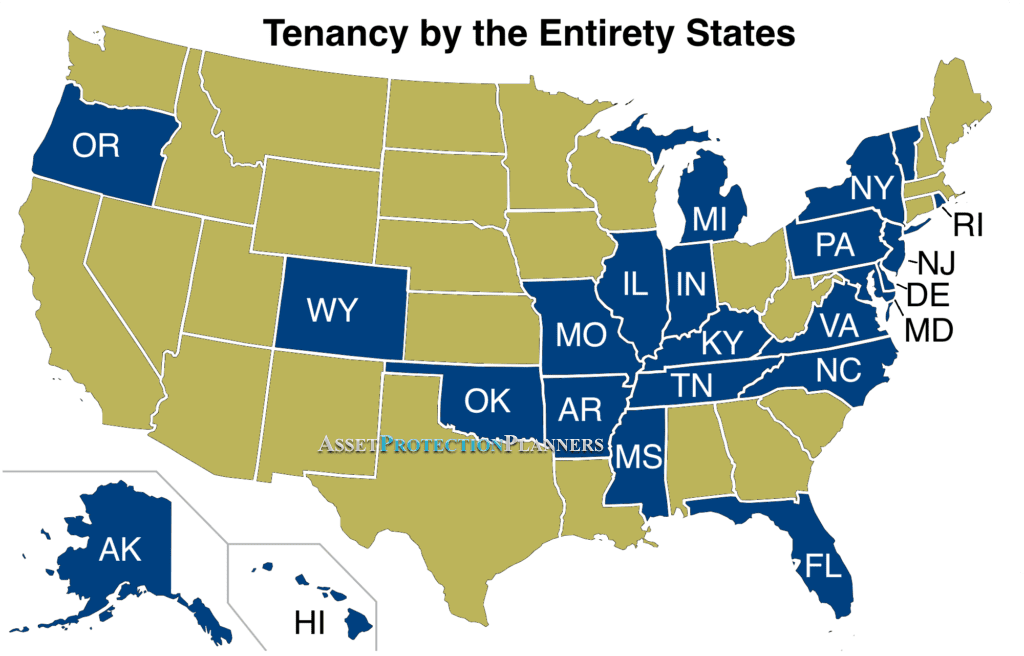
Alabama’s property laws also intertwine with estate planning. How assets are titled (e.g., joint tenancy with right of survivorship vs. tenants in common) can significantly impact how property, including the marital home, passes upon the death of a spouse. In the absence of a will, Alabama’s intestacy laws will dictate the distribution of a deceased spouse’s separate and marital property, which might not align with their wishes. Proper estate planning, including wills and trusts, ensures that your accommodation and other assets are distributed according to your desires, providing security for your loved ones and preventing future disputes.
Non-Marital Property and Its Role in Your Living Situation
As mentioned, property acquired before marriage, or by gift or inheritance during marriage, is generally considered non-marital property. However, it’s crucial to prevent “commingling,” where separate property becomes mixed with marital property, potentially transforming it into marital property. For instance, if you sell a separate property home in Florida and use the proceeds to make a down payment on a marital home in Alabama, that down payment might lose its separate property status. Maintaining clear records and separate accounts is vital for preserving the distinction of non-marital assets, particularly when they relate to your living situation or investments in accommodation.
Making Informed Decisions: Securing Your Accommodation in Alabama
Understanding Alabama’s equitable distribution system is more than just a legal technicality; it’s a critical component of responsible financial planning and securing your future accommodation in the state. Whether you are contemplating marriage, purchasing a new home, relocating to a vibrant city like Dothan, or navigating a significant life change, knowing how your property will be treated under state law is indispensable.
Seeking Professional Guidance for Your Alabama Home
Given the discretionary nature of equitable distribution in Alabama, obtaining legal counsel from a qualified Alabama family law attorney is highly recommended. An attorney can provide personalized advice tailored to your specific circumstances, help you understand your rights and obligations, assist in drafting prenuptial or postnuptial agreements, and represent your interests in property division negotiations or court proceedings. Their expertise ensures that your accommodation-related assets are handled fairly and effectively, minimizing stress and securing your financial future.
Planning Your Future: Proactive Steps for Property Owners
For those living or planning to live in Alabama, proactive planning is key. Maintain thorough records of all assets and debts, especially those acquired before or during marriage. Consider a prenuptial or postnuptial agreement if you wish to deviate from the default equitable distribution rules. Regularly review your estate plan to ensure it reflects your current wishes regarding the distribution of your property, including your home. By taking these steps, you can confidently secure your accommodation and financial well-being within Alabama’s distinct legal framework.
In conclusion, Alabama stands firm as an equitable distribution state, not a community property one. This distinction fundamentally shapes how property, particularly one’s home and other significant assets, is treated within a marriage and upon its dissolution. For residents and prospective residents, embracing this legal reality is essential for sound financial planning and peace of mind regarding their long-term accommodation and investments in the beautiful state of Alabama.
LifeOutOfTheBox is a participant in the Amazon Services LLC Associates Program, an affiliate advertising program designed to provide a means for sites to earn advertising fees by advertising and linking to Amazon.com. Amazon, the Amazon logo, AmazonSupply, and the AmazonSupply logo are trademarks of Amazon.com, Inc. or its affiliates. As an Amazon Associate we earn affiliate commissions from qualifying purchases.