
Alaska, the “Last Frontier,” conjures images of vast, untamed wilderness, towering glaciers, and abundant wildlife. For many, it represents the ultimate adventure, a destination unlike any other. However, the sheer remoteness and unique logistical challenges of this massive state inevitably lead to a crucial question for prospective travelers: Is Alaska expensive? The answer, as with many things concerning this grand landscape, is nuanced. While Alaska can certainly be a budget-buster, it also offers avenues for more affordable exploration, depending on your travel style, priorities, and the time of year you choose to visit.
Understanding the Cost Factors
Alaska’s expense is not a monolithic entity; it’s a tapestry woven from various interconnected threads. Understanding these fundamental cost drivers is the first step to planning a trip that aligns with your financial expectations.

Remoteness and Logistics
The most significant factor contributing to Alaska’s perceived expense is its sheer size and isolation. Unlike traveling within the contiguous United States, getting to and around Alaska often involves longer flights, and once there, the vast distances between key attractions necessitate specific transportation methods.
Transportation Costs
- Airfare: Flights to major Alaskan hubs like Anchorage or Fairbanks can be substantial, especially if booked last minute or during peak season. Direct flights are less common from many parts of the world, often adding layovers and increasing the overall airfare.
- In-State Travel: Once in Alaska, traversing the state can be costly.
- Rental Cars: While available in major cities, rental car prices can be significantly higher than in the Lower 48, particularly for longer rental periods or larger vehicles needed for navigating gravel roads. The limited number of rental companies and high demand contribute to this.
- Cruises: Alaska cruises offer a convenient way to see a significant portion of the coastline and its glaciers, but the upfront cost can be high, encompassing accommodation, meals, and transportation.
- Train Travel: The Alaska Railroad provides a scenic and comfortable way to travel between cities like Anchorage, Fairbanks, and Seward. While offering stunning vistas, the ticket prices reflect the unique service and infrastructure required.
- Ferries: The Alaska Marine Highway System offers a more budget-friendly alternative for coastal travel, allowing you to move between towns and islands without a car, though schedules can be limited and journeys long.
- Internal Flights: For reaching remote lodges or communities, small bush plane flights are often necessary, and these can be a significant expense.
Accommodation Styles
Alaska offers a diverse range of lodging options, each with its own price point. The type of accommodation you choose will have a direct impact on your budget.
- Luxury Resorts and Lodges: For those seeking comfort and premium amenities, Alaska boasts several high-end resorts and remote lodges, particularly in areas like Denali National Park or along the coast. These typically include gourmet dining, guided activities, and stunning views, but come with a significant price tag.
- Mid-Range Hotels and Inns: In larger towns like Anchorage, Juneau, and Fairbanks, you’ll find a good selection of standard hotels and inns. Prices here are more comparable to other major tourist destinations, though still potentially elevated during peak season.
- Budget-Friendly Options: Hostels, bed and breakfasts, and smaller, independent motels can offer more affordable stays, especially outside the most popular tourist hubs. Camping and RV parks are also abundant and represent the most economical lodging choice.
- Unique Stays: Consider unique accommodations like remote cabins, glamping tents, or even staying on a fishing lodge. These can sometimes offer a good balance of experience and cost.
Food and Dining
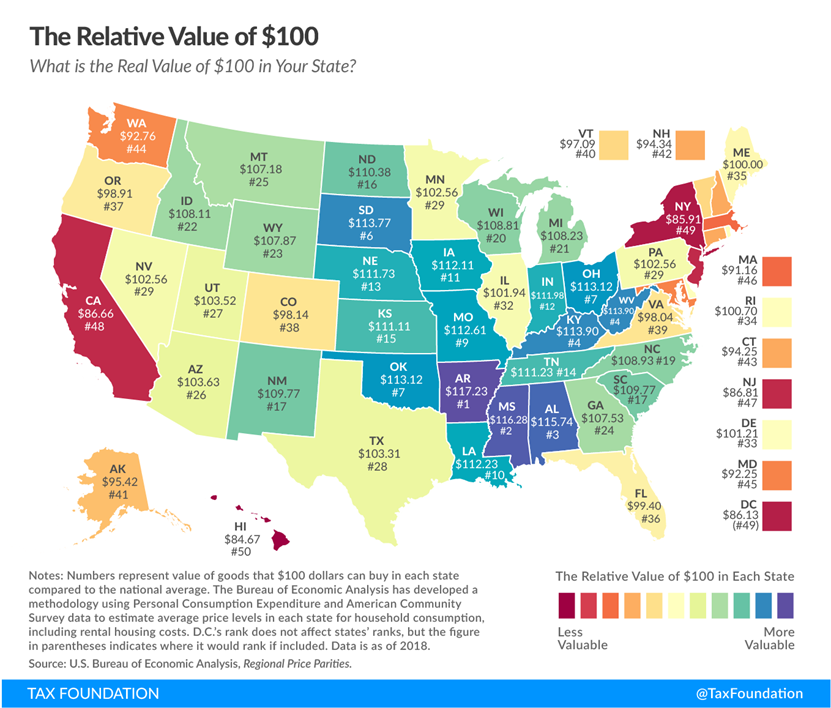
Food costs in Alaska can also be higher due to the same logistical challenges that affect other goods and services.
- Groceries: If you plan to self-cater, expect grocery prices to be somewhat elevated compared to the continental U.S. This is particularly true for fresh produce and imported goods in more remote locations.
- Dining Out: Restaurants in tourist areas, especially those offering seafood or fine dining experiences, will reflect higher operating costs. However, local diners and cafes in less tourist-centric towns can offer more reasonably priced meals.
- Experiencing Local Flavors: While some local delicacies like Alaskan king crab or wild salmon can be expensive, they are often a worthwhile splurge for the authentic experience.
Activities and Tours
Alaska is renowned for its incredible natural attractions and adventure activities. While many can be enjoyed independently, guided tours and excursions often represent a significant portion of a traveler’s budget.
- Wildlife Viewing Tours: Whether it’s a bear-watching excursion by boat in Kodiak, a whale-watching trip from Juneau, or a guided trek in Denali, these specialized tours can be expensive but offer unparalleled opportunities to witness Alaska’s wildlife.
- Glacier Exploration: Helicopter tours with glacier landings, ice cave explorations, or even guided glacier hikes can be costly but provide intimate encounters with these majestic ice formations.
- Adventure Sports: Activities like white-water rafting, kayaking, zip-lining, and flightseeing tours all come with associated costs that add up.
- National Park Entrance Fees: While many of Alaska’s natural wonders are free to access, specific areas within national parks or managed attractions may have entrance fees or permit requirements.
Strategies for Budget Travel in Alaska
Despite the potential for high costs, Alaska can be explored without breaking the bank. Strategic planning and a willingness to embrace a more independent travel style can make a significant difference.
Timing Your Visit
The seasonality of travel in Alaska plays a crucial role in pricing.
- Peak Season (June to August): This is the most popular time to visit, with long daylight hours, generally pleasant weather, and all attractions and services fully operational. Consequently, prices for flights, accommodation, and tours are at their highest during these months.
- Shoulder Seasons (May & September): These months offer a compelling balance. You can still experience good weather, fewer crowds, and slightly lower prices. Wildlife viewing can be excellent, and the fall colors in September are spectacular. However, some tour operators might have reduced schedules, and the weather can be more unpredictable.
- Off-Season (October to April): This is the most budget-friendly time to visit, with significantly lower prices for flights and accommodation. However, many tourist services are closed, daylight hours are short, and outdoor activities are limited to winter sports like skiing, dog sledding, and Northern Lights viewing. This is an excellent time for those specifically seeking winter adventures or the aurora borealis.
Accommodation Choices
- Camping: Alaska offers numerous public and private campgrounds. For the truly budget-conscious, dispersed camping on public lands is an option, though it requires self-sufficiency and adherence to Leave No Trace principles.
- Hostels: In larger towns and popular tourist areas, hostels provide dormitory-style beds and private rooms at a fraction of the cost of hotels.
- Vacation Rentals: Renting a cabin or an apartment can be cost-effective, especially for families or groups, allowing for self-catering and a more local experience.
- RV Travel: Renting or bringing an RV allows for flexible travel and accommodation, significantly reducing lodging costs, though RV rental itself can be a considerable expense.
Transportation Hacks
- Book in Advance: For flights and rental cars, booking months ahead is essential to secure the best prices.
- Consider Alternatives to Rental Cars: If your itinerary focuses on specific regions or cities, you might be able to rely on public transport, ferries, or organized tours for local movement.
- Embrace the Alaska Railroad: While not always the cheapest, it offers a unique and scenic way to travel between major points, often including meals and onboard services, which can offset other costs.
- Utilize the Alaska Marine Highway System: For coastal exploration, the state ferry system is an economical way to travel, especially if you are not in a hurry.
Food Savings
- Self-Catering: Staying in accommodations with kitchens or kitchenettes and preparing your own meals is the most effective way to save on food costs. Visit local grocery stores for supplies.
- Picnics: Pack lunches and snacks for your daily excursions, especially when visiting national parks or remote areas where dining options are limited and expensive.
- Happy Hours and Local Eateries: Seek out local pubs and diners for more affordable meals, and take advantage of happy hour specials.
Activity Planning
- Prioritize: Decide which activities are most important to you and allocate your budget accordingly. You don’t need to do every expensive tour.
- Free and Low-Cost Activities: Alaska offers an abundance of natural beauty that can be enjoyed for free or at minimal cost. Hiking, exploring national park visitor centers, scenic drives, and simply soaking in the landscapes are all incredibly rewarding and budget-friendly.
- DIY Exploration: Many areas can be explored independently with a good map and some planning. For instance, instead of a pricey guided glacier hike, you might be able to access viewpoints or walk to the base of a glacier from a park road.
- Look for Package Deals: Sometimes, booking accommodation and tours as a package can offer savings.

Is Alaska Worth the Cost?
Ultimately, the question of whether Alaska is “expensive” hinges on your definition of value. For many, the unparalleled natural beauty, the sense of wilderness, the unique wildlife encounters, and the sheer grandeur of the landscape are priceless. The memories forged on an Alaskan adventure – spotting a humpback whale breaching, witnessing the ethereal glow of the Northern Lights, or standing in awe before a colossal glacier – are often considered well worth the investment.
While it’s true that Alaska demands a higher budget than many other travel destinations, it doesn’t have to be prohibitively so. By understanding the cost factors, planning strategically, and embracing a flexible and resourceful approach to travel, you can experience the magic of the Last Frontier without overspending. The key lies in prioritizing, researching, and being open to a variety of experiences that cater to both your sense of adventure and your financial comfort zone. Alaska is an investment in an experience that will undoubtedly leave a lasting impression, regardless of how much you spend.
LifeOutOfTheBox is a participant in the Amazon Services LLC Associates Program, an affiliate advertising program designed to provide a means for sites to earn advertising fees by advertising and linking to Amazon.com. Amazon, the Amazon logo, AmazonSupply, and the AmazonSupply logo are trademarks of Amazon.com, Inc. or its affiliates. As an Amazon Associate we earn affiliate commissions from qualifying purchases.