
Understanding the Distance and Drive Time
For many travelers planning an exploration of Maine’s captivating coastline and natural wonders, the question of proximity between Portland and Acadia National Park is a primary logistical concern. Fortunately, the two destinations, while offering distinct yet complementary experiences, are conveniently situated to allow for a seamless integration into a broader New England itinerary. The driving distance between Portland and Acadia National Park is approximately 175 miles, a journey that typically takes between 3 to 3.5 hours under normal traffic conditions. This timeframe is crucial for those looking to maximize their time at either location or planning day trips.
The primary route most travelers will utilize is Interstate 95 North for a significant portion of the drive. This well-maintained highway offers a relatively straightforward path, punctuated by scenic stretches of the Maine countryside. As one approaches the Bangor area, the route will transition onto US Route 1A and then Maine State Route 3 to reach Bar Harbor, the primary gateway town to Acadia National Park.
Several factors can influence the actual drive time. Traffic, particularly during peak summer months or on weekends, can extend the journey, especially around Portland and approaching Bar Harbor. Road construction, while less common in the shoulder seasons, can also cause delays. It is always advisable to check real-time traffic conditions before departing. For those who prefer a more leisurely pace, or wish to incorporate stops at charming coastal towns along the way, the driving time can be extended to accommodate such experiences, transforming the transit into an integral part of the overall travel adventure.
Factors Affecting Travel Time
Several variables can impact the time it takes to travel from Portland to Acadia National Park, necessitating careful planning for visitors.
Traffic Conditions
During the summer tourist season, particularly from June through August, Portland and the roads leading to the coast can experience significant traffic congestion. Weekends are also particularly prone to increased vehicle volume as both locals and tourists embark on excursions. Early morning departures or late afternoon arrivals can sometimes mitigate the worst of these traffic jams. Conversely, the shoulder seasons of spring and fall often offer a more relaxed driving experience with fewer vehicles on the road.
Roadwork and Construction
While less predictable, road construction projects can cause unexpected delays. The Maine Department of Transportation typically schedules major work during off-peak seasons, but occasional disruptions can occur. It is prudent to monitor local news or official transportation websites for any planned road closures or significant construction zones that might affect your route.
Choice of Route
While the most direct route via Interstate 95 is generally the quickest, alternative routes exist. Opting for coastal roads, such as sections of US Route 1, can offer breathtaking scenery but will undoubtedly increase travel time due to lower speed limits, town crossings, and the desire to stop at various points of interest. For instance, exploring towns like Kennebunkport or Camden might add hours but enrich the travel experience considerably.
Strategic Planning for Your Journey
The distance between Portland and Acadia National Park is more than just mileage; it represents an opportunity to curate a travel experience tailored to individual preferences and time constraints. Whether one seeks the most efficient path to immerse oneself in the rugged beauty of Acadia or desires a more leisurely exploration of Maine’s charming coastal communities, strategic planning is key.
Direct Travel Options
For visitors prioritizing speed and direct access to Acadia National Park, the most straightforward approach involves utilizing the highway system. Departing from Portland, head north on Interstate 95. This major artery will carry you through the central and eastern parts of the state. The transition points will lead you towards the coast and the vicinity of Bangor, after which you’ll follow signs for US Route 1A and then Maine State Route 3, ultimately arriving in Bar Harbor, the primary gateway town. This route is designed for efficiency, minimizing stops and maximizing forward momentum.
Rental Cars and Navigation
When opting for a direct drive, a reliable rental car is often the preferred mode of transportation. Portland International Jetport offers numerous rental agencies, making it convenient for those arriving by air. Modern GPS navigation systems, whether built into the vehicle or accessed via smartphone apps like Google Maps or Waze, are invaluable for real-time traffic updates and precise turn-by-turn directions. Ensuring your device is fully charged and considering a car charger or portable power bank is a practical tip for longer journeys.
Fuel and Refreshment Stops
While the drive is manageable within a single tank of gas for most vehicles, it’s wise to plan for at least one fuel stop, especially if you’re running low or wish to avoid the higher prices often found in tourist-heavy areas. Major service plazas and smaller independent gas stations are available along Interstate 95. Similarly, planning for meal or restroom breaks is essential. Numerous rest areas are located along the interstate, and towns along the route offer a variety of dining options, from fast food to local diners.
Incorporating Scenic Detours
The allure of Maine extends far beyond its national parks. For travelers with a bit more time and a desire to experience the quintessential charm of the Pine Tree State, incorporating scenic detours significantly enhances the journey. These optional routes transform the drive from a mere transit into an enriching exploration of coastal villages, artisanal shops, and breathtaking vistas.
Coastal Route Exploration
Instead of heading directly inland, consider following US Route 1 for a portion of the journey. This iconic highway hugs the coastline for much of its length in Maine, offering unparalleled ocean views and access to picturesque towns. While this route will add considerable time to your travel – potentially doubling the duration to 6-7 hours or more depending on stops – it allows for exploration of destinations such as:
- Kennebunkport: Renowned for its charming boutiques, galleries, and historic seafaring architecture.
- Ogunquit: Famous for its Marginal Way cliff walk and sandy beaches.
- Camden: A stunning harbor town nestled at the foot of the Camden Hills, offering beautiful views and excellent maritime activities.
- Rockland: Home to the Farnsworth Art Museum and a vibrant arts scene.
These stops provide opportunities to sample fresh Maine lobster, browse local crafts, and simply soak in the coastal atmosphere before continuing towards Acadia.
The Art of the Stopover
Deciding on a stopover point can break up the journey and allow for deeper engagement with a particular locale. Towns like Camden or Rockland are excellent choices for an overnight stay. They offer a range of accommodations, from cozy inns to more upscale hotels, and provide a delightful evening and morning experience before proceeding to Acadia National Park. This approach is particularly beneficial for families or those who wish to avoid a long, single-day drive.
Reaching the Gem of the Maine Coast
The journey from Portland to Acadia National Park is a transition from urban vibrancy to natural grandeur. Understanding the distance and the various routes available empowers travelers to craft an itinerary that aligns perfectly with their aspirations, whether that means a swift arrival at Acadia or a more immersive exploration of Maine’s celebrated coastline.
Arrival in Bar Harbor
Bar Harbor is the quintessential gateway to Acadia National Park. This bustling coastal town serves as the primary hub for visitors, offering a wide array of services, accommodations, and dining options. Upon arrival, visitors will find ample parking, information centers, and the necessary amenities to prepare for their park adventures. The park entrance fees are collected here or at designated points within the park, and it’s advisable to purchase a pass prior to entering the main scenic areas.
Park Entrances and Access
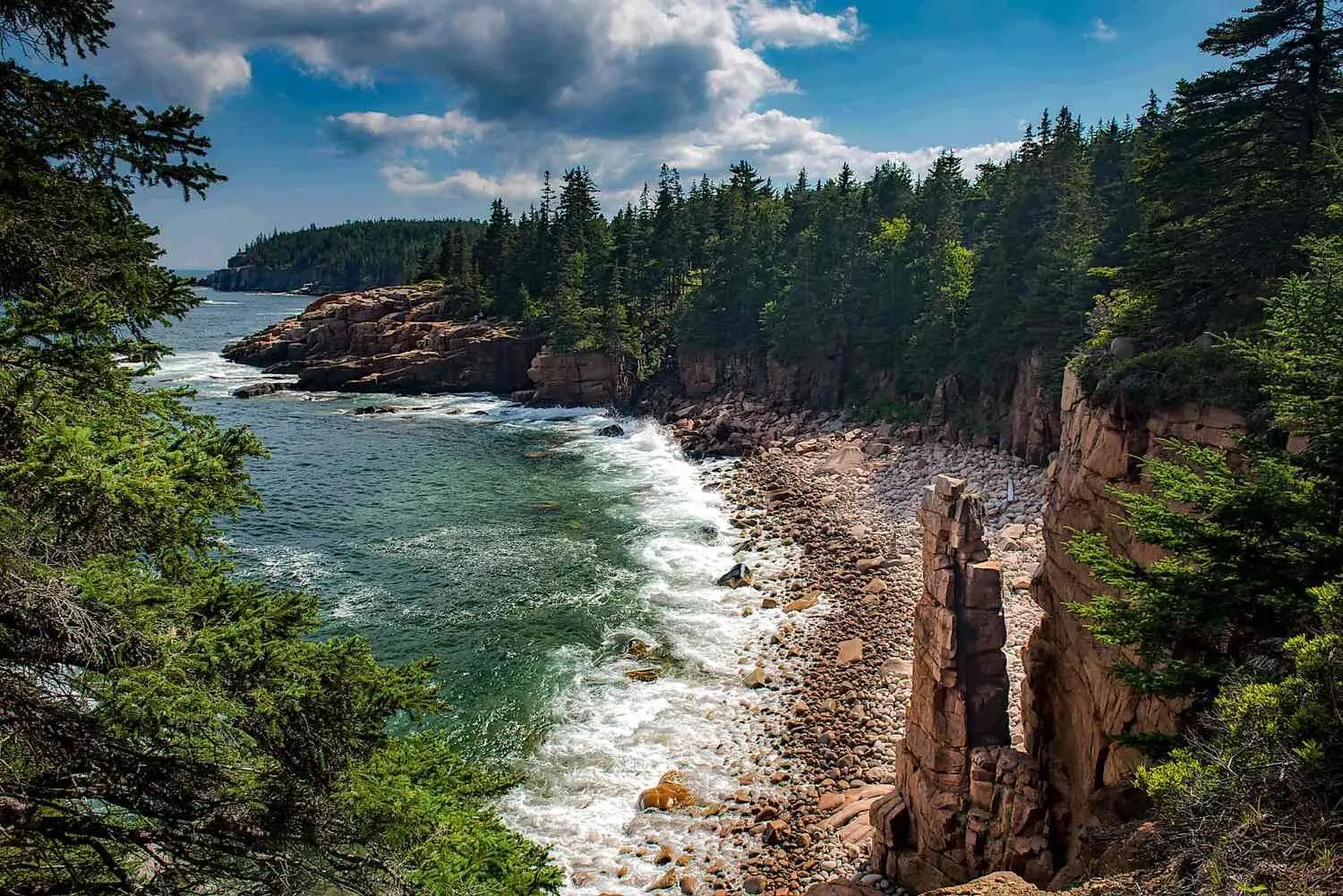
Acadia National Park has several points of entry, with the main entrance typically accessed via Bar Harbor. The scenic Park Loop Road is a must-do for most visitors, offering access to iconic landmarks such as Sand Beach, Thunder Hole, and Otter Cliff. For those staying on the western side of Mount Desert Island, or those arriving from the south, alternative entrances can be utilized to access different sections of the park.
Alternative Transportation Methods
While driving is the most common method, exploring alternative transportation can offer unique perspectives and conveniences for reaching Acadia National Park from Portland.
Bus Services
Limited public transportation options exist between Portland and the Acadia region. While direct bus routes to Bar Harbor might be scarce or infrequent, connecting services can often be arranged through services like Concord Coach Lines, which operate between major Maine cities. From a transit hub like Bangor, local shuttle services or taxi arrangements would be necessary to complete the journey to Acadia National Park. This option is best suited for travelers who prefer not to drive and are comfortable with public transit logistics.

Train Travel (Indirect)
There is no direct train service connecting Portland to Acadia National Park. The closest Amtrak service from Portland would likely take one to Boston, Massachusetts, and from there, onward travel to Maine would require additional bus or car arrangements. Therefore, train travel is not a practical or direct option for this specific journey.
LifeOutOfTheBox is a participant in the Amazon Services LLC Associates Program, an affiliate advertising program designed to provide a means for sites to earn advertising fees by advertising and linking to Amazon.com. Amazon, the Amazon logo, AmazonSupply, and the AmazonSupply logo are trademarks of Amazon.com, Inc. or its affiliates. As an Amazon Associate we earn affiliate commissions from qualifying purchases.