
Birmingham, Alabama, often referred to as the “Magic City,” is a place where a rich and complex history intertwines with a burgeoning modern identity. Its narrative is one of industrial might, profound civil rights struggle, and a vibrant renaissance that continues to shape its present and future. Understanding what has happened in Birmingham is key to appreciating its significance in the American story and its appeal as a destination for those seeking depth and discovery.
The Industrial Crucible and the Birth of a City
The very genesis of Birmingham is intrinsically linked to industry. Founded in 1871, just six years after the end of the American Civil War, its rapid growth was fueled by its strategic location atop vast deposits of coal and iron ore. The Southern Railway Company played a pivotal role in its establishment, recognizing the immense potential for a manufacturing hub in the heart of the Tennessee Valley.

Iron and Steel Dominance
The area quickly became a titan of the iron and steel industry. The creation of steel, a stronger and more versatile material than iron, propelled Birmingham into national prominence. Mills and furnaces, such as those that would eventually form part of the US Steel conglomerate, dominated the landscape, earning the city its “Magic City” moniker due to its astonishingly swift development. The sheer scale of industrial activity attracted a diverse workforce, shaping the city’s early demographics and laying the groundwork for its future challenges and triumphs. This era of industrial prowess cemented Birmingham’s reputation as a powerhouse of Southern industry, a testament to human ingenuity and the exploitation of natural resources. The smoke stacks that once symbolized prosperity now stand as historical markers, reminding visitors of the city’s foundational identity.
A Diverse Working Class
The demands of the burgeoning industries necessitated a large labor force, drawing individuals from rural Alabama and immigrants from various countries. This influx created a rich tapestry of cultures and traditions, albeit often within a socially stratified environment. The communities that sprang up around the industrial sites, like Woodlawn and Ensley, developed distinct identities shaped by their shared experiences and the demanding nature of their work. This period, while marked by economic growth, also sowed the seeds of social and racial tensions that would define much of the city’s subsequent history.
The Frontlines of the Civil Rights Movement
While Birmingham’s industrial might was undeniable, its history is perhaps most indelibly marked by its role as a central battleground in the Civil Rights Movement. The stark realities of segregation and racial injustice made Birmingham a focal point for activists seeking to dismantle Jim Crow laws. The 1950s and 1960s witnessed a series of pivotal events that captured the nation’s attention and galvanized the movement.
The Birmingham Campaign of 1963
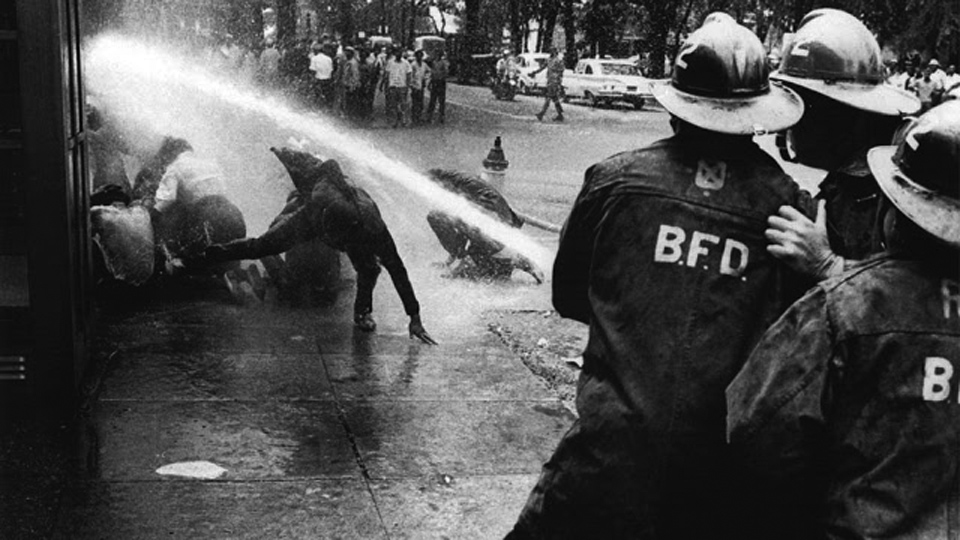
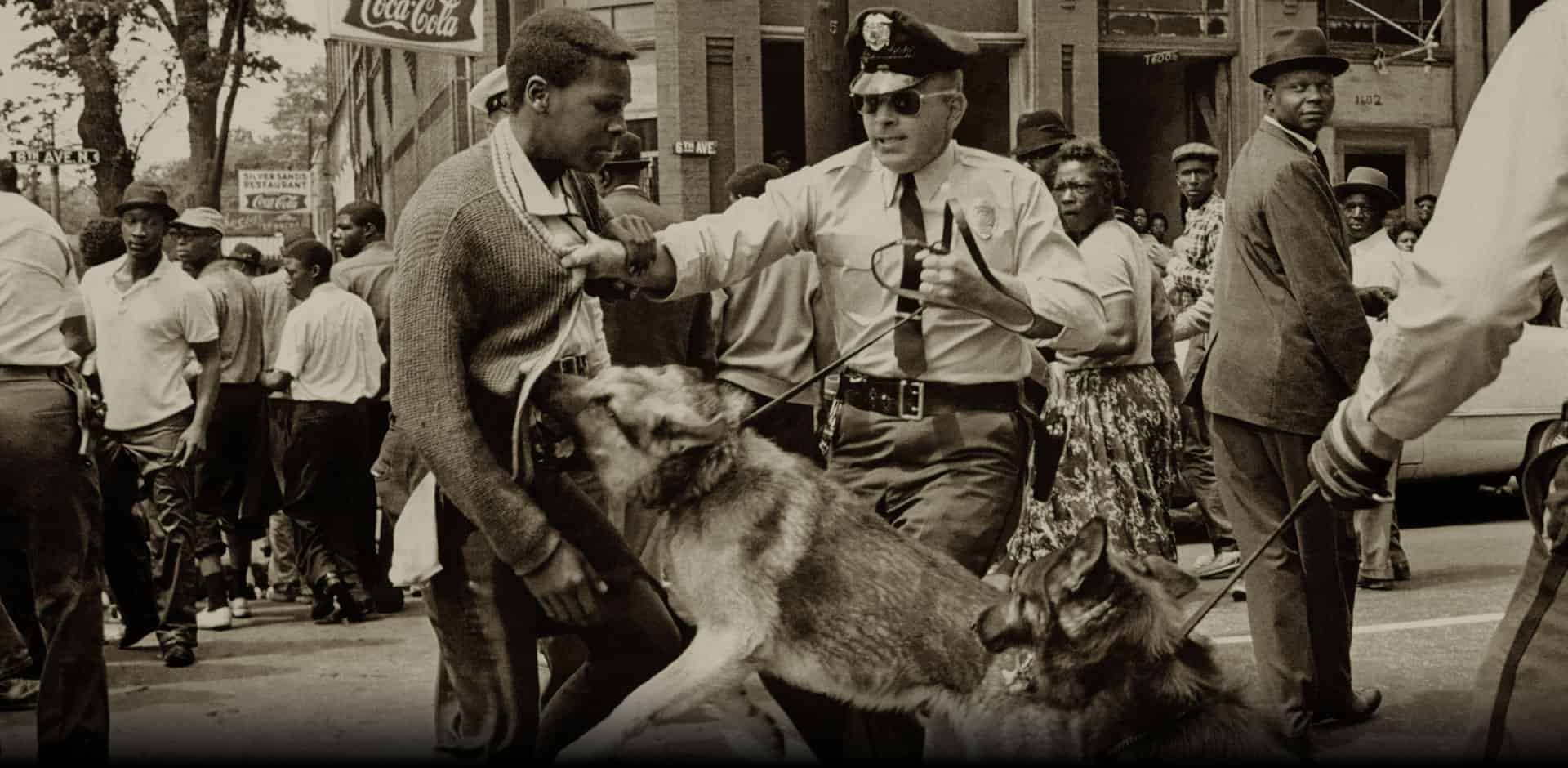
The Southern Christian Leadership Conference (SCLC) and its leaders, including Dr. Martin Luther King Jr., strategically chose Birmingham for a major campaign of nonviolent direct action in the spring of 1963. The city, under the notoriously segregationist Commissioner of Public Safety Eugene “Bull” Connor, responded with brutal force. Images of police dogs attacking peaceful demonstrators and high-pressure fire hoses being turned on children, broadcast nationwide, shocked the conscience of America and the world. This campaign was instrumental in highlighting the severity of racial oppression and building public support for federal civil rights legislation.
Landmarks of the Struggle
Key locations in Birmingham still bear witness to these pivotal moments. The 16th Street Baptist Church, tragically bombed in 1963, killing four young girls, stands as a solemn memorial to the sacrifices made. The Kelly Ingram Park, adjacent to the church, served as a staging ground for many demonstrations and is now a powerful outdoor museum with sculptures depicting the struggle. Visiting these sites offers a profound connection to the courage and resilience of those who fought for equality. The Birmingham Civil Rights Institute, located near these landmarks, provides comprehensive historical context and personal narratives that are both educational and deeply moving.
A City Reborn: Renaissance and Resilience
Following the seismic shifts brought about by the Civil Rights Movement, Birmingham embarked on a journey of transformation. The city grappled with its past while striving to build a more inclusive and prosperous future. This period of renewal, often termed the “Birmingham Renaissance,” has seen the city diversify its economy, embrace its cultural heritage, and become a vibrant center for arts, education, and innovation.
Economic Diversification and Innovation
While the dominance of heavy industry has waned, Birmingham has successfully transitioned into a diversified economy. Key sectors now include healthcare, finance, technology, and advanced manufacturing. The presence of major medical institutions like the University of Alabama at Birmingham (UAB) has not only made Birmingham a leading center for medical research and treatment but also a significant employer and driver of economic growth. Startup incubators and venture capital firms are increasingly finding fertile ground in the city, fostering a new generation of entrepreneurs.
Cultural Flourishing and Urban Revitalization
Birmingham’s cultural landscape has flourished alongside its economic resurgence. The Birmingham Museum of Art boasts impressive collections, and the Alabama Theatre and the historic Lyric Theatre host a variety of performances. The revitalization of downtown areas, particularly the Lakeview District and the uptown district, has brought new life with restaurants, bars, and entertainment venues. Festivals and community events are now a regular feature, celebrating the city’s diverse population and fostering a strong sense of civic pride.
Culinary Delights and Southern Hospitality
Birmingham’s culinary scene has garnered national acclaim. It’s a city that takes its food seriously, from its deep-rooted Southern cuisine traditions to its innovative new wave of chefs. Celebrated eateries like Highlands Bar and Grill have earned prestigious awards, showcasing a commitment to fresh, local ingredients and refined techniques. From classic barbecue joints to upscale dining experiences, Birmingham offers a diverse gastronomic adventure that reflects its evolving identity and its enduring Southern charm. The emphasis on farm-to-table dining and the passion of its chefs contribute to an exciting and dynamic food culture that is a significant draw for visitors.
In essence, what happened in Birmingham, Alabama, is a compelling narrative of transformation. From its origins as an industrial powerhouse to its pivotal role in the fight for civil rights, and its subsequent rebirth as a modern, dynamic city, Birmingham’s story is one of resilience, progress, and a unique cultural identity that continues to captivate and inspire. It is a destination that offers a profound journey through American history and a vibrant glimpse into its promising future.
LifeOutOfTheBox is a participant in the Amazon Services LLC Associates Program, an affiliate advertising program designed to provide a means for sites to earn advertising fees by advertising and linking to Amazon.com. Amazon, the Amazon logo, AmazonSupply, and the AmazonSupply logo are trademarks of Amazon.com, Inc. or its affiliates. As an Amazon Associate we earn affiliate commissions from qualifying purchases.