
Without a doubt, the answer is a resounding yes. Alaska stands as the largest state in the United States by a remarkable margin, a fact that barely scratches the surface of its profound mystique and unparalleled grandeur. Often referred to as “The Last Frontier,” Alaska is more than just a place on a map; it’s an expansive realm of untamed wilderness, breathtaking landscapes, and an adventurer’s paradise that captivates the imagination. For travelers, hoteliers, and tourism enthusiasts alike, understanding the sheer scale and diverse offerings of Alaska is key to appreciating its unique position as a top-tier destination. From its towering mountain ranges to its vibrant coastal communities, Alaska presents an extraordinary tapestry of experiences, blending rugged exploration with glimpses into unique cultures and serene natural beauty. This article delves into what makes Alaska not only the biggest state but also one of the most compelling destinations in the world, exploring its geographical marvels, diverse attractions, accommodation options, and the distinct lifestyle it offers.
The Sheer Scale of the Last Frontier: A Geographical Marvel
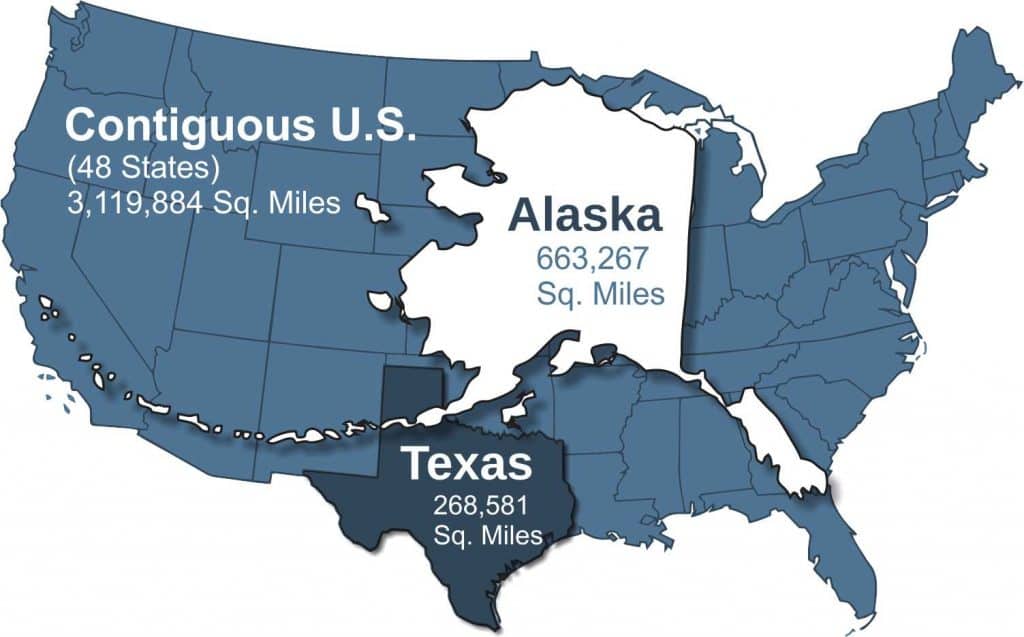
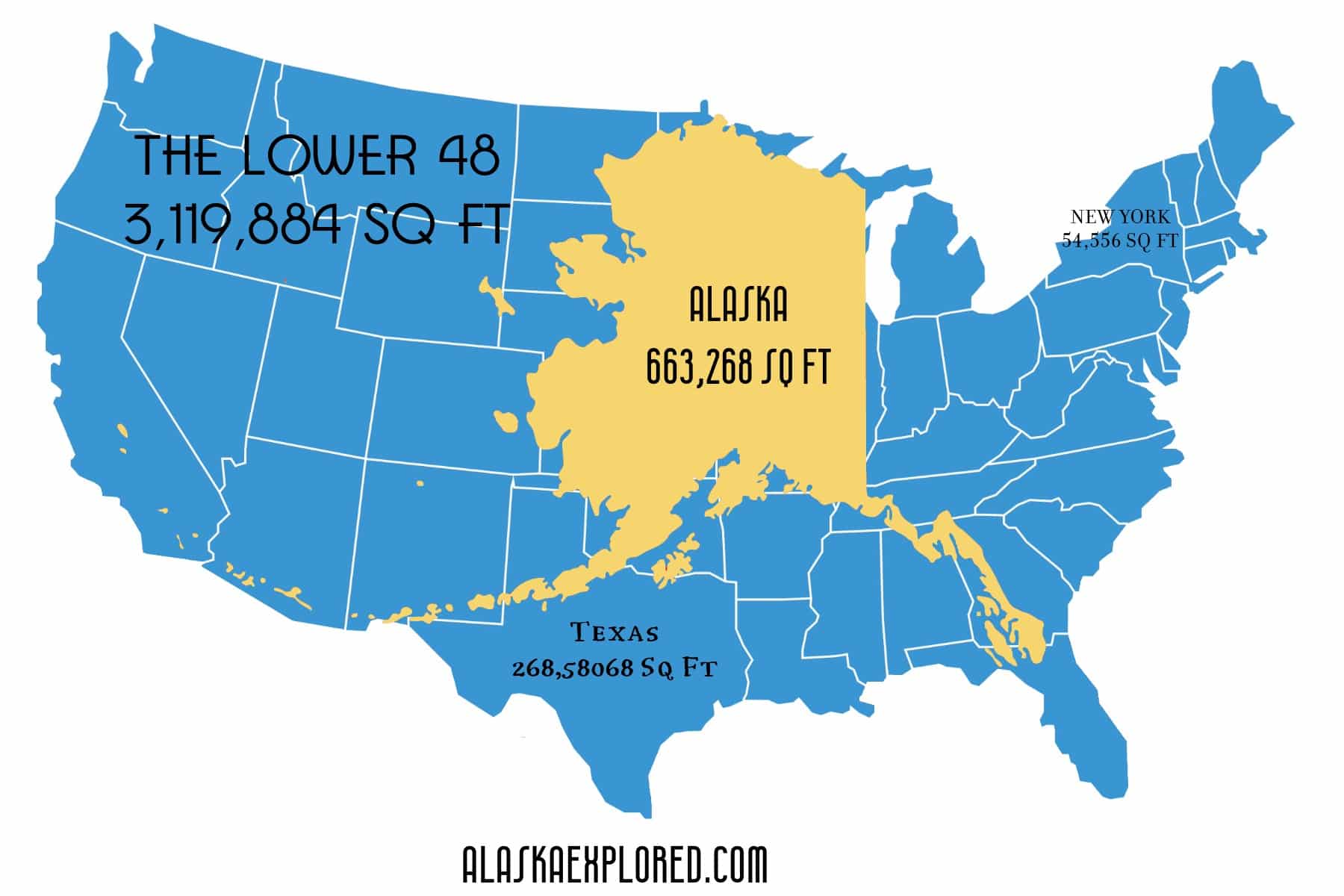
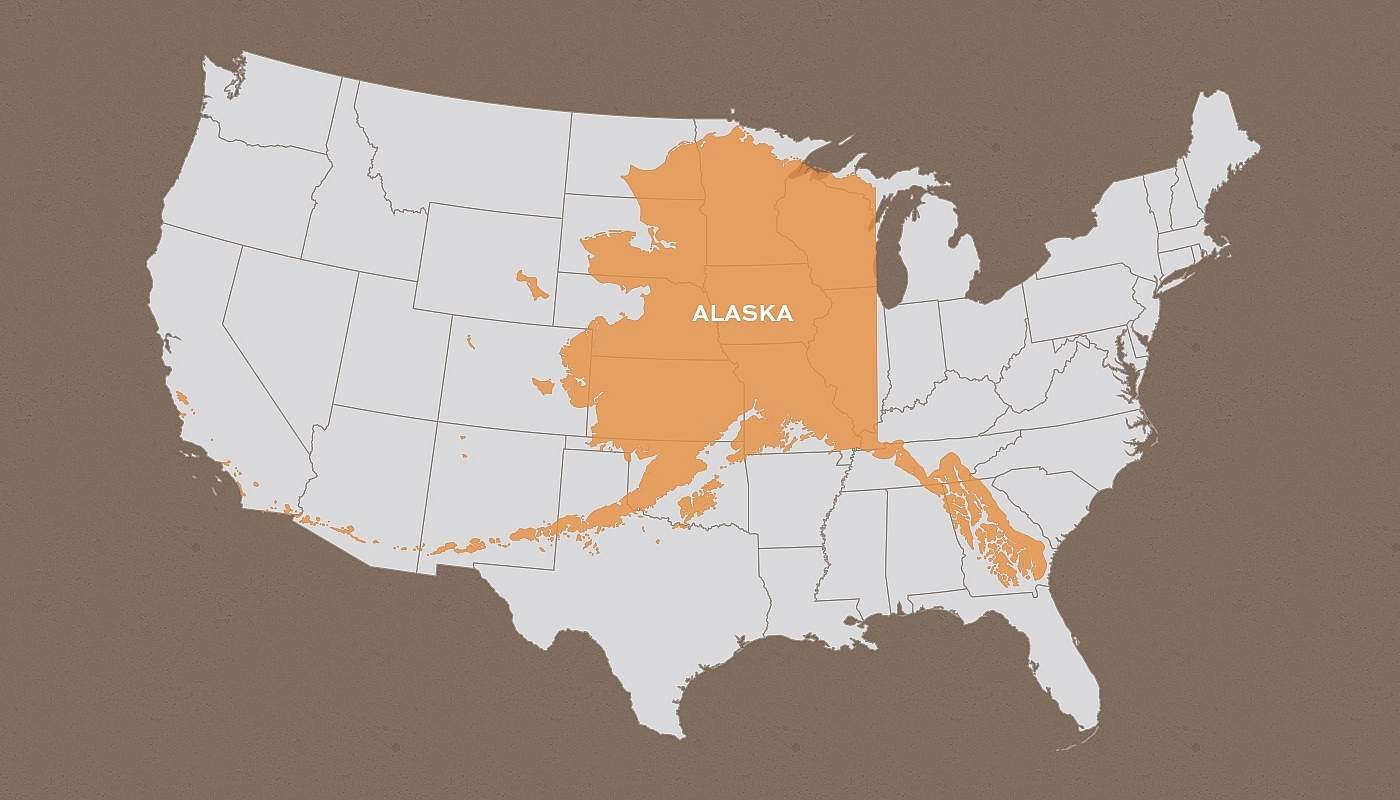
The statistics alone paint an astonishing picture of Alaska’s size. Spanning over 663,000 square miles (1.7 million square kilometers), it is more than twice the size of Texas, the next largest state. To put this into perspective, if Alaska were a country, it would be the 17th largest in the world, surpassing nations like Iran and Mongolia. Its vastness means it shares borders not just with Canada’s Yukon Territory and British Columbia but also has a maritime border with Russia across the Bering Strait. This immense geographical footprint encompasses an incredible diversity of ecosystems, from the temperate rainforests of its southeastern panhandle to the arctic tundra of its northern slopes, and the expansive interior boreal forests. The state also boasts an incredibly long coastline, stretching over 34,000 miles when including all islands and inlets, which is longer than the coastlines of all other U.S. states combined. This unparalleled scale is a fundamental aspect of its appeal, offering endless opportunities for exploration and discovery, making it a dream destination for those seeking grand, untouched landscapes.
Beyond the Numbers: Visualizing Alaska’s Vastness
To truly grasp Alaska’s size, one must consider its practical implications for travel and exploration. Imagine flying from Ketchikan in the southeast to Barrow (now Utqiagvik) on the Arctic coast; this journey covers a distance roughly equivalent to traveling from Florida to Washington State. The state’s landmass is so substantial that it actually spans four time zones, though most of the state observes Alaska Standard Time. This sprawling geography means that travel within Alaska often requires significant planning, relying on small planes, ferries, and the famed Alaska Railroad to access its more remote areas. The state is home to 17 of the 20 highest peaks in the United States, including Denali (formerly Mount McKinley), North America’s tallest mountain, soaring to 20,310 feet. Its rivers, like the mighty Yukon River, are among the longest on the continent, and its glaciers, such as the Hubbard Glacier, are some of the largest and most active in the world, constantly carving and reshaping the landscape. This vastness ensures that visitors can find solitude and genuine wilderness experiences, a rarity in an increasingly connected world.
Geographical Marvels: From Tundra to Rainforests
Alaska’s immense size translates into an unparalleled diversity of natural environments. The southeast panhandle, part of the Inside Passage, is characterized by temperate rainforests, fjords, and a myriad of islands, home to ancient Tlingit and Haida cultures. Here, lush greenery meets icy waters, creating a dramatic landscape perfect for Alaskan Cruises. Moving inland, the vast interior is dominated by boreal forests, known as the taiga, and braided rivers, with long summer days and bitterly cold winters. This is the domain of Denali National Park and Preserve, where wildlife like grizzly bears, caribou, moose, and wolves roam freely. Further north, above the Arctic Circle, lies the treeless arctic tundra, a land of permafrost, polar bears, and the mesmerizing Aurora Borealis (Northern Lights). The western and southwestern coasts feature volcanic islands, like the Aleutian Islands, and abundant marine life in the Bering Sea. Each region offers a distinct experience, from glacier trekking in Prince William Sound to bear viewing in Katmai National Park and Preserve, cementing Alaska’s status as a diverse ecological wonderland.
Unveiling Alaska’s Diverse Landscapes and Attractions
Beyond its sheer size, Alaska’s allure lies in its extraordinary array of landscapes and attractions. It’s a destination that caters to a wide spectrum of interests, from intrepid adventurers and wildlife photographers to those seeking tranquil natural beauty and rich cultural immersion. The state’s commitment to preserving its wild spaces means that much of its grandeur remains untouched, offering authentic wilderness experiences unparalleled elsewhere. Visitors can explore vibrant coastal towns steeped in history, embark on thrilling wildlife safaris, witness the calving of massive glaciers, or delve into the unique heritage of Alaska’s indigenous peoples. The sheer breadth of activities ensures that every trip to Alaska is a journey of discovery, offering memories that last a lifetime and highlighting why it’s a prime target for tourism development and unique travel experiences.
Majestic National Parks and Wilderness Areas
Alaska is home to eight national parks, more than any other state, protecting vast swathes of its iconic wilderness. Denali National Park and Preserve is perhaps the most famous, centered around North America’s highest peak and offering unrivaled opportunities for wildlife viewing and backcountry hiking. Here, the chance to spot grizzly bears, moose, caribou, and wolves in their natural habitat is a major draw. Kenai Fjords National Park, located near Seward, showcases a dramatic landscape of tidewater glaciers, rugged coastlines, and abundant marine life, including whales, seals, and puffins, best explored by boat tours. Glacier Bay National Park and Preserve, accessible primarily by cruise ship or small plane from Juneau, is a UNESCO World Heritage Site renowned for its active glaciers and diverse ecosystem. Further afield, Wrangell-St. Elias National Park and Preserve, the largest national park in the United States, protects a massive landscape of mountains, glaciers, and historic mining towns like Kennecott, offering unparalleled mountaineering and wilderness adventures. These parks are jewels in the crown of Alaska’s natural heritage, providing critical habitats and extraordinary experiences for visitors.
Coastal Charms and Island Escapes
Alaska’s extensive coastline is dotted with picturesque towns and remote islands, each offering a unique glimpse into the state’s maritime culture and natural beauty. Juneau, the state capital, is a vibrant city nestled between mountains and the Gastineau Channel, accessible only by air or sea. It serves as a gateway to the Mendenhall Glacier and offers excellent whale watching opportunities. Ketchikan, known as the “Salmon Capital of the World,” is famous for its colorful Creek Street, rich Tlingit culture, and abundant totem poles. Sitka, with its Russian heritage and stunning views of the Pacific Ocean and volcanic peaks, offers a blend of history and nature. Seward, a charming port town, is the gateway to Kenai Fjords National Park and a hub for fishing and marine tours. Further south, Homer, situated on the famous Homer Spit, is a haven for artists, fishermen, and those seeking world-class halibut fishing. These coastal destinations provide accessible entry points to Alaska’s wild beauty, offering a blend of cultural exploration and outdoor adventure.
Urban Gateways to the Wild
While much of Alaska is wilderness, its main cities serve as crucial hubs for visitors, providing amenities, cultural experiences, and easy access to outdoor adventures. Anchorage, the largest city in Alaska, is a modern metropolis surrounded by wilderness. It offers a wide range of Hotels, Restaurants, and cultural attractions, including the Anchorage Museum, while also serving as a major transportation hub with an international airport. From Anchorage, travelers can easily reach destinations like Girdwood for skiing and hiking, or Talkeetna for scenic flights around Denali. Fairbanks, located in the interior, is known as the “Golden Heart City” and is the prime location for viewing the Aurora Borealis due to its northern latitude. It also offers unique winter activities like dog sledding and ice sculpting, and acts as a jumping-off point for trips to the Arctic Circle and the vast wilderness beyond. These cities seamlessly blend urban convenience with immediate access to Alaska’s legendary outdoor experiences, making them essential stops on any Alaskan itinerary.
Planning Your Alaskan Adventure: Accommodation and Experiences
Embarking on an Alaskan adventure requires careful planning, especially when it comes to Accommodation and selecting the right experiences to match your travel style. Given the state’s immense size and diverse environments, the options are as varied as the landscapes themselves. From luxurious wilderness lodges providing unparalleled comfort in remote settings to cozy Boutique Hotels in charming towns and convenient city Hotels, Alaska caters to every preference and budget. Moreover, the ways to experience Alaska are equally diverse, ranging from classic Alaskan Cruises that glide through stunning fjords to exhilarating road trips along scenic byways, and immersive wilderness excursions that bring you face-to-face with nature. Understanding these options is crucial for crafting a memorable and fulfilling trip to The Last Frontier.
Lodging in the Land of the Midnight Sun
Alaska’s Accommodation landscape reflects its unique character, offering more than just a place to sleep. Luxury Resorts and Wilderness Lodges are particularly popular, providing high-end amenities and guided tours in stunning natural settings. Imagine staying in a lodge overlooking a glacier or a cabin deep in the boreal forest, complete with gourmet dining and unparalleled access to wildlife. For those seeking comfort and convenience in urban areas, cities like Anchorage and Fairbanks offer a range of modern Hotels, from international chains to locally owned Boutique Hotels. In smaller towns like Seward or Homer, you’ll find charming Bed & Breakfasts and guesthouses that offer a more personal touch and local insights. For budget-conscious travelers, hostels and campgrounds are available, particularly in and around national parks, allowing for an even closer connection to nature. Whatever your preference, Alaska’s lodging options are designed to enhance your adventure, offering comfort and immersion in its grand surroundings.
Tailoring Your Trip: From Cruises to Road Trips
The way you choose to explore Alaska will significantly shape your experience. Alaskan Cruises are a highly popular option, especially for first-time visitors, as they offer a comfortable way to navigate the breathtaking Inside Passage, showcasing glaciers, fjords, and charming port towns like Juneau, Ketchikan, and Sitka. For a more intimate connection with the land, an Alaska Highway road trip provides the freedom to explore at your own pace, venturing into the interior to discover towns like Talkeetna and national parks. The Alaska Railroad offers another iconic way to travel, with scenic routes connecting Seward, Anchorage, Denali National Park, and Fairbanks, allowing passengers to relax and soak in the magnificent views. For the truly adventurous, fly-in fishing trips, multi-day backpacking excursions into remote wilderness areas like Gates of the Arctic National Park and Preserve, or floatplane tours over glaciers provide unforgettable, once-in-a-lifetime experiences. Whether you prefer luxury or rugged Budget Travel, Alaska offers tailored itineraries for every kind of explorer.
Unforgettable Activities and Seasonal Highlights
Alaska’s calendar is packed with unique activities dictated by its distinct seasons. Summer, with its long daylight hours, is perfect for Wildlife Viewing, including grizzly bears at Brooks Falls (Katmai National Park), whale watching in Resurrection Bay, and observing vast caribou herds. It’s also peak season for Fishing, especially for King Salmon and Halibut. Hiking trails abound, from leisurely coastal walks to challenging mountaineering expeditions. As autumn approaches, the tundra erupts in a blaze of fall colors, and the chances of seeing the Aurora Borealis increase, especially around Fairbanks. Winter transforms Alaska into a wonderland for activities like dog sledding, cross-country skiing, and ice skating, with events like the Iditarod Trail Sled Dog Race drawing international attention. Even spring offers its charm, with migratory birds returning and the first signs of green emerging from the snow. No matter the season, Alaska provides a dramatic backdrop for extraordinary adventures, making every moment an experience to cherish.
Embracing the Alaskan Lifestyle: Culture, Cuisine, and Community
Beyond the stunning scenery and thrilling adventures, Alaska offers a vibrant cultural tapestry woven from its rich Indigenous Heritage, pioneering spirit, and deep connection to nature. The lifestyle here is distinctly Alaskan, characterized by resilience, resourcefulness, and a strong sense of community. Exploring this aspect of the state provides a deeper understanding of its people and history, making any trip more meaningful. From savoring world-renowned seafood to engaging with local traditions and appreciating the commitment to environmental stewardship, the Alaskan Lifestyle is an integral part of the visitor experience, adding layers of authenticity and charm to the natural wonders.
Savoring Alaskan Flavors: Seafood and Local Delicacies
Alaska’s culinary scene is a direct reflection of its pristine environment, with seafood taking center stage. The state is renowned globally for its exceptional wild-caught Alaskan King Crab, Sockeye Salmon, and Halibut, often served fresh from the ocean in local Restaurants across the state. Beyond seafood, local specialties include hearty dishes such as Reindeer Sausage, caribou steaks, and wild berries like blueberries and salmonberries, which are incorporated into various desserts and jams. Many communities host vibrant farmers’ markets and seafood festivals, offering visitors a chance to taste the freshest local produce and interact with local vendors. In cities like Anchorage and Fairbanks, a growing number of gourmet restaurants are fusing Alaskan ingredients with global culinary trends, creating unique and unforgettable dining experiences. A taste of Alaska is truly a taste of the wild, fresh, and authentic.
Indigenous Heritage and Pioneering Spirit
Alaska’s cultural identity is deeply rooted in its diverse Indigenous Heritage. The state is home to numerous Alaska Native groups, including the Inupiat, Yup’ik, Aleut, Athabascan, Tlingit, Haida, and Tsimshian, each with their own distinct languages, traditions, and art forms. Visitors can explore this rich history at cultural centers like the Alaska Native Heritage Center in Anchorage, or by visiting villages in the Inside Passage or Arctic regions, where ancient traditions are still practiced. The spirit of the Gold Rush and early pioneers also heavily influenced Alaskan culture, evident in historic sites in towns like Skagway and Valdez. This blend of ancestral wisdom and rugged individualism shapes the unique identity of Alaskans, fostering a resilient and independent outlook that welcomes visitors with genuine warmth.
Sustainable Travel and Respect for Nature
Given its pristine environment, Alaska places a high emphasis on Sustainable Travel and conservation. Many tour operators, lodges, and communities are committed to Ecotourism principles, aiming to minimize environmental impact and support local economies. Visitors are encouraged to practice Leave No Trace principles, respect wildlife, and contribute to the preservation of Alaska’s natural resources. From supporting local businesses to choosing environmentally conscious tours, travelers can play a vital role in protecting this incredible wilderness. The deep respect for nature is ingrained in the Alaskan Lifestyle, reflecting an understanding that the state’s prosperity and identity are inextricably linked to the health of its ecosystems. This ethos ensures that the grandeur of Alaska will continue to inspire and awe generations to come.
In conclusion, Alaska is unequivocally the biggest state in America, but its immense size is merely the canvas upon which an extraordinary array of experiences unfolds. From its majestic mountains and shimmering glaciers to its vibrant cultures and unique wildlife, Alaska offers a travel adventure unlike any other. Whether you’re planning a Luxury Travel escape, a Family Trip, or a rugged solo expedition, The Last Frontier promises unforgettable moments, proving that sometimes, bigger truly is better. Discover Alaska – where the wilderness reigns supreme, and every horizon holds a new wonder.
LifeOutOfTheBox is a participant in the Amazon Services LLC Associates Program, an affiliate advertising program designed to provide a means for sites to earn advertising fees by advertising and linking to Amazon.com. Amazon, the Amazon logo, AmazonSupply, and the AmazonSupply logo are trademarks of Amazon.com, Inc. or its affiliates. As an Amazon Associate we earn affiliate commissions from qualifying purchases.