
Planning a trip to the Grand Canyon State, whether it’s for the vibrant city life of Phoenix, the spiritual red rocks of Sedona, or the breathtaking vistas of the Grand Canyon, often involves careful coordination of flights, tours, and reservations. Among the myriad details to consider, one question frequently perplexes travelers and even some seasoned locals: “What time zone is Arizona right now?” The answer, while seemingly straightforward, carries a fascinating nuance that makes Arizona unique within the United States timekeeping system. Understanding this distinction is not merely a matter of trivia; it’s a crucial piece of information for seamless travel, accommodation planning, and fully immersing oneself in the local lifestyle.
Unraveling Arizona’s Unique Time Zone Status
At its core, Arizona operates on Mountain Standard Time (MST) year-round. However, this seemingly simple fact is often complicated by the widespread practice of Daylight Saving Time (DST) observed across much of the nation. Arizona’s decision to opt out of DST means its relationship to other time zones shifts depending on the season. This peculiarity dates back decades and is rooted in practical considerations that reflect the state’s unique climate and way of life.
A Deep Dive into Mountain Standard Time (MST)
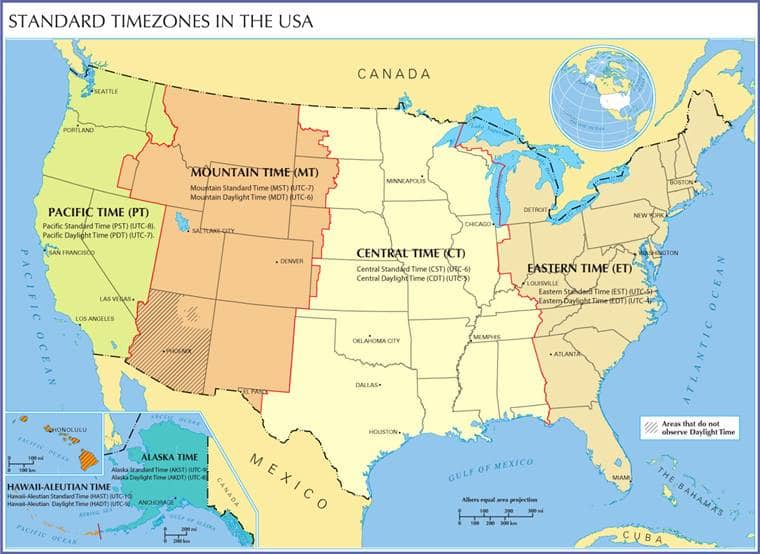
Mountain Standard Time is one of the six standard time zones in the United States (when DST is not in effect), observed in states like Colorado, Utah, and New Mexico. It is generally seven hours behind Coordinated Universal Time (UTC-7). For roughly half the year, from early November to mid-March, most of Arizona aligns perfectly with these neighboring Mountain States. During this period, if it’s 10:00 AM in Denver, Colorado, it’s also 10:00 AM in Tucson, Arizona. This consistency simplifies interactions and travel across the broader Mountain West region during the cooler months, which also happen to be prime tourist season for many parts of Arizona.
The decision to stay on MST year-round was largely a response to the state’s scorching summer temperatures. The logic was simple: advancing the clock by an hour in spring, as DST mandates, would mean an extra hour of daylight extends into the evening. While this might be desirable in cooler climates for evening activities, in Arizona’s desert heat, it would only prolong the intense sun, leading to higher energy consumption for air conditioning and making outdoor activities in the late afternoon even more unbearable. Thus, maintaining a consistent clock became a practical solution that has endured for decades, deeply woven into the fabric of life in the state.
The Daylight Saving Time Exception
The fascinating twist comes into play when other states “spring forward” for Daylight Saving Time. From mid-March to early November, while states on Mountain Time shift to Mountain Daylight Time (MDT), Arizona remains on Mountain Standard Time. This means that during the summer months, Arizona’s time aligns with the Pacific Time Zone. If it’s 10:00 AM in Los Angeles, California, it will also be 10:00 AM in Phoenix, Arizona. However, if it’s 10:00 AM in Denver, Colorado, it would be 9:00 AM in Phoenix during this same period.
This seasonal shift in relative time zones requires a keen awareness from anyone traveling to, from, or even within Arizona. For a traveler flying from New York (Eastern Time) to Phoenix, they would typically account for a three-hour time difference in winter (e.g., 10 AM EST is 8 AM MST in Phoenix). But in summer, that difference shrinks to two hours (e.g., 10 AM EDT is 7 AM MST in Phoenix) because Arizona effectively falls back an hour relative to the Mountain states and aligns with Pacific states. This might seem counterintuitive to first-time visitors, but it’s a critical detail for avoiding missed appointments or confusion with travel schedules.
The Navajo Nation: An Important Distinction
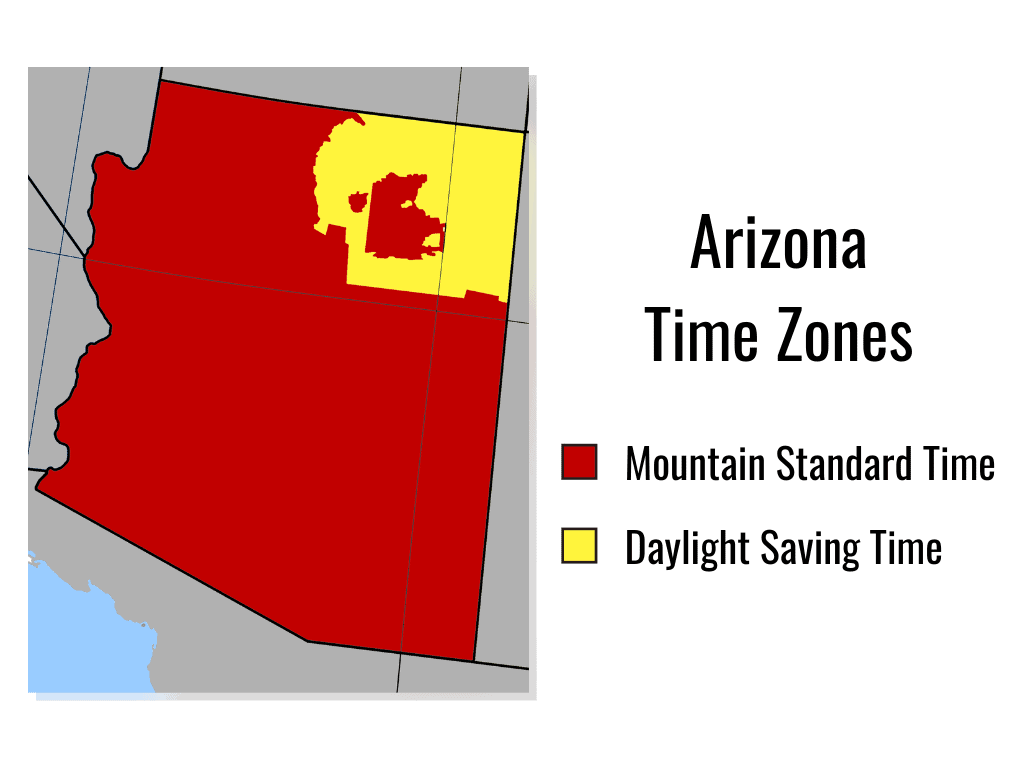
Adding another layer of complexity to Arizona’s time zone narrative is the Navajo Nation. As the largest Native American reservation in the United States, the Navajo Nation spans across parts of Arizona, New Mexico, and Utah. Unlike the rest of Arizona, the entire Navajo Nation observes Daylight Saving Time.
Why the Navajo Nation Observes DST
The decision by the Navajo Nation to observe DST is primarily driven by administrative and cultural unity. Since the Navajo Nation encompasses lands in three different states, many of which observe DST, maintaining a consistent time across the vast reservation simplifies communication, coordination, and governance for its residents and tribal offices. Imagine the logistical nightmare if one part of the reservation followed one time system and another part followed a different one. By adhering to DST, the Navajo Nation ensures its internal operations, from schools to healthcare services, run on a unified clock, aligning with its neighbors in Utah and New Mexico.
Practical Implications for Visitors
This unique situation creates a “time island” effect within Arizona. For travelers exploring the stunning landscapes of the Navajo Nation – perhaps visiting Monument Valley, Antelope Canyon, or Canyon de Chelly National Monument – it’s vital to remember that their watches will need to “spring forward” when crossing into the reservation during the DST months. This is particularly crucial for guided tours, which often have strict departure times, and for understanding business hours in towns like Kayenta or Window Rock.
A further fascinating exception exists: the Hopi Reservation, an independent nation entirely surrounded by the Navajo Nation within Arizona. The Hopi Reservation does not observe Daylight Saving Time, mirroring the rest of [Arizona]. This creates an intriguing double time change for those traveling through the region: from Arizona MST into Navajo Nation MDT, and potentially back to Hopi MST if traversing the Hopi lands. While most GPS devices and smartphones adjust automatically, a manual check is always recommended to ensure you’re on the correct local time, especially in remote areas where cellular service might be spotty.
Navigating Arizona’s Time for Travelers
For visitors, understanding Arizona’s time zone intricacies is more than just an interesting fact; it’s a practical necessity for a smooth and enjoyable journey. From scheduling flights to planning outdoor excursions, a clear grasp of local time differences can prevent confusion and missed opportunities.
Planning Your Itinerary and Activities
When sketching out your travel plans, always verify the current date and whether it falls within the Daylight Saving Time period (mid-March to early November). This dictates whether Arizona is one hour behind or the same time as its Mountain Time Zone neighbors. For attractions like Grand Canyon National Park, where sunrise hikes or sunset viewing spots are popular, knowing the exact local time is paramount. A “sunrise tour” in Grand Canyon Village will operate on Arizona MST, which might be an hour earlier than expected if you’re arriving from a DST observing state like Utah. Similarly, if you’re flying into Phoenix Sky Harbor International Airport from California during the summer, you’ll find there’s no time difference, making for an easier adjustment than expected.
Booking activities such as hot air balloon rides in Sedona, guided tours of Old Town Scottsdale, or dinner reservations in Downtown Phoenix all hinge on accurate timekeeping. Most reputable tour operators and booking platforms will display times in local Arizona time, but a quick double-check can prevent stress. This attention to detail contributes to a more relaxed and enjoyable travel experience, aligning with the “Experiences” aspect of travel planning.
Accommodation and Booking Considerations
Hotels and other accommodations in Arizona consistently operate on Mountain Standard Time throughout the year, with the exception of those located within the Navajo Nation. When making bookings, especially for properties near state borders or within the Navajo Nation, confirm the local time for check-in and check-out. For instance, a hotel in Page, Arizona, located near the Navajo Nation, will follow MST, while an Airbnb just across the border on tribal land might follow MDT.
This detail is particularly relevant for travelers arriving from international destinations or other parts of the United States where Daylight Saving Time is observed. The initial jet lag might be compounded by an unexpected time difference, so setting your watch and devices to Arizona time immediately upon arrival is a good practice. Most modern smartphones and connected devices will automatically adjust based on location data, but manual verification can offer peace of mind, ensuring you don’t miss that early morning resort breakfast or a pre-booked spa treatment. Understanding these nuances falls under the “Accommodation” category, emphasizing the importance of detailed planning for a comfortable stay.
Crossing State Lines: What to Expect
Arizona’s position means it borders several states, each with its own approach to DST. Driving from Las Vegas, Nevada (which observes Pacific Daylight Time in summer), into Arizona during the summer months involves no time change. However, driving from Utah (which observes Mountain Daylight Time in summer) into Arizona means you “gain” an hour. Similarly, entering New Mexico from Arizona in summer means you “lose” an hour.
These border crossings are a frequent source of confusion, especially when navigating scenic routes or road trips. Travelers traversing the “Four Corners” region, where Arizona, New Mexico, Utah, and Colorado meet, will experience multiple time zone shifts, sometimes within a matter of miles, due to the Navajo Nation’s adherence to DST. It’s an adventure in itself, but being prepared with a reliable time-telling device (and a good old-fashioned watch for backup) is highly recommended. This logistical challenge highlights the “Guides” and “Tips” aspects of travel, demonstrating how seemingly minor details can significantly impact an experience.
Beyond Time Zones: Experiencing Arizona’s Wonders
While the time zone might seem like a technicality, its implications extend to how visitors experience Arizona’s famous landmarks and vibrant local culture. The decision to forgo Daylight Saving Time is deeply tied to the state’s natural environment and the lifestyle of its residents.
Iconic Destinations Where Time Matters
From the bustling streets of Phoenix and Scottsdale to the serene beauty of the Grand Canyon or the artistic charm of Sedona, time plays a subtle yet significant role. Imagine planning a sunrise hike to Cathedral Rock in Sedona. If you’re mentally adjusting for a DST shift that doesn’t occur, you might miss the magical first light painting the red rocks. Similarly, catching the vibrant nightlife in Old Town Scottsdale or a show at the historic Orpheum Theatre in Phoenix requires accurate timing for reservations and transportation.
The fact that Arizona doesn’t observe DST means that during the summer, the sun sets later by the clock than it would in a DST-observing state in the same geographic region. This can be a boon for travelers seeking to enjoy extended daylight for outdoor activities, whether it’s golfing on a championship course, exploring desert botanical gardens, or simply lingering longer at a poolside resort. Conversely, for those accustomed to earlier sunsets, the lingering daylight can sometimes feel disorienting, further emphasizing the unique rhythm of life in Arizona. This directly relates to the “Attractions” and “Experiences” aspects of travel, highlighting how time nuances enhance or alter the perception of these destinations.

A Glimpse into Local Lifestyle and Culture
Arizona’s unique time zone policy is more than just a legislative decision; it’s a reflection of the state’s “Lifestyle” and its adaptation to the desert environment. Locals embrace the consistent clock, appreciating the stability it brings to daily routines, school schedules, and business operations. The absence of a bi-annual clock change simplifies life, eliminating the disruptions often associated with “springing forward” or “falling back.” This consistency is especially valued in a state where outdoor living is paramount, and coordinating activities around the sun’s harsh midday intensity is a constant consideration.
For residents, the long summer evenings without a DST adjustment mean they can enjoy cooler temperatures for activities like evening walks or al fresco dining without the sun lingering uncomfortably late by the clock. It cultivates a slower pace, a rhythm dictated by the sun’s natural cycle rather than an artificial adjustment. This approach embodies a practical, desert-adapted lifestyle, where comfort and energy conservation take precedence. Understanding this local perspective enriches a traveler’s overall experience, moving beyond mere sightseeing to a deeper appreciation of the cultural fabric of the destination.
In conclusion, “What time zone is Arizona right now?” is a question that reveals much about the state’s practical ingenuity, its natural environment, and the distinct cultural identity it has cultivated. While most of Arizona maintains Mountain Standard Time year-round, aligning with Pacific Time in the summer months, the Navajo Nation’s adherence to Daylight Saving Time creates a fascinating temporal mosaic. For travelers, acknowledging and preparing for these nuances is key to a smooth and enriching visit, ensuring every moment spent exploring the stunning landscapes, vibrant cities, and unique culture of Arizona is truly timeless.
LifeOutOfTheBox is a participant in the Amazon Services LLC Associates Program, an affiliate advertising program designed to provide a means for sites to earn advertising fees by advertising and linking to Amazon.com. Amazon, the Amazon logo, AmazonSupply, and the AmazonSupply logo are trademarks of Amazon.com, Inc. or its affiliates. As an Amazon Associate we earn affiliate commissions from qualifying purchases.