
Arizona often conjures images of endless sunshine, vast deserts, and sweltering temperatures. The simple answer to “Is Arizona hot?” is a resounding yes, but this generalization barely scratches the surface of the state’s incredibly diverse climate. Arizona is a land of extremes, where scorching desert valleys give way to snow-capped mountains within a few hours’ drive. Understanding these climatic nuances is paramount for any traveler planning a visit, as the “best” time to explore and the types of activities available are inextricably linked to the thermometer. From the saguaro-dotted plains of the Sonoran Desert to the pine forests of the Colorado Plateau, Arizona’s climate dictates much of its unique travel appeal and the experiences it offers. Far from being a deterrent, the heat, when understood and respected, becomes an integral part of the Arizona adventure, shaping everything from peak travel seasons to the local lifestyle and even the rhythm of daily life.

Understanding Arizona’s Unique Climate Zones
To truly grasp Arizona’s climate, one must look beyond its average temperatures and delve into its distinct geographical regions. The state’s elevation changes dramatically, creating a spectrum of microclimates that feel like entirely different worlds.
The Sonoran Desert: Extreme Summers, Mild Winters
This region, encompassing major metropolitan areas like Phoenix and Tucson, is what most people envision when they think of hot Arizona. Summers here are notoriously intense, with daytime temperatures frequently exceeding 100°F (38°C) from May through September, often pushing past 110°F (43°C) in July and August. The heat is dry, which can make it feel less oppressive than humid climates, but it demands serious respect. Nights offer some reprieve, typically dropping into the 70s or 80s°F (20s°C).
However, the reward for enduring these intense summers is an absolutely glorious winter. From November to April, the Sonoran Desert experiences mild, sunny days with temperatures ranging from the 60s to 80s°F (15s-20s°C) and cool, comfortable nights. This makes it a prime destination for outdoor activities during the colder months when much of the rest of the country is covered in snow. Golf resorts in Scottsdale, hiking trails around Phoenix, and exploring Saguaro National Park near Tucson become immensely popular.
The High Desert & Mountains: Four Distinct Seasons
Venturing north into areas like Flagstaff, Sedona, and Prescott reveals a completely different climatic story. These regions sit at higher elevations (e.g., Flagstaff is over 7,000 feet, or 2,100 meters), offering a true four-season climate.
Summers here are pleasantly warm, with daytime temperatures often in the 80s°F (20s°C) and cool evenings. This makes northern Arizona a popular escape for those fleeing the low-desert heat. Autumn brings vibrant foliage and crisp air, ideal for scenic drives and hiking. Winters are cold, with significant snowfall, transforming areas like Flagstaff into a winter wonderland perfect for skiing and snowboarding at Arizona Snowbowl. Spring is mild and beautiful, though late-season snow can still occur. This climatic diversity ensures that no matter the season, there’s a part of Arizona offering comfortable conditions for various activities.
The Colorado River Valley: The Hottest Pockets
Along Arizona’s western border, particularly in cities like Lake Havasu City and Yuma, lies the hottest and driest part of the state. These areas often experience the most extreme summer temperatures, frequently reaching 115°F (46°C) or higher. While these temperatures are formidable, the presence of the Colorado River and vast lakes makes water-based recreation a popular (and necessary) activity, drawing visitors seeking relief from the heat through boating, swimming, and jet-skiing. Winters here are also exceptionally mild, making them popular snowbird destinations.
When to Travel to Arizona: Maximizing Your Experience
Choosing the right time to visit Arizona is crucial for a comfortable and enjoyable trip, entirely dependent on which region you plan to explore and what activities you envision.
Fall and Winter: The Golden Season for Southern Arizona
For visitors keen on exploring the desert landscapes and vibrant cities of southern Arizona, the period from late October through April is often considered the “golden season.” Temperatures are delightfully pleasant, typically ranging from the mid-60s to high-70s°F (18-26°C), perfect for hiking in Phoenix’s Camelback Mountain, exploring the Desert Botanical Garden, or enjoying a round of golf in Scottsdale. This is also peak season for many events, festivals, and outdoor dining experiences. Expect higher prices and larger crowds during these months, especially around major holidays and spring break.
Spring: A Brief but Beautiful Window
March and April offer a beautiful transition period. In the low desert, temperatures remain comfortable, and the desert often bursts into bloom with vibrant wildflowers, making for spectacular scenic drives. It’s a sweet spot before the intense summer heat sets in. In northern Arizona, spring sees thawing snow and warming temperatures, making it suitable for exploring places like Sedona’s red rock country.
Summer: Conquering the Heat (or Escaping It North)
Traveling to southern Arizona in summer (June-September) requires a strategic approach. While temperatures are extreme, prices for accommodations often drop significantly, and attractions are less crowded. The key is to embrace the local rhythm: plan outdoor activities for early mornings or late evenings, spend midday at air-conditioned indoor attractions like museums or shopping centers, or relax by a resort pool. Water parks like Big Surf offer a refreshing escape.
Alternatively, summer is the perfect time to head north. While Phoenix is sweltering, Flagstaff and the Grand Canyon offer cooler, more temperate weather ideal for hiking and exploring. Destinations like Payson, Show Low, and Greer provide high-elevation retreats from the heat. This allows for a unique “two-season” vacation within the state during the same trip.

Essential Travel Tips for Arizona’s Climate
Regardless of when or where you travel in Arizona, a few essential preparations can ensure a safer and more enjoyable experience.
Hydration is Non-Negotiable
This cannot be stressed enough, especially in the low desert and during warmer months. The dry air wicks moisture away quickly, often before you realize you’re thirsty. Carry ample water, far more than you think you’ll need, especially for any outdoor activity. Electrolyte-rich drinks can also be beneficial. Learn to recognize the signs of heat exhaustion and heatstroke, and seek shade and hydration immediately if symptoms arise.
Strategic Clothing Choices
Opt for lightweight, loose-fitting, light-colored clothing made from breathable fabrics like cotton or moisture-wicking synthetics. A wide-brimmed hat, sunglasses, and high-SPF sunscreen are absolute necessities to protect against the intense sun, even on seemingly mild days. Consider UPF-rated clothing for extended outdoor exposure.
Planning Outdoor Activities
In summer, schedule hikes, bike rides, and other strenuous outdoor activities for the very early morning (before 9 AM) or late evening (after 6 PM). Always check weather forecasts and trail conditions. Many desert trails are best avoided entirely during midday in summer. When venturing out, inform someone of your plans, carry a fully charged phone, and understand your limits. Stick to marked trails and be aware of wildlife, including snakes and scorpions, which are more active during cooler parts of the day.
Vehicle Preparedness
If planning road trips, particularly across vast desert stretches, ensure your vehicle is in good working order. Check tire pressure, fluid levels, and air conditioning. Carry an emergency kit including extra water, snacks, a first-aid kit, and a fully charged power bank for your phone. Always have a full tank of gas, as services can be sparse between towns.
Iconic Arizona Experiences Shaped by the Climate
Arizona’s climate is not merely a backdrop; it actively shapes the very experiences visitors seek out.
Desert Adventures (When It’s Cool)
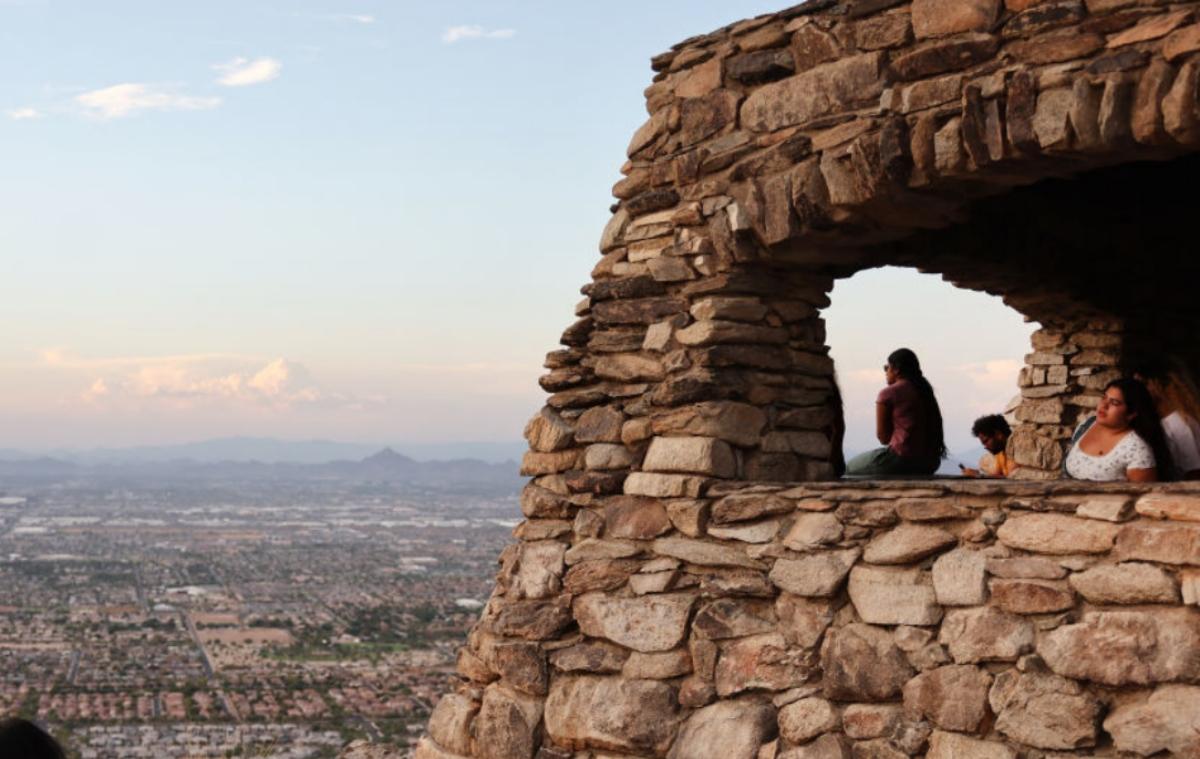
During the mild fall and winter, the Sonoran Desert comes alive. Hiking in Camelback Mountain or Piestewa Peak offers stunning panoramic views of Phoenix. Exploring the unique flora and fauna of Saguaro National Park or the Sonoran Desert Museum near Tucson becomes a comfortable and educational experience. Mountain biking trails across the desert floor are exhilarating, and stargazing in the clear desert nights is unparalleled. These activities are best enjoyed when the sun is less intense, allowing for longer, more comfortable exploration.
Northern Retreats (When It’s Hot Down South)
When the southern heat becomes too much, northern Arizona offers a sanctuary. The majestic Grand Canyon is awe-inspiring year-round, but summer provides ideal conditions for rim-side exploration, though inner canyon hiking still demands extreme caution regarding heat. The mystical red rock formations of Sedona are perfect for scenic drives, vortex hikes, and spiritual retreats in the cooler temperatures. Flagstaff itself becomes a hub for outdoor enthusiasts, offering access to forests, lakes, and even skiing in the winter.
Water-Based Recreation
To beat the heat, Arizona offers an abundance of water activities. Lakes like Lake Havasu, Lake Powell, and Lake Pleasant become playgrounds for boating, jet-skiing, paddleboarding, and swimming. White water rafting on the Salt River (seasonal) or kayaking through calmer sections of the Colorado River provides refreshing adventures. These opportunities allow visitors to fully embrace the sun without succumbing to the heat, turning what might seem like a disadvantage into an exciting draw.
Indoor Attractions
Even in the hottest months, Arizona provides plenty of air-conditioned entertainment. World-class museums such as the Musical Instrument Museum in Phoenix or the Arizona-Sonora Desert Museum in Tucson offer cultural enrichment. Art galleries in Scottsdale and Sedona, vibrant culinary scenes, and expansive shopping centers provide comfortable ways to spend the hottest parts of the day. Exploring historic downtowns like Prescott’s Whiskey Row or Tombstone’s historic district can also be done strategically, ducking into shops and saloons for breaks from the sun.
In conclusion, “Is Arizona hot?” is a question with a complex answer that unlocks a world of diverse travel possibilities. By understanding its distinct climate zones and planning accordingly, travelers can truly maximize their experience, enjoying everything from snow sports in winter to refreshing desert oases in the heat of summer.
LifeOutOfTheBox is a participant in the Amazon Services LLC Associates Program, an affiliate advertising program designed to provide a means for sites to earn advertising fees by advertising and linking to Amazon.com. Amazon, the Amazon logo, AmazonSupply, and the AmazonSupply logo are trademarks of Amazon.com, Inc. or its affiliates. As an Amazon Associate we earn affiliate commissions from qualifying purchases.