
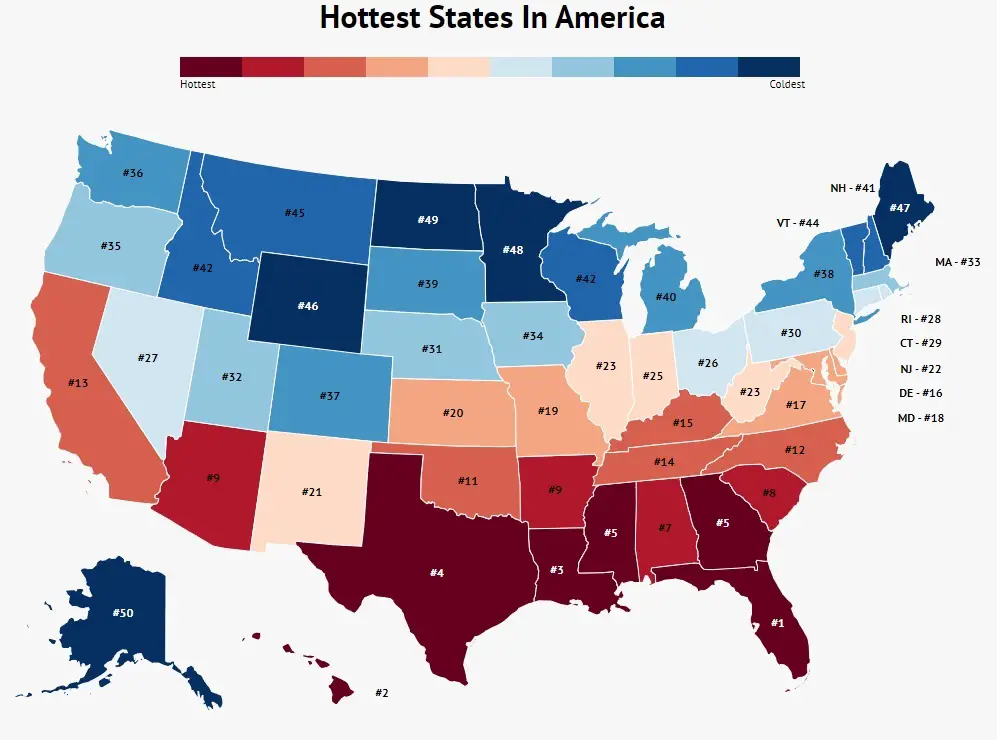
The age-old question of which of these two sun-drenched states truly claims the title of “hottest” is more than just a casual conversation starter; it delves into the nuances of climate, geography, and the distinct environmental characteristics that define both Arizona and Texas. While both are synonymous with scorching summers and arid landscapes, a deeper examination reveals that the answer is not a simple yes or no. It depends on the specific metrics used, the time of year, and the particular regions within each vast state that are being compared. For travelers seeking to experience the full spectrum of Southwestern heat, understanding these differences is crucial for planning an enjoyable and safe adventure.

Defining “Hot”
When we talk about “hot,” we are typically referring to ambient air temperature. However, the sensation of heat is also influenced by factors like humidity, wind speed, and solar radiation. Therefore, a comprehensive answer requires looking at not only the highest recorded temperatures but also average temperatures, diurnal temperature ranges, and the prevalence of extreme heat events.
Temperature Averages and Extremes
Both Arizona and Texas boast impressive temperature records, and pinpointing a definitive winner is complex.
Arizona’s Fiery Reputation
Arizona is perhaps more globally recognized for its extreme heat, largely due to iconic locations like Phoenix and the Sonoran Desert. In July, the hottest month for much of the state, daytime temperatures in these desert valleys routinely climb into the triple digits, often exceeding 110°F (43°C). Phoenix has consistently ranked among the hottest major cities in the United States. The all-time highest temperature recorded in Arizona was 128°F (53.3°C) at Lake Havasu City in 1994. This arid heat is characterized by low humidity, which, while offering some relief from the oppressive feeling of muggy heat, can be intensely dehydrating.
Texas’s Broad Spectrum of Heat
Texas, being significantly larger than Arizona, presents a more varied climatic picture. While West Texas, particularly areas around El Paso, shares a desert climate with Arizona and experiences similar high temperatures, the eastern and southern parts of the state are influenced by the Gulf of Mexico. This proximity brings higher humidity levels, making the heat feel more intense and uncomfortable, even if the actual air temperature is a few degrees lower than in the desert Southwest. Texas has also recorded extreme temperatures, with the highest officially recognized being 120°F (48.9°C) in Fort Worth in 1980, though unofficial reports have been higher. The sheer size of Texas means that while parts of it are undeniably hotter than many parts of Arizona, other parts might be more temperate, especially along the coast during certain times of the year.
Factors Beyond Just Temperature
While peak temperatures and averages are the most obvious indicators, several other climatic factors contribute to the overall “hotness” of a region.
Humidity’s Role
Humidity plays a critical role in how we perceive heat. In the arid Southwest of Arizona, the low humidity means sweat evaporates quickly, offering a cooling effect. However, this rapid evaporation can also lead to dehydration if one is not diligent with fluid intake. In contrast, the higher humidity in much of Texas, especially its eastern and southern regions, impedes evaporation. This means sweat stays on the skin longer, making the heat feel more stifling and increasing the risk of heatstroke. For example, a 95°F (35°C) day in Phoenix might feel different from a 95°F (35°C) day in Houston, with the latter often perceived as more uncomfortable due to the oppressive humidity.
Diurnal Temperature Variations
The difference between daytime highs and nighttime lows, known as the diurnal temperature range, is also significant. Arizona’s desert climates are known for their dramatic swings. It’s common for daytime temperatures to soar into the 100s°F (30s°C), only to drop into the 70s or even 60s°F (20s to 10s°C) at night. This cooling effect can be a welcome respite after a scorching day. Texas also experiences diurnal variations, but the higher humidity in many areas can moderate nighttime temperatures, leading to less pronounced cooling compared to the arid deserts of Arizona.
Heat Waves and Duration
The frequency and duration of extreme heat events are also important considerations. Both states are prone to heat waves, but the intensity and longevity can vary. Arizona’s desert regions often experience prolonged periods of extreme heat during the summer months, with temperatures rarely dipping below 90°F (32°C) even at night. Texas can also endure severe heat waves, particularly in July and August, with the humid heat making these periods particularly challenging. The “heat dome” phenomenon, where high-pressure systems trap hot air, can affect both states, leading to dangerous conditions.
Regional Comparisons
To truly answer whether Arizona is hotter than Texas, we must compare specific regions.
Desert vs. Desert
When comparing the most arid regions, such as Phoenix, Arizona, with West Texas cities like El Paso, the temperatures are often quite comparable, with both experiencing extreme heat. Phoenix might edge out El Paso in terms of average summer highs and the number of days exceeding 110°F (43°C), due to its lower elevation and more inland desert location. The sheer expanse of the Sonoran Desert in Arizona makes it a consistent provider of intense desert heat.
Impact of Coastal Proximity
The eastern and southern portions of Texas, including major cities like Houston, Dallas, and San Antonio, are significantly influenced by the moisture from the Gulf of Mexico. While summer temperatures might not always reach the peak highs seen in the Arizona desert, the combination of heat and high humidity creates a more oppressive and sustained feeling of heat throughout the day and into the night. In this context, these humid regions of Texas can often feel “hotter” or more uncomfortable than many parts of Arizona, even if the thermometer reads slightly lower.
Elevation Matters
Elevation also plays a role. While the lowest points in Arizona are at lower elevations than much of Texas, higher elevations in Arizona, such as Flagstaff, offer significant temperature relief. Similarly, West Texas can reach higher elevations than many parts of East Texas. However, the dominant factor for extreme heat in both states is often proximity to arid, low-elevation desert basins.
Travel Considerations for Heat Seekers and Avoiders
Understanding these climatic differences is vital for travelers.
Planning for Arizona’s Heat
For those drawn to the stark beauty of the Arizona desert, visiting during the summer requires careful planning.
- Hydration is Paramount: Carry more water than you think you’ll need, especially when hiking in areas like the Grand Canyon National Park or exploring the trails around Sedona.
- Timing is Everything: Schedule outdoor activities for early morning or late evening. Avoid strenuous activity during the peak heat of the day (10 am to 4 pm).
- Seek Air-Conditioned Havens: Plan visits to museums in Phoenix, enjoy resort pools in Scottsdale, or explore indoor attractions.
- Dress Appropriately: Wear light-colored, loose-fitting clothing made of breathable fabrics. A wide-brimmed hat and sunglasses are essential.
- Be Aware of Heat Illness Symptoms: Recognize the signs of heat exhaustion and heatstroke, and know how to respond.
Navigating Texas’s Humid Summers
Visiting Texas in the summer, especially its eastern and southern regions, presents a different set of challenges.
- Embrace Indoor Activities: Explore the vibrant culinary scene in Austin, visit historical sites in San Antonio, or enjoy world-class museums in Dallas.
- Stay Near Water: Coastal areas and cities with good access to pools or natural water bodies can offer some relief.
- Hydrate Consistently: Even with humidity, it’s crucial to drink plenty of fluids. Electrolyte-rich drinks can be beneficial.
- Listen to Your Body: The feeling of being “sticky” and overheated can be more pervasive and harder to escape due to humidity. Take frequent breaks in air-conditioned spaces.
- Consider the Shoulder Seasons: For a more comfortable experience, plan your Texas trip for spring (April-May) or fall (September-October) when temperatures are more moderate.

Conclusion: A Nuanced Answer
So, is Arizona hotter than Texas? The answer is nuanced. If “hotter” refers to the absolute highest recorded temperatures and the prevalence of extreme, dry desert heat, then Arizona arguably takes the lead, particularly in its iconic desert valleys. Cities like Phoenix are globally recognized for their scorching summer temperatures.
However, if “hotter” is defined by the feeling of discomfort and the impact of heat on the body, then the humid summers of eastern and southern Texas can be perceived as equally, if not more, challenging. The oppressive, sticky heat combined with high temperatures can make for a more draining experience than the dry heat of the desert.
Ultimately, both states offer a powerful experience of summer heat, each with its own unique character. Travelers should be prepared for the specific conditions of the region they plan to visit, focusing on safety, hydration, and strategic planning to fully enjoy the unique attractions of either destination. Whether seeking the dry, intense heat of the Sonoran Desert or the steamy embrace of the Texas coast, preparedness is key to a memorable journey.
LifeOutOfTheBox is a participant in the Amazon Services LLC Associates Program, an affiliate advertising program designed to provide a means for sites to earn advertising fees by advertising and linking to Amazon.com. Amazon, the Amazon logo, AmazonSupply, and the AmazonSupply logo are trademarks of Amazon.com, Inc. or its affiliates. As an Amazon Associate we earn affiliate commissions from qualifying purchases.