
The Iconic Beverage and Its Place in the Tourist’s Palate
For many travelers exploring the diverse landscapes and urban centers of the United States, a vibrant can of Arizona Ice Tea is a familiar sight. From gas station coolers in the sun-drenched deserts of Arizona to corner delis in bustling New York City, this distinctive beverage has become an entrenched part of the American refreshment landscape. But beyond its ubiquitous presence and often eye-catching packaging, how much do tourists and curious consumers really know about the brand’s origins and, crucially, its ownership? Understanding the corporate structure behind such a widely consumed product can offer a unique lens through which to view the food and beverage industry, and even local culture, during your travels.
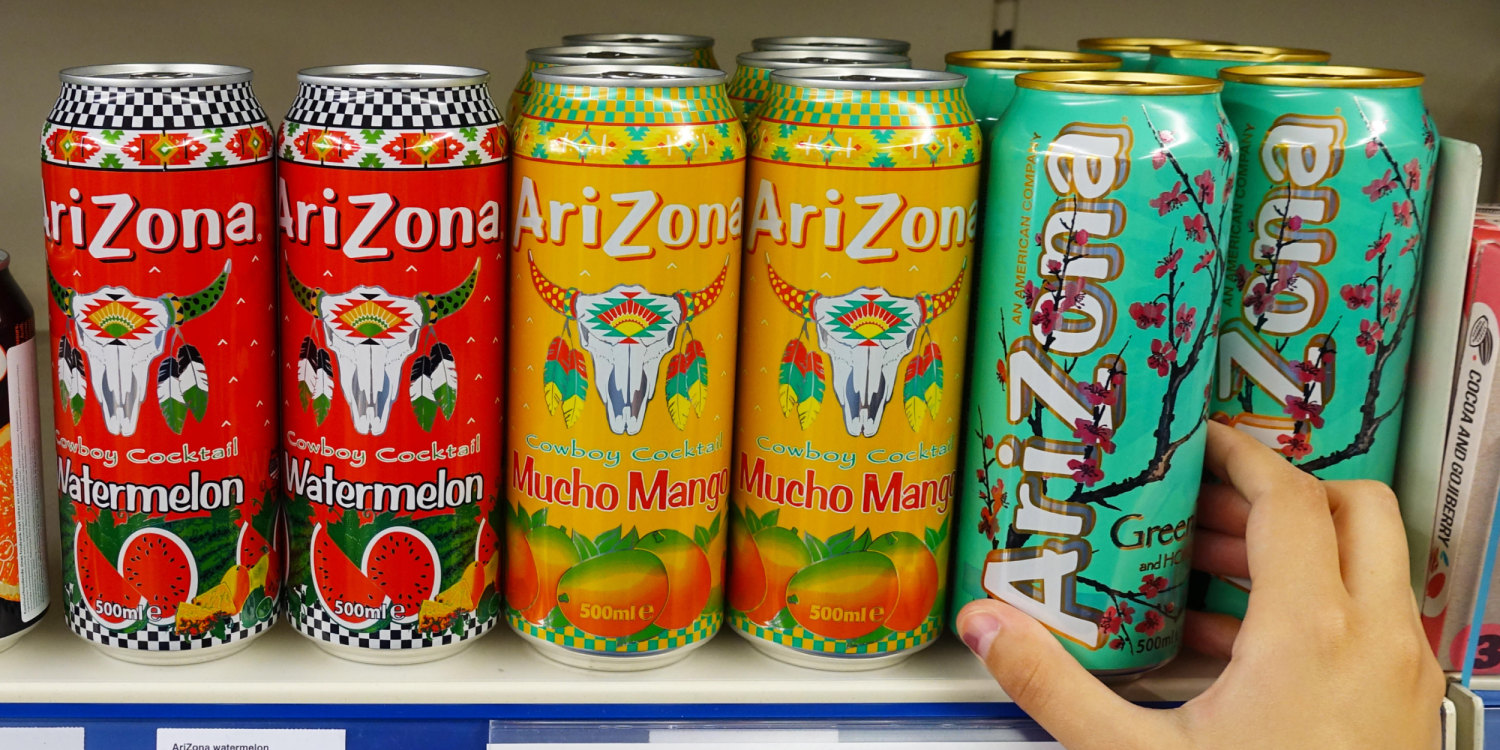
Decoding the “Arizona” Allure for Travelers
The name itself, Arizona Ice Tea, immediately conjures images of the American Southwest – vast canyons, desert heat, and perhaps a refreshing cool drink to combat the warmth. For tourists visiting states like Arizona, the brand’s name might imply a local origin, making it an appealing choice for those seeking an authentic regional experience. This perceived connection to a specific geographical location often drives tourist choices, with many travelers actively seeking out products and brands that feel inherently “local” or representative of the place they are visiting. They might wonder if this tea is brewed from local ingredients, or if the company plays a significant role in the state’s economy.
However, the reality of Arizona Ice Tea’s origins is a fascinating twist that challenges these assumptions. Despite its evocative name, the company, Arizona Beverages USA, was actually founded in Brooklyn, New York, in 1992 by friends Don Vultaggio and John Ferolito. Their initial foray into the beverage market was actually malt liquor, but they quickly pivoted to iced tea after noticing the growing popularity of Snapple. The name “Arizona” was chosen not for its direct geographical link to their operations, but because it evoked a desirable image of warmth, sun, and quality – attributes they wished to associate with their new product. This disconnect between brand identity and geographical origin is a common phenomenon in the world of consumer goods, offering a valuable insight for tourists interested in the true provenance of the “local” products they encounter.
Beyond the Name: Production and Distribution Footprint
While headquartered in New York, the production and distribution of Arizona Ice Tea span a significant network. Its main bottling plant, a massive facility that handles a substantial portion of its production, is located in Hornell, New York. This national footprint allows the beverage to be readily available across the United States and beyond, making it accessible to tourists regardless of their destination.
For travelers, the broad distribution of a product like Arizona Ice Tea means familiarity and convenience. It’s a taste of home, or at least a recognizable comfort, even when thousands of miles away from one’s usual haunts. This ubiquity is often a strategic outcome of a company’s ownership structure and its business model, which can prioritize market penetration over hyper-localization. Understanding this allows a tourist to differentiate between genuinely local, small-batch products unique to a region, and nationally distributed brands that simply adopt a regional persona. Both have their place in the travel experience, but the distinction is key for those seeking specific types of cultural or culinary immersion.
Unpacking the Ownership Structure of Arizona Beverages
The question of whether Arizona Ice Tea has a single owner is central to its unique business narrative and a topic that often fascinates those interested in how major brands operate. In an era dominated by multinational conglomerates acquiring popular consumer brands, Arizona Beverages stands out for its remarkably independent ownership structure.
Meet the Vultaggio Family
The direct answer to the question is yes, largely. Arizona Beverages remains an independent, family-owned and operated company. Co-founder Don Vultaggio and his family essentially own the majority stake in the company. For many years, the company was jointly owned by Don Vultaggio and John Ferolito. However, a legal dispute in the mid-2010s led to John Ferolito selling his 50% stake in the company to Don Vultaggio for an estimated $1 billion. This transaction solidified the Vultaggio family‘s control, making them the primary and almost sole owners of the vast beverage empire.
This structure is quite rare for a company of Arizona Ice Tea’s size and market penetration. Many similar brands, once they achieve a certain level of success, are acquired by larger corporations like Coca-Cola, PepsiCo, or Nestlé. The Vultaggio family’s steadfast commitment to maintaining independent ownership has shaped the company’s philosophy, its brand strategy, and even its pricing model. For the curious tourist, this independence tells a story of entrepreneurial spirit and a resistance to corporate consolidation that is increasingly uncommon in the global marketplace.
The Uncommon Path of Independence
The decision to remain privately owned and family-controlled has significant implications for Arizona Beverages. Without the pressures of public shareholders demanding quarterly profits or the strategic dictates of a larger parent company, Arizona Ice Tea has been able to maintain an incredibly competitive price point – often selling its large cans for 99 cents for decades. This pricing strategy has been a cornerstone of its market appeal, making it an accessible and affordable refreshment option for a wide demographic, including budget-conscious travelers.

This independence also allows the company greater flexibility in product development and marketing. They can take risks, experiment with new flavors, and adapt to market trends without extensive corporate red tape. This agility contributes to the diverse range of Arizona Ice Tea products available, from classic green tea to exotic fruit juice blends, catering to a variety of tastes a tourist might encounter. Understanding this unique ownership model helps travelers appreciate not just the product itself, but the unconventional business philosophy that brought it to prominence and sustains its distinctive market presence. It highlights how corporate decisions, even those related to ownership, can directly influence the consumer experience in unexpected ways, particularly in the competitive food and beverage sector.
Why Ownership Matters to the Savvy Tourist
When traveling, much of the experience revolves around discovery – from hidden alleys and historic sites to unique flavors and local crafts. For the savvy tourist, understanding the ownership of popular brands, particularly those associated with food and drink, adds another layer to this discovery process. It informs decisions about what to buy, where to eat, and how to engage with the local economy.
Supporting Local vs. Global Brands on Your Travels
One of the key considerations for many conscious travelers is the desire to support local businesses and economies. When encountering a brand like Arizona Ice Tea, a tourist might initially assume, based on its name, that they are supporting a local Arizona business. However, knowing that it’s a family-owned but nationally distributed brand headquartered in New York provides a more nuanced perspective. This doesn’t diminish its value as a consumer product, but it reframes the decision for those actively seeking out hyper-local producers.
Conversely, some travelers might appreciate the story of a successful independent family business thriving against multinational giants. In this context, choosing Arizona Ice Tea could be seen as supporting a different kind of “local” – the entrepreneurial spirit that started in Brooklyn and grew into a national phenomenon without selling out to a larger corporation. This choice often boils down to individual values and what kind of impact a tourist wishes to have with their spending. Knowing the ownership structure empowers travelers to make informed decisions that align with their personal travel ethics, whether that’s boosting the economy of a specific region or supporting independent businesses generally.
The Impact on Price, Quality, and Authenticity
The independent ownership of Arizona Ice Tea has directly influenced several aspects crucial to the consumer experience: price, perceived quality, and a sense of authenticity. As mentioned, the ability to maintain a consistent, low price point for decades is largely attributable to the Vultaggio family’s ownership and their strategy of high volume, low margin. For tourists, particularly those on a budget or traveling with families, this makes Arizona Ice Tea an incredibly attractive and reliable option for refreshment, regardless of their location within the United States or even in markets like Canada or Mexico where it also has a presence.
Regarding quality, the continued control by the founding family can often lead to a more consistent product, as there’s a direct, personal stake in the brand’s reputation. Changes to recipes or ingredients are likely to be carefully considered by those who built the company from the ground up, rather than being dictated by cost-cutting measures from an impersonal corporate parent. This can reassure tourists seeking a reliable and familiar taste experience. The “authenticity” often comes from this very independence – the sense that the brand hasn’t been diluted or homogenized by corporate acquisition. For many, the story of two New York entrepreneurs creating a distinctive product and maintaining control against all odds is a compelling narrative of American business ingenuity, adding a layer of informal cultural insight to the act of simply grabbing a drink.
Experiencing Arizona Tea as a Cultural Touchpoint
Beyond its commercial aspects, Arizona Ice Tea has firmly cemented itself as a cultural touchpoint in the United States. Its vibrant cans, distinctive flavors, and consistent presence make it more than just a beverage; it’s a small piece of Americana that travelers inevitably encounter. Understanding its backstory and ownership enriches this casual interaction, transforming a simple purchase into a moment of cultural observation.
From Bodegas to Resorts: Ubiquity and Accessibility
The sheer accessibility of Arizona Ice Tea is a key part of its cultural significance. You’ll find it in tiny independent bodegas in urban centers, alongside gourmet foods in high-end resort shops, and stacked high in supermarket aisles across suburban landscapes. This ubiquity is a testament to the effectiveness of the company’s distribution network and its ability to cater to a broad market, transcending socio-economic boundaries. For tourists, this means that wherever they travel in the United States, a familiar, affordable refreshment is usually within reach. This comfort can be a welcome anchor in unfamiliar surroundings, offering a small, predictable pleasure amidst the excitement of new discoveries. It also demonstrates how a single, independently-owned brand can achieve such widespread integration into the daily lives of millions, including those just passing through.

The Brand’s Role in American Refreshment Culture
Arizona Ice Tea’s consistent pricing and colorful, often art-inspired packaging have made it iconic. It represents a particular niche in American refreshment culture: a flavorful, generous-sized drink that offers good value. For many, it evokes nostalgic memories of childhood summers, road trips, or quick breaks during a busy day. Tourists observe this phenomenon firsthand – the casual way people grab a can, the distinct designs that stand out in a cooler, and the diverse range of people who enjoy it.
The story of Arizona Ice Tea – a brand with a misleadingly regional name, born in New York, and steadfastly owned by a single family – serves as a compelling case study in American entrepreneurship and consumer culture. For the global traveler, taking a moment to ponder the origins and ownership of such a common item can deepen their understanding of the economic forces, marketing strategies, and cultural touchpoints that shape the places they visit, one refreshing sip at a time. It highlights how even the simplest purchase can connect a tourist to a larger narrative about commerce, brand identity, and the enduring spirit of independent enterprise.
LifeOutOfTheBox is a participant in the Amazon Services LLC Associates Program, an affiliate advertising program designed to provide a means for sites to earn advertising fees by advertising and linking to Amazon.com. Amazon, the Amazon logo, AmazonSupply, and the AmazonSupply logo are trademarks of Amazon.com, Inc. or its affiliates. As an Amazon Associate we earn affiliate commissions from qualifying purchases.