
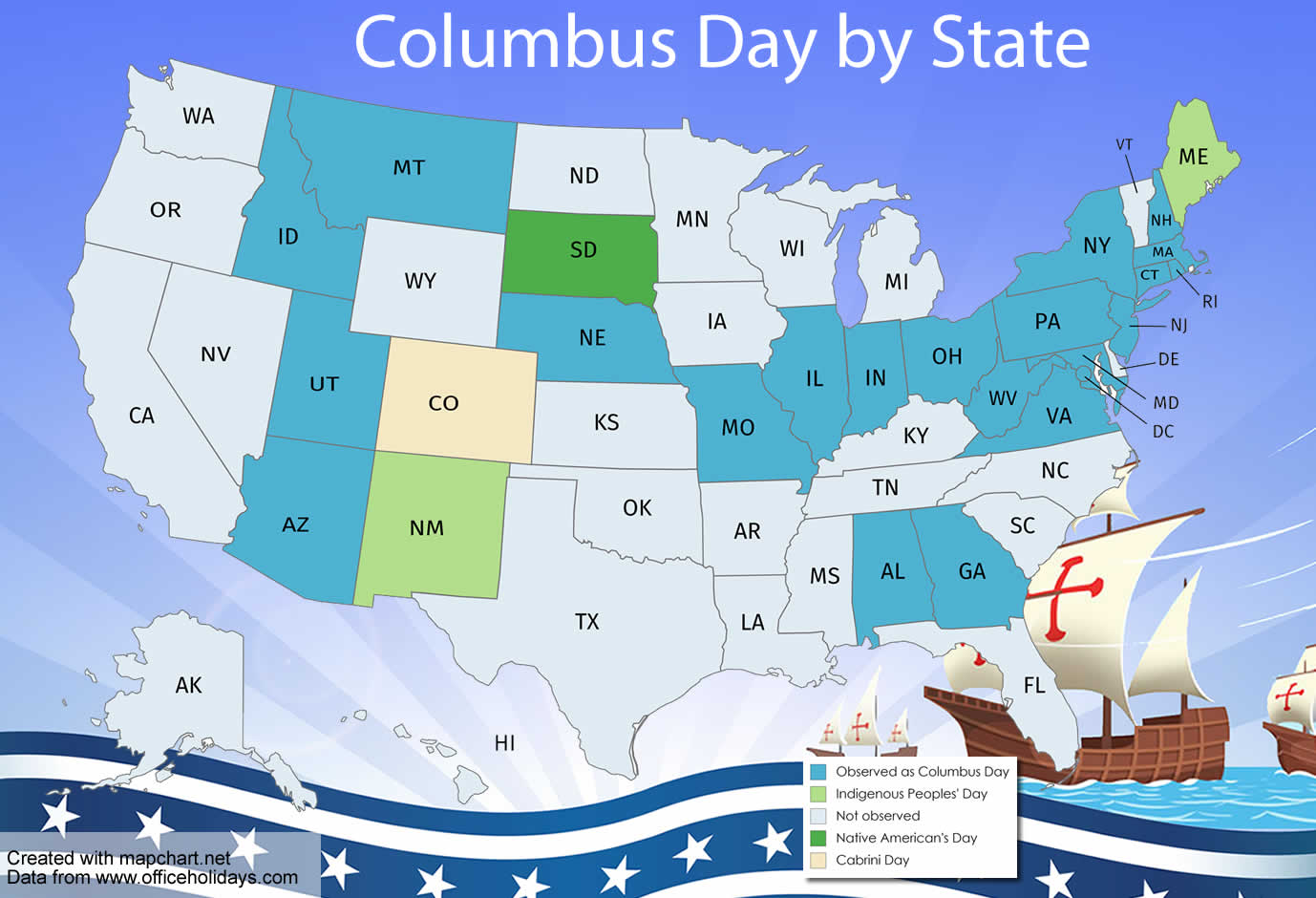
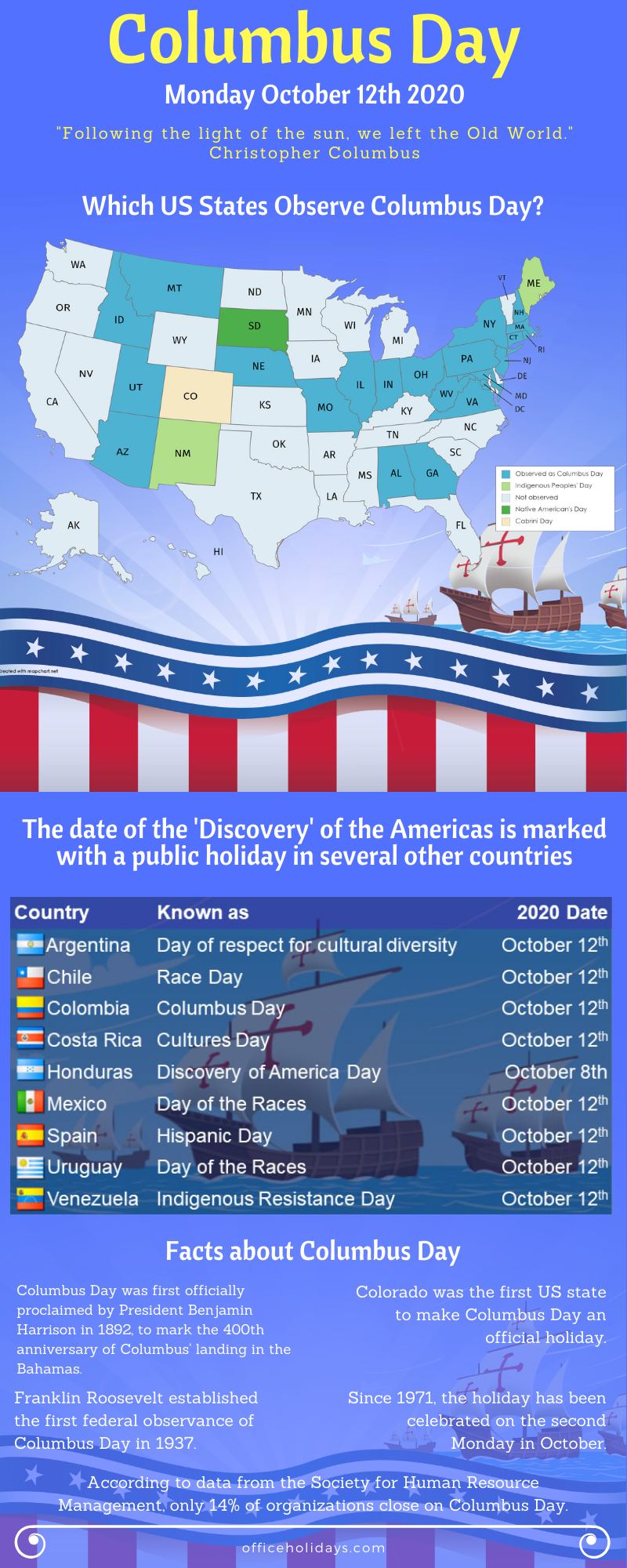
For travelers planning a visit to California, understanding the state’s approach to public holidays can be crucial for seamless itinerary planning. While many states across the United States observe Columbus Day on the second Monday of October, California presents a more nuanced and evolving picture, deeply intertwined with its rich cultural diversity and historical re-evaluations. The short answer is that while Columbus Day remains a federal holiday, California officially does not recognize it as a state holiday, opting instead for a growing embrace of Indigenous Peoples’ Day in many municipalities. This distinction significantly impacts what tourists can expect during their travels, from public service availability to cultural events.
The Shifting Sands of Observance in California
The narrative around Columbus Day has seen a profound transformation in recent decades, particularly in states like California that are at the forefront of cultural re-evaluation and recognition of diverse histories. Historically, Columbus Day celebrated the arrival of Christopher Columbus in the Americas, marking a pivotal moment in global history. However, contemporary perspectives increasingly highlight the devastating impact of colonization on indigenous populations, leading to widespread calls for the holiday’s recontextualization or replacement.
California, known for its progressive stance and vast indigenous heritage, has largely moved away from officially celebrating Columbus Day at the state level. While federal agencies, including post offices and some federal banks, will still observe the holiday, state-run offices, public schools, and most state courts in California typically remain open. This means that for tourists, most local services and attractions will operate as usual, a stark contrast to federal holidays where widespread closures are common.
This shift isn’t merely a political decision; it reflects a deeper cultural evolution within the state. California is home to the largest population of Native Americans in the United States, representing over 100 distinct tribes, such as the Chumash in the south, the Miwok and Ohone in central California, and the Yurok in the north. Recognizing the painful historical context of Columbus Day for these communities, many local governments and institutions have chosen to honor indigenous peoples instead, fostering a more inclusive and accurate historical narrative. This cultural pivot offers visitors an opportunity to engage with a richer, more complex understanding of the region’s origins.
Indigenous Peoples’ Day: A New Cultural Focus for Tourists
The rise of Indigenous Peoples’ Day as an alternative observance in California is a significant development for cultural tourism. Instead of celebrating a controversial historical figure, this day is dedicated to honoring the history, contributions, and resilience of Native American communities. California has been at the forefront of this movement, with numerous cities formally adopting Indigenous Peoples’ Day through official resolutions or proclamations.
Cities Leading the Way
Several prominent California cities have embraced Indigenous Peoples’ Day, often replacing Columbus Day in their official calendars.
- Berkeley was one of the first cities in the nation to recognize Indigenous Peoples’ Day in 1992.
- San Francisco, a major tourist hub, officially designated the second Monday in October as Indigenous Peoples’ Day in 2018, often hosting commemorative events and cultural celebrations.
- Los Angeles followed suit, officially replacing Columbus Day in 2017, and has since become a focal point for events showcasing the city’s rich Tongva and other indigenous heritages.
- Other cities like Santa Cruz, Sacramento, Long Beach, and Oakland have also adopted Indigenous Peoples’ Day, demonstrating a statewide commitment to this recognition.
For tourists, this means that while the second Monday in October might not be a traditional holiday marked by closures, it often presents unique opportunities for cultural immersion. Many of these cities organize public events, educational programs, powwows, art exhibitions, and traditional ceremonies that are open to visitors. These events provide invaluable insights into the diverse cultures, languages, and histories of California’s original inhabitants, offering a profound cultural experience that goes far beyond typical sightseeing. Engaging with these celebrations fosters a deeper appreciation for the land and its original stewards, aligning with responsible tourism practices.
What Tourists Need to Know: Navigating the Holiday Weekend
When planning your trip to California around the second Monday in October, understanding the practical implications of its observance (or non-observance) is key to a smooth journey.
Banks, Post Offices, and Government Services
As Columbus Day remains a federal holiday, all federal offices, including post offices and federal courthouses, will be closed. Most major banks, though some may offer limited services, typically observe the federal holiday as well. If you have banking needs or require postal services, it’s best to handle them before the weekend. However, state government offices, departments of motor vehicles (DMV), and state courts will generally remain open. This split observance means that while some services might be paused, the broader infrastructure of the state remains functional.
Retail and Restaurant Operations
For the vast majority of tourists, the good news is that retail stores, shopping malls, restaurants, and entertainment venues across California will operate on their regular schedules. Unlike other major holidays such as Christmas or Thanksgiving, the second Monday in October does not typically trigger widespread business closures. In fact, many retail establishments might even run sales or special promotions, treating it as a standard Monday during a long weekend period. Therefore, your shopping and dining plans are unlikely to be disrupted.
Transportation and Attractions
Public transportation services in major California cities like Los Angeles, San Francisco, and San Diego typically run on their normal weekday schedules, though it’s always wise to check local transit authority websites for any specific service adjustments. Major tourist attractions, including theme parks, museums, national parks, and state parks, will also generally be open. However, because it often falls on a long weekend for many people, attractions might experience higher crowds, particularly on the Sunday and Monday. It’s advisable to book tickets in advance for popular sites and be prepared for potential queues. For those interested in attending Indigenous Peoples’ Day events, checking local city calendars in advance is highly recommended to secure spots or plan your visit around specific cultural experiences.

Experiencing California’s Diverse Heritage: Beyond the Calendar
While the second Monday in October provides a specific lens into California’s cultural landscape, the state’s diverse heritage offers year-round opportunities for enriching tourist experiences. Engaging with local culture in California goes far beyond holidays and delves into the fabric of its communities.
Visitors interested in Native American history and culture can explore various sites throughout the year. The Cabrillo National Monument in San Diego offers insights into the Kumeyaay people, while the Indian Grinding Rock State Historic Park in the Sierra Nevada foothills preserves a large collection of Miwok bedrock mortars. In Los Angeles, the Natural History Museum of Los Angeles County often features exhibits on California’s indigenous peoples, and the Autry Museum of the American West provides a broader context of Western Native American cultures.
Furthermore, California actively celebrates Native American Heritage Month every November, with a calendar packed with events, festivals, and educational programs across the state. This is another excellent time for tourists to delve deeper into indigenous traditions, art, and contemporary issues. Many tribal cultural centers, such as the California Indian Museum and Cultural Center in Santa Rosa or the Palos Verdes Peninsula Land Conservancy which frequently hosts Tongva cultural events, offer ongoing programs.
For tourists, embracing California’s approach to Indigenous Peoples’ Day means more than just knowing what’s open or closed; it’s an invitation to engage with the authentic, multifaceted cultural landscape of the state. It encourages a form of tourism that is thoughtful, educational, and respectful of the diverse stories that shaped this vibrant region, ultimately enriching the travel experience far beyond the conventional.
LifeOutOfTheBox is a participant in the Amazon Services LLC Associates Program, an affiliate advertising program designed to provide a means for sites to earn advertising fees by advertising and linking to Amazon.com. Amazon, the Amazon logo, AmazonSupply, and the AmazonSupply logo are trademarks of Amazon.com, Inc. or its affiliates. As an Amazon Associate we earn affiliate commissions from qualifying purchases.