
Navigating Time Zones for Your Arizona Adventure
Planning a trip often involves meticulous attention to detail, from booking accommodations to mapping out attractions. One detail that frequently surprises travelers heading to the American Southwest is Arizona‘s unique relationship with time. While most states adjust their clocks twice a year for Daylight Saving Time, Arizona largely stands apart, creating a distinct rhythm that can either simplify or complicate travel logistics, depending on your awareness. Understanding this peculiarity is key to a seamless Arizona experience, ensuring you never miss a tour or a breathtaking desert sunset.

The Short Answer: Mountain Standard Time (MST)
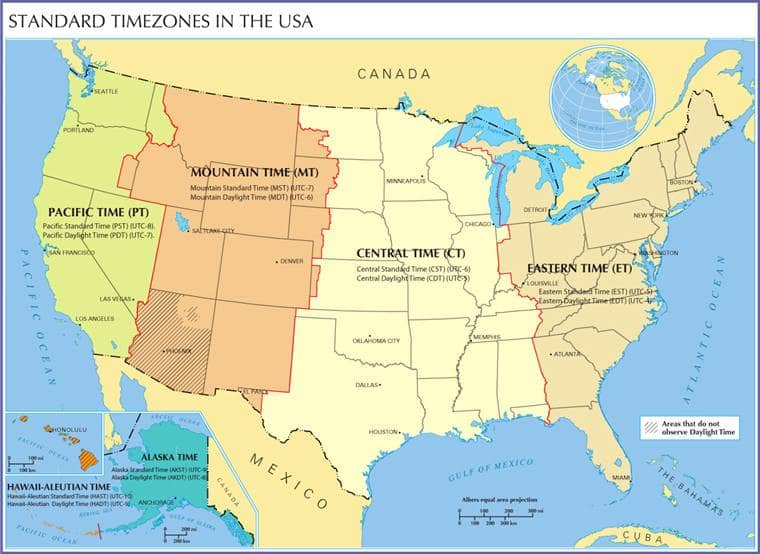
To directly answer the question: no, Arizona is not in Central Time. For the vast majority of the state, Arizona observes Mountain Standard Time (MST) year-round. This means that Arizona does not participate in Daylight Saving Time (DST). From early March to early November, when most of the United States “springs forward,” Arizona remains on MST.
What does this mean in practical terms? During the winter months (roughly November to March), Arizona is aligned with Mountain Time, which is UTC-7. When Daylight Saving Time kicks in for most of the country, Arizona effectively shifts its relationship with other time zones. For instance, while neighboring California and Nevada move to Pacific Daylight Time (PDT, UTC-7), Arizona remains on MST (also UTC-7), meaning it shares the same time as PDT. However, states like Utah, Colorado, and New Mexico move to Mountain Daylight Time (MDT, UTC-6), making them one hour ahead of Arizona. This unique constant time zone status is a defining characteristic of travel within the Grand Canyon State.
The Unique Exception: The Navajo Nation
While the general rule of year-round MST holds for most of Arizona, there’s a significant and important exception: the Navajo Nation. This vast semi-autonomous territory, which extends across northeastern Arizona into Utah and New Mexico, does observe Daylight Saving Time.
This means that for approximately eight months of the year, from early March to early November, if you cross into the Navajo Nation from the rest of Arizona, you will need to advance your clock by one hour. For example, if it’s 2:00 PM in Phoenix, it will be 3:00 PM in Window Rock or Monument Valley, both of which are within the Navajo Nation. This creates a temporary “time island” within Arizona, making time zone awareness crucial for visitors exploring this stunning region. The primary reason for the Navajo Nation’s adherence to DST is to maintain time consistency with the rest of New Mexico and Utah, where significant portions of the nation also reside, facilitating easier coordination for its residents.
Why Arizona Stands Apart: Historical Context and Practical Implications
Arizona’s decision to largely forgo Daylight Saving Time isn’t arbitrary; it’s rooted in a combination of historical factors and practical considerations tailored to the state’s unique climate and lifestyle. Understanding these reasons provides insight into the local rhythm you’ll encounter as a traveler.
The Genesis of Arizona’s Time Zone Choice
The federal Uniform Time Act of 1966 established the system of Daylight Saving Time for the United States, but it also granted states the option to be exempt, provided they opted out for the entire state. Arizona chose this exemption, primarily due to its intense summer heat. The primary argument against DST in Arizona centers on energy conservation and daily routines. With scorching temperatures that can soar above 100°F for extended periods, an extra hour of daylight in the evening during summer would mean more sunlight and higher temperatures stretching later into the day. This would necessitate increased air conditioning usage, contradicting the original DST goal of energy saving.
For many Arizonans, especially those involved in outdoor work or leisure, a later sunset means delaying activities until after dark, or simply enduring more heat. By remaining on MST, Arizona effectively shifts an hour of daylight to the morning during the summer, allowing residents and visitors alike to get an earlier start on outdoor activities before the peak heat sets in. This decision was largely driven by a combination of agricultural interests and the general discomfort associated with prolonged intense heat.
Impact on Travel Planning and Daily Life
Arizona’s consistent time zone has several key implications for travelers:
- Coordination with Neighboring States: When traveling to Arizona from states like California or Nevada, the time difference varies seasonally. During DST, Arizona is on the same time as PDT, making cross-border travel straightforward. However, coming from Utah, Colorado, or [New Mexico](https://lifeoutofthebox.com/new-mexico] during DST means you’ll gain an hour when entering Arizona. This becomes particularly relevant for road trips that traverse multiple states, requiring careful attention to avoid missing connecting plans.
- Business and Appointments: Booking tours, making restaurant reservations, or coordinating flight arrivals at Phoenix Sky Harbor International Airport or Tucson International Airport requires an understanding of Arizona’s time. Always confirm the local time when making arrangements, especially if you’re booking from a region that observes DST. Miscalculating can lead to missed activities or confusion upon arrival.
- Broadcasting and Schedules: For visitors who follow national news, sports, or entertainment, broadcast schedules might seem slightly off compared to their home time zones. Sports games broadcast from states observing DST will appear an hour earlier on your clock in Arizona during the summer months. This is a minor detail but can be noticeable for extended stays.
Essential Travel Tips for Managing Arizona’s Time Zone
Navigating Arizona’s unique time zone situation doesn’t have to be complicated. With a few proactive steps and a bit of local awareness, you can ensure your travel plans unfold without a hitch.
Before You Go: Research and Preparation
The best defense against time zone confusion is preparation.
- Double-Check All Times: Before your trip, confirm the local times for all your reservations – hotel check-ins, tour departures (especially for Antelope Canyon or Grand Canyon National Park excursions), restaurant bookings, and any other time-sensitive activities. Many online booking platforms will display times in the local zone, but a quick verification never hurts.
- Rely on Smart Devices: Your smartphone, smartwatches, and GPS devices are typically excellent at automatically adjusting to local time zones. Ensure your device’s time zone settings are set to automatic update. This is especially helpful when crossing into or out of the Navajo Nation.
- Communicate Clearly: If you’re coordinating with friends or family outside Arizona, always specify whether you are referring to Arizona time, or clarify the time difference to avoid miscommunication.
While You’re There: On-the-Ground Navigation
Once you’re in Arizona, staying aware of the time becomes second nature, but a few considerations are particularly important:
- Navigating the Navajo Nation: This is where the most significant time zone challenge lies. If your itinerary includes destinations like Monument Valley, Canyon de Chelly National Monument, or Window Rock, remember that these areas observe Daylight Saving Time. You will “lose” an hour when entering these areas from the rest of Arizona during the spring-fall months, and “gain” an hour when returning. Look for roadside signs indicating time zone changes, although they may not always be present at every border.
- The Hopi Exception to the Exception: An interesting geographical nuance is the Hopi Reservation, which is entirely surrounded by the Navajo Nation but does not observe Daylight Saving Time. This means if you are traveling through the Navajo Nation and then into the Hopi Reservation during DST, you will encounter another time shift. While less likely for the average tourist, it underscores the need for local confirmation for specific tribal land visits.
- Confirm Locally: When in doubt, simply ask. Local tour operators, hotel staff in Phoenix or Tucson, or even park rangers at Grand Canyon National Park will be happy to confirm the correct local time for any upcoming activities.
Popular Arizona Destinations and Their Time Status
To clarify for common travel routes:
- Southern and Central Arizona: Cities like Phoenix, Tucson, and popular tourist destinations such as Sedona, Grand Canyon National Park (South Rim), Saguaro National Park, and Kitt Peak Observatory all observe MST year-round.
- Northern Arizona: Flagstaff, Page (the gateway to Antelope Canyon and Horseshoe Bend), and the areas immediately surrounding the Grand Canyon National Park (North Rim) also stick to MST year-round.
- Areas within the Navajo Nation: Monument Valley, Canyon de Chelly National Monument, and Window Rock observe Daylight Saving Time (MDT) from March to November.
Beyond Time Zones: Making the Most of Your Arizona Visit
While the time zone might seem like a small detail, understanding it can actually enhance your Arizona travel experience, allowing you to optimize your itinerary and fully embrace the local lifestyle.
Embrace the Early Start
Arizona’s consistent MST during the summer months means that the sun rises relatively “earlier” than in states observing DST. This is a significant advantage, especially in the hotter months. Embracing an early start allows you to:
- Beat the Heat: Tackle popular hikes like those on Camelback Mountain or explore the desert trails of Saguaro National Park in the cooler morning hours, often before 10 AM.
- Avoid Crowds: Many popular attractions, especially natural wonders, see fewer visitors right after opening. Arriving early can provide a more serene and uncrowded experience.
- Maximize Daylight: Even without DST, Arizona offers abundant daylight. By starting your day early, you extend your opportunities for exploration and sightseeing before the afternoon sun reaches its peak.
Stunning Sunsets and Stargazing
The consistent MST also influences the timing of sunsets. During the summer, sunsets occur an hour earlier than they would if Arizona observed DST. This can be beneficial for evening plans:
- Dinner with a View: Enjoy spectacular desert sunsets over dinner without having to wait too late into the evening.
- Prime Stargazing: The earlier darkness, combined with Arizona’s famously clear skies and numerous designated dark sky communities (like Sedona and Flagstaff), sets the stage for unparalleled stargazing experiences. Locations like Kitt Peak Observatory or remote areas around the Grand Canyon National Park offer truly breathtaking views of the cosmos. The lack of DST means the sky darkens predictably, making it easier to plan nocturnal adventures.

Seasonal Considerations and Local Rhythms
Arizona’s time zone choice allows for a stable daily rhythm that locals appreciate. For travelers, this means a consistent understanding of opening and closing times throughout the year (outside of seasonal operational changes). While summers are often centered around early morning activities and indoor retreats during the peak heat, and evenings offer cooler temperatures for enjoyment, the consistent time zone makes planning for these seasonal shifts somewhat more predictable. Embrace this rhythm, use the early mornings to explore, seek shade in the afternoons, and enjoy the long, mild evenings that define the desert experience.
Ultimately, while the question “Is Arizona in Central Time?” might initially confuse, the answer reveals a practical and culturally informed approach to time that, once understood, only adds to the unique charm and ease of traveling through the Grand Canyon State. With a little awareness, your Arizona adventure will be timed to perfection.
LifeOutOfTheBox is a participant in the Amazon Services LLC Associates Program, an affiliate advertising program designed to provide a means for sites to earn advertising fees by advertising and linking to Amazon.com. Amazon, the Amazon logo, AmazonSupply, and the AmazonSupply logo are trademarks of Amazon.com, Inc. or its affiliates. As an Amazon Associate we earn affiliate commissions from qualifying purchases.