
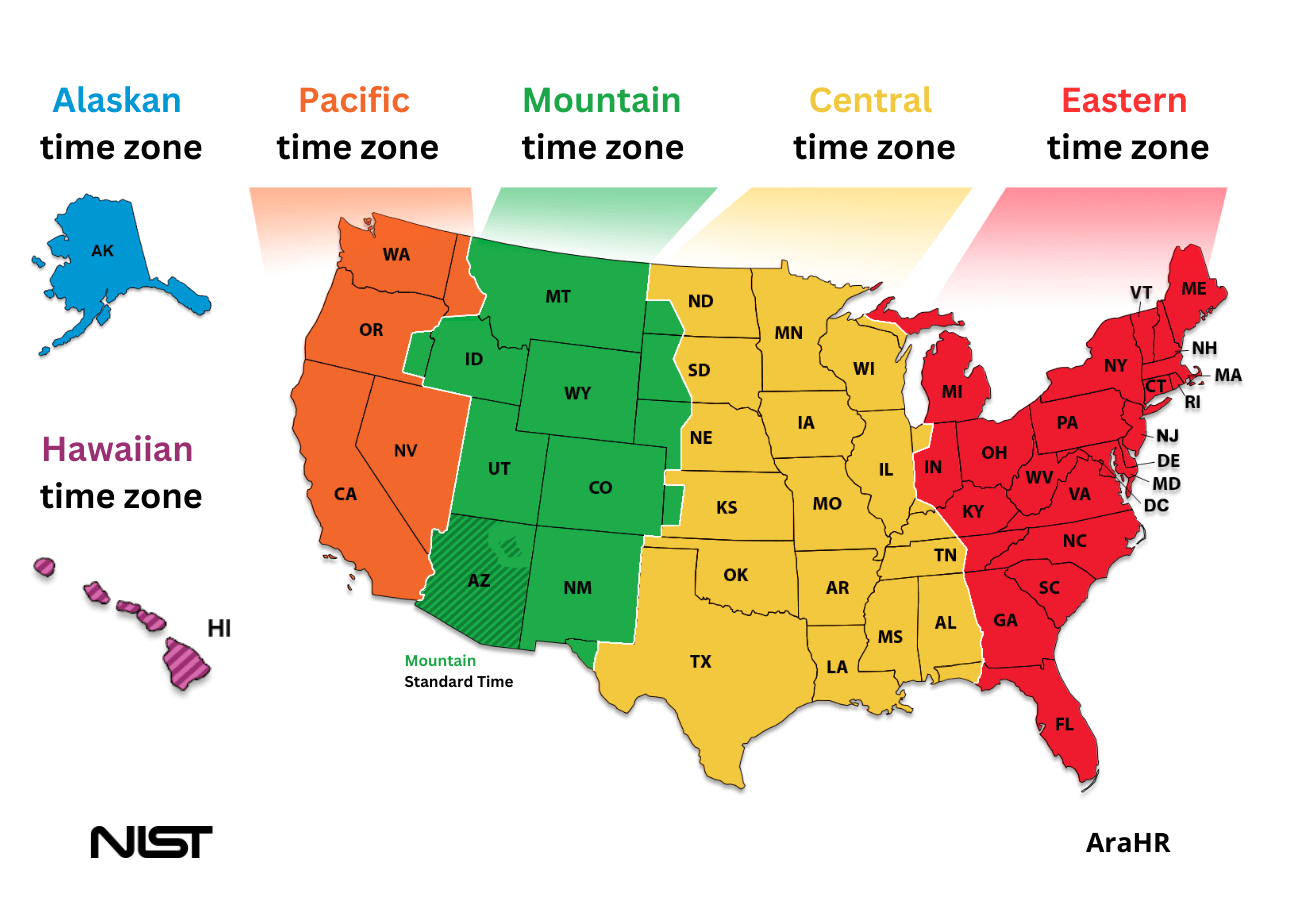
The question “Is Arizona in the Pacific Time Zone?” is a common one that perplexes many travelers, new residents, and even seasoned visitors planning a trip to the Grand Canyon State. The simple answer is: not exactly, but it often syncs up with it for half the year, leading to understandable confusion. Predominantly, Arizona operates on Mountain Standard Time (MST) year-round, notably opting out of Daylight Saving Time (DST). This unique approach to timekeeping sets it apart from many neighboring states and creates a distinctive rhythm that visitors need to understand to ensure a seamless and enjoyable travel experience.
For anyone planning a journey through Arizona, from exploring its vibrant cities like Phoenix and Tucson to marveling at natural wonders such as the Grand Canyon National Park or the red rocks of Sedona, understanding this time zone nuance is crucial. It impacts everything from flight schedules and hotel bookings to the timing of your adventure activities and dining plans. This comprehensive guide will unravel the mystery of Arizona’s time zone, delve into the reasons behind its unique choice, and provide essential tips for navigating your travel, accommodation, and leisure activities across the state.
Arizona’s Unique Stance on Time: Mountain Standard Time All Year Round
The core of the time zone mystery in Arizona lies in its steadfast adherence to Mountain Standard Time (MST) throughout the entire year. Unlike most states in the U.S. and many countries worldwide, Arizona does not observe Daylight Saving Time (DST). This means that while other regions “spring forward” in March and “fall back” in November, Arizona’s clocks remain unchanged.
Why Arizona Skips Daylight Saving Time?
The decision for Arizona to opt out of DST is rooted in a combination of historical context and practical considerations, primarily driven by its arid desert climate. The Uniform Time Act of 1966 allowed states to opt out of DST, and Arizona did so in 1968.
One of the main historical arguments against DST in Arizona revolves around energy conservation. The traditional rationale for DST was to save energy by extending daylight into the evening. However, in a state like Arizona, where scorching summer temperatures are a significant concern, more daylight in the evening would mean later sunsets. This would, in turn, prolong the period when air conditioning is needed, potentially increasing energy consumption rather than decreasing it. Residents prefer the sun to set earlier in the evening during the hot summer months, allowing temperatures to drop more quickly and reducing the strain on air conditioning systems.
Furthermore, a consistent time schedule avoids the disruption of adjusting clocks twice a year, which can impact sleep patterns, business operations, and school schedules. For a state deeply integrated with its natural environment and outdoor lifestyle, maintaining a steady rhythm year-round offers a practical advantage, aligning with the natural patterns of sunlight and heat management crucial for daily life.
The Permanent Mountain Standard Time (MST)
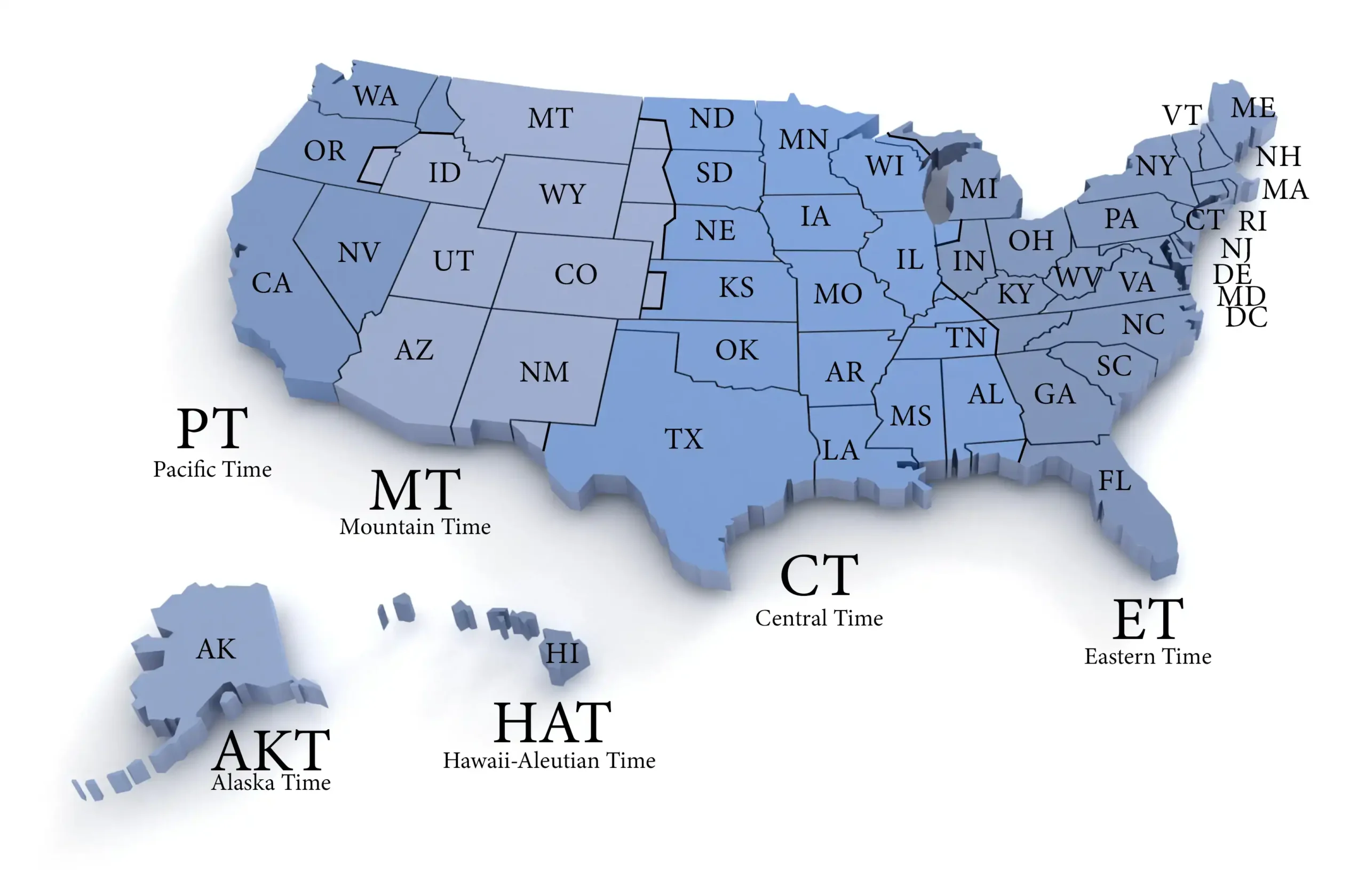
So, what does it mean for Arizona to be on permanent Mountain Standard Time (MST)? MST is UTC-7. To understand the “Pacific Time Zone” confusion, let’s compare it with its western neighbors, California and Nevada, which observe Pacific Time (PT).
- During Fall/Winter (Standard Time): When California and Nevada are on Pacific Standard Time (PST), which is UTC-8, Arizona (MST, UTC-7) is one hour ahead of them. For example, if it’s 10:00 AM in Phoenix, it’s 9:00 AM in Los Angeles.
- During Spring/Summer (Daylight Saving Time): When California and Nevada “spring forward” to Pacific Daylight Time (PDT), which is UTC-7, Arizona (still MST, UTC-7) becomes the same time as them. For example, if it’s 10:00 AM in Phoenix, it’s also 10:00 AM in Los Angeles.
This seasonal shift is precisely why visitors often question if Arizona is in the Pacific Time Zone. For half the year, from roughly March to November, Arizona effectively operates on the same time as the Pacific states, hence the common misconception. This synchronization with Pacific Daylight Time during summer makes cross-state communication and travel planning feel deceptively straightforward until the clocks “fall back” elsewhere.
Navigating Travel and Tourism in Arizona: What Visitors Need to Know
For travelers exploring the diverse landscapes and cultural riches of Arizona, understanding its time zone idiosyncrasy is more than just a trivial detail; it’s a practical necessity that can significantly impact the fluidity of your trip. From booking flights to dining experiences, this unique time setting plays a role in every aspect of your itinerary.
Impact on Flights and Road Trips
The time zone difference is particularly critical when dealing with transportation in and out of Arizona.
- Flights: When booking flights into major hubs like Phoenix Sky Harbor International Airport (PHX) or Tucson International Airport (TUS), always confirm the arrival and departure times in local Arizona time. If you’re flying from a state observing DST, be mindful of whether it’s summer or winter. A flight from California might show a 1-hour difference in winter but no difference in summer, leading to potential confusion if not properly accounted for. Missing connections or arriving at an empty gate can be a frustrating start to any vacation.
- Road Trips: Driving across state lines, especially from California, Nevada, Utah, or New Mexico, requires diligence. Your car’s clock or mobile phone set to automatic time zone updates will usually adjust seamlessly, but it’s always wise to verify. Imagine planning a sunrise hike at the Grand Canyon National Park or a specific tour in Sedona; arriving an hour late (or early) due to a miscalculation can disrupt carefully laid plans and potentially mean missing a crucial booking or the perfect photo opportunity. The same applies to destinations along the Colorado River border, where communities on opposite banks might be an hour apart.
Hotel Bookings and Resort Activities
Accommodation is a cornerstone of any travel experience, and Arizona’s time zone affects it in several ways, from initial booking to daily activities.
- Check-in/Check-out: When reserving rooms at luxury hotels in Scottsdale, family resorts in Phoenix, or budget accommodations in Flagstaff, ensure you understand the local check-in and check-out times. A scheduled 3:00 PM check-in might mean 2:00 PM to your body clock if you’re arriving from a DST-observing state during the summer, or 4:00 PM if it’s winter.
- Resort Amenities and Scheduled Activities: Many Arizona resorts offer a wealth of scheduled activities, from morning yoga sessions and guided hikes in the Sonoran Desert to spa appointments and evening entertainment. Confirming the local time for these ensures you don’t miss out. A morning hot air balloon ride over Sedona’s iconic red rocks often starts before dawn; misinterpreting the time could mean missing this unforgettable experience. When utilizing services such as concierges, booking tours, or planning excursions through the hotel, remember to clarify all times.
Dining and Local Experiences
Exploring local culture through food and activities is a highlight of any trip. Arizona’s time zone affects how you plan these experiences.
- Restaurant Hours: Dining schedules can be impacted. Happy hour specials, early bird dinners, or specific restaurant opening and closing times need to be considered. If you’re used to dinner at 7 PM back home, and it’s summer, that might mean 7 PM Arizona time, which could be 8 PM to your internal clock if you came from a state on Central Daylight Time, for example.
- Attraction Opening Hours: Whether you’re visiting the Desert Botanical Garden in Phoenix, the Heard Museum for Native American art, or historical landmarks like Montezuma Castle National Monument, their operating hours are always listed in local Arizona time. Planning your day efficiently to maximize your sightseeing requires a clear understanding of the time.
- Local Events and Cultural Activities: Arizona hosts numerous festivals, concerts, and cultural events throughout the year, from art walks in Old Town Scottsdale to the world-renowned Tucson Gem & Mineral Show. Always confirm start times against your own internal clock to avoid disappointment. Embrace the local rhythm; sometimes, starting activities earlier in the day is ideal to beat the heat, especially during summer.
The Unique Exception: Navajo Nation and Daylight Saving Time
While the vast majority of Arizona proudly opts out of Daylight Saving Time, there’s one significant and often confusing exception: the Navajo Nation. This large semi-autonomous Native American territory, which spans portions of Arizona, New Mexico, and Utah, does observe Daylight Saving Time.
This means that for roughly half the year, when DST is in effect elsewhere, the Navajo Nation “springs forward” to Mountain Daylight Time (MDT). During this period, the Navajo Nation becomes one hour ahead of the rest of Arizona, which remains on MST.
What this means for travelers:
- Visiting Navajo Lands: If your travel plans include iconic destinations such as Monument Valley, Antelope Canyon, Canyon de Chelly National Monument, or other areas within the Navajo Nation, you will need to adjust your clock by an hour during the DST period. This impacts tour departure times, check-ins at local accommodations, and even meal schedules. For instance, a tour booked for 9:00 AM in Antelope Canyon (within the Navajo Nation) would be 8:00 AM to someone coming from outside the Navajo Nation in Arizona during summer.
- The Hopi Reservation “Donut Hole”: To further complicate matters, the Hopi Reservation is entirely surrounded by the Navajo Nation in Arizona. However, the Hopi Reservation follows the timekeeping rules of the rest of Arizona, meaning it does not observe Daylight Saving Time. This creates a fascinating “donut hole” effect where, during DST, you can drive through a portion of Arizona (MST), enter the Navajo Nation (MDT, one hour ahead), drive through the Hopi Reservation (MST, back one hour), and then re-enter the Navajo Nation (MDT, ahead an hour again). While it adds an extra layer of complexity, this unique arrangement is part of the rich cultural tapestry and sovereign decisions of these nations. Always verify the local time, especially if traveling between these specific areas.
Planning Your Arizona Itinerary: Practical Tips for a Seamless Trip
With Arizona’s distinctive time zone situation, a little foresight and planning can go a long way in ensuring a stress-free and enjoyable trip. Integrating this knowledge into your travel preparations will help you maximize your time and fully immerse yourself in the wonders of the state.
Confirming Times for Bookings and Activities
The golden rule for travel in Arizona is to always double-check and confirm times for all your reservations and planned activities.
- Booking Confirmations: When you receive confirmations for flights, hotels, car rentals, tours, or restaurant reservations, pay close attention to the time zone specified. Most reputable booking platforms will clarify this, but a quick confirmation call or email to your hotel or tour operator can save you considerable hassle.
- Digital Devices: Ensure your smartphone, tablet, or smartwatch is set to automatically update its time zone. This feature is usually reliable, but it’s good practice to cross-reference with a local clock or by asking a local upon arrival. Many public places, like airports and hotels, will have prominent clocks displaying local time.
- Time Zone Converters: If you’re particularly concerned or have a complex multi-state itinerary, use an online time zone converter tool. Input your departure and arrival locations, and it will clearly show the time difference, helping you visualize your schedule.
Leveraging the Lifestyle Advantage
Arizona’s permanent MST isn’t just a technicality; it influences the local lifestyle and can offer unique advantages for visitors.
- Early Starts in Summer: During the summer months, when Arizona aligns with Pacific Daylight Time, early mornings can be surprisingly cool and offer the best conditions for outdoor activities. Hiking Camelback Mountain in Phoenix, exploring Saguaro National Park near Tucson, or enjoying a round of golf is often best done at sunrise before the intense desert heat sets in. The consistent time means no adjustment period to maximize these cooler hours.
- Longer Evenings in Winter: Conversely, during the winter months, when Arizona is an hour ahead of Pacific Standard Time, you gain an extra hour of daylight in the evening compared to PST-observing regions. This is perfect for enjoying later sunsets over the Sonoran Desert, leisurely drives through picturesque landscapes, or extending your time at outdoor attractions without rushing.
- Tailoring Your Trip:
- Family Trips: Parents can appreciate the consistent schedule, making it easier to manage children’s sleep and meal times without the disruption of DST changes. Plan kid-friendly activities around the consistent Arizona time.
- Business Stays: For those on business stays, coordinating meetings with colleagues in other time zones requires an extra layer of awareness, particularly during the biannual time change. However, once understood, the consistent MST simplifies internal scheduling within the state.
- Luxury Travel: Guests enjoying luxury travel experiences can lean on their hotel’s concierge services, who are well-versed in local time nuances and can help manage intricate itineraries with precision, ensuring all experiences from spa treatments to private tours are flawlessly timed.

Embracing Arizona’s Unique Rhythm
Ultimately, Arizona’s unique time zone is part of its charm and distinctive identity. Rather than viewing it as a complication, embrace it as another fascinating aspect of the state.
- Flexibility is Key: While planning is essential, maintaining a degree of flexibility allows you to adapt to any unexpected time-related quirks, especially if venturing into the Navajo Nation.
- Ask Locals: Don’t hesitate to ask hotel staff, tour guides, or locals for clarification on times. Arizonans are accustomed to the questions and are usually happy to help ensure visitors have a smooth experience.
- Focus on the Experience: Let the time zone fade into the background as you immerse yourself in Arizona’s breathtaking natural beauty, rich history, vibrant culture, and delicious cuisine. Whether you’re standing on the rim of the Grand Canyon, hiking through the vortexes of Sedona, or exploring the bustling streets of Phoenix, the memories you create will far outweigh any initial temporal confusion.
In conclusion, while the question “Is Arizona in the Pacific Time Zone?” often brings a nuanced answer, the key takeaway is that the state primarily operates on Mountain Standard Time (MST) year-round. This means it aligns with Pacific Daylight Time during the summer months and is an hour ahead of Pacific Standard Time in the winter. With the notable exception of the Navajo Nation which observes DST, a little awareness is all it takes to seamlessly navigate this aspect of your Arizona adventure. So pack your bags, set your clock (or let your phone do it!), and prepare to discover the unparalleled beauty and unique rhythm of the Grand Canyon State.
LifeOutOfTheBox is a participant in the Amazon Services LLC Associates Program, an affiliate advertising program designed to provide a means for sites to earn advertising fees by advertising and linking to Amazon.com. Amazon, the Amazon logo, AmazonSupply, and the AmazonSupply logo are trademarks of Amazon.com, Inc. or its affiliates. As an Amazon Associate we earn affiliate commissions from qualifying purchases.