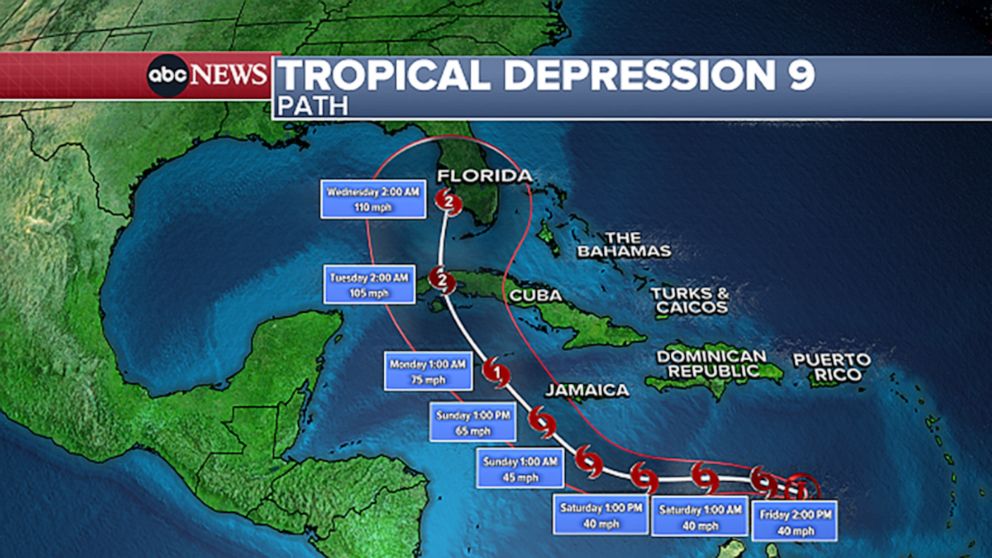
Florida, often dubbed the Sunshine State, is a perennial magnet for travelers seeking sun-drenched beaches, world-class theme parks, and vibrant cultural experiences. From the magical realm of Walt Disney World Resort in Orlando to the art deco splendor of Miami Beach and the tranquil beauty of the Florida Keys, the state offers an unparalleled array of attractions. However, for all its allure, Florida lies within a region susceptible to tropical weather systems, particularly during a specific window each year. The question “Is there a tropical storm coming to Florida?” is a common and critical one for both prospective visitors and seasoned residents, prompting an immediate need for information, preparedness, and adaptable travel strategies.
Understanding the dynamics of tropical storms and hurricanes, their potential impact on travel and tourism, and the best ways to prepare is paramount for anyone planning a trip or residing in the region. This comprehensive guide aims to equip you with the knowledge needed to navigate the nuances of Florida’s storm season, ensuring your travel plans remain as smooth and safe as possible, even when facing the unpredictable forces of nature. We’ll delve into the science behind these weather phenomena, highlight essential resources for real-time updates, and provide actionable advice on everything from securing your accommodation to understanding travel insurance. Our goal is to transform potential anxiety into informed readiness, allowing you to focus on the joy of discovery that a trip to Florida inherently promises, while always prioritizing safety.

Understanding Florida’s Storm Season: What Travelers Need to Know
Florida’s unique geographical position, bordered by the Atlantic Ocean to the east and the Gulf of Mexico to the west, makes it particularly vulnerable to tropical weather systems. The official Atlantic hurricane season runs from June 1st to November 30th each year, with peak activity typically occurring between August and October. During this period, warm ocean waters provide the fuel for disturbances that can evolve into tropical depressions, tropical storms, and, in some cases, powerful hurricanes.
A tropical storm is characterized by sustained winds ranging from 39 to 73 miles per hour (63 to 118 km/h). If these winds intensify further, reaching 74 mph (119 km/h) or higher, the system is classified as a hurricane, measured on the Saffir-Simpson Hurricane Wind Scale. While the threat of a direct hit from a major hurricane is relatively low, the possibility of a tropical storm or even a less intense system bringing heavy rain, strong winds, and coastal flooding is a regular occurrence during these months. For travelers, understanding these classifications and the potential impacts they bring is the first step toward informed decision-making.
The Dynamics of Tropical Systems and Florida
Tropical systems are vast, swirling masses of clouds and thunderstorms that originate over tropical or subtropical waters. Their development is influenced by a complex interplay of atmospheric conditions, including sea surface temperatures, wind shear, and atmospheric moisture. When these systems approach Florida, they can cause a range of hazards beyond just strong winds. Heavy rainfall can lead to widespread inland flooding, even far from the coast. Storm surge, an abnormal rise of water generated by the storm above the predicted astronomical tide, is a particularly dangerous threat to coastal areas like Miami, Tampa, and Key West. Tornadoes can also spawn within a hurricane’s outer bands, adding another layer of risk.
The specific path and intensity of a storm can change rapidly, making it challenging to predict its exact impact days in advance. This inherent unpredictability underscores the importance of continuous monitoring and relying on official, authoritative sources for information. Preparing for a potential storm doesn’t mean canceling your trip outright; rather, it means being vigilant, having a contingency plan, and being ready to adjust as conditions evolve. Many visitors enjoy Florida throughout the hurricane season, often experiencing beautiful weather, but the key is to be aware and prepared for the possibility of disruption.
Key Resources for Real-time Weather Updates
In an age of instant information, distinguishing between reliable sources and speculative chatter is crucial, especially when it comes to severe weather. For the most accurate and up-to-date information regarding tropical storms and hurricanes affecting Florida, always turn to official meteorological and emergency management agencies.
The National Hurricane Center (NHC)), based in Miami, is the primary source for forecasts, advisories, and discussions concerning tropical systems in the Atlantic Basin. Their website (nhc.noaa.gov) offers detailed tracking maps, projected paths, wind speed probabilities, and expert analyses that are indispensable for travelers. Alongside the NHC), the National Weather Service (NWS)) provides localized forecasts and warnings for specific areas within Florida.
Furthermore, the Florida Division of Emergency Management (FDEM) is the state’s lead agency for coordinating disaster preparedness, response, and recovery. Their website and social media channels offer vital information on evacuation orders, shelter locations, and emergency resources. Local county emergency management offices also provide tailored guidance for their specific regions, such as Miami-Dade County Emergency Management or Pinellas County Emergency Management.
Beyond these government agencies, reputable local news outlets across Florida offer excellent coverage and localized updates. Reliable weather apps that integrate NWS data can also be useful for on-the-go monitoring. By bookmarking these key resources and checking them regularly, travelers can stay informed and make timely decisions, greatly reducing potential risks during storm season.

Navigating Your Travel Plans Amidst a Storm Threat
The prospect of a tropical storm or hurricane during your vacation can be daunting, but with the right approach, you can significantly mitigate disruptions and ensure a safer experience. This involves proactive planning before you even depart, informed decision-making during your stay, and a realistic understanding of post-storm recovery.
Before You Go: Essential Pre-Travel Preparations
Diligent preparation is your best defense against unexpected weather events. If you’re planning a trip to Florida during hurricane season, consider these crucial steps:
- Travel Insurance: This is perhaps the most vital preparation. Purchase comprehensive travel insurance that explicitly covers trip cancellation or interruption due to severe weather. Read the policy carefully to understand what is covered (e.g., flight cancellations, hotel refunds, medical emergencies) and what isn’t (e.g., often, if a storm has already been named when you purchase the policy, it may not be covered). Look for “Cancel For Any Reason” (CFAR) policies if you want maximum flexibility, though these are typically more expensive.
- Flexible Bookings: Whenever possible, opt for flights and accommodations that offer flexible cancellation or rebooking policies. Many airlines and hotels understand the unique challenges of hurricane season and provide waivers or easier changes when a named storm is threatening. Confirm these policies at the time of booking.
- Pack an Emergency Kit (or Plan to Buy One): While you won’t bring a full emergency kit on a plane, know what essentials you might need if a storm approaches:
- Documents: Copies of passports, IDs, insurance policies, travel itineraries, and important contact numbers (stored digitally and physically).
- Medications: A sufficient supply of any prescription medications.
- Cash: ATMs may be unavailable or run out of money during power outages.
- Basic Supplies: Flashlight, battery-operated radio (and extra batteries), power bank for charging devices, small first-aid kit, and non-perishable snacks. Most of these can be purchased locally upon arrival if a storm becomes a serious threat.
- Stay Informed Before Departure: Monitor weather forecasts for Florida starting at least a week before your trip. If a storm is already forming or tracking towards the state, re-evaluate your travel plans and be prepared to postpone or cancel if necessary. Many travel providers will offer alternatives if an official warning is issued for your destination.
During Your Stay: Safety and Adaptability
Once you’ve arrived in Florida, maintaining vigilance and flexibility is key.
- Continuous Monitoring: Keep a close eye on local weather reports and official advisories. Tune into local news, use weather apps, and check the NHC website frequently.
- Heed Local Authorities: If evacuation orders are issued for your area, comply immediately. Local emergency management officials prioritize the safety of residents and visitors, and their directives are based on expert assessments of the threat. Trying to “ride out” a storm, especially in an evacuation zone, can put your life and the lives of first responders at risk.
- Communicate with Your Hotel/Host: Your accommodation provider will likely have an emergency plan in place. Familiarize yourself with it. Ask about their policies for sheltering in place, evacuation routes, and what services will be available during a storm (e.g., generators, food, water).
- Prepare Your Room: If a storm is imminent and you’re sheltering in place, bring in any outdoor furniture or items from your balcony, keep electronics charged, fill your car’s gas tank, and withdraw some extra cash.
- Stay Connected: Inform family and friends of your whereabouts and plans. Have a way to charge your phone even if the power goes out (e.g., a car charger, power bank).
- Prioritize Safety Over Sightseeing: Attractions like Universal Orlando Resort or Everglades National Park will close well in advance of a serious storm. Do not attempt to visit them during hazardous conditions. Focus on getting to a safe location.
Post-Storm: Assessing the Impact and Recovery
Once a storm passes, the immediate aftermath can still present challenges.
- Stay Informed: Continue to monitor official updates regarding road closures, power outages, and the availability of essential services. Do not venture out until authorities declare it safe.
- Assess Damage: Check with your hotel regarding the state of facilities and services. If you have a rental car, inspect it for damage.
- Adjust Plans: Depending on the storm’s impact, some attractions may be temporarily closed, and travel infrastructure (e.g., airports, roads) might be disrupted. Be prepared for delays and changes to your itinerary. Embrace the opportunity to explore less affected areas or engage in recovery efforts if appropriate.
- Support Local Businesses: When it’s safe to do so, supporting local restaurants, shops, and tour operators can be a wonderful way to contribute to the community’s recovery. Many areas rebound quickly, and tourism is a vital part of Florida’s economy.
Accommodation & Hospitality During Inclement Weather
Choosing the right accommodation and understanding hotel policies become particularly important during Florida’s storm season. Your hotel or resort isn’t just a place to sleep; it can be a crucial sanctuary during a weather event.
Choosing Storm-Ready Hotels and Resorts
When booking your stay, especially during the peak storm season, consider factors that indicate a property’s readiness for severe weather.
- Construction Quality: Newer buildings and those built to stricter hurricane codes often offer better protection. While it’s hard to ascertain this from a booking site, you can sometimes find information on resort websites or through reviews.
- Elevated Locations: For coastal destinations like South Beach in Miami or the Florida Keys, consider properties that are not directly on the beachfront or are situated on higher ground to mitigate storm surge risks.
- On-Site Amenities and Services: Look for hotels that advertise backup generators, which can ensure power for essential services (lights, AC, charging) during outages. Some larger resorts, such as those found in Orlando like the Grand Hyatt Orlando, may even have comprehensive on-site dining options and activities that can sustain guests for a period if movement outside is restricted. Enquire about their emergency food and water supplies.
- Internal Emergency Plans: A well-prepared hotel will have clear emergency procedures for guests, including designated shelter areas, evacuation plans, and staff trained to assist. Don’t hesitate to ask about these plans when booking or checking in.
Understanding Hotel Cancellation and Rebooking Policies
Hotel policies can vary significantly, and knowing them upfront can save you considerable stress and expense.
- Flexibility is Key: Many major hotel chains and reputable independent properties in Florida offer flexible cancellation or modification options, especially when a named tropical storm or hurricane threatens. These policies often allow guests to change dates or receive a full refund without penalty if an official weather advisory or evacuation order is issued for their destination.
- Official Advisories: Typically, these waivers are activated when the National Hurricane Center issues a tropical storm watch, hurricane watch, tropical storm warning, or hurricane warning for the affected area. Always check with your specific hotel directly or review their website for their “hurricane guarantee” or severe weather policy.
- Third-Party Bookings: If you booked through an online travel agency (OTA) like Expedia or Booking.com, you’ll likely need to work through them to modify or cancel your reservation, as their policies might override the hotel’s direct policy. Ensure you understand their terms regarding severe weather.
- Communication: Maintain open communication with your chosen accommodation. If a storm is brewing, contact them to understand their specific protocols and discuss your options. They are often your best on-the-ground resource for local conditions and advice.
Experiencing Florida Safely: Beyond the Storm Clouds
While preparing for potential storms is essential, it’s equally important to remember that Florida remains a fantastic travel destination, even during hurricane season. Many days are perfectly sunny and beautiful. The key is knowing how to adapt and make the most of your trip, regardless of the weather.
Alternative Attractions and Indoor Activities
Should a storm approach or pass through, outdoor activities might be temporarily curtailed. However, Florida boasts a wealth of indoor attractions that can keep you entertained, dry, and safe.
- Museums and Galleries: Cities like St. Petersburg (home to the Dalí Museum), Sarasota (Ringling Museum), and Fort Lauderdale offer impressive art and science museums. Orlando and Miami also have numerous cultural institutions suitable for all ages, like the Frost Science Museum or the Orlando Science Center.
- Aquariums and Indoor Zoos: The Florida Aquarium in Tampa, the Miami Seaquarium, and the Clearwater Marine Aquarium provide fascinating glimpses into marine life, perfect for a rainy day.
- Shopping and Entertainment Complexes: Florida is renowned for its expansive shopping malls and entertainment districts. The Florida Mall and Mall at Millenia in Orlando, or Aventura Mall near Miami, offer countless retail, dining, and cinematic experiences.
- Theme Park Alternatives: Even if the major outdoor parks are closed, many of their associated resorts offer indoor entertainment, dining, and activities that remain open to guests. Consider attractions like ICON Park (with its Ferris wheel and Madame Tussauds), though outdoor components might be affected by wind.
- Culinary Exploration: Florida’s diverse culinary scene can be a fantastic way to pass time indoors. Explore local restaurants, try unique Florida cuisine, or participate in a cooking class if available.
Supporting Local Communities in Recovery Efforts
In the unfortunate event that a storm does significantly impact an area, demonstrating responsible tourism and supporting recovery efforts can be a meaningful part of your travel experience.
- Patience and Understanding: Recovery takes time. Roads may be damaged, power outages might linger, and services could be limited. Patience and understanding for local residents and service providers are paramount.
- Spend Locally: When you return to an affected area (once it’s safe to do so), direct your spending towards local businesses. Dining at local restaurants, purchasing from independent shops, and utilizing local tour operators helps inject much-needed funds directly into the community.
- Volunteer Opportunities: For those with the time and inclination, reputable organizations often organize volunteer efforts for post-storm cleanup and aid. Always work through established charities like the American Red Cross or local relief organizations to ensure your efforts are safe and effective.
- Respect the Environment: Coastal ecosystems, especially beaches and barrier islands, can be vulnerable after a storm. Adhere to any restrictions on beach access or natural areas to allow for environmental recovery.
Future Travel: Planning Your Florida Escape Wisely
Ultimately, the question of whether a tropical storm is coming to Florida is less about a single event and more about an ongoing preparedness mindset. Florida is an incredibly resilient state, and its tourism infrastructure is designed to recover quickly.
For travelers who prefer to minimize any weather-related anxieties, planning a trip outside the traditional hurricane season (roughly December through May) is a wise choice. During these months, the weather is typically idyllic, with lower humidity and minimal risk of tropical systems. This is an ideal time to explore popular destinations like Naples, St. Augustine, or the Panhandle’s pristine beaches, without the added layer of storm vigilance.
However, for those who choose to visit during the summer or fall, embracing the beauty and excitement of Florida while being informed and prepared is entirely achievable. By staying updated with official weather reports, investing in appropriate travel insurance, choosing storm-ready accommodations, and having a flexible mindset, you can navigate the storm season with confidence. The vibrant culture, stunning natural landscapes, and unparalleled attractions of Florida await, and with thoughtful planning, your journey can be safe, memorable, and truly exceptional, come rain or shine.