
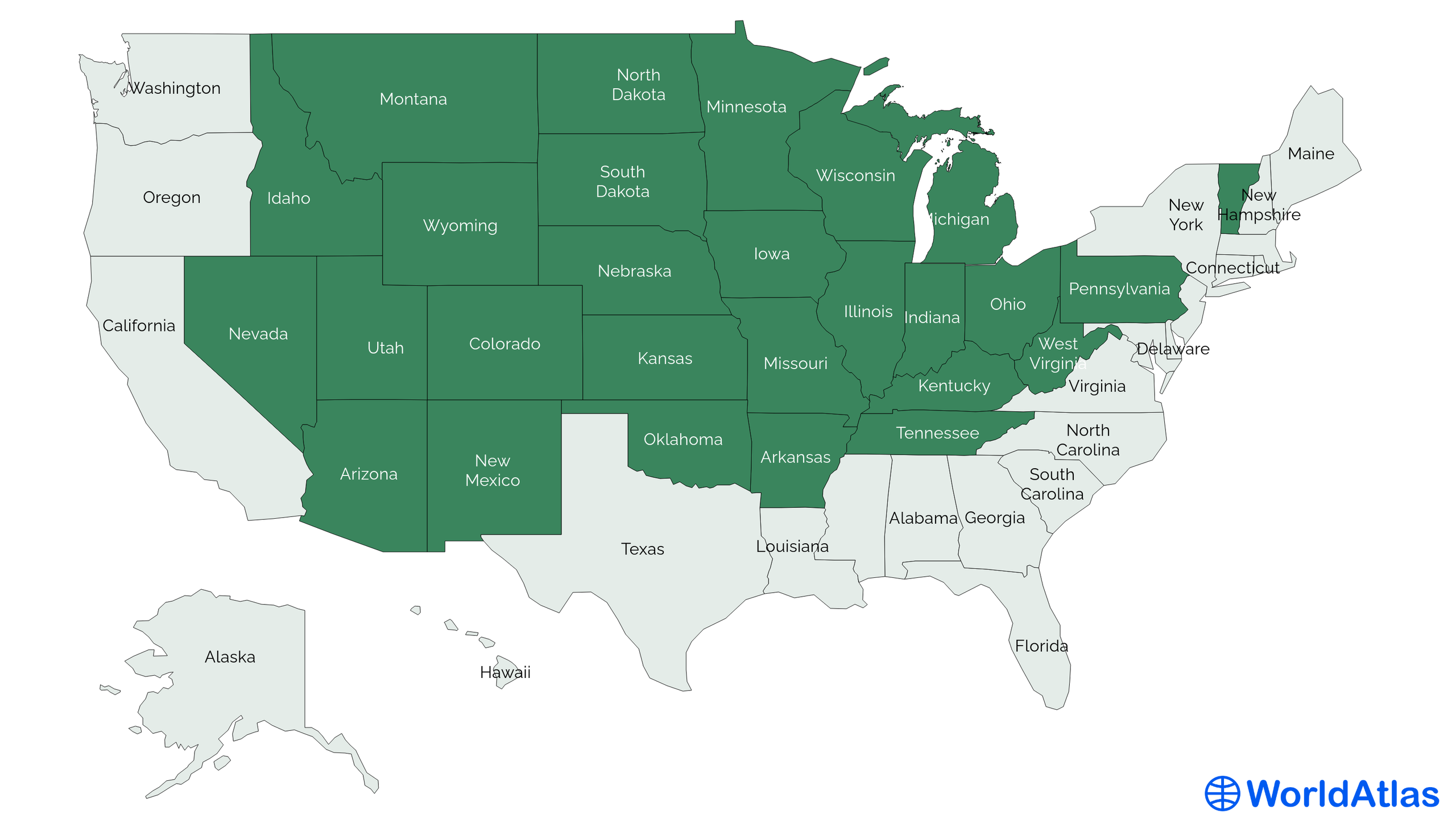
The question of whether a state is landlocked often carries implications for its natural beauty, available recreational activities, and overall character as a travel destination. For Arizona, a state renowned for its dramatic desert landscapes, iconic canyons, and vibrant Southwestern culture, understanding its geographical status is key to appreciating its unique offerings. The definitive answer is yes: Arizona is, in fact, landlocked. It shares borders with other states and a neighboring country but has no direct access to an ocean or sea. This fundamental geographical truth shapes virtually every aspect of the Arizona travel experience, defining its distinct natural features and the adventures it presents to visitors. Far from being a limitation, its landlocked nature is a cornerstone of its allure, fostering a diverse array of terrestrial and freshwater-based attractions that are unparalleled in their majesty and excitement.

Defining “Landlocked” in the Context of Arizona
To grasp what being landlocked means for Arizona, it’s essential to understand the geographical definition and how it applies to this southwestern United States gem.
The Literal Definition
A landlocked region, whether a country or a state, is one that is entirely enclosed by land, having no direct coastline on an ocean or gulf. While many people associate landlocked states with vast plains or mountainous interiors, Arizona offers a starkly different landscape. It’s important to differentiate between being landlocked and being devoid of water; a landlocked state can still be rich in lakes, rivers, and other freshwater bodies, which is certainly the case for Arizona. The absence of saltwater coastlines simply redirects the focus of aquatic activities and influences the types of ecosystems that flourish within its borders.
Arizona’s Borders and Waterways
Arizona is bordered by six distinct entities. To its west lie California and Nevada, separated in part by the mighty Colorado River. To the north, it shares a border with Utah, while New Mexico lies to its east. A small corner touches Colorado at the Four Corners Monument, and to the south, Arizona shares an international border with Mexico. Despite its proximity to the Gulf of California (which is just across the border in Mexico), Arizona itself does not extend to touch this body of water.
However, the state is far from dry. The Colorado River is a lifeline, forming much of Arizona’s western border and carving out some of its most spectacular natural wonders. This powerful river feeds numerous significant reservoirs and lakes, transforming portions of the desert into vibrant aquatic playgrounds. Lakes like Lake Mead, Lake Mohave, Lake Havasu, and Lake Powell are all integral parts of the Arizona experience, offering abundant opportunities for boating, fishing, swimming, and various watersports. Thus, while no ocean breezes grace Arizona’s shores, an abundance of freshwater activities ensures that aquatic adventures are a prominent feature of its travel landscape.
The Influence of a Landlocked State on Travel Experiences
Arizona’s landlocked status profoundly shapes the types of travel experiences available, pushing visitors towards unique adventures found nowhere else. Instead of coastal escapes, travelers discover a realm of stark beauty, geological marvels, and a rich tapestry of cultural heritage deeply intertwined with the land.
Absence of Ocean Beaches, Presence of Aquatic Alternatives
The most immediate consequence of Arizona’s landlocked nature is the absence of ocean beaches. This steers travelers away from traditional seaside holidays but opens doors to an incredible array of freshwater recreation. The lakes and rivers fed by the Colorado River serve as vibrant hubs for water-based activities. Lake Havasu City, home to the relocated London Bridge, is a famous spring break destination and year-round haven for boating, jet-skiing, and swimming. Lake Powell, a sprawling reservoir straddling the Arizona-Utah border, is renowned for its houseboating, kayaking through slot canyons, and exploring its countless coves. Even within the Phoenix metropolitan area, lakes like Saguaro Lake, Canyon Lake, and Apache Lake provide easily accessible escapes for paddleboarding, fishing, and scenic cruises. These aquatic playgrounds, framed by dramatic desert mountains and red rock formations, offer a distinct charm that coastal destinations simply cannot replicate.
Desert Landscapes and Mountainous Terrain
Being landlocked allows Arizona to fully embrace and showcase its extraordinary terrestrial features. The state is a mosaic of diverse deserts, primarily the Sonoran Desert in the south and portions of the Mojave Desert and Chihuahuan Desert elsewhere. These aren’t barren wastelands but vibrant ecosystems teeming with unique flora and fauna, such as the iconic Saguaro cactus. National parks like Saguaro National Park near Tucson offer immersive experiences into these fascinating environments.
Beyond the deserts, Arizona’s landscape dramatically shifts to high plateaus and extensive mountain ranges. Flagstaff, for example, sits at an elevation of over 7,000 feet and is surrounded by pine forests, offering skiing in winter and cool escapes in summer. This topographical variety, uninfluenced by coastal plain development, preserves vast tracts of wilderness for hiking, rock climbing, mountain biking, and stargazing. The lack of a coastline allows for the pristine preservation of these interior landscapes, making them the primary draw for adventurers and nature enthusiasts.
Unique Travel Experiences in Landlocked Arizona
Arizona’s landlocked status is not a deficit but a defining characteristic that fosters a remarkable range of unique travel experiences. From world-famous natural wonders to vibrant cultural hubs, the state offers adventures tailored to its distinct geography.
Grand Canyon National Park and Geological Wonders
The undisputed crown jewel of Arizona and a quintessential example of landlocked geological majesty is Grand Canyon National Park. Carved over millions of years by the Colorado River, this immense chasm showcases geological history on an epic scale. Visitors can explore the South Rim for panoramic vistas, delve into the canyon on strenuous hikes, or experience the serene isolation of the North Rim.
Beyond the Grand Canyon, Arizona boasts an impressive collection of other geological marvels. Antelope Canyon and Horseshoe Bend, near Page, offer surreal slot canyon photography opportunities and breathtaking river views. Sedona is celebrated globally for its stunning red rock formations, believed by many to emit powerful vortex energy, making it a hub for spiritual retreats, hiking, and mountain biking. Petrified Forest National Park preserves ancient fallen trees turned to stone, alongside colorful badlands. These formations are purely terrestrial wonders, developed through millennia of geological processes, entirely independent of oceanic influence, yet they draw millions seeking profound natural beauty.
Lake Powell, Lake Havasu, and River Adventures
While ocean coasts are absent, Arizona’s large artificial lakes and the powerful Colorado River provide boundless opportunities for aquatic recreation. Lake Powell, formed by the Glen Canyon Dam, offers thousands of miles of shoreline—more than the entire Pacific coast of California. Houseboating, water skiing, jet-skiing, and kayaking into secluded canyons are incredibly popular activities here. Lake Havasu on the state’s western border is another vibrant hub for watersports, famous for its energetic atmosphere and the iconic London Bridge. Further south, the Colorado River below the Hoover Dam offers serene stretches for kayaking and paddleboarding, contrasting sharply with its wilder, whitewater sections that challenge rafters. These freshwater destinations capitalize on Arizona’s interior geography, transforming dry desert into refreshing havens.
Phoenix and Tucson: Urban Desert Oases
Arizona’s major cities, Phoenix and Tucson, exemplify how vibrant urban centers can thrive within a landlocked desert environment. Phoenix, the state capital, is a sprawling metropolis nestled in the Sonoran Desert. It offers world-class resorts, fine dining, cultural institutions like the Musical Instrument Museum, and direct access to mountain preserves for hiking and mountain biking, such as Camelback Mountain and South Mountain Park and Preserve. Tucson, a UNESCO City of Gastronomy, is known for its rich Old West history, mission architecture like Mission San Xavier del Bac, and proximity to Saguaro National Park. These cities are not just concrete jungles but active participants in their desert surroundings, offering unique cultural and recreational fusion experiences that are inherently tied to their inland setting.
Cultural and Historical Journeys
The absence of coastal trade routes meant that Arizona’s history and culture developed uniquely, shaped by indigenous peoples, Spanish explorers, and pioneers. Travelers can explore ancient cliff dwellings at Montezuma Castle National Monument or Canyon de Chelly National Monument, offering insights into the lives of early Native American inhabitants, including the Navajo Nation. Ghost towns like Oatman harken back to the mining boom, while historic Route 66 towns such as Seligman and Winslow evoke the romance of classic American road trips. The state’s landlocked nature fostered a culture of resilience and innovation, making its historical narratives as compelling as its landscapes.
Planning Your Trip to Landlocked Arizona
Understanding Arizona’s geography is crucial for planning an unforgettable trip. Its landlocked status dictates certain considerations, particularly regarding weather and necessary gear.
Best Times to Visit
Arizona’s climate is diverse, varying significantly between the low deserts and the high country. Generally, the best time to visit the desert regions (like Phoenix and Tucson) is during the cooler months from October to April, when temperatures are pleasant for outdoor activities. Summer can be intensely hot in the lower elevations, though it’s the ideal time for visiting the northern, mountainous areas like Flagstaff, the Grand Canyon, and Sedona, where temperatures are much milder. Water-based activities on the lakes are popular from late spring through early fall, offering a refreshing respite from the desert heat.
Essential Gear for Desert and Water Activities
Given Arizona’s unique environment, packing smart is key. For desert exploration, essentials include:
- Hydration: Plenty of water, especially when hiking.
- Sun Protection: Wide-brimmed hats, sunglasses, and high-SPF sunscreen are vital.
- Appropriate Footwear: Sturdy hiking boots for trails and comfortable, breathable shoes for city exploration.
- Layered Clothing: Temperatures can fluctuate dramatically between day and night, even in the desert.
For water activities on its lakes and rivers, remember:
- Swimwear: Quick-drying options are ideal.
- Water Shoes: Protect feet from rocky shores or hot sand.
- Life Vests: Often required or recommended for boating and water sports.
- Waterproof Bags: To protect electronics and valuables.
In conclusion, Arizona being landlocked is not a geographical quirk but a foundational element of its identity as a premier travel destination. It compels visitors to look inward, to explore dramatic canyons, vast deserts, verdant oases, and shimmering freshwater lakes. The experiences found here—from navigating slot canyons and hiking majestic mountains to exploring ancient cultures and enjoying vibrant desert cities—are distinct and deeply rooted in its inland geography, promising a journey unlike any other.
LifeOutOfTheBox is a participant in the Amazon Services LLC Associates Program, an affiliate advertising program designed to provide a means for sites to earn advertising fees by advertising and linking to Amazon.com. Amazon, the Amazon logo, AmazonSupply, and the AmazonSupply logo are trademarks of Amazon.com, Inc. or its affiliates. As an Amazon Associate we earn affiliate commissions from qualifying purchases.