
Understanding the prevailing weather conditions in a destination is a fundamental aspect of travel planning. For any visitor to the vibrant metropolis of New York, being aware of the current temperature is not just about comfort; it’s about optimizing your experience. Whether you’re planning a leisurely stroll through Central Park, attending a Broadway show, or exploring the iconic Times Square, the weather dictates what you’ll pack, the activities you’ll prioritize, and how you’ll navigate the city. This guide delves into the nuances of New York’s climate and how to best prepare for your visit, focusing on the practicalities for the discerning traveler.
Navigating New York’s Diverse Climates
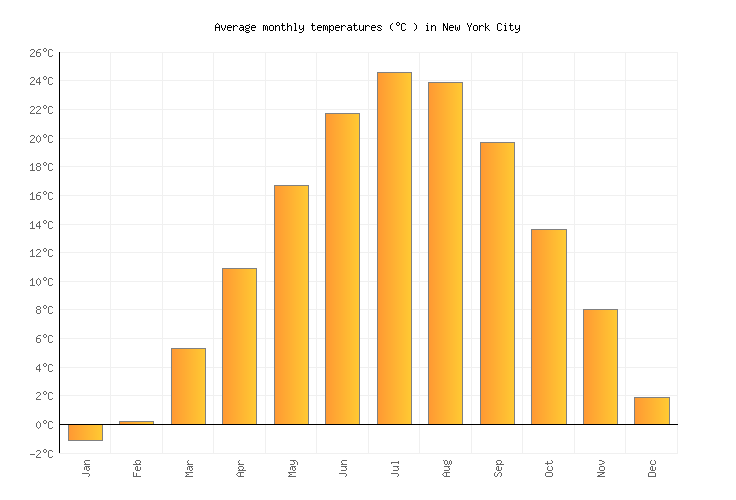
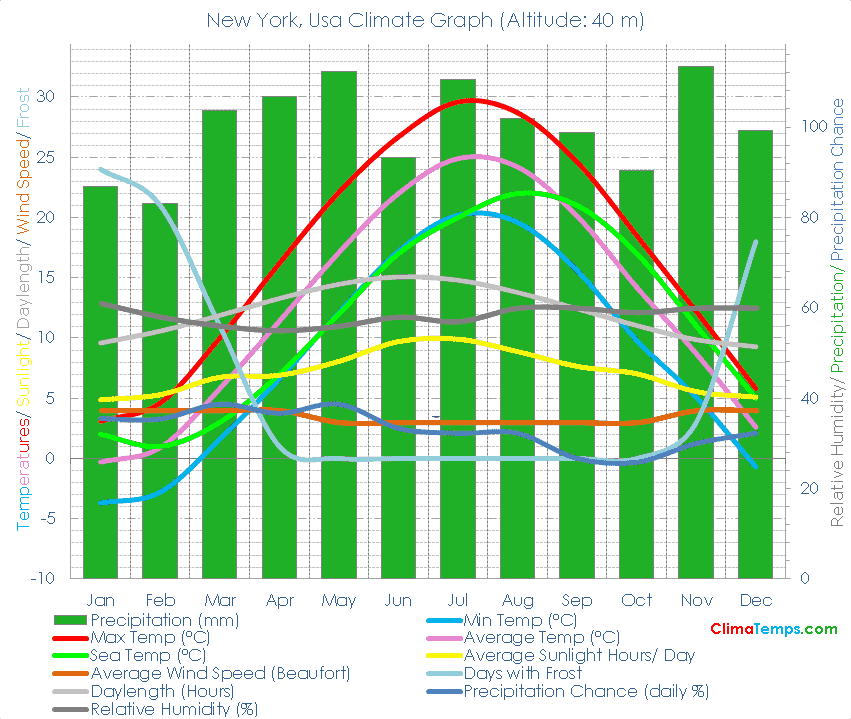
New York City experiences a humid subtropical climate, characterized by four distinct seasons, each with its own unique temperature ranges and weather patterns. For travelers, this means the “current temperature” is a dynamic piece of information that can significantly influence your itinerary. Understanding these seasonal shifts is key to a successful and enjoyable trip, regardless of your intended activities.
Spring (March – May): A Gentle Awakening
Spring in New York is a period of transition. The harshness of winter gradually gives way to milder temperatures, though unpredictable swings are common.
- Early Spring (March – April): Expect temperatures to range from the low 40s Fahrenheit (around 4-7°C) in the early mornings and evenings to the mid-50s Fahrenheit (around 13-16°C) during the day. Rainfall is frequent, and you might still encounter frost or even a late snowfall. Layering is crucial. A light to medium-weight jacket, a scarf, and comfortable, waterproof walking shoes are essential. This is a good time for indoor attractions like museums such as the Metropolitan Museum of Art or the American Museum of Natural History, as well as enjoying cozy cafes and Broadway performances.
- Late Spring (May): By May, the city truly begins to bloom. Daytime temperatures typically climb into the 60s and 70s Fahrenheit (around 16-26°C), making it ideal for outdoor exploration. Evenings can still be cool, dropping into the 50s Fahrenheit (around 10-15°C). Lighter clothing becomes more appropriate, such as t-shirts, light sweaters, and a stylish trench coat for cooler evenings or unexpected showers. This is a prime time to enjoy walks across the Brooklyn Bridge, exploring neighborhoods like Greenwich Village, and outdoor dining.
Summer (June – August): The City’s Vibrant Pulse
Summer in New York is synonymous with long days, bustling streets, and a palpable energy. However, it also brings heat and humidity.
- Peak Summer (July – August): Daytime temperatures frequently soar into the 80s and 90s Fahrenheit (around 27-37°C), with heatwaves pushing them even higher. High humidity can make these temperatures feel more intense. Lightweight, breathable fabrics like cotton and linen are your best friends. Pack shorts, t-shirts, sundresses, and comfortable sandals. Sunscreen, hats, and sunglasses are non-negotiable. Staying hydrated is paramount, and the city offers numerous public water fountains and air-conditioned havens like department stores or public libraries. This is the perfect season for exploring outdoor markets, enjoying rooftop bars with panoramic views, attending free concerts in parks, and visiting attractions like Coney Island.
- Early Summer (June): June offers a pleasant prelude to the peak summer heat. Temperatures are generally in the high 70s to low 80s Fahrenheit (around 25-28°C) during the day, with evenings remaining warm. It’s an excellent time to experience outdoor dining and events before the most intense heat arrives.
Autumn (September – November): A Palette of Colors
Autumn is often considered the most beautiful season to visit New York, offering crisp air and stunning fall foliage.
- Early Autumn (September – October): September often retains the warmth of summer, with daytime temperatures still in the 70s Fahrenheit (around 21-26°C). As October progresses, temperatures begin to cool, typically falling into the 50s and 60s Fahrenheit (around 10-20°C) during the day. Evenings become noticeably crisp, often dipping into the 40s Fahrenheit (around 4-9°C). This is the ideal time for walking tours, exploring neighborhoods like SoHo, and enjoying the vibrant colors in Prospect Park. Pack layers: jeans, long-sleeved shirts, sweaters, and a medium-weight jacket are essential.
- Late Autumn (November): By November, winter’s chill starts to creep in. Daytime temperatures are typically in the 40s and 50s Fahrenheit (around 4-15°C), with evenings dropping into the 30s Fahrenheit (around 0-4°C). A warmer coat, gloves, and a hat become necessary. While outdoor activities are still possible, the focus may shift more towards indoor experiences and enjoying the festive atmosphere as the holiday season approaches.
Winter (December – February): The City’s Enchanting Sparkle
Winter in New York is defined by cold temperatures, potential snow, and a magical holiday spirit.
- Early Winter (December): December offers a unique charm, with temperatures hovering around the freezing mark, often in the 20s and 30s Fahrenheit (around -7 to 4°C). The city comes alive with holiday decorations, ice skating rinks at Rockefeller Center, and festive markets. Warm, insulated clothing is paramount: a heavy winter coat, thermal layers, a warm hat, gloves, and a scarf are indispensable.
- Mid-Winter (January – February): These are typically the coldest months, with average temperatures well below freezing, often in the teens and 20s Fahrenheit (around -12 to -1°C). Snowfall is common, and blizzards are a possibility, though often short-lived. The key to enjoying New York in winter is proper layering and embracing the cozy indoor offerings. Think warm cafes, world-class museums, and theatrical performances. When venturing out, ensure you have robust winter gear.
Real-Time Temperature Checks and Planning Tools
Knowing the general climate is one thing, but for immediate travel decisions, checking the current temperature in New York is vital. Several reliable resources can provide this information.
Online Weather Services

Numerous websites and mobile applications offer real-time weather updates for New York City. Popular options include:
- The Weather Channel: Provides detailed forecasts, including hourly temperatures, wind speed, and precipitation chances.
- AccuWeather: Offers similar comprehensive data, often with a focus on minute-by-minute forecasts.
- National Weather Service (NOAA): The official source for meteorological data in the United States, offering highly accurate and detailed information.
- Google Weather: A quick and convenient way to get current conditions and a short-term forecast by simply searching “weather New York.”
When checking these services, pay attention not just to the current temperature but also to the “feels like” temperature, which accounts for wind chill and humidity, providing a more accurate representation of how cold or hot it will actually feel.
Mobile Weather Apps
Most smartphones come with pre-installed weather apps, and many third-party applications offer advanced features. These apps are invaluable for travelers as they provide instant access to weather information on the go. Many allow you to set alerts for significant weather changes, which can be particularly useful in a city like New York where conditions can shift rapidly.
Considerations for Different Boroughs
While this guide focuses on New York City generally, it’s worth noting that microclimates can exist within the five boroughs. For instance, areas closer to the water, such as those in Queens or Brooklyn with direct waterfront access, might experience slightly different temperatures due to sea breezes. Similarly, urban heat island effects can make downtown areas, like Lower Manhattan, feel warmer than more suburban or park-heavy areas. For most tourist activities, the general city forecast will suffice, but for specific excursions, a quick check of a local forecast might be beneficial.
Packing Smart Based on Temperature
Your packing strategy should be directly informed by the current and projected temperatures in New York.
Layering is Key
Regardless of the season, New York weather can be unpredictable. The most effective way to pack is by adopting a layering approach. This allows you to easily adjust your clothing to changing temperatures throughout the day.
- Base Layer: Moisture-wicking fabrics (like merino wool or synthetic blends) are ideal for managing sweat, especially in warmer months or during strenuous activity.
- Mid Layer: Fleece, a light sweater, or a down vest provides insulation.
- Outer Layer: A waterproof and windproof jacket is essential for protection against the elements. In winter, this needs to be a heavy-duty, insulated coat.
Footwear Choices
Comfortable footwear is paramount for exploring New York City.
- Spring/Autumn: Comfortable walking shoes are a must. Consider waterproof or water-resistant options, as well as a slightly dressier pair for evenings out.
- Summer: Breathable sneakers, comfortable sandals, or espadrilles are suitable for warmer days. Ensure they offer good support for walking long distances.
- Winter: Insulated, waterproof boots with good traction are essential to navigate snow, ice, and cold.
Essential Accessories
Don’t underestimate the importance of accessories, which can significantly enhance your comfort based on the temperature.
- Sun Protection: Hats, sunglasses, and sunscreen are vital year-round, but especially during spring and summer to protect against UV rays.
- Cold Weather Gear: For winter, prioritize a warm hat that covers your ears, insulated gloves or mittens, and a scarf or neck gaiter to protect your face and neck from the cold wind.
- Umbrella: A compact, sturdy umbrella is a wise addition to your packing list for any season, as rain showers can occur unexpectedly.
Embracing the New York Experience, Whatever the Weather
Ultimately, knowing the current temperature in New York is more than just a data point; it’s a tool that empowers you to plan your adventures with confidence and comfort. From the bustling streets of Manhattan to the diverse neighborhoods of the outer boroughs, New York offers an unparalleled travel experience year-round. By understanding its climate and utilizing real-time weather information, you can ensure that every moment spent in this dynamic city is optimized, whether you’re seeking the warmth of a summer evening concert or the crisp beauty of an autumn stroll through Central Park. A little preparation goes a long way in unlocking the full magic of New York City.
LifeOutOfTheBox is a participant in the Amazon Services LLC Associates Program, an affiliate advertising program designed to provide a means for sites to earn advertising fees by advertising and linking to Amazon.com. Amazon, the Amazon logo, AmazonSupply, and the AmazonSupply logo are trademarks of Amazon.com, Inc. or its affiliates. As an Amazon Associate we earn affiliate commissions from qualifying purchases.