
Embarking on a journey to the sun-drenched landscapes and vibrant cities of Arizona often brings with it an intriguing question that puzzles many first-time visitors: “What time zone is Arizona in?” While the answer seems straightforward at first glance – Mountain Standard Time (MST) – the reality is delightfully unique and adds a fascinating layer to any travel itinerary within this southwestern jewel of the United States. Unlike most of its neighboring states and indeed, the majority of the country, Arizona largely opts out of observing Daylight Saving Time (DST). This seemingly minor detail has significant implications for travelers, from coordinating flights and hotel check-ins to planning excursions across state lines or even within the diverse regions of Arizona itself. Understanding this temporal anomaly is not just a matter of setting your watch; it’s key to seamlessly immersing yourself in the state’s rich culture, breathtaking landmarks, and unparalleled tourism experiences.
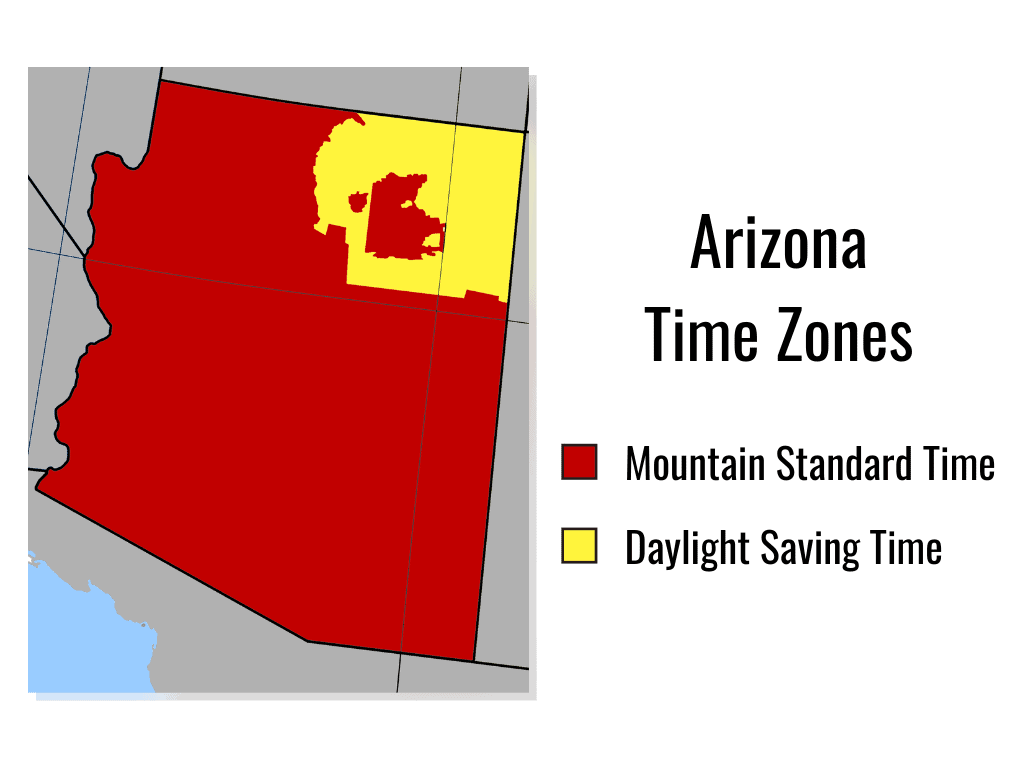
Unraveling Arizona’s Time Zone Anomaly
The question of Arizona’s time zone often becomes a point of delightful confusion for visitors, but it’s a quirk deeply rooted in the state’s history and unique climate. The decision to forgo Daylight Saving Time sets Arizona apart, making it an intriguing case study in time zone management.
The Perennial Stand Against Daylight Saving Time
The primary reason Arizona doesn’t observe Daylight Saving Time dates back to a combination of legislative decisions and a very practical understanding of its intense desert climate. The Uniform Time Act of 1966 established Daylight Saving Time as a national standard but allowed states to opt out. Arizona initially experimented with DST but found that the energy conservation argument, a core tenet of DST, didn’t apply to its unique circumstances.
In Arizona, particularly in the low desert areas around Phoenix and Tucson, summer temperatures routinely soar above 100 degrees Fahrenheit. The concept of “saving daylight” by extending evening light meant extending the period of intense heat, pushing back outdoor activities and increasing the demand for air conditioning well into the night. For a state where people typically rise early to beat the heat, shifting clocks forward proved counterproductive and unpopular. Consequently, Arizona officially opted out of Daylight Saving Time in 1968 and has remained on Mountain Standard Time year-round ever since.
What does this mean for travel and tourism? From March to November, when most of the United States observes DST, Arizona’s time aligns with Pacific Daylight Time (PDT). This means if you’re traveling from California or Nevada during those months, there’s no time change when you cross into Arizona. However, from November to March, when the rest of the country reverts to standard time, Arizona remains on Mountain Standard Time (MST), putting it one hour ahead of Pacific Standard Time and the same time as the Mountain Standard Time states like Utah and New Mexico. This distinction is vital for scheduling and coordination, especially for those venturing from neighboring regions.
A Time Within a Time: The Navajo Nation’s Exception
Adding another layer of complexity, and indeed a significant piece of local culture to the time zone puzzle, is the Navajo Nation. This vast sovereign territory, encompassing a substantial portion of northeastern Arizona and extending into New Mexico and Utah, does observe Daylight Saving Time.
The decision for the Navajo Nation to observe DST is primarily for consistency with its surrounding states and for the ease of coordination with federal and tribal agencies, many of which are located outside of Arizona. For travelers, this creates a unique situation: during the months when DST is in effect (roughly March to November), the Navajo Nation will be one hour ahead of the rest of Arizona. When DST ends, their time aligns once again with the rest of the state on Mountain Standard Time.
This internal time zone shift is crucial for visitors planning to explore iconic sites within the Navajo Nation, such as Monument Valley or Canyon de Chelly National Monument, or even parts of the eastern Grand Canyon National Park that lie within tribal lands. Missing a tour, an appointment with a local guide, or even a meal reservation because of a time zone miscalculation is a common pitfall. To further complicate matters, the Hopi Reservation, which is entirely encircled by the Navajo Nation, does not observe Daylight Saving Time. This creates a fascinating “donut” hole in the time map, where one might cross into and out of DST several times within a short drive. Always verify the local time when venturing into these culturally rich and geographically stunning areas.
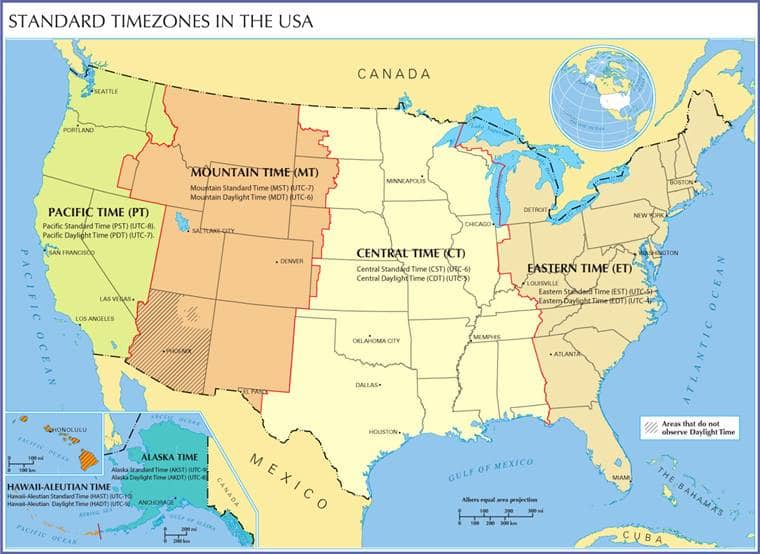
Navigating Time Zones for Your Arizona Adventure
The unique time zone dynamics of Arizona are an integral part of its charm and a practical consideration for any well-planned trip. From seamless connections to maximizing daylight for exploration, understanding the clock is paramount for an unforgettable Arizona adventure.
Practical Tips for Travelers and Digital Nomads
For any visitor or even a digital nomad considering a long-term stay, meticulous time management is essential. The general rule of thumb for most of Arizona is to consider it on Pacific Daylight Time (PDT) during the summer months and Mountain Standard Time (MST) during the winter. However, the Navajo Nation consistently observes Mountain Daylight Time (MDT) when other states are on DST.
The first and foremost tip is always to check the local time for your specific destination within Arizona, especially if you are traveling to or through tribal lands. While most smartphones and GPS devices will automatically update your time zone, it’s wise to double-check manually, particularly if your itinerary involves crossing into the Navajo Nation or the Hopi Reservation.
Booking and Scheduling: When booking flights, tours, or accommodation, confirm the time zone cited for the activity. A flight arriving at Phoenix Sky Harbor International Airport or Tucson International Airport will always adhere to the local Arizona time, which is MST year-round. However, if you’re booking a sunrise tour for Antelope Canyon (within the Navajo Nation), make sure you account for the one-hour difference during Daylight Saving Time. This applies to everything from restaurant reservations to scheduled business calls. For business travelers, coordinating meetings with offices in states observing DST requires careful attention to avoid missed connections.

Maximizing Your Day: The absence of DST in most of Arizona means that during summer, the sun rises and sets relatively early compared to states observing DST. This can be a boon for early risers who want to hit the hiking trails in the Superstition Mountains or explore the Desert Botanical Garden in Phoenix before the midday heat becomes too intense. Conversely, evenings may feel shorter if you’re used to extended daylight in other parts of the country. Planning your activities, especially outdoor ones, around this natural rhythm can significantly enhance your experience.
Time Zone’s Impact on Iconic Arizona Destinations
Arizona’s breathtaking array of destinations, from natural wonders to bustling cities, each operates under the state’s unique time zone structure. Knowing how this affects your visit to specific landmarks is crucial.
The vast majority of popular Arizona destinations—including the vibrant cities of Phoenix, Tucson, Scottsdale, Flagstaff, Sedona, and Lake Havasu City—remain on Mountain Standard Time year-round.
- Phoenix and Scottsdale: These urban hubs offer a dynamic lifestyle with world-class hotels, dining, and attractions like the Heard Museum. Visitors from California during DST will find no time change, making weekend getaways seamless.
- Sedona: Famous for its Red Rock Country and spiritual vortexes, Sedona also adheres to non-DST MST. Early morning hikes to witness the sunrise over the red rocks are a popular activity, facilitated by the earlier sunrise during summer months.
- Flagstaff: The gateway to the Grand Canyon and home to Northern Arizona University and the Lowell Observatory, Flagstaff follows the state’s time zone. Stargazing tours here can be particularly spectacular due to the dark skies, and the timing of these celestial events is consistently on MST.
- Tucson: Known for the Saguaro National Park and its rich cultural heritage, Tucson also observes MST year-round. This consistency helps in planning visits to its many museums and historical sites, such as the Pima Air and Space Museum.
- Grand Canyon National Park: The majority of the park, including the popular South Rim and much of the North Rim, follows Arizona’s non-DST MST. However, areas east of Grand Canyon Village and towards Page (which includes popular spots like Horseshoe Bend) fall within the Navajo Nation and therefore observe DST. This means when DST is active, the time for a sunrise viewing at Mather Point might be different from a rafting tour launch point in Page. A small geographical shift can mean an hour’s difference!
Understanding these nuances ensures that travelers can fully appreciate the natural splendor and urban excitement without missing a beat, or more accurately, an hour.
Beyond the Clock: Experiencing Arizona’s Unique Lifestyle and Attractions
While understanding Arizona’s time zone is a practical necessity, it’s just one small piece of the grand puzzle that makes this state a premier destination. The real magic lies in its diverse lifestyle, world-class accommodation options, rich local culture, and stunning landmarks.
Accommodation and Amenities: Finding Your Perfect Stay
Arizona’s hospitality sector is as diverse as its landscapes, offering an incredible range of accommodation for every type of traveler. From luxurious resorts in Scottsdale to charming boutique hotels in Sedona and budget-friendly options near national parks, there’s a perfect place for everyone. The time zone, while seemingly trivial, can indirectly influence your booking and stay experience.
For those planning a luxury travel experience, Scottsdale is a prime choice. Here, magnificent properties like the Hyatt Regency Scottsdale Resort & Spa at Gainey Ranch or the Fairmont Scottsdale Princess offer lavish suites, championship golf courses, and exquisite spas. Knowing Arizona time means you can perfectly synchronize your arrival to maximize check-in and immediately begin enjoying these premium amenities, perhaps with a poolside cocktail. The consistency of MST makes coordinating with spa appointments or dinner reservations straightforward, even if you’re arriving from a state observing DST.
For family trips, many resorts in Phoenix and Tucson offer extensive kids’ clubs, water parks, and family-friendly activities. Booking in advance and carefully reviewing policies, especially those related to check-in/check-out times, becomes crucial. Similarly, budget travel options in areas like Flagstaff or near the Grand Canyon often mean smaller, locally-run establishments. Clear communication regarding arrival times, particularly if you’re driving across state lines, can prevent any misunderstandings.
Business stays in major cities like Phoenix or Tucson benefit from the state’s consistent time. Apartments and serviced villas are available for longer trips, offering convenience and home comforts. When making conference calls or virtual meetings with colleagues in different time zones, the fixed MST makes calculations simpler: Arizona will always be two hours behind Eastern Standard Time (EST) and one hour ahead of Pacific Standard Time (PST) during those respective standard time periods. During DST, it aligns with PDT. Utilizing online booking platforms and checking reviews for specific hotels or resorts is always recommended to ensure a smooth accommodation experience.
Local Culture, Food, and Activities
Beyond the practicalities of time zones, Arizona truly shines in its vibrant local culture and myriad activities. The state is a melting pot of Native American heritage, Old West lore, and modern Southwestern charm.
Culinary Adventures: Arizona’s food scene is a delightful blend of influences. From authentic Sonoran hot dogs in Tucson (a UNESCO City of Gastronomy) to upscale farm-to-table restaurants in Phoenix and Scottsdale, food is an experience. Explore the Verde Valley wine region for unique high-desert vineyards. Because Arizona doesn’t observe DST, dining establishments maintain consistent opening hours relative to local solar time throughout the year, making it easier for locals and regular visitors to establish routines.
Outdoor Pursuits: The extended daylight hours during summer (due to no DST) mean that the sun rises relatively early, allowing for cooler morning activities. Hike through the stunning Superstition Mountains near Apache Junction, kayak on Lake Powell, or explore the dramatic rock formations around Sedona. Conversely, the evenings can still be warm, offering pleasant conditions for outdoor dining or leisurely strolls through Old Town Scottsdale. For stargazers, Flagstaff, recognized as an International Dark Sky City and home to the Lowell Observatory, offers unparalleled views of the cosmos, often with scheduled viewing events that will always be on the local MST.
Cultural Immersion: Engage with the rich history at the Heard Museum in Phoenix, which showcases Native American art and culture. Step back in time in Tombstone, “The Town Too Tough to Die,” or visit the historic Yuma Territorial Prison State Historic Park. These experiences are timeless, but ensuring you arrive for opening hours or scheduled reenactments means keeping an eye on your clock.
Landmarks and Natural Wonders: A Timeless Beauty
Arizona is synonymous with iconic landmarks and natural wonders that evoke a sense of timelessness, regardless of the local hour. The sheer scale and beauty of these sites often make visitors forget about earthly timekeeping.
The majestic Grand Canyon National Park stands as a testament to geological history, its vastness almost defying a single time zone. While most of the park adheres to Arizona’s year-round MST, remember the Navajo Nation portion, particularly when visiting areas like the Little Colorado River Gorge or taking scenic drives on tribal lands.
Beyond the Grand Canyon, Arizona boasts other natural marvels. Antelope Canyon and Horseshoe Bend, both near Page, are located within the Navajo Nation. This means that during Daylight Saving Time, tours to these world-famous slot canyons and scenic overlooks will operate an hour ahead of the rest of Arizona. Planning your visit to catch the perfect light rays in Antelope Canyon or a sunset at Horseshoe Bend absolutely requires correct time zone consideration.
Another engineering marvel, the Hoover Dam, sits on the border of Arizona and Nevada, presenting a literal time zone boundary. The Arizona side is on MST year-round, while the Nevada side observes Pacific Time and switches to Daylight Saving Time. Walking across the dam means changing time zones! Further into the desert, the Meteor Crater near Winslow offers a stark reminder of extraterrestrial impacts, a site whose ancient history predates any human concept of time.
In conclusion, while the question “Is Arizona Mountain Time?” initially seems simple, the answer reveals a fascinating regional complexity. The vast majority of Arizona remains on Mountain Standard Time year-round, an exemption from Daylight Saving Time that is both practical and deeply ingrained in its lifestyle. However, the critical exception of the Navajo Nation (and the intriguing ‘donut hole’ of the Hopi Reservation) adds a layer of planning for travelers venturing into its iconic landmarks and rich local culture. With a little awareness, navigating Arizona’s unique temporal landscape becomes a small, engaging part of an otherwise unforgettable journey through a state brimming with natural beauty, vibrant cities, and endless adventure.
LifeOutOfTheBox is a participant in the Amazon Services LLC Associates Program, an affiliate advertising program designed to provide a means for sites to earn advertising fees by advertising and linking to Amazon.com. Amazon, the Amazon logo, AmazonSupply, and the AmazonSupply logo are trademarks of Amazon.com, Inc. or its affiliates. As an Amazon Associate we earn affiliate commissions from qualifying purchases.