
Embarking on a journey across the vast expanse of the United States is an adventure that promises diverse landscapes, vibrant cultures, and unforgettable experiences. However, one often-overlooked yet critical element that can significantly impact a traveler’s itinerary and overall enjoyment is time. Specifically, understanding the intricate web of time zones across America and honing in on the specific situation in California is paramount for seamless travel planning, effective communication, and making the most of every precious moment.
Whether you’re an international visitor adjusting to a new continent or a domestic explorer crossing state lines, the question “What time is it in America, California right now?” is more than a simple query about the current hour. It’s an entry point into a deeper consideration of how time dictates everything from flight arrivals and hotel check-ins to tour schedules and even dining reservations. This article delves into the nuances of America’s time zones, with a particular focus on the Golden State, offering essential insights for travelers, from beating jet lag to optimizing their California adventures. We will explore how mastering time awareness can transform a good trip into an exceptional one, ensuring that every minute of your journey is spent in enjoyment and exploration rather than confusion or missed opportunities.
Understanding America’s Vast Time Zones
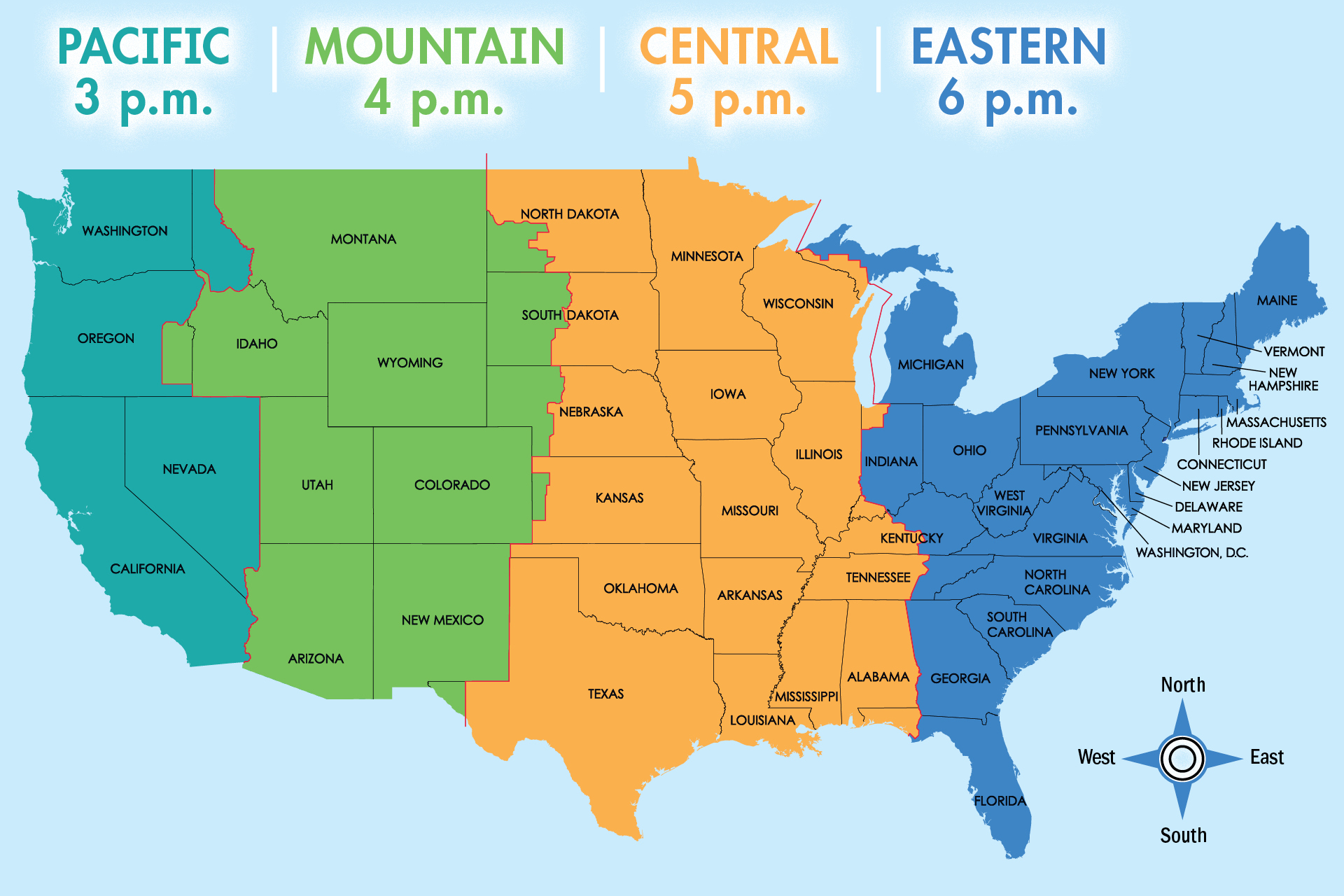
The sheer geographical size of the United States necessitates a system of multiple time zones, a concept fundamental to its daily operations and particularly crucial for travelers. Spanning from the Atlantic to the Pacific and beyond, the nation observes several standard time zones, each designed to ensure that the sun is roughly at its highest point around noon in most locations within that zone. This system is further complicated by the observance of Daylight Saving Time for much of the year, which shifts clocks forward by one hour to make better use of natural daylight.
A Continental Overview: Navigating the Time Differences
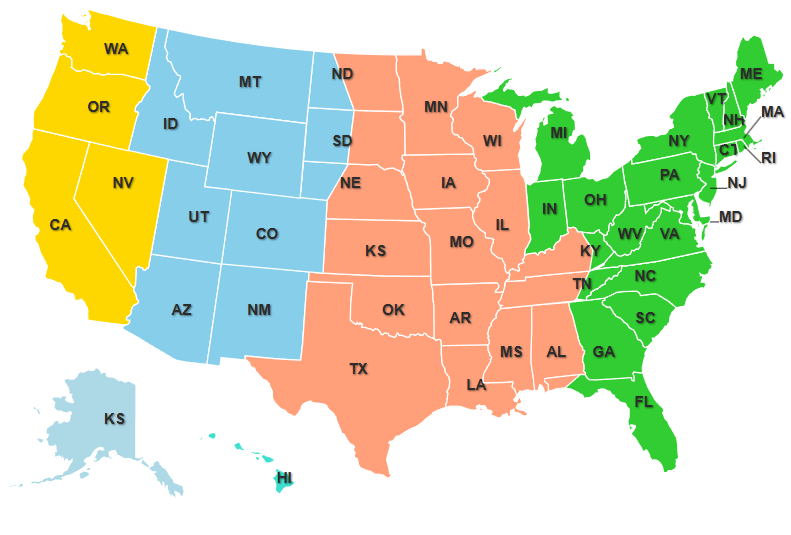
The continental United States is primarily divided into four contiguous time zones:
- Eastern Time (ET): Encompassing states along the East Coast, including major cities like New York City, Miami, and Washington D.C.. This is typically GMT-5 during standard time and GMT-4 during Daylight Saving Time (known as Eastern Daylight Time or EDT).
- Central Time (CT): Stretching through the central plains, covering cities such as Chicago, Dallas, and New Orleans. This is GMT-6 during standard time and GMT-5 during Daylight Saving Time (known as Central Daylight Time or CDT).
- Mountain Time (MT): Encompassing the Rocky Mountain states, with cities like Denver and Salt Lake City. This is GMT-7 during standard time and GMT-6 during Daylight Saving Time (known as Mountain Daylight Time or MDT).
- Pacific Time (PT): Covering the West Coast states, including California, Nevada, Oregon, and Washington, home to major hubs like Los Angeles, San Francisco, and Seattle. This is GMT-8 during standard time and GMT-7 during Daylight Saving Time (known as Pacific Daylight Time or PDT).
Beyond these, Alaska observes Alaska Time (GMT-9/-8) and Hawaii and parts of the Aleutian Islands use Hawaii-Aleutian Time (GMT-10), which does not observe Daylight Saving Time. Understanding these fundamental distinctions is the first step in planning any multi-state or cross-country itinerary within the United States.
The Significance for Travelers: Why Time Zones Matter Beyond the Clock
For travelers, time zones are far more than just a numerical adjustment; they are a critical logistical factor influencing every aspect of a trip.
- Flight and Transportation Schedules: Booking flights, especially connecting ones, requires careful attention to departure and arrival times in different zones. A 9 AM flight from New York City arriving at 12 PM in Los Angeles might seem like a quick trip, but factoring in the three-hour time difference means it’s actually a six-hour journey. Bus, train, and even long-distance road trip planning must account for these shifts to avoid missed connections or unexpected delays.
- Hotel Check-ins and Check-outs: Most hotels adhere strictly to local check-in and check-out times. Arriving at a hotel in California at 1 PM local time after a morning flight from the East Coast might mean waiting a few hours for a standard 3 PM check-in. Conversely, an early morning flight on departure day might necessitate a late check-out arrangement.
- Tour and Activity Bookings: Whether it’s a whale-watching tour off the coast of San Diego, a guided hike in Yosemite National Park, or a reservation at a popular restaurant, all are booked according to local time. Miscalculating this can lead to missed experiences and non-refundable deposits.
- Communication with Home: For international travelers or those keeping in touch with family and friends across time zones, knowing the current time in different locations is essential for scheduling calls, video chats, or sending timely messages without disrupting sleep.
- Jet Lag Management: The most significant impact of time zone changes for travelers is often jet lag. Understanding the extent of the time shift helps travelers mentally prepare and implement strategies to minimize its effects, ensuring they can fully enjoy their destination from day one.
California: The Golden State on Pacific Time
California, a land of cinematic dreams, breathtaking natural beauty, and innovative spirit, operates predominantly within the Pacific Time zone. This makes it a crucial reference point for anyone planning to visit or communicate with this iconic state. Knowing the current time in California is essential for anyone on the East Coast, for example, who needs to remember a three-hour difference – when it’s 6 PM in New York City, it’s only 3 PM in Los Angeles.
PST and PDT Explained: Decoding California’s Clock
California observes two distinct time standards throughout the year:
- Pacific Standard Time (PST): This is the base time for California and much of the West Coast during the colder months, typically from early November to mid-March. PST is eight hours behind Coordinated Universal Time (UTC-8).
- Pacific Daylight Time (PDT): From mid-March to early November, California switches to PDT, moving clocks forward by one hour. PDT is seven hours behind Coordinated Universal Time (UTC-7). This shift means an extra hour of daylight in the evenings, perfect for enjoying California’s outdoor attractions.
This annual change is a vital consideration for travelers. A booking made in November for a trip in April needs to account for the switch from PST to PDT, which could impact arrival times for flights or hotel reservations if not properly noted. All major cities in California, including bustling Los Angeles, vibrant San Francisco, sunny San Diego, and the capital Sacramento, follow this Pacific Time schedule.
Planning Your California Itinerary Around the Clock: Maximizing Every Moment
Understanding California’s time zone is crucial for crafting a seamless itinerary that maximizes your travel experience.
- Theme Parks and Attractions: Icons like Disneyland Park in Anaheim or Universal Studios Hollywood in Los Angeles often have early opening hours. Being aware of the local time means you can arrive before the crowds, making the most of your day. Similarly, knowing the closing times helps plan your last rides or shows.
- Sightseeing and Landmarks: Visiting the Golden Gate Bridge in San Francisco or the Hollywood Walk of Fame is often best enjoyed at specific times. Early mornings offer fewer crowds and softer light for photography, while sunsets over the Pacific Ocean are spectacular.
- Nature and Outdoor Activities: For adventures in Yosemite National Park, Death Valley National Park, or along the scenic Big Sur coast, timing is everything. Sunrise hikes or sunset drives require precise timekeeping. Wildlife viewing is often most active at dawn and dusk.
- Dining Reservations: California’s culinary scene is world-class, from Michelin-starred restaurants in Napa Valley to casual eateries in Santa Monica. Popular spots require reservations, often weeks in advance. Confirming the local time for your booking is essential to avoid disappointment.
- Shopping and Entertainment: Retail hours, showtimes for Broadway productions in San Francisco or concerts in Los Angeles, and nightlife all operate on local time. Coordinating these elements ensures you don’t miss out on desired experiences.
Travelers must always double-check all booking confirmations, flight itineraries, and tour schedules against the local California time, especially when traveling during the transition periods for Daylight Saving Time. Many modern devices automatically adjust, but relying solely on technology without a human check can lead to errors.
Navigating Time-Sensitive Travel: Tips and Tricks for a Smooth Trip
Traveling across time zones can be exhilarating, but it also presents challenges, primarily jet lag and the complexities of scheduling. With a few proactive strategies, travelers can navigate these time-sensitive aspects with ease, ensuring a more enjoyable and less stressful journey through America and California.
Beating Jet Lag: Adjusting to California Time
Jet lag, a temporary sleep disorder caused by rapid travel across multiple time zones, can significantly dampen the initial days of a trip. However, several strategies can help minimize its impact:
- Pre-Adjust Your Sleep Schedule: A few days before your trip, try to gradually shift your bedtime and wake-up time closer to California’s local time. If traveling west, try to stay up later; if traveling east, wake up earlier.
- Hydrate, Hydrate, Hydrate: Drink plenty of water before, during, and after your flight. Dehydration can exacerbate jet lag symptoms. Avoid excessive alcohol and caffeine, which can interfere with sleep patterns.
- Adjust to Local Time Immediately: Upon arrival, set your watch to California time and try to operate on that schedule immediately. Eat meals at local meal times, and try to sleep when locals sleep.
- Seek Sunlight Exposure: Sunlight is a powerful regulator of the body’s internal clock. Spend time outdoors in the morning in California to signal to your body that it’s daytime. Conversely, try to limit bright light exposure in the evenings if you need to sleep earlier.
- Strategic Napping: If you must nap, keep it short (20-30 minutes) and early in the afternoon to avoid interfering with nighttime sleep.
- Consider Melatonin: Some travelers find small doses of melatonin helpful in regulating sleep patterns and encouraging sleep at the appropriate local time. Consult a doctor before use.
- Choose Comfort: When booking long-haul flights, investing in a comfortable seat or upgrading to a class with better recline can make a big difference in getting some rest onboard, helping you arrive more refreshed. Hotels like the Ritz-Carlton, Laguna Niguel or Hotel del Coronado often provide luxurious amenities that can aid in relaxation and help travelers adjust.
Smart Scheduling for Seamless Stays: Leveraging Technology and Planning
Beyond personal adjustment, smart scheduling is key to a hassle-free trip.
- Utilize Time Zone Apps: Many smartphone apps can display multiple time zones simultaneously, making it easy to track local time in California alongside your home time zone.
- Confirm All Bookings: Before your trip, reconfirm all flight, hotel, tour, and dining reservations, paying close attention to the specified local times. A quick call or email can prevent a major headache.
- Buffer Travel Time: Always build in extra buffer time for travel between destinations, especially considering potential traffic in metropolitan areas like Los Angeles or San Francisco, and for navigating airports or public transport.
- Leverage Hotel Amenities: Many hotels, especially upscale resorts like The Beverly Hills Hotel or boutique properties like the Post Ranch Inn, offer 24-hour concierge services, wake-up calls, and flexible dining options that can be invaluable when adjusting to a new time zone or dealing with unusual schedules. They might also offer late check-out options, which can be a lifesaver for travelers with evening flights.
- Communicate Effectively: If you have business meetings or family check-ins, clearly communicate the time zone you are operating in to avoid confusion. For instance, stating “Call me at 2 PM Pacific Time” leaves no room for ambiguity.
- Online Check-in: Utilize online check-in for flights and some accommodations to save time upon arrival, allowing you to settle in faster, even if you arrive outside of typical hours.
California’s Diverse Experiences: Where Time Meets Adventure
California offers an unparalleled array of experiences, each uniquely influenced by the time of day, season, and how well you manage your schedule. From sun-drenched beaches to snow-capped mountains, bustling cityscapes to tranquil vineyards, the Golden State beckons with possibilities.
From Coastal Wonders to Desert Escapes: Timing Your Explorations
The geographical diversity of California means that timing your visit and daily activities is crucial for the best experience.
- Coastal Drives: A scenic drive along Highway 1 through Big Sur is best enjoyed during daylight hours to appreciate the dramatic cliffs and ocean views. Sunsets over the Pacific Ocean are legendary and worth timing for.
- Wine Country Adventures: In Napa Valley or Sonoma County, vineyard tours and tasting rooms often have specific operating hours. Booking ahead and allowing ample travel time between wineries is key to a relaxed day. Morning visits can be cooler and less crowded.
- Desert Explorations: Visiting places like Palm Springs or Death Valley National Park requires careful consideration of the time of year and day due to extreme temperatures. Early mornings and late afternoons are ideal for outdoor activities, especially in summer.
- Mountain Retreats: Skiing or hiking in areas like Lake Tahoe or Mammoth Lakes means adhering to specific lift operating hours for skiing or planning hikes to ensure you return before dark. Winter and summer seasons offer entirely different experiences.
- City Sightseeing: Exploring urban centers like San Francisco’s Alcatraz Island or Los Angeles’s Griffith Observatory has time-sensitive aspects, from ferry schedules to planetarium showtimes. Buying tickets in advance, especially for popular attractions, is always recommended.
Indulging in California’s Lifestyle: Time for Every Taste
California’s renowned lifestyle is deeply intertwined with how time is experienced and utilized.
- Culinary Scene: From farm-to-table dining to vibrant food truck scenes, California offers diverse gastronomic delights. Brunch culture, early bird specials, happy hours, and late-night dining all operate on local time, providing options for every schedule. Budget travelers can take advantage of lunch deals, while luxury travelers might prefer an exclusive evening tasting menu.
- Arts and Culture: Museums, galleries, theaters, and music venues across the state have specific operating hours and showtimes. Many museums offer free or discounted admission on certain days or evenings, which requires prior research and planning.
- Wellness and Relaxation: For those seeking a lifestyle of wellness, California’s spas, yoga studios, and wellness retreats in places like Malibu or Ojai operate on scheduled appointments. Booking well in advance ensures access to desired treatments and classes.
- Nightlife: Los Angeles and San Francisco boast thriving nightlife scenes, from clubs and bars to live music venues. These typically kick off later in the evening and continue into the early hours, offering a different temporal dimension to your trip.
Understanding the temporal rhythm of California – from its daily daylight cycle to its cultural observances – allows travelers to fully immerse themselves in the state’s vibrant lifestyle. Whether you’re planning a family trip to Disneyland Park, a romantic getaway to a Napa Valley vineyard, or a business stay in Silicon Valley, time awareness is your most valuable planning tool.
In conclusion, answering the question “What time is it in America, California right now?” is merely the starting point for a deeper exploration into the vital role of time in travel. From navigating the complexities of multi-state time zones to strategically planning daily activities and overcoming jet lag, mastering time awareness is indispensable for any traveler. By understanding California’s position on Pacific Time and utilizing smart scheduling techniques, visitors can unlock the full potential of their journey, ensuring that every moment spent in the Golden State is cherished and truly unforgettable. So, before you pack your bags, take a moment to sync your watch and your mind to California’s rhythm; it’s the first step toward a perfectly timed adventure.
LifeOutOfTheBox is a participant in the Amazon Services LLC Associates Program, an affiliate advertising program designed to provide a means for sites to earn advertising fees by advertising and linking to Amazon.com. Amazon, the Amazon logo, AmazonSupply, and the AmazonSupply logo are trademarks of Amazon.com, Inc. or its affiliates. As an Amazon Associate we earn affiliate commissions from qualifying purchases.