
When planning a trip to the Southwestern United States, particularly to the captivating landscapes of Arizona, one question frequently arises among travelers and often sparks a degree of confusion: “Is Arizona on MST?” The simple answer, while seemingly straightforward, carries a unique nuance that profoundly impacts travel itineraries, business dealings, and daily life across the Grand Canyon State. For the most part, yes, Arizona primarily observes Mountain Standard Time (MST) year-round. However, what truly sets Arizona apart from many other states is its steadfast decision to largely forego Daylight Saving Time (DST). This seemingly minor detail creates a fascinating dynamic, particularly for those venturing into the state’s diverse regions or crossing its borders.
This distinctive approach to timekeeping has deep roots, stemming from practical considerations regarding energy consumption and the intense summer heat that characterizes much of the state. While most of the United States “springs forward” an hour in March and “falls back” in November, Arizona remains a steadfast beacon of consistency, adhering to MST (UTC-7) regardless of the season. This article aims to unravel the complexities of Arizona’s time zone, offering clarity for visitors and residents alike, ensuring a smooth and well-planned exploration of this magnificent destination. From booking accommodations in Phoenix to planning an excursion to Monument Valley, understanding this singular aspect of Arizona is crucial for a truly seamless experience.
Understanding Arizona’s Unique Time Zone Status
The state of Arizona stands out on the time zone map of the United States due to its distinctive approach to Daylight Saving Time. This decision, rooted in history and influenced by geographical factors, shapes everything from daily commutes to long-term travel planning.
A Deep Dive into Mountain Standard Time (MST)
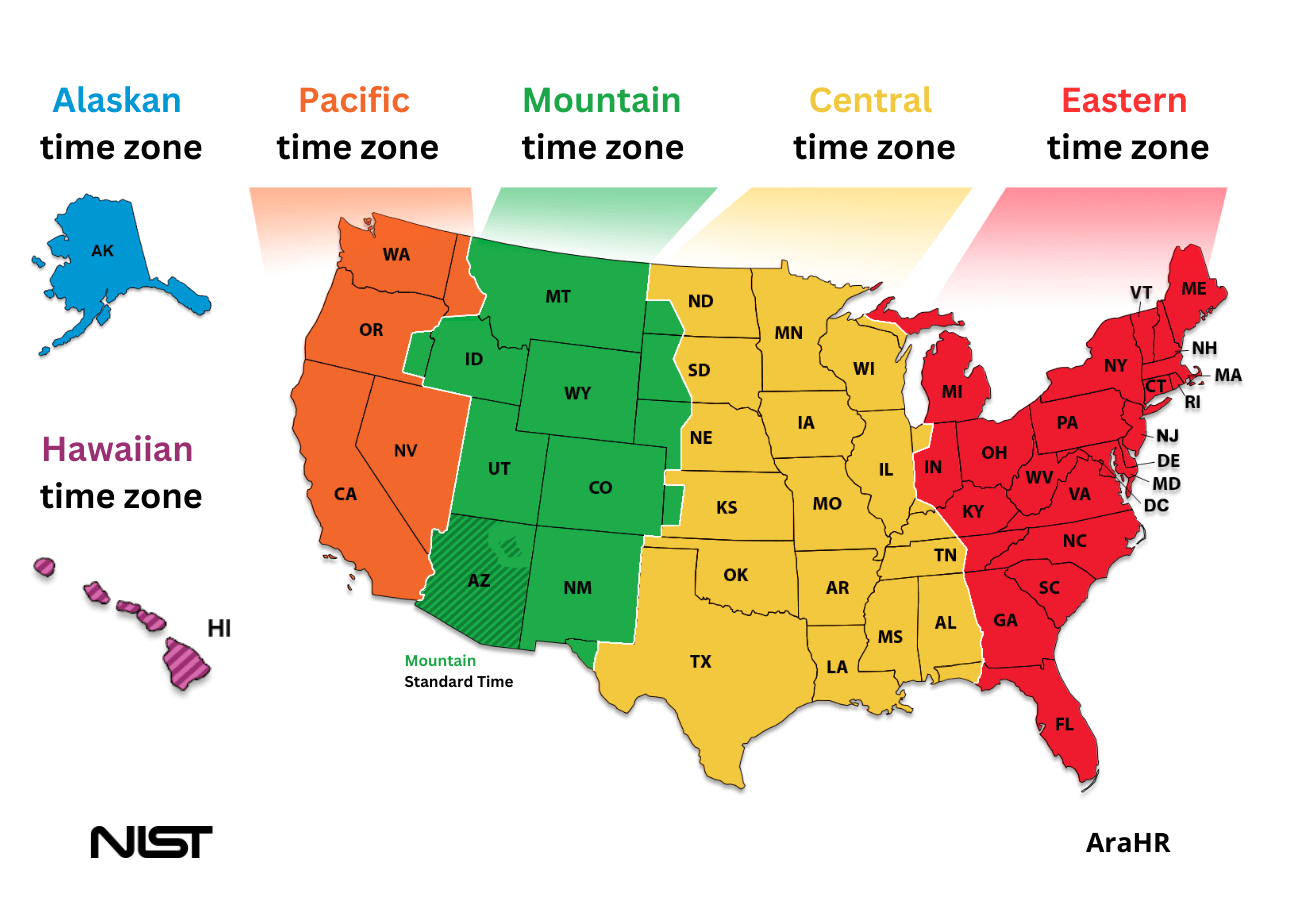
Mountain Standard Time (MST) is a time zone observed in the western parts of North America. It is seven hours behind Coordinated Universal Time (UTC-7). When many states transition to Mountain Daylight Time (MDT) by advancing their clocks by one hour (to UTC-6) in the spring, Arizona largely does not. This means that for approximately half the year, from early March to early November, Arizona’s time aligns with Pacific Daylight Time (PDT) observed in states like California and Nevada. During the other half of the year, it remains one hour ahead of Pacific Standard Time (PST) and one hour behind its Mountain Daylight Time-observing neighbors like Utah and Colorado.
The decision to opt out of Daylight Saving Time dates back to the late 1960s. The primary rationale was the state’s extreme summer heat. Lengthening daylight hours into the evening, as DST does, would mean more sunlight and thus more heat later into the day. This would translate to increased energy consumption for air conditioning, a significant concern in a state where temperatures often soar well above 100°F (38°C). By maintaining MST year-round, Arizona effectively shifts more daylight into the cooler morning hours, allowing residents and businesses to start their days earlier and ideally reduce evening energy demands. This historical and practical choice underpins the state’s unique time zone status, making it a crucial consideration for anyone planning a visit or an extended stay.
The Peculiar Case of the Navajo Nation
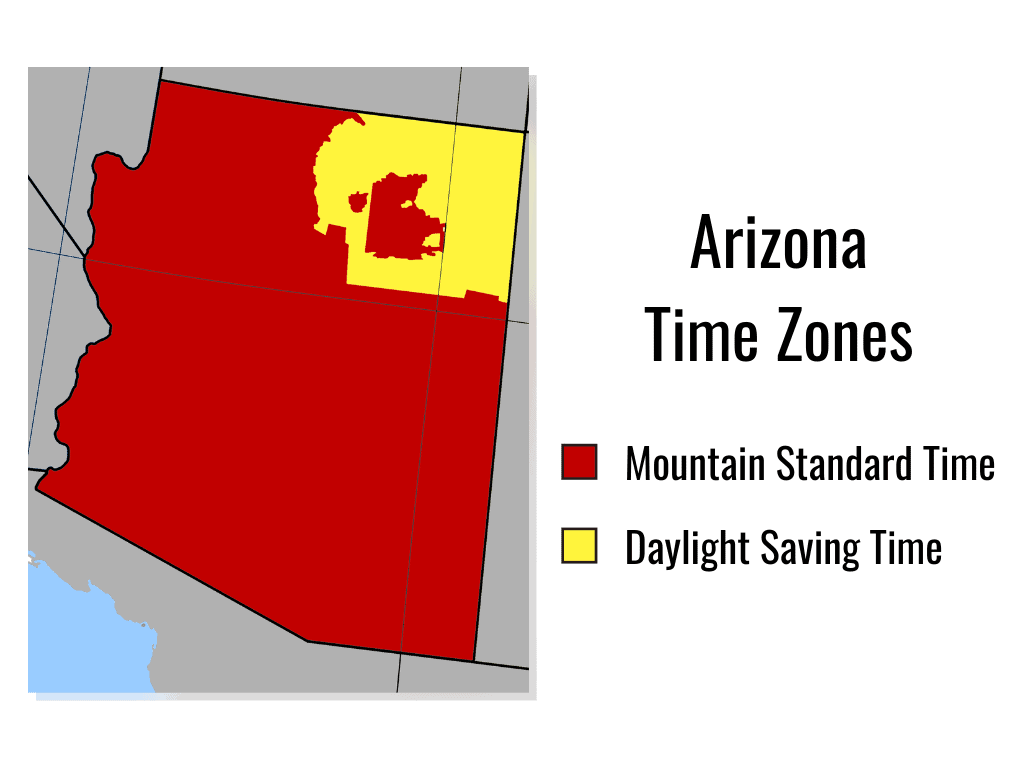
While the vast majority of Arizona adheres to year-round MST, there is one significant exception: the Navajo Nation. This sovereign tribal land, which extends into Utah and New Mexico as well as Arizona, does observe Daylight Saving Time. This creates an intriguing and sometimes confusing time shift within the state’s borders. For instance, if you are driving from a town like Flagstaff (which observes MST year-round) into the Navajo Nation, such as to visit Monument Valley or Antelope Canyon, you would need to adjust your clock forward by one hour during DST periods.
The Navajo Nation’s decision to observe DST is primarily driven by the need for consistency across its vast land base. Since parts of the reservation are in states that do observe DST (Utah and New Mexico), maintaining a single time zone for the entire tribal government and its operations simplifies administration and communication. This means that for a few months each year, there’s a unique internal time border within Arizona. Travelers planning visits to attractions like Antelope Canyon, Canyon de Chelly National Monument, or Monument Valley, which are located within the Navajo Nation, must be particularly vigilant about time differences to avoid missing tours or appointments. It’s always advisable to confirm the local time with tour operators or accommodation providers within the Navajo Nation during the DST period to ensure a seamless experience.

Navigating Time Across Arizona’s Diverse Landscapes
The unique time zone situation in Arizona carries significant practical implications for anyone interacting with the state, whether as a transient tourist or a long-term resident. Understanding these nuances is key to a hassle-free experience amidst its breathtaking natural beauty and vibrant urban centers.
Practical Implications for Travelers and Tourists
For travelers, the time zone quirk of Arizona presents both a challenge and an opportunity. When booking flights to major hubs like Phoenix Sky Harbor International Airport or Tucson International Airport, it’s imperative to confirm arrival and departure times, especially during the Daylight Saving Time period. A flight scheduled for 3:00 PM from Los Angeles (on PDT) to Phoenix (on year-round MST) will indeed arrive at 3:00 PM local Phoenix time. However, if that same flight were to arrive in Denver (on MDT) at 3:00 PM local time, it would have departed Los Angeles at 2:00 PM PDT and arrived at 3:00 PM MDT. This subtle difference can be disorienting if not anticipated.
Similarly, planning itineraries for exploring Arizona’s world-renowned attractions demands careful attention to time. Visiting the majestic Grand Canyon National Park, hiking amidst the red rocks of Sedona, or discovering the unique flora of Saguaro National Park all require precise timing for guided tours, park entrance hours, and sunset viewing opportunities. During the summer months, when most of its neighbors observe DST, Arizona effectively remains “an hour behind” its Mountain Time zone counterparts, which can translate to an extra hour of daylight in the evening for outdoor activities, a distinct advantage for visitors.
Dining reservations, show times, and specific activity bookings in cities like Scottsdale, Tucson, and Mesa should always be confirmed against local Arizona time. Cross-state travel considerations also come into play. A trip from Las Vegas, Nevada (PDT in summer) to the Hoover Dam or Kingman, Arizona (year-round MST), will see no time change. However, driving from Salt Lake City, Utah (MDT in summer) to Page, Arizona (year-round MST) means you effectively “gain” an hour upon crossing the state line. These subtle shifts, if unaccounted for, can lead to missed connections, late arrivals, or simply unnecessary stress, impacting the overall travel experience.
Local Life and Business Operations
For residents and businesses in Arizona, the consistent observance of MST year-round is largely a point of pride and practicality. Daily routines are stable, free from the biannual clock adjustments that many across the United States contend with. This means no “lost hour” of sleep in spring and no early dusk in autumn. However, the time difference becomes a notable factor when interacting with other states.
Businesses in Phoenix or Tempe conducting calls with counterparts in New York City (Eastern Time) or Los Angeles (Pacific Time) must constantly be aware of the varying shifts throughout the year. During DST, Arizona is three hours behind Eastern Daylight Time (EDT) and zero hours behind Pacific Daylight Time (PDT). When DST ends, Arizona reverts to being two hours behind Eastern Standard Time (EST) and one hour ahead of Pacific Standard Time (PST). This requires clear communication when scheduling meetings, deliveries, or remote work sessions. Supply chains, logistics, and national customer service operations all have to factor Arizona’s unique clock into their planning to ensure smooth operations. Despite these coordination efforts, many Arizonans appreciate the consistency and the rationale behind their state’s time zone choice, valuing the extra evening daylight during the cooler parts of the year and the energy savings during the peak summer heat.
Tips for a Seamless Arizona Experience
Understanding Arizona’s unique time zone situation is the first step towards a smooth and enjoyable visit. With a few simple strategies, you can effortlessly navigate the clock changes and fully immerse yourself in the wonders of the Grand Canyon State.
Essential Planning and Preparation
The golden rule for anyone traveling to or within Arizona is to always confirm local time, especially when dealing with specific appointments or attractions.
- Reliable Time Sources: Your smartphone, connected to cellular networks, is generally a reliable source as it updates automatically to the local time zone. However, if venturing into remote areas with spotty service, ensure your phone’s time settings are configured for automatic updates or manually set to MST. Official websites for hotels, tour operators, and national parks will always list times according to their local observance.
- Communicate Clearly: When booking accommodations, tours, or making reservations, explicitly ask about the time zone. For instance, if you’re booking a tour for Antelope Canyon which is on Navajo Nation land, during Daylight Saving Time, confirm if the listed time is MST (what most of Arizona observes) or MDT (what the Navajo Nation observes). This small step can prevent significant frustration.
- Border Considerations: Be mindful of Arizona’s borders with states like California, Nevada, Utah, New Mexico, and Colorado. Each of these states (with some exceptions for tribal lands) observes Daylight Saving Time. This means that during the DST period, crossing into or out of Arizona from these states will involve a one-hour time change.
Maximizing Your Stay: Travel and Lifestyle Considerations
Arizona’s consistent time zone, especially during the summer, offers unique advantages for various travel styles and lifestyle preferences:
- Adjusting for Jet Lag: If arriving from a distant time zone, particularly from the East Coast, the lack of DST means your body will experience a slightly different adjustment period compared to destinations that do “spring forward.” Factor this into your first day’s activities, especially if staying at a luxury resort in Scottsdale or Sedona and aiming to enjoy all its amenities.
- Family Travel: Sticking to routines is often paramount for family trips. The stability of Arizona’s time, without the biannual clock change, can simplify managing children’s sleep schedules, particularly when visiting family-friendly attractions like the Phoenix Zoo or LEGOLAND Discovery Center Arizona.
- Optimizing Daylight Hours: During the summer, when its neighbors observe Daylight Saving Time, Arizona remains on MST. This effectively means the sun sets “later” by comparison to those states, providing an extra hour of daylight in the evenings for outdoor activities. This is particularly beneficial for enjoying the vibrant sunsets over the Grand Canyon, evening hikes in Tucson, or stargazing at locations like Lake Powell and the Petrified Forest National Park. Early morning activities also benefit from earlier sunrises, allowing for cooler temperatures for hiking or golfing. This unique aspect enhances the appeal of Arizona for travelers seeking to maximize their time outdoors.
- Business Stays: For business travelers, the consistency of MST in Arizona simplifies internal scheduling. However, when coordinating with teams or clients outside the state, always clarify the specific time (e.g., “10 AM Arizona time”) to avoid miscommunication and ensure prompt attendance for important virtual meetings or conferences.
In conclusion, while the question “Is Arizona on MST?” might seem straightforward, its answer reveals a fascinating aspect of the state’s identity and practicality. Arizona’s year-round adherence to Mountain Standard Time, with the notable exception of the Navajo Nation, is a unique characteristic that shapes travel, tourism, and daily life. By understanding and accounting for these distinctions, visitors can ensure their journeys are smooth, well-timed, and filled with unforgettable experiences, allowing them to fully appreciate the splendor of this remarkable American state.
LifeOutOfTheBox is a participant in the Amazon Services LLC Associates Program, an affiliate advertising program designed to provide a means for sites to earn advertising fees by advertising and linking to Amazon.com. Amazon, the Amazon logo, AmazonSupply, and the AmazonSupply logo are trademarks of Amazon.com, Inc. or its affiliates. As an Amazon Associate we earn affiliate commissions from qualifying purchases.