
For travelers planning an extended road trip or a long-term relocation to the Southern United States, understanding the financial logistics of vehicle ownership is essential. When comparing costs between the Lone Star State of Texas and the Bayou State of Louisiana, auto insurance premiums often become a significant point of discussion. Budget-conscious travelers and digital nomads must weigh these recurring costs as carefully as they would their Hotel bookings or fuel expenses.
The Comparative Landscape of Regional Insurance Rates
To understand why insurance costs vary so drastically between these two neighboring states, one must look at the regulatory environments and regional risk profiles. Insurance companies base their premiums on actuarial data, which includes local traffic density, crime rates, and the frequency of natural disasters.
Understanding the Louisiana Insurance Market
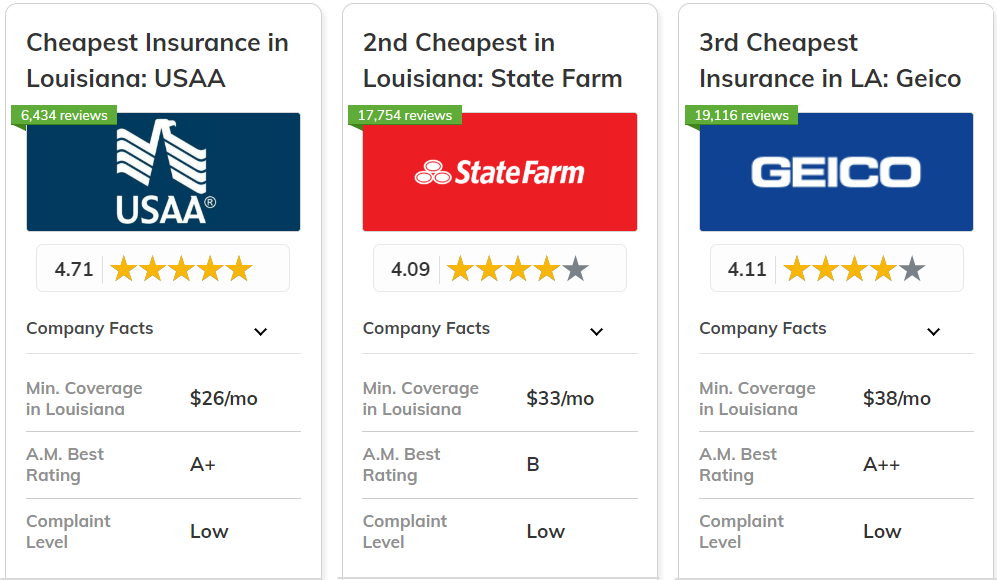
Louisiana frequently ranks among the most expensive states for auto insurance in the country. This is largely attributed to a unique legal environment and a high frequency of litigation. Furthermore, the state’s vulnerability to severe weather—specifically hurricanes and intense flooding—drives up comprehensive coverage costs. If you are planning a visit to New Orleans or Baton Rouge for an extended stay, it is wise to factor these higher premiums into your transportation budget.
The Texas Cost Framework
Texas offers a more complex picture due to its immense geographical size and diverse metropolitan hubs. While rates in urban centers like Dallas, Houston, and Austin can be high due to heavy traffic congestion, the average state-wide premium often sits lower than in its eastern neighbor. The state’s vast rural areas, such as the Hill Country, tend to have lower accident rates, which helps pull the state-wide average down for many residents.
Factors Influencing Your Travel Budget
Whether you are navigating the historic streets of San Antonio or driving through the scenic bayous near Lafayette, several variables will dictate the final price of your insurance policy. If you are budgeting for a multi-month journey, these factors are critical to your financial planning.
Climate Risk and Comprehensive Coverage
Both Texas and Louisiana face significant weather-related risks. However, the Gulf Coast region in Louisiana experiences high-impact storms more frequently, leading to higher comprehensive insurance rates. Travelers carrying expensive vehicles or those utilizing premium rental agreements should verify that their coverage accounts for flood and storm damage.
Urban vs. Rural Living
Insurance companies look closely at where you park your car at night. Living in a high-density environment like Downtown Dallas usually results in higher premiums than residing in a quieter, less congested area. If you are staying at an Airbnb or an extended-stay Resort in a rural Texas town, your insurance footprint will likely be significantly smaller than if you were parked in the heart of French Quarter.

Regulatory Differences and Legal Climate
The legal system plays an unspoken role in the cost of your insurance. Louisiana has historically dealt with higher jury awards and more frequent insurance-related lawsuits, which forces insurers to raise premiums to offset their financial exposure. In contrast, Texas has implemented various tort reforms over the years intended to curb excessive litigation, which helps keep competitive pressure on insurance carriers.
Tips for Managing Transportation Costs During Your Travels
If your travel plans involve staying in the South for an extended period, you should employ strategies to keep your vehicle-related expenses under control.
Strategic Location Selection
Choosing where you base yourself can dictate your monthly overhead. If you are flexible with your travel itinerary, consider basing your vehicle registration or long-term parking in areas with lower insurance risk factors. For instance, Galveston may have different risk profiles compared to Fort Worth. Always research the insurance landscape of your destination city before committing to a long-term lease or residency.
Leveraging Multi-Policy Discounts
Many travelers find value in bundling their vehicle insurance with other needs. If you are staying at a serviced Apartment or working with a specific Travel Agency, ask if they have partnerships with insurers that offer “stay-at-home” or “transient driver” discounts. While this is more common for permanent residents, some insurers are becoming more accommodating toward individuals spending significant time in different states.
Prioritizing Safety and Security
Regardless of whether you are in Shreveport or El Paso, how you store your vehicle impacts your rates. Parking in a secure, covered garage—which is often an amenity at high-end Hotel properties—can lead to lower premiums. Furthermore, maintaining a clean driving record remains the most powerful tool for keeping your insurance costs low in either state.

Final Thoughts on Regional Affordability
Comparing Texas and Louisiana is not as simple as declaring one “cheaper” for everyone. Your specific profile, the age of your vehicle, your driving history, and the exact city you plan to occupy will influence the final cost.
Generally speaking, Texas tends to be the more cost-effective option for many drivers due to its broader competitive market and distinct regulatory environment. However, Louisiana offers a unique cultural and historical experience—from the music of New Orleans to the culinary traditions of Lake Charles—that many travelers find well worth the premium in insurance costs.
For the prudent traveler, the best approach is to obtain quotes for both states based on your specific travel dates and residential address. By viewing insurance as a fixed travel expense rather than a static cost, you can make informed decisions that allow you to focus more on enjoying the vibrant cultures of these two iconic states. Whether you are driving through the high plains of West Texas or the swampy beauty of the Atchafalaya Basin, being prepared financially will ensure your adventure remains stress-free and enjoyable.
LifeOutOfTheBox is a participant in the Amazon Services LLC Associates Program, an affiliate advertising program designed to provide a means for sites to earn advertising fees by advertising and linking to Amazon.com. Amazon, the Amazon logo, AmazonSupply, and the AmazonSupply logo are trademarks of Amazon.com, Inc. or its affiliates. As an Amazon Associate we earn affiliate commissions from qualifying purchases.