
Boston, a city steeped in history and brimming with cultural vibrancy, presents a compelling question for any traveler: is it truly a walkable city? For those who prefer to explore at their own pace, to stumble upon hidden gems, and to soak in the atmosphere of a destination, the answer is a resounding yes. Boston’s compact nature, coupled with its well-defined neighborhoods and an abundance of pedestrian-friendly streets, makes it an ideal urban landscape for exploration on foot. From the cobblestone alleys of the North End to the tree-lined avenues of Beacon Hill, and along the picturesque waterfront, discovering Boston on foot offers an intimate and rewarding experience.
Navigating Boston’s Pedestrian-Friendly Landscape
Boston’s historical development has, perhaps serendipitously, laid the groundwork for an exceptionally walkable urban core. Unlike many American cities planned with the automobile in mind, Boston’s streets often follow the winding paths of old cow trails and colonial footpaths. This organic growth has resulted in a charmingly irregular street grid that, while sometimes disorienting for drivers, is a boon for pedestrians. The city’s density further enhances its walkability, meaning that key attractions, diverse dining options, and unique shops are often just a few blocks apart.
The Historic Core: A Pedestrian’s Paradise
At the heart of Boston’s walkability lies its historic core. The area encompassing Beacon Hill, the North End, Downtown Crossing, and the Financial District is remarkably accessible by foot. Here, centuries of history unfold with every step. The Freedom Trail, a 2.5-mile red-lined path, serves as a perfect conduit for exploring many of these significant landmarks, guiding walkers past iconic sites like the Massachusetts State House, Faneuil Hall Marketplace, and the Old North Church. This marked route not only provides historical context but also ensures that visitors can easily navigate between major points of interest without the need for public transport or a car.
Beyond the Freedom Trail: Uncovering Neighborhood Charms
While the Freedom Trail offers a fantastic introduction, the true magic of walking in Boston lies in venturing off its beaten path.
- Beacon Hill: This affluent neighborhood is a visual delight, characterized by its gas-lit streets, elegant Federal-style row houses, and charming boutiques. Walking through its narrow lanes, particularly on streets like Acorn Street, feels like stepping back in time. The steep inclines are a small price to pay for the breathtaking architecture and serene atmosphere.
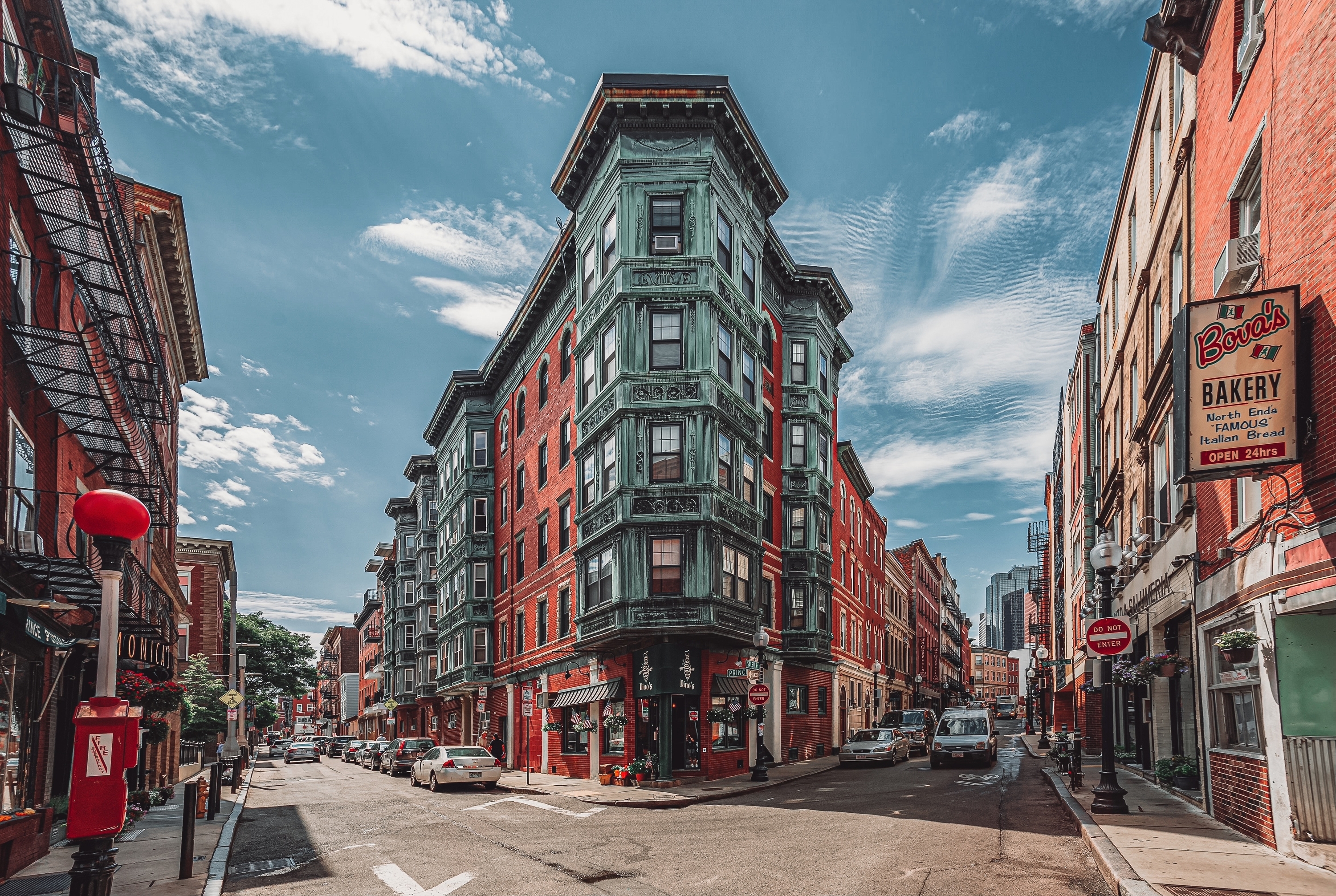
- The North End: Boston’s oldest residential neighborhood is a labyrinth of narrow streets, brimming with Italian heritage. It’s a place where the aroma of freshly baked bread and rich espresso wafts through the air. Exploring the North End on foot allows for spontaneous discoveries of trattorias, artisanal shops, and historic sites like the Paul Revere House. The density of businesses and residences makes it easy to pop into a bakery for a cannoli or browse a specialty food store.
- Back Bay: Known for its Victorian brownstones, upscale shopping along Newbury Street, and proximity to the Boston Public Garden and Boston Common, Back Bay is another highly walkable district. Wide sidewalks and an elegant streetscape make strolling here a pleasure. The Commonwealth Avenue Mall, a Parisian-style boulevard, provides a beautiful green corridor for walkers.
- South End: This vibrant neighborhood is renowned for its Victorian architecture, thriving arts scene, and diverse culinary landscape. Its grid-like streets are lined with trendy restaurants, art galleries, and boutiques, making it perfect for a leisurely afternoon wander. The numerous parks and squares offer pleasant resting spots.
Infrastructure and Amenities Supporting Walkability
Boston’s commitment to a pedestrian-friendly environment extends beyond its historical layout. The city has invested in infrastructure and amenities that enhance the walking experience, making it safer and more enjoyable.
Pedestrian-Friendly Infrastructure
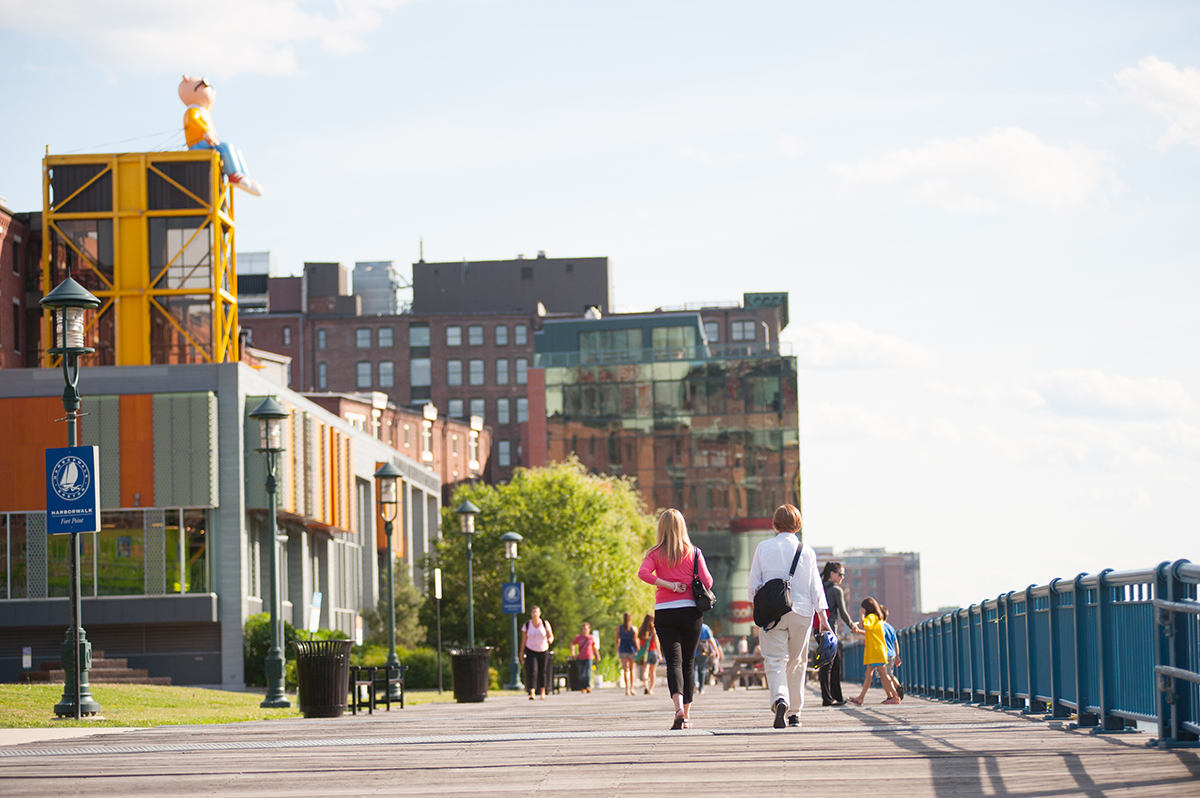
- Sidewalks and Crosswalks: The vast majority of streets in central Boston are equipped with well-maintained sidewalks. Numerous crosswalks, often marked with highly visible signals, facilitate safe passage across busy intersections. While some streets can be challenging with their irregular shapes and frequent intersections, the city has made efforts to improve pedestrian signal timing and visibility.
- Public Transportation Integration: Boston’s subway system, the MBTA (Massachusetts Bay Transportation Authority), commonly known as the “T,” serves as a complementary mode of transport. Many subway stations are strategically located within walking distance of major attractions and neighborhoods, allowing visitors to combine walking with quick subway rides to cover longer distances or to rest tired feet. This integrated approach significantly boosts the overall walkability of the metropolitan area.
- Green Spaces: Parks and green spaces are integral to Boston’s walkability. The Emerald Necklace, a chain of parks designed by Frederick Law Olmsted, offers miles of walking paths and a refreshing escape from the urban bustle. The Boston Public Garden, with its iconic Swan Boats and vibrant flower beds, and Boston Common, the oldest public park in the United States, are central oases that are best explored on foot. These green lungs provide tranquil routes and natural beauty, encouraging extended exploration.
Amenities for the Urban Walker
- Seating and Resting Spots: Throughout the city, particularly in public squares and along popular walking routes, benches and seating areas are available, offering opportunities for rest and people-watching.
- Wayfinding and Signage: While navigating can sometimes be a challenge due to the city’s unique layout, clear signage and directional information are present at key intersections and along popular pedestrian routes, aiding in orientation.
- Public Restrooms: Access to public restrooms can be a concern for any walker. While not as ubiquitous as in some European cities, key locations like Faneuil Hall Marketplace, Boston Common, and Boston Public Garden offer facilities. Many cafes and shops also welcome patrons to use their restrooms.
- Diverse Dining and Shopping: The sheer density of restaurants, cafes, and shops within walkable districts means that refreshments and retail therapy are never far away. Whether you’re craving a quick coffee, a hearty lunch, or a souvenir, options abound within a short stroll.
Challenges and Considerations for Walkers
Despite its numerous strengths, walking in Boston does present a few challenges that visitors should be aware of. Understanding these nuances will help in planning a more enjoyable and efficient walking experience.
Navigating the Urban Terrain
- Hilly Landscapes: While not as mountainous as some cities, certain areas, particularly Beacon Hill, feature steep inclines that can be demanding for some walkers. Comfortable footwear is essential.
- Traffic and Intersections: Boston is a busy city with a significant amount of traffic, especially during peak hours. While crosswalks are plentiful, pedestrians should always exercise caution and be aware of their surroundings when crossing streets. Some intersections can be complex due to the city’s irregular grid.
- Weather Variability: Boston experiences distinct seasons. Summers can be hot and humid, while winters can be cold and snowy, with ice a common hazard. Spring and fall generally offer the most pleasant weather for walking. Packing appropriately for the season is crucial for comfort and safety.
- Cobblestone Streets: Many of Boston’s historic districts feature cobblestone streets, which can be uneven and challenging for those with mobility issues or those wearing inappropriate footwear. While charming, they require careful footing.
Practical Tips for Exploring on Foot
- Wear Comfortable Shoes: This cannot be overstated. Boston is a city best explored with a comfortable pair of walking shoes.
- Utilize Navigation Apps: GPS-enabled navigation apps are invaluable for getting around Boston’s often winding streets. They can help you find the most direct routes and discover hidden pathways.
- Plan Your Routes: While spontaneous exploration is part of the joy, having a general idea of the areas you wish to explore can help maximize your time and minimize unnecessary backtracking.
- Stay Hydrated: Especially during warmer months, carry a water bottle. Many places offer free water refills, or you can purchase drinks from numerous vendors.
- Embrace Public Transport: Don’t hesitate to use the MBTA to cover longer distances or when your energy levels are low. The subway system is efficient and connects many of the city’s key neighborhoods.
- Be Aware of Your Surroundings: As in any major city, it’s important to be mindful of your personal belongings and to be aware of your environment, especially in crowded areas.
Conclusion: Boston’s Enduring Appeal for Pedestrians
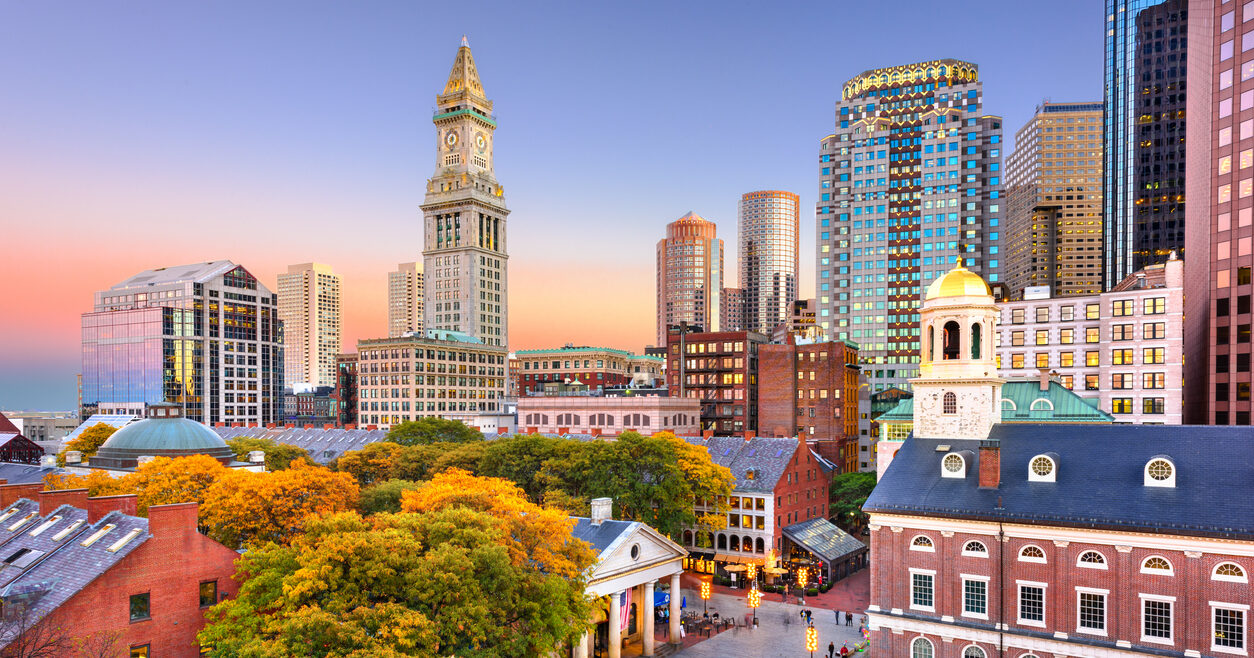
In conclusion, Boston stands out as a remarkably walkable city, offering a rich tapestry of historical significance, cultural diversity, and urban charm that can best be appreciated on foot. Its compact layout, coupled with a deliberate focus on pedestrian infrastructure and the integration of green spaces, makes it an inviting destination for those who prefer to explore at a leisurely pace. While challenges such as varied terrain and weather conditions exist, they are easily mitigated with proper planning and preparation. The rewards of walking in Boston are immense: the chance to discover intimate historical details, to savor authentic neighborhood flavors, and to truly connect with the spirit of this iconic American city. For the traveler who values immersion and discovery, Boston’s streets beckon, promising an unforgettable journey one step at a time.
LifeOutOfTheBox is a participant in the Amazon Services LLC Associates Program, an affiliate advertising program designed to provide a means for sites to earn advertising fees by advertising and linking to Amazon.com. Amazon, the Amazon logo, AmazonSupply, and the AmazonSupply logo are trademarks of Amazon.com, Inc. or its affiliates. As an Amazon Associate we earn affiliate commissions from qualifying purchases.