
Texas Holdem poker, often simply referred to as “Hold’em,” is arguably the most popular and widely played variant of poker across the globe. Its accessibility, strategic depth, and thrilling gameplay have cemented its status as a cultural phenomenon, influencing everything from high-stakes professional tournaments to casual friendly games in living rooms. But beyond its prevalence, what truly defines Texas Holdem poker? This exploration delves into its core mechanics, strategic nuances, and the unique allure that makes it such a captivating game, positioning it as a significant cultural element within the broader landscape of leisure and entertainment.
The Fundamental Mechanics of Texas Holdem
At its heart, Texas Holdem is a community card poker game. The objective is for each player to form the best possible five-card poker hand by combining their own two private “hole” cards with five community cards dealt face-up on the table. The game is played with a standard 52-card deck.
The Deal and Betting Rounds
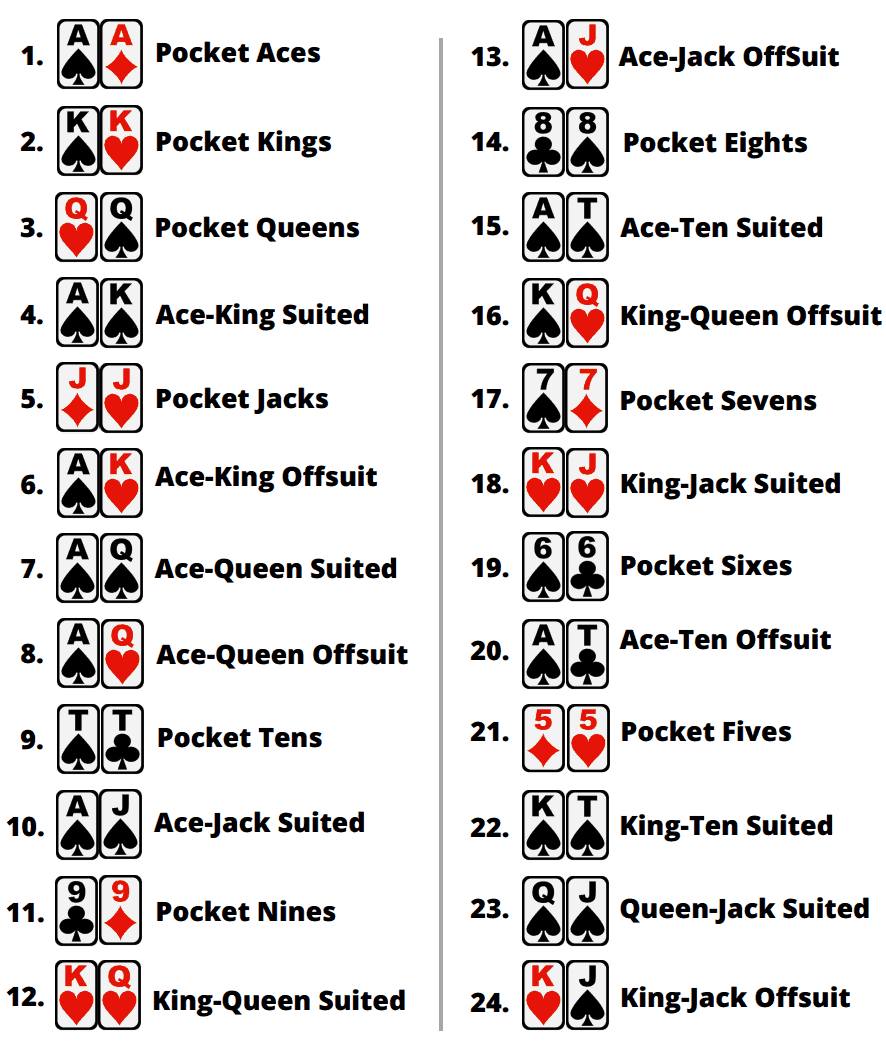
The game begins with each player receiving two cards face down, known as hole cards. These are private and only the player holding them knows their identity. Following the distribution of hole cards, the first betting round, or “pre-flop” betting, commences. This round typically starts with the player to the left of the big blind (a forced bet made by one player to start the action). Players have the option to “call” (match the previous bet), “raise” (increase the bet), or “fold” (discard their hand and forfeit any chance of winning the current pot).
After the pre-flop betting concludes, the dealer burns one card (discards the top card of the deck face down) and then deals the “flop” – three community cards face up in the center of the table. These cards are shared by all players and can be used by anyone to form their best hand. A second round of betting ensues, again starting with the player to the left of the dealer button.
Following the second betting round, the dealer burns another card and deals the “turn” card, the fourth community card. This is followed by a third betting round. Finally, the dealer burns a final card and deals the “river” card, the fifth and final community card. This brings the total number of community cards to five.
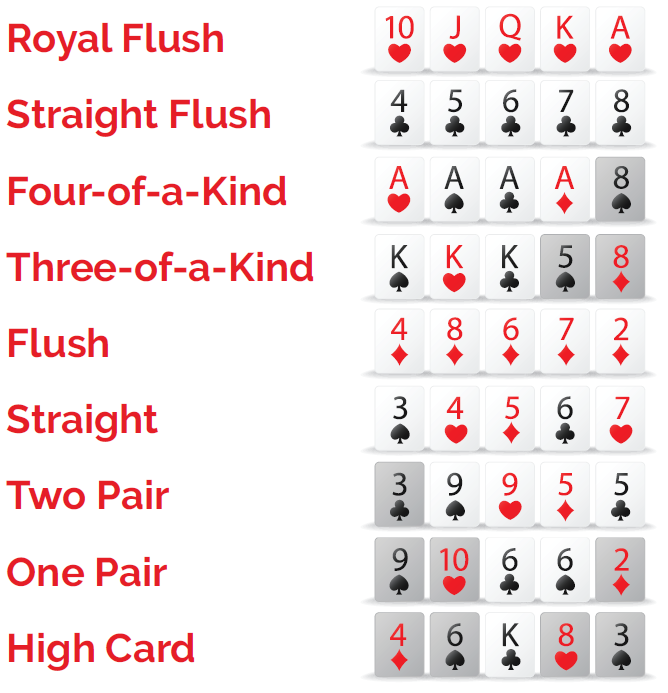
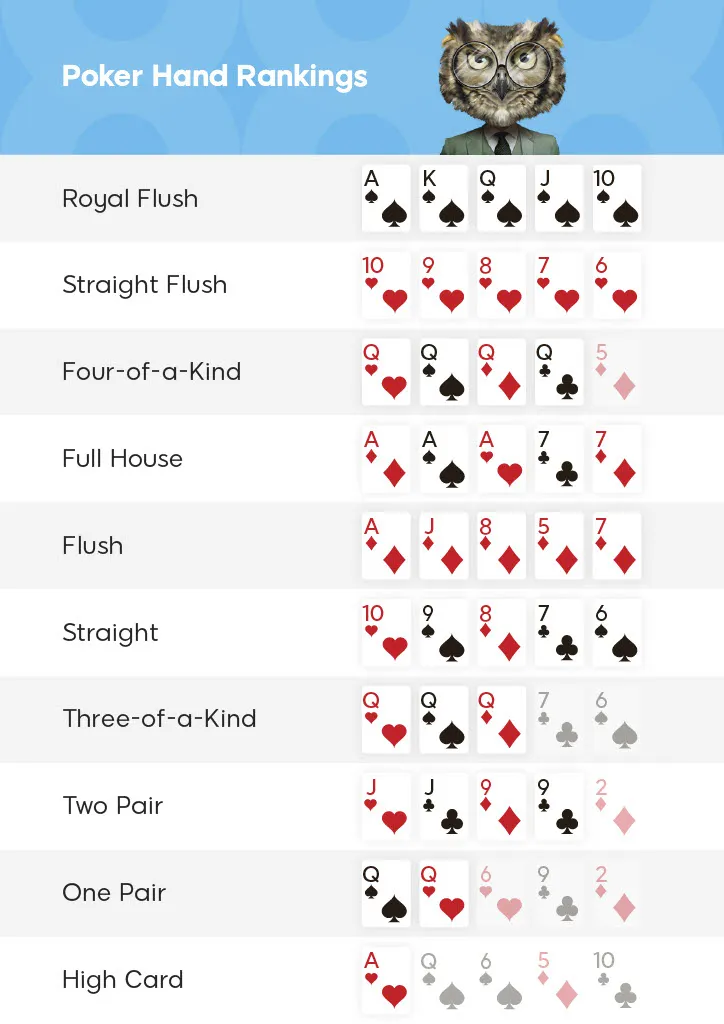
The last betting round, the “river” betting, takes place. If more than one player remains in the hand after the final betting round, a “showdown” occurs. Players reveal their hole cards, and the player with the best five-card poker hand, using any combination of their two hole cards and the five community cards, wins the pot. The ranking of poker hands is standard, with a Royal Flush being the highest and a High Card being the lowest.
Key Terminology and Roles
Understanding the basic terminology is crucial for grasping the flow of a Texas Holdem game.
Blinds and Button
- Blinds: These are mandatory bets placed by the two players to the left of the dealer button before any cards are dealt. The player immediately to the left of the button posts the “small blind,” and the player to their left posts the “big blind,” which is typically twice the amount of the small blind. Blinds ensure there is always money in the pot to play for, encouraging action.
- Dealer Button: This marker indicates the nominal dealer for the current hand. The button rotates clockwise one position after each hand. Its significance lies in determining the order of betting. Players acting “in position” (closer to the button) have an advantage as they see how others act before making their own decisions.
Actions
- Check: If no bet has been made before a player, they can “check,” meaning they pass the action to the next player without betting. This is only possible if no prior bet has been placed in the current betting round.
- Bet: To place the first wager in a betting round.
- Call: To match the amount of the current bet or raise.
- Raise: To increase the current bet. A raise must be at least double the previous bet or raise in most game variations.
- Fold: To discard one’s hand and forfeit any claim to the pot.
The Strategic Depth of Texas Holdem
While the rules of Texas Holdem are relatively simple to learn, mastering its strategic nuances is a lifelong pursuit. The game is a fascinating blend of probability, psychology, and calculated risk-taking.
Understanding Pot Odds and Equity
A fundamental aspect of profitable Texas Holdem play involves understanding pot odds and equity. Pot odds refer to the ratio of the current size of the pot to the cost of a contemplated call. If the pot is large relative to the bet required to stay in the hand, players have favorable pot odds, making a call more justifiable.
Equity, on the other hand, represents a player’s percentage chance of winning the pot at a given moment. Calculating equity involves assessing the probability of improving one’s hand to a winning one by the river, considering the known cards on the board and the potential holdings of opponents. A player with good pot odds and sufficient equity for their hand has a mathematically sound reason to continue playing.
The Importance of Position
In Texas Holdem, position is paramount. Acting later in a betting round provides a significant informational advantage. A player acting last has seen how all other players have behaved – whether they checked, bet, raised, or folded. This information allows them to make more informed decisions, whether it’s to bluff effectively, value bet aggressively, or fold a marginal hand. Early position players, conversely, have less information and must play more cautiously, often folding weaker hands.
Bluffing and Reading Opponents
Bluffing is an integral part of Texas Holdem, allowing players to win pots even with inferior hands. Effective bluffing relies on projecting strength and convincing opponents that you have a better hand. This involves carefully selecting opportune moments, considering opponent tendencies, and controlling your own image at the table.
Equally important is the ability to read opponents. This involves observing their betting patterns, physical tells (though less relevant in online play), and playing styles to infer the strength of their hands. A player who consistently bets big with strong hands and smaller with weaker ones is easier to read than a more unpredictable opponent. Recognizing these patterns allows for more profitable decision-making, whether it’s to call a bet with a strong hand or to fold to a seemingly aggressive opponent.
Hand Ranges and Player Tendencies
Modern Texas Holdem strategy often involves thinking in terms of hand ranges rather than specific hands. A player’s range is the set of all possible hands they could realistically hold given their actions throughout a hand. For example, a player who raises pre-flop from early position is likely to have a stronger range of hands than someone who calls from late position.
Understanding player tendencies – whether they are tight-aggressive (TAG), loose-passive (LP), or something in between – is crucial. Adapting one’s strategy to exploit these tendencies is a hallmark of successful players. A TAG player, for instance, might be exploited by bluffing them more frequently, while an LP player might be easily value-bet for more chips when they show weakness.
The Cultural Significance and Evolution of Texas Holdem
Texas Holdem’s journey from a regional game to a global phenomenon is a testament to its inherent appeal and adaptability. While its exact origins are debated, it gained significant traction in Texas in the early 20th century. Its popularity exploded in the early 2000s, largely fueled by televised poker tournaments, particularly the World Series of Poker (WSOP).
The Rise of Professional Poker and Media Influence
The advent of hole-card cameras, allowing viewers to see players’ private cards, revolutionized poker broadcasting. Suddenly, audiences could follow the strategic decisions and emotional rollercoaster of professional players. This transparency, combined with charismatic personalities and high-stakes drama, turned poker into a spectator sport. Tournaments like the WSOP, held annually in Las Vegas, became major events, attracting not only seasoned professionals but also a new wave of amateur players inspired by their television heroes.
The proliferation of online poker platforms further democratized the game. Anyone with an internet connection could play Texas Holdem against opponents from around the world, at stakes ranging from micro-limits to high-roller tables. This accessibility facilitated rapid skill development for many players, contributing to a more sophisticated overall player pool.
Texas Holdem in Popular Culture
Beyond the professional circuit, Texas Holdem has permeated popular culture. It’s a common motif in films and television shows, often used to depict high-stakes drama, strategic maneuvering, or character development. From the iconic scenes in movies like “The Cincinnati Kid” to modern series that feature poker as a central plot element, the game has become synonymous with intellect, risk, and the pursuit of fortune. Its presence in these narratives reinforces its image as a game of both chance and skill, accessible to the masses yet capable of producing extraordinary champions. The enduring appeal lies in its inherent human drama: the tension of the unknown, the thrill of a well-played bluff, and the satisfaction of outthinking an opponent.
Where to Experience Texas Holdem
The allure of Texas Holdem extends to various settings, catering to different preferences and skill levels. Whether you’re seeking a professional tournament experience or a casual game, there are numerous avenues to explore.
Live Casino Play
For the authentic casino atmosphere, visiting a reputable casino remains a premier option. Major gaming destinations worldwide offer dedicated poker rooms where you can play Texas Holdem against other players.
- Las Vegas, Nevada: The undisputed capital of poker, Las Vegas boasts world-renowned poker rooms in iconic casinos like the Bellagio Hotel & Casino, Wynn Las Vegas, and the Aria Resort & Casino. These rooms host everything from low-stakes cash games to high-stakes tournaments, including events during the World Series of Poker.
- Atlantic City, New Jersey: Another historic hub for gambling, Atlantic City offers a range of poker rooms in its prominent casinos, such as the Borgata Hotel Casino & Spa and Caesars Atlantic City.
- Macau, China: As a burgeoning global gaming mecca, Macau also provides significant poker offerings in its luxurious resorts.
Online Poker Platforms
The convenience and accessibility of online poker make it an excellent choice for players of all levels. Numerous platforms offer Texas Holdem variants, allowing you to play from the comfort of your own home.
- Global Platforms: Reputable online poker sites operate internationally, providing access to a vast player base and a wide variety of stakes and game formats. It’s essential to choose licensed and regulated platforms for a secure and fair gaming experience.
- Variety of Games: Online platforms offer more than just standard Texas Holdem. Players can find different blind structures, tournament types (e.g., Sit & Go, multi-table tournaments), and speed poker variations.
Home Games and Social Play
For a more relaxed and social experience, organizing a home game with friends is a popular way to enjoy Texas Holdem. These games often foster a friendly competitive atmosphere, focusing on fun and camaraderie.
- Setting Up: All you need is a standard deck of cards, chips for betting, and a willingness to learn and play. You can designate a host or rotate the dealer button.
- Friendly Stakes: Home games can be played with play money or very low stakes, making them accessible to everyone regardless of their budget. The focus is on enjoying the game and the company.
Whether you are drawn to the strategic intricacies, the psychological warfare, or the sheer excitement of a well-timed bluff, Texas Holdem poker offers a rich and rewarding gaming experience that continues to captivate players worldwide. Its blend of simple rules and profound strategic depth ensures its enduring popularity.
LifeOutOfTheBox is a participant in the Amazon Services LLC Associates Program, an affiliate advertising program designed to provide a means for sites to earn advertising fees by advertising and linking to Amazon.com. Amazon, the Amazon logo, AmazonSupply, and the AmazonSupply logo are trademarks of Amazon.com, Inc. or its affiliates. As an Amazon Associate we earn affiliate commissions from qualifying purchases.