
In an era defined by relentless technological advancement, few companies capture the public imagination quite like Boston Dynamics. With its viral videos of agile, four-legged robots like Spot and humanoid figures like Atlas performing feats of balance and dexterity, the company has become synonymous with cutting-edge robotics. For many, these machines represent a fascinating glimpse into the future, prompting questions not only about their capabilities but also about the company behind them. One of the most frequently asked questions from investors, enthusiasts, and even those simply curious about the next big thing, is: “Is Boston Dynamics publicly traded?”
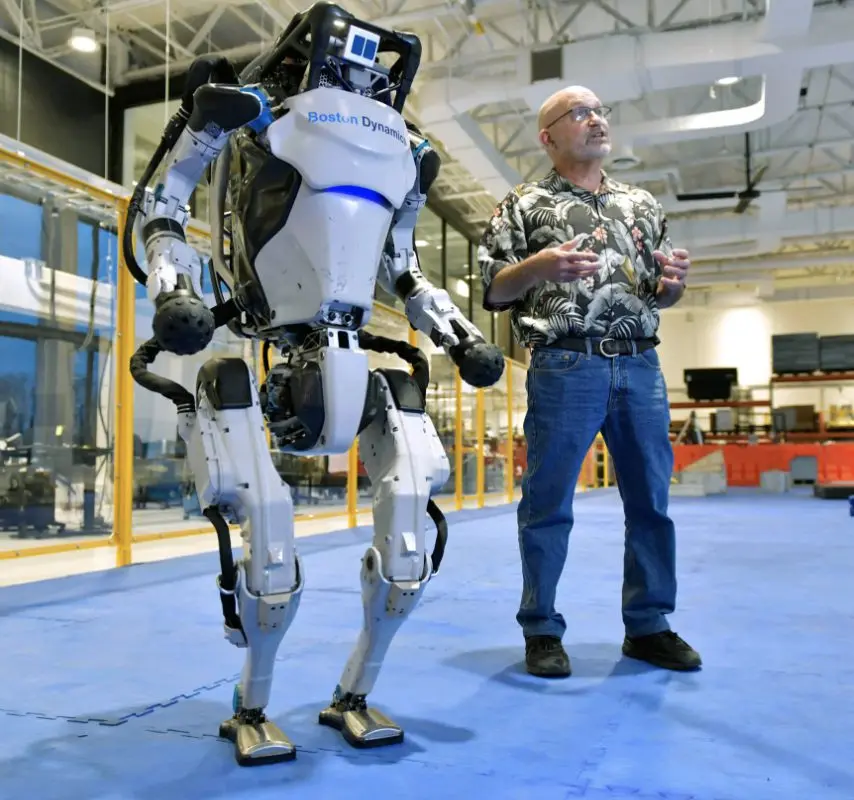
The short answer, which we will delve into, is no. Boston Dynamics is not a publicly traded company. It operates as a privately held entity, a subsidiary of a much larger global conglomerate. While this might deter potential investors looking for direct stock market opportunities, the story of Boston Dynamics and its journey through various corporate ownerships is a compelling narrative that underscores the strategic importance of robotics in today’s world. Moreover, the innovations pioneered by companies like Boston Dynamics are poised to profoundly reshape our daily lives, from how we work and interact with our environments to the very essence of travel, tourism, and accommodation. Understanding this evolution is crucial for anyone keen on staying ahead in the ever-changing landscape of modern lifestyle and exploration.
The Journey of Boston Dynamics: From MIT to a Global Icon
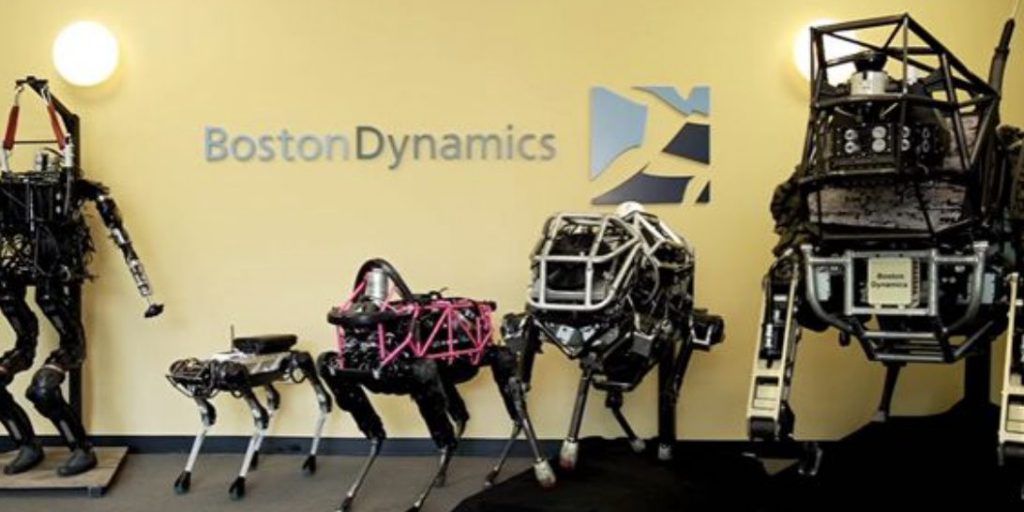
The history of Boston Dynamics is a testament to persistent innovation and the strategic foresight of its various owners. Founded in 1992 by Marc Raibert, a former professor at the Massachusetts Institute of Technology (MIT), the company initially focused on advanced research for military applications, often collaborating with DARPA. Its early work centered on dynamic locomotion and balance, laying the groundwork for the impressive, animal-inspired robots that would later capture global attention.
A Legacy of Innovation and Ownership Changes
For many years, Boston Dynamics remained a relatively niche player in the world of robotics, known primarily within scientific and defense circles for creations like BigDog. However, its public profile soared in the early 2010s with the release of YouTube videos showcasing its robots navigating challenging terrain, demonstrating remarkable agility, and even performing backflips. These awe-inspiring displays caught the eye of tech giants, leading to a significant shift in the company’s trajectory.
In 2013, Google acquired Boston Dynamics as part of a broader push into robotics. This acquisition, along with several other robotics companies, signaled Google’s ambition to lead in the emerging field. However, after several years, Google decided to divest from its robotics ventures, and in 2017, Boston Dynamics found a new home with SoftBank, a Japanese multinational conglomerate known for its aggressive investments in technology and telecommunications. Under SoftBank’s ownership, Boston Dynamics began a concerted effort to commercialize its robots, most notably with the quadruped robot Spot, which was made available for purchase to various industries for inspection, monitoring, and remote operation tasks.
The Current Status: A Key Asset for Hyundai
The most recent and perhaps most impactful ownership change occurred in 2020 when Hyundai Motor Group acquired a controlling stake in Boston Dynamics from SoftBank. This move underscored Hyundai‘s commitment to transforming from a traditional automaker into a smart mobility solutions provider. The acquisition was valued at approximately $1.1 billion, highlighting the immense value placed on Boston Dynamics’s intellectual property and engineering expertise.
As of today, Boston Dynamics operates as a subsidiary of Hyundai Motor Group. This strategic integration means that its innovations are now closely tied to Hyundai’s vision for the future, which extends beyond cars to encompass areas like autonomous vehicles, factory automation, logistics, and even urban air mobility. This private ownership structure means that individual investors cannot directly buy shares of Boston Dynamics on any stock exchange. Instead, those interested in the company’s future might look at investing in its parent company, Hyundai Motor Group, which is publicly traded, offering indirect exposure to the advancements being made.
Investing in Innovation: Beyond the Stock Market
For many, the allure of innovative companies like Boston Dynamics extends beyond simply admiring their technological prowess; it often sparks an interest in investment. The idea of owning a piece of a company that is quite literally building the future is compelling. However, as established, direct investment in Boston Dynamics isn’t an option for public market investors. This prompts a broader look at how one can engage with the robotics and automation sectors.
Private Equity and Strategic Acquisitions
The journey of Boston Dynamics is a classic example of how groundbreaking innovation often matures within the realm of private equity and strategic corporate acquisitions. Early-stage funding typically comes from venture capitalists and private investors who take on higher risks for the potential of significant returns. As companies develop and scale, they become attractive targets for larger corporations looking to integrate advanced technologies into their existing operations or expand into new markets.
This model is prevalent in high-tech industries. Companies like Google, SoftBank, and Hyundai acquire promising startups to gain a competitive edge, foster internal innovation, and diversify their portfolios. For individual investors, participating in this level of investment typically requires access to private equity funds or venture capital firms, which often have high minimum investment requirements and cater to accredited investors.
Tracking the Broader Robotics Market
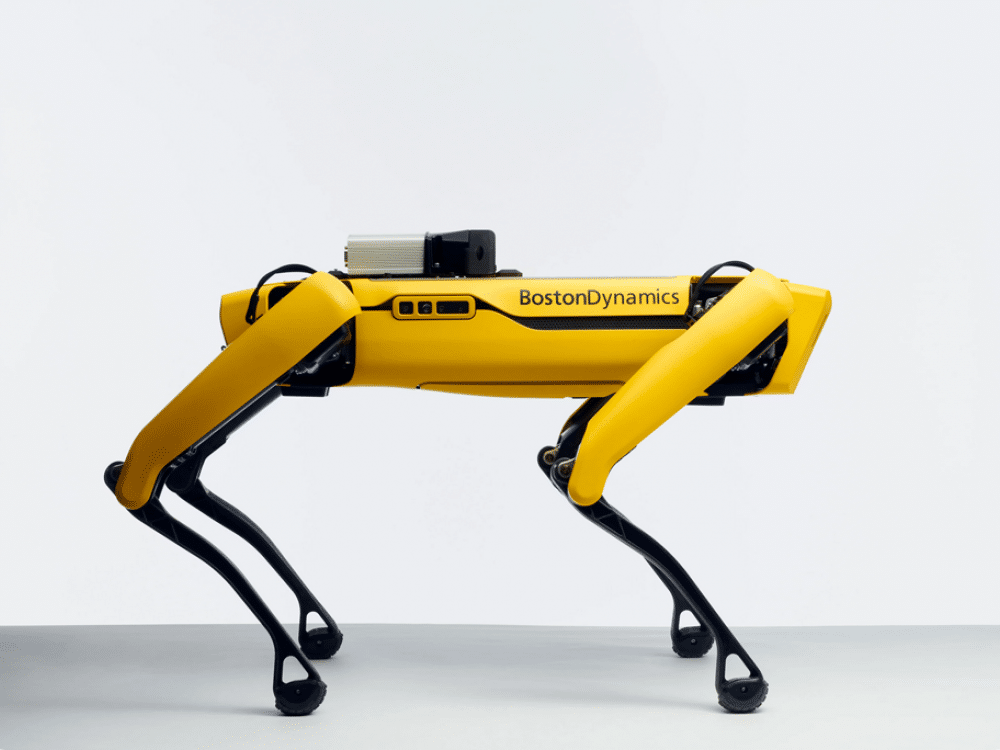
While Boston Dynamics itself is not publicly traded, the broader robotics and automation industry is a vibrant and growing sector with numerous publicly traded companies. Investors keen on gaining exposure to the future of intelligent machines have several avenues:
- Publicly Traded Robotics Companies: Many companies specialize in industrial robotics, automation software, or components for robotic systems. These can range from established players like Fanuc, KUKA (owned by Midea Group), and ABB to newer companies focusing on service robotics or AI-driven automation.
- Exchange-Traded Funds (ETFs): Several ETFs are specifically designed to track the performance of the robotics and artificial intelligence sectors. These funds offer diversified exposure to a basket of companies involved in robotics, AI, and automation, mitigating the risk associated with investing in a single company. Examples include ROBO Global Robotics and Automation Index ETF (ROBO) or Global X Robotics & Artificial Intelligence ETF (BOTZ).
- Parent Companies of Robotics Firms: As seen with Hyundai Motor Group, investing in the parent company of a prominent robotics subsidiary can offer indirect exposure. This requires understanding the parent company’s overall strategy and how robotics fits into its long-term growth.
For those interested in the financial lifestyle of investing in future technologies, understanding these avenues is key. It’s about looking beyond the most visible names to the ecosystem that supports and leverages their innovations.
Robotics and the Future of Travel, Tourism, and Accommodation
The true impact of companies like Boston Dynamics extends far beyond investment portfolios. Their creations are rapidly moving from research labs and industrial settings into mainstream applications, promising to redefine industries globally. The travel, tourism, and accommodation sectors, which are inherently service-oriented and experience-driven, stand on the cusp of a profound transformation thanks to advancements in robotics and AI. Imagine a world where your entire journey, from booking to your return home, is seamlessly enhanced by intelligent machines.
Enhancing the Guest Experience: Smart Hotels and Resorts
The most immediate and visible impact of robotics on travel is likely to be felt in hotels and resorts. Robotic concierges are already making appearances, offering personalized greetings, providing information about local attractions and guides, and even handling check-ins. Imagine a sleek, multi-limbed robot effortlessly carrying your luggage to your suite or villa, anticipating your needs before you even voice them.
- Automated Services: Robots can handle repetitive tasks with efficiency and precision. This includes delivering room service, restocking amenities, cleaning rooms (especially with robots like Spot navigating complex spaces), and even maintaining common areas. This frees up human staff to focus on more complex guest interactions, elevating the overall service quality and enabling more personalized experiences.
- Enhanced Security and Maintenance: Autonomous security robots can patrol hotel grounds, monitor for unusual activity, and provide an additional layer of safety for guests. Similarly, robots equipped with sensors can perform routine maintenance checks, identifying issues before they become major problems, ensuring that hotels and apartments are always in top condition for long-term stays or short visits.
- Personalized Comfort: Future smart rooms might feature integrated robotic systems that adjust lighting, temperature, and entertainment based on guest preferences learned over time, offering an unparalleled level of customized comfort that defines true luxury travel.
Revolutionizing Destinations and Landmarks
Beyond the immediate confines of accommodation, robotics can transform how we interact with destinations and landmarks.
- Interactive Guides and Tours: Picture a robotic tour guide at the Louvre Museum in Paris, capable of speaking multiple languages, adapting its explanations to your interests, and even navigating crowds to show you the best viewpoints. Or consider autonomous vehicles that provide narrated tours of historical sites, allowing visitors to explore at their own pace with rich, context-aware information about architecture, history, and nature.
- Preservation and Maintenance: Robots can assist in the delicate work of preserving ancient landmarks and managing natural parks, performing tasks that are dangerous or impossible for humans. They can monitor structural integrity, clean fragile surfaces, or collect data in remote areas, ensuring these treasures remain accessible for future generations.
- Accessibility: Robotics has the potential to make travel more inclusive. Autonomous mobility aids, robotic companions, or smart infrastructure can assist travelers with disabilities, opening up new destinations and experiences that were previously challenging to access.
The Evolution of Travel Logistics and Lifestyle
The logistical backbone of travel and tourism also stands to benefit immensely from robotic integration.
- Seamless Airport Experiences: From automated baggage handling and security screening to robotic assistance for navigation within vast airports, robots can significantly streamline the pre-flight and post-flight experience, reducing stress and wait times.
- Efficient Urban Mobility: Autonomous taxis and shuttle services can provide on-demand, cost-effective transportation within cities, reducing congestion and making local exploration easier for both budget travel and [luxury travel] clients. This impacts local culture, food, and activities.
- Personalized Travel Planning: While not physical robots, AI-driven algorithms (which are often developed by companies also involved in robotics) can create highly personalized travel itineraries, suggest optimal routes, and provide real-time tips and recommendations based on individual preferences, past travel history, and even mood. This integrates seamlessly into various lifestyle needs, from family trips to business stays.
Embracing the Future: A New Era for Lifestyle and Exploration
While Boston Dynamics might not be publicly traded, its impact on the future of technology and its tangential influence on sectors like travel and lifestyle are undeniable. The innovations emerging from its labs, and indeed from the broader robotics industry, are setting the stage for a new era of exploration and convenience.
As travelers, we can anticipate a future where our journeys are smoother, more personalized, and enriched by intelligent assistance. Whether it’s a robotic concierge greeting us at a futuristic hotel, an autonomous vehicle whisking us away to an undiscovered destination, or an AI-powered guide enhancing our understanding of ancient landmarks, the integration of advanced robotics will redefine our expectations of service, efficiency, and immersion. This technological evolution will cater to every facet of the modern traveler’s lifestyle, from those seeking ultimate luxury travel to adventurers embarking on budget travel experiences, ensuring that every trip is not just a journey, but a glimpse into a more connected and technologically advanced world.
In conclusion, while direct investment in Boston Dynamics remains elusive for the average investor, its journey as a private entity under the wing of giants like Hyundai Motor Group ensures its continued innovation. More importantly, its pioneering work serves as a powerful harbinger of the profound ways robotics will soon intertwine with every aspect of our lives, particularly how we explore the world, experience new destinations, and shape our personal lifestyles. The future of travel is not just about where we go, but how intelligently and seamlessly we get there, and robotics will undoubtedly play a starring role in that unfolding narrative.
LifeOutOfTheBox is a participant in the Amazon Services LLC Associates Program, an affiliate advertising program designed to provide a means for sites to earn advertising fees by advertising and linking to Amazon.com. Amazon, the Amazon logo, AmazonSupply, and the AmazonSupply logo are trademarks of Amazon.com, Inc. or its affiliates. As an Amazon Associate we earn affiliate commissions from qualifying purchases.