
The question of whether a storm is heading to Florida is one that resonates deeply with anyone planning a trip to the Sunshine State, or indeed those who call it home. Florida, a peninsula state renowned for its pristine beaches, vibrant theme parks, and lush natural landscapes, is a prime destination for travelers seeking everything from thrilling adventures to serene getaways. However, its geographical position also makes it susceptible to tropical weather systems, necessitating careful planning and informed decision-making for all visitors and residents.
The allure of Florida is undeniable. From the world-famous thrills of Orlando‘s theme parks, such as Walt Disney World Resort and Universal Orlando Resort, to the tranquil beauty of the Florida Keys and the sophisticated charm of Miami, there’s a facet of Florida to captivate every traveler. The state’s tourism industry thrives on its diverse offerings, encompassing everything from luxury resorts and family-friendly accommodations to immersive cultural experiences and breathtaking natural landmarks. Understanding potential weather patterns is not just a matter of convenience; it’s a crucial aspect of ensuring a safe and enjoyable experience.

This article delves into the complexities of predicting tropical weather impacting Florida, offering insights into how to stay informed, adjust travel plans, and make the most of your visit, regardless of the atmospheric conditions. We will explore the factors that contribute to storm formation, the resources available for tracking weather events, and how proactive planning can mitigate potential disruptions, ensuring your Florida adventure remains memorable for all the right reasons. Whether you’re dreaming of a sun-drenched beach vacation or an action-packed exploration of its many attractions, knowing what might be brewing on the horizon is paramount.
Understanding the Dynamics of Tropical Weather in Florida
Florida‘s unique geographical position as a peninsula surrounded by warm waters – the Atlantic Ocean to the east and the Gulf of Mexico to the west – creates an environment conducive to the formation and development of tropical cyclones. These powerful weather systems, which can manifest as tropical depressions, tropical storms, or hurricanes, are a significant consideration for anyone visiting or living in the state. The hurricane season officially runs from June 1st to November 30th each year, with the peak activity typically occurring between mid-August and late October. However, storms can and have occurred outside these months.
The formation of these systems is a complex meteorological phenomenon driven by a confluence of factors. Warm ocean surface temperatures, typically 80°F (26.5°C) or higher, are essential for providing the energy needed to fuel a storm. Low vertical wind shear – meaning winds at different altitudes blowing at similar speeds and directions – allows the storm to organize and strengthen. Furthermore, a pre-existing weather disturbance, such as a tropical wave originating from Africa, can serve as the initial seed for development. As these disturbances move over warm waters, they can begin to spin and organize, drawing in more moisture and energy.
The intensity and path of a tropical storm are influenced by a myriad of variables, including atmospheric pressure gradients, ocean currents, and the presence of other weather systems. Forecasters utilize sophisticated computer models, satellite imagery, reconnaissance aircraft, and ground-based observations to track these systems and predict their future movement and strength. This information is vital for emergency management agencies, the tourism industry, and individual travelers alike. The National Hurricane Center (NHC), based in Miami, Florida, is the primary authority for monitoring and issuing advisories on tropical cyclones in the Atlantic basin.
The Role of Tropical Waves and Atmospheric Conditions
Tropical waves, often originating over West Africa, are a common starting point for many Atlantic hurricanes. These are areas of low pressure that move westward across the Atlantic Ocean. As they traverse the warm, moisture-rich waters, they can encounter conditions favorable for development. The Intertropical Convergence Zone (ITCZ), a belt of low pressure near the Earth’s equator where the trade winds of the Northern and Southern Hemispheres converge, also plays a role in the genesis of tropical systems.
Atmospheric conditions play a critical role in whether these disturbances mature into significant storms. High pressure systems can steer storms, while upper-level winds can either help or hinder their development. For instance, strong wind shear can disrupt the organized structure of a developing storm, preventing it from strengthening or even causing it to dissipate. Conversely, a stable atmosphere with low shear allows the storm to develop a more defined structure, including a central “eye” in the case of a hurricane.
The unpredictable nature of these atmospheric dynamics is what makes storm forecasting a challenging yet vital science. Even slight shifts in wind patterns or temperature gradients can alter a storm’s trajectory, making it crucial to stay updated with the latest advisories. For tourists, understanding these basic principles can help demystify the forecasts and empower them to make informed decisions about their travel plans. It’s not just about the storm itself, but the entire atmospheric environment that dictates its behavior.
Navigating Florida Travel Amidst Weather Concerns
When the question “Is There A Storm Heading To Florida?” arises, especially during the hurricane season, proactive planning becomes paramount for travelers. The Florida tourism sector, a multi-billion dollar industry, is deeply aware of the impact of weather on visitor numbers and the overall travel experience. Hotels, attractions, and airlines constantly monitor weather forecasts and have contingency plans in place to manage potential disruptions.

Preparing for the Unexpected: Travel Tips and Resources
For travelers, the first and most important step is to stay informed. Reliable sources for weather information include the National Hurricane Center (NHC), local news outlets, and reputable weather apps. Many airlines and hotel chains also provide direct updates and advisories on their websites and through customer service channels. It’s advisable to book accommodations that offer flexible cancellation or rebooking policies. Many Florida resorts, such as the Ritz-Carlton, or boutique hotels in cities like Key West or St. Augustine, understand the nuances of weather-related travel disruptions and often work with guests to adjust their stays.
Travel insurance is another invaluable tool. Comprehensive travel insurance can cover unforeseen circumstances, including trip cancellations or interruptions due to severe weather events. This can protect your investment in flights, accommodation, and planned activities, such as tours of the Everglades or visits to theme parks like SeaWorld Orlando.
When a storm is a possibility, it’s wise to have a backup plan. This might involve identifying alternative attractions or activities that are less weather-dependent, such as museums in Tampa or indoor entertainment venues in Fort Lauderdale. If travel to Florida is imminent and a significant storm is forecast, reconsidering your travel dates might be the safest option. Many visitors choose to reschedule their trips to avoid potential disruptions and ensure a more predictable and enjoyable experience.
Accommodation and Attraction Preparedness
Florida‘s hospitality industry is well-versed in hurricane preparedness. Major hotel chains, from brands like Marriott and Hilton to independent luxury resorts scattered across the coastlines of Naples and Palm Beach, often have robust emergency protocols. These can include boarding up windows, stocking supplies, and ensuring guest safety. Some establishments, particularly those designated as hurricane shelters, are equipped to house guests for extended periods if necessary. It is always a good idea to inquire about a hotel’s specific hurricane preparedness plan when booking, especially if traveling during peak season.
Similarly, major attractions like Walt Disney World Resort and Universal Orlando Resort have detailed plans for managing severe weather. They monitor forecasts closely and will adjust operations, including ride closures or park hours, to ensure guest safety. They often have staff dedicated to assisting guests with rebooking or offering alternative entertainment options. Smaller attractions and local businesses also do their best to adapt, but their capacity to do so may be more limited. Understanding the operational policies of your planned attractions regarding weather is essential. For example, if a particular tour of the Dry Tortugas National Park is canceled due to weather, knowing how to rebook or get a refund is crucial.
Enjoying Florida Safely: Lifestyle and Leisure Considerations
Despite the potential for tropical weather, Florida remains a top destination for a wide range of lifestyles and travel preferences. Whether you’re a family seeking a budget-friendly adventure, a couple indulging in a luxury escape, or a business traveler on an extended stay, there are ways to enjoy the Sunshine State responsibly and safely, even when storms are on the horizon.
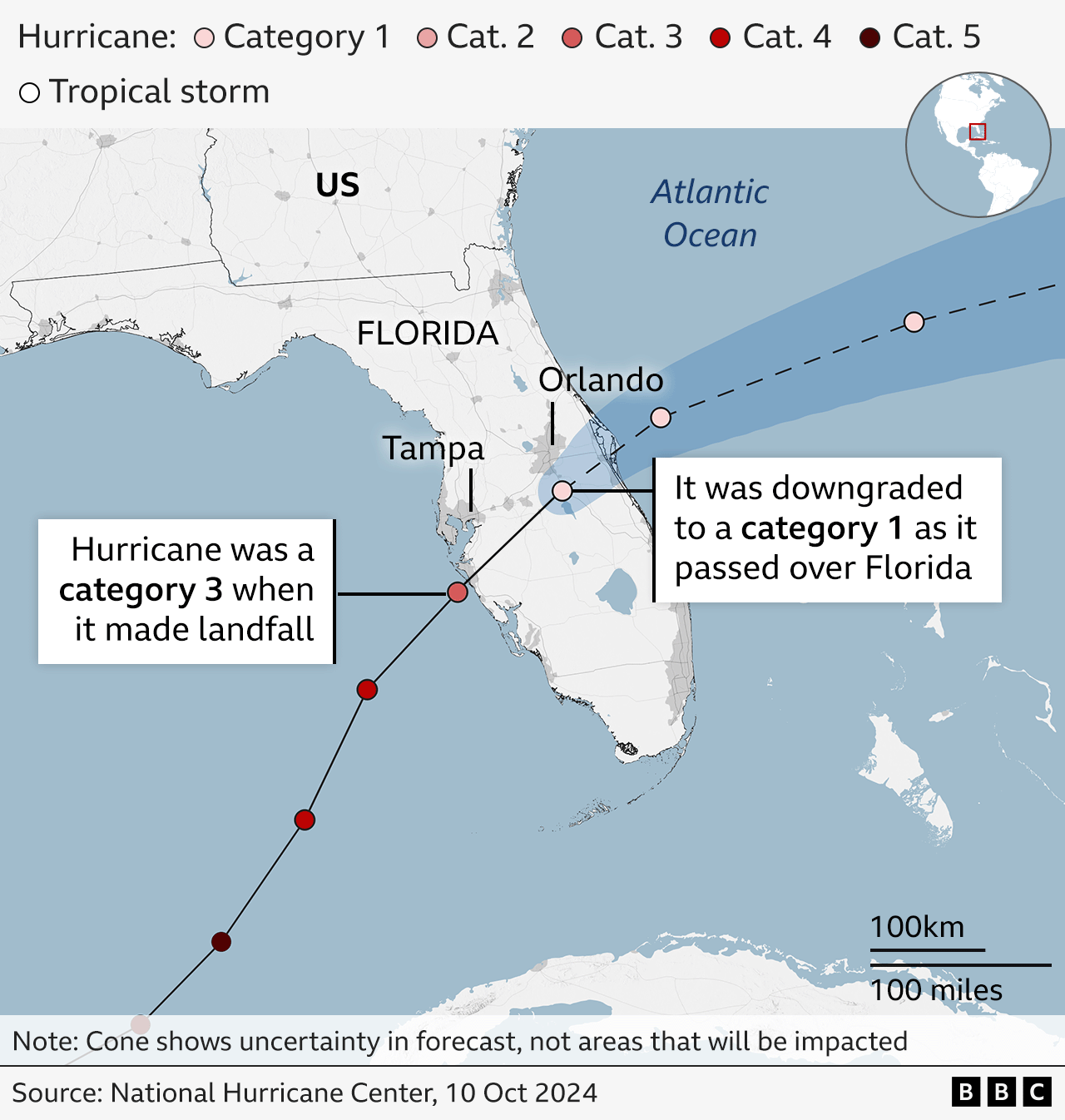
Adapting Your Florida Itinerary for All Travel Styles
For family trips, Florida offers endless entertainment. While theme parks are a major draw, consider diversifying your itinerary. Florida boasts numerous natural attractions like the Wekiwa Springs State Park and the Bok Tower Gardens, which can still be enjoyed in less-than-perfect weather, perhaps with adjusted timings. Indoor options abound, from the Kennedy Space Center Visitor Complex to aquariums in cities like St. Petersburg. Many resorts offer excellent family-friendly amenities, including indoor pools and kids’ clubs, providing entertainment even if outdoor activities are limited.
For those seeking a luxury travel experience, Florida offers world-class resorts and fine dining. High-end hotels along the coasts of Amelia Island or Sanibel Island often provide exceptional service and can help guests navigate any weather-related challenges. Consider booking stays at properties known for their comprehensive amenities and concierge services, which can assist with rescheduling activities or finding exclusive indoor experiences. The sophisticated nightlife and dining scenes in Miami and Palm Beach can offer excellent alternatives during inclement weather.
Even for budget travel, Florida can be surprisingly accessible. Many state parks offer affordable camping and day-use options. Exploring charming small towns like Mount Dora or DeFuniak Springs can be a delightful experience, often with local shops and cafes providing a cozy retreat from the elements. Pack appropriately for variable weather, and always check local event listings for indoor festivals or markets that might be happening.
For business stays, Florida’s cities like Jacksonville, Tampa, and Orlando offer excellent business hotels and convention centers. While business meetings are usually held indoors, understanding potential travel disruptions for incoming or outgoing flights is crucial. Staying in a hotel with good transport links or offering shuttle services can be beneficial.
Ultimately, a storm heading to Florida doesn’t necessarily mean the end of your trip. It calls for informed decision-making, flexibility, and a willingness to adapt your plans. By utilizing the resources available and understanding the preparedness of the Florida tourism infrastructure, travelers can still have a fantastic and safe experience in this beloved state, regardless of what the weather brings. The key is to be prepared, stay informed, and embrace the adventure, come rain or shine.
LifeOutOfTheBox is a participant in the Amazon Services LLC Associates Program, an affiliate advertising program designed to provide a means for sites to earn advertising fees by advertising and linking to Amazon.com. Amazon, the Amazon logo, AmazonSupply, and the AmazonSupply logo are trademarks of Amazon.com, Inc. or its affiliates. As an Amazon Associate we earn affiliate commissions from qualifying purchases.