
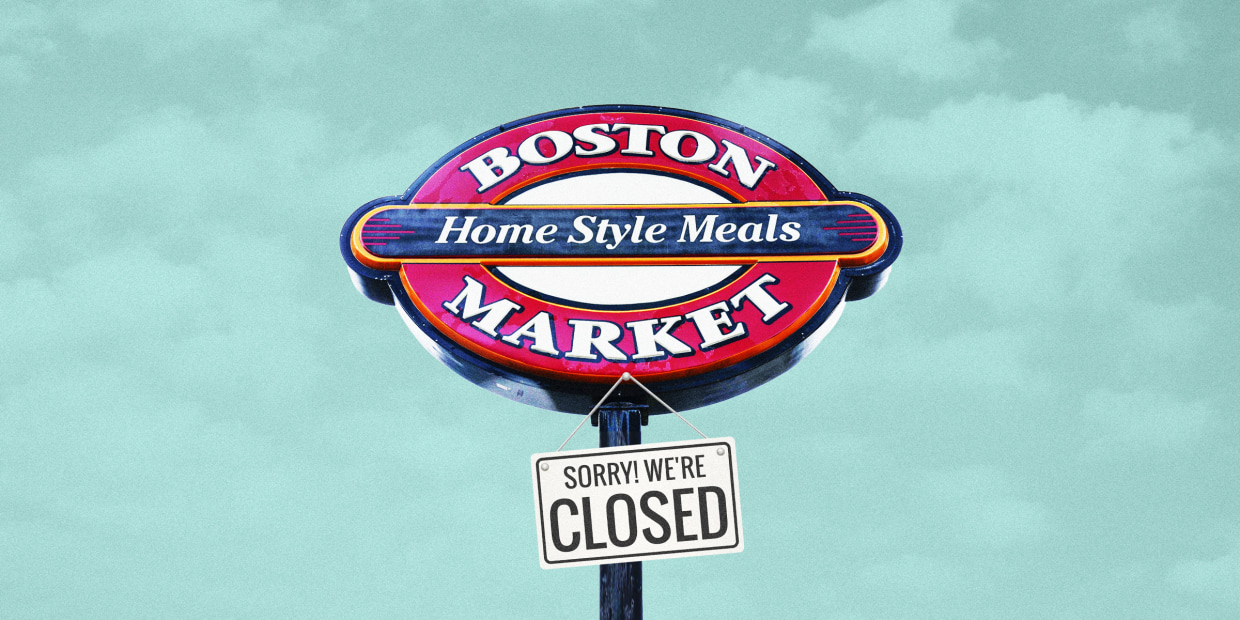
The familiar aroma of rotisserie chicken and homestyle sides has been a staple for many across the United States for decades. Boston Market, once a ubiquitous presence in suburban strip malls and bustling city corners, has seen its footprint shrink considerably in recent years. This decline has led many to question the future of the beloved chain, sparking widespread speculation about its potential demise. Understanding the factors contributing to Boston Market’s struggles requires a deep dive into the competitive landscape of the fast-casual dining sector, shifting consumer preferences, and the inherent challenges of managing a large-scale restaurant operation.
The Shifting Sands of the Fast-Casual Dining Landscape
The rise of fast-casual dining, a segment that bridges the gap between fast food and full-service restaurants, has been a dominant trend in the culinary world for the past two decades. This sector offers higher quality ingredients, more varied menus, and a more comfortable dining experience than traditional fast food, all at a price point generally lower than sit-down establishments. Boston Market was an early pioneer in this space, carving out a niche with its unique offering of roasted chicken and classic comfort food.
However, the very success of the fast-casual model has led to an explosion of competition. New concepts, often with a focus on specific cuisines, dietary trends, or innovative service models, have entered the market and captured consumer attention. From the build-your-own bowls of Chipotle and Sweetgreen to the diverse offerings of places like Panera Bread, diners today have an unprecedented array of choices. Many of these newer entrants boast modern aesthetics, streamlined ordering processes, and a strong emphasis on digital integration, areas where Boston Market has arguably lagged.
Furthermore, the definition of “homestyle” and “comfort food” has evolved. While Boston Market traditionally offered a specific interpretation of these concepts, younger generations and a broader consumer base are increasingly seeking out global flavors, plant-based options, and healthier preparations. The convenience factor, once a significant advantage for chains like Boston Market, is now challenged by the proliferation of third-party delivery services that bring nearly any restaurant’s offerings directly to consumers’ doors.
The Rise of the Delivery Economy
The advent and widespread adoption of food delivery apps have fundamentally reshaped the restaurant industry. Services like DoorDash, Uber Eats, and Grubhub have made it easier than ever for consumers to enjoy restaurant meals at home. For many chains, this has presented both an opportunity and a challenge.
For Boston Market, the reliance on a traditional dine-in and take-out model may have put it at a disadvantage as delivery became the norm. While the chain has integrated with delivery platforms, its core operational model might not be as optimized for rapid, on-demand delivery as newer concepts designed with third-party logistics in mind. The economics of delivery, with commission fees and packaging costs, can also put a strain on already tight margins, particularly for established chains with legacy infrastructure. The ability to quickly adapt menus for delivery, ensuring food quality and presentation remain high during transit, is another critical factor that has become paramount in today’s competitive environment.
Operational Challenges and Financial Strain
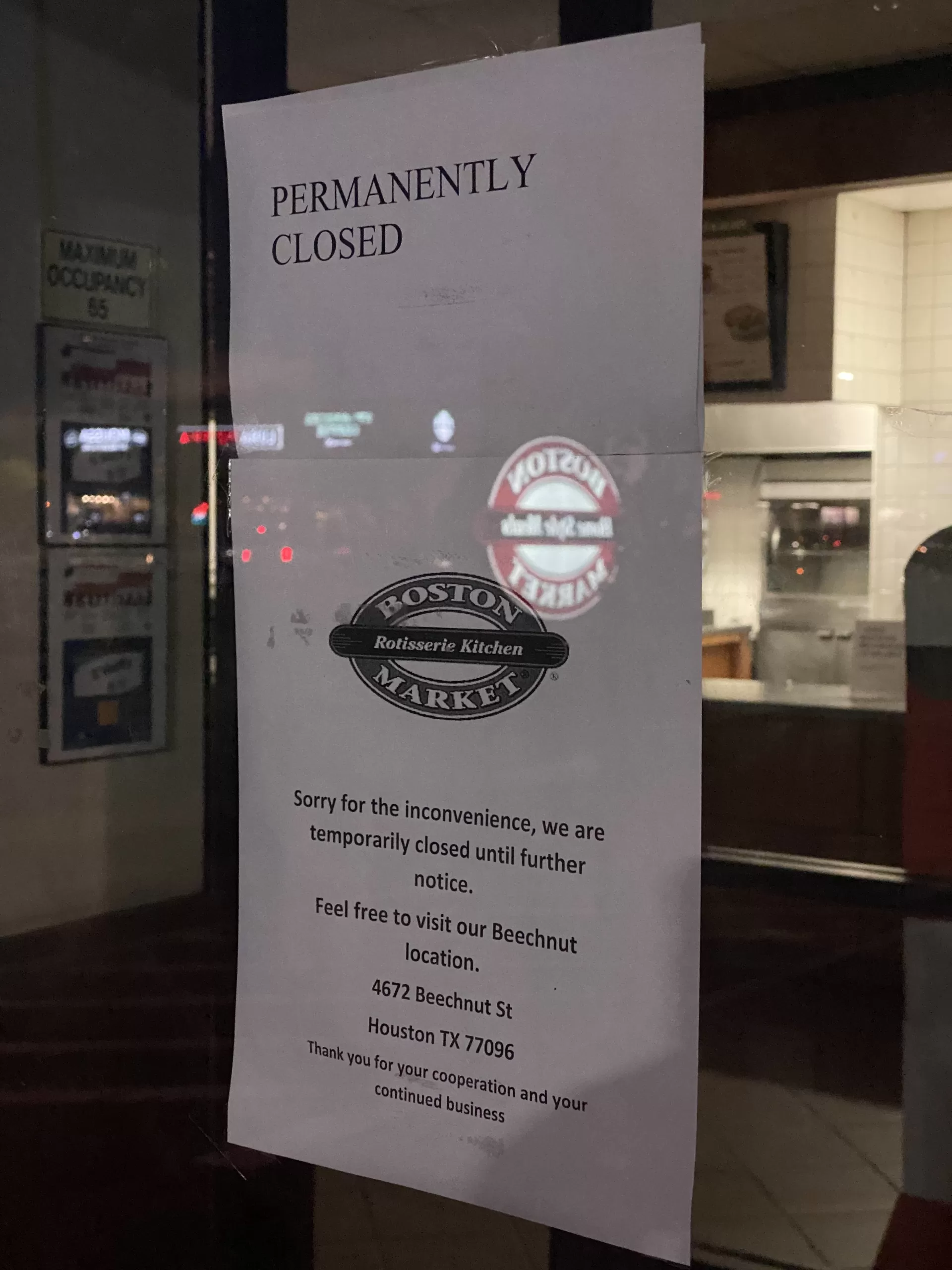
Beyond market forces, Boston Market has faced significant internal operational and financial hurdles. Reports of delayed rent payments, employee wage disputes, and franchise issues have surfaced periodically, painting a picture of a company grappling with considerable financial distress. These issues can have a cascading effect, impacting everything from store upkeep and employee morale to the overall customer experience.
The chain has also experienced multiple ownership changes over the years, a common indicator of underlying financial instability or strategic missteps. Each new ownership group often attempts to implement its own vision, leading to potential disruptions in operations and brand consistency. These transitions can hinder long-term planning and investment, making it difficult to innovate and stay competitive.
The Franchise Model Dilemma
Like many large restaurant chains, Boston Market operates a significant number of franchised locations. While franchising can be a powerful tool for expansion and capital infusion, it also introduces complexities. Ensuring brand standards, consistent quality, and adherence to operational protocols across a diverse network of independent franchisees can be a constant challenge. When a franchisor experiences financial difficulties, it can directly impact its franchisees, leading to a domino effect of closures and further damage to the brand’s reputation. Disagreements between franchisors and franchisees over fees, marketing support, and operational changes are not uncommon and can further destabilize the system.
Consumer Perception and Brand Relevance
In the digital age, brand perception is heavily influenced by online reviews, social media buzz, and word-of-mouth. While Boston Market holds a certain nostalgic appeal for many, its brand may not resonate as strongly with newer generations of diners who are often more attracted to emerging culinary trends and digitally native brands. The “go-to” comfort food destination for some may be seen as dated or lacking in innovation by others.
The core menu, while classic, has seen limited evolution compared to competitors who have actively embraced new ingredients, dietary preferences, and customization options. In an era where personalized dining experiences are increasingly valued, a standardized menu might not be enough to capture sustained interest. The physical appearance and atmosphere of many Boston Market locations may also contribute to the perception of being outdated, especially when contrasted with the modern, often more aesthetically pleasing environments of newer fast-casual establishments.

The Challenge of Reinvention
For any established brand facing declining relevance, reinvention is often the key to survival. This can involve menu innovation, store remodels, enhanced digital capabilities, and a more targeted marketing approach. However, reinvention requires significant investment and a clear strategic vision, resources that may be scarce for a company experiencing financial strain. Without a compelling narrative or a revitalized offering, it becomes challenging to recapture consumer attention and loyalty.
The question of whether Boston Market is “going out of business” is complex and multifaceted. While official announcements of widespread closures or bankruptcy filings have not definitively confirmed this fate, the significant reduction in store count, persistent financial challenges, and the intense competitive pressure suggest a precarious future. The brand’s ability to adapt to the evolving dining landscape, address its operational inefficiencies, and reconnect with consumers will ultimately determine its longevity in the American food scene. For now, the future of this once-dominant fast-casual chain remains uncertain, a topic of considerable interest to those who fondly remember its signature golden-brown rotisserie chickens and comforting side dishes.
LifeOutOfTheBox is a participant in the Amazon Services LLC Associates Program, an affiliate advertising program designed to provide a means for sites to earn advertising fees by advertising and linking to Amazon.com. Amazon, the Amazon logo, AmazonSupply, and the AmazonSupply logo are trademarks of Amazon.com, Inc. or its affiliates. As an Amazon Associate we earn affiliate commissions from qualifying purchases.