
The culinary landscape of the United States is a dynamic tapestry, constantly evolving with new trends, rising stars, and the inevitable fading of once-ubiquitous establishments. Among the fast-casual chains that have etched themselves into the American psyche, Boston Market holds a particular, nostalgic place for many. Known for its rotisserie chicken, carving station meats, and an array of comfort food sides, it once represented a convenient and wholesome alternative to traditional fast food. But in an era where dining options are more diverse than ever, and economic pressures constantly reshape the restaurant industry, the question lingers: Is Boston Market still in business? For travelers seeking familiar dining experiences in new destinations or families planning a budget-friendly trip, understanding the current footprint of this once-dominant chain can be surprisingly relevant.

The short answer is yes, Boston Market is still in business, but not in the widespread, thriving capacity it once enjoyed. Its journey has been fraught with financial difficulties, changes in ownership, and a significant reduction in its physical store presence. What was once a national phenomenon with hundreds of locations has transitioned into a more concentrated, often digitally focused operation. This evolution reflects broader shifts in the restaurant industry, where convenience, delivery services, and diversified offerings now dominate, influencing everything from the choice of hotels to the appeal of certain local culture through its cuisine.
The Enduring Question: What’s the Current Status of Boston Market?
For many, the mention of Boston Market conjures images of juicy rotisserie chicken, savory mashed potatoes, and cornbread – a quintessential American comfort meal. This perception is rooted in its heyday when the chain was a prominent fixture in suburban shopping centers and bustling urban areas alike, offering a compelling proposition for those seeking home-style cooking without the fuss. However, the intervening decades have seen considerable turbulence for the brand.
After several periods of financial instability, including a high-profile bankruptcy filing in the late 1990s, the chain underwent various ownership changes and strategic realignments. These challenges were not unique to Boston Market; many legacy restaurant brands have struggled to adapt to evolving consumer tastes, the rise of health-conscious dining, and the fierce competition from a new generation of fast-casual concepts. Today, the brand continues to operate, albeit with a significantly smaller physical footprint. Its primary presence is now concentrated in specific markets, with a growing emphasis on catering services and the retail sale of its popular side dishes in supermarkets. This strategic pivot highlights a pragmatic approach to survival, leveraging brand recognition for specific product lines and service models. For travelers, this means that stumbling upon a Boston Market during their experiences may be less common, particularly in less densely populated areas, making pre-trip research on local dining guides more essential than ever.
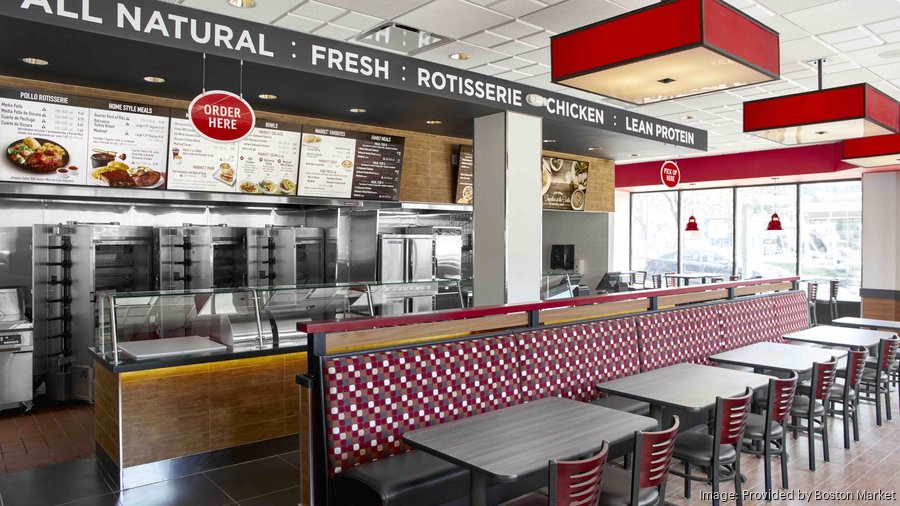
A Glimpse into its Heyday and Initial Decline
The story of Boston Market begins in 1985 in Newton, Massachusetts, under the name Boston Chicken. Its founders, Arthur Cores and Steve Kolow, tapped into a growing consumer desire for healthier, home-style meals that were still fast and convenient. The concept—a departure from traditional fried chicken or burger joints—quickly resonated. By the early 1990s, the company was experiencing explosive growth, expanding rapidly across the United States and going public. Its stock soared, and new locations seemed to pop up almost daily, becoming a familiar sight near landmarks and travel hubs.
However, this rapid expansion proved to be both its greatest strength and its Achilles’ heel. The company took on significant debt to fuel its growth, and its aggressive strategy of opening stores, sometimes too close to one another, eventually led to cannibalization of its own sales. Financial missteps and an inability to consistently manage its vast network of restaurants caught up with Boston Chicken. By 1998, facing immense debt and declining profitability, the company filed for Chapter 11 bankruptcy. This marked a pivotal moment, leading to a restructuring and a subsequent acquisition by McDonald’s in 2000. Under McDonald’s ownership, the chain was rebranded as Boston Market and underwent efforts to streamline operations and regain profitability, yet it never fully recaptured its earlier dominance. The initial decline serves as a cautionary tale in the restaurant industry, illustrating how even a beloved concept can falter without sustainable growth strategies and robust financial management.
From Rotisserie Chicken Empire to Niche Player
The trajectory of Boston Market from a rapidly expanding rotisserie chicken empire to a more specialized, niche player is a fascinating case study in brand resilience and adaptation. Post-McDonald’s ownership, the chain continued its efforts to find a stable footing in an increasingly competitive market. In 2007, McDonald’s sold Boston Market to Sun Capital Partners, a private equity firm known for its investments in distressed and undervalued companies. This change of hands signaled another attempt to revitalize the brand, focusing on operational efficiencies and a clearer market positioning.
Under Sun Capital Partners, efforts were made to update menus, modernize restaurant interiors, and improve service. However, the market had evolved significantly. The rise of fast-casual competitors offering customizable meals, often with a focus on fresh, local ingredients, posed a formidable challenge. Boston Market’s relatively fixed menu and traditional comfort food offerings, while appealing to a loyal customer base, struggled to attract newer generations of diners seeking more diverse or health-oriented options. This period saw continued store closures as the company grappled with profitability issues, particularly in markets where competition was intense or consumer demand had shifted dramatically. For those planning tourism to cities like Miami or Las Vegas, where dining options are vast, the absence of a once-familiar option like Boston Market can subtly influence the overall dining experience, pushing visitors to explore local independent eateries or other chain alternatives.

Navigating Economic Headwinds and Changing Tastes
The restaurant industry is notoriously susceptible to economic fluctuations and shifts in consumer preferences, and Boston Market has weathered its share of both. Economic downturns can significantly impact discretionary spending on dining out, forcing consumers to tighten their belts or opt for cheaper alternatives. For a chain like Boston Market, which positioned itself as a step above traditional fast food but below full-service casual dining, finding the right price point and value proposition became crucial.
Beyond economics, changing tastes played an even more profound role. The 21st century has witnessed a dramatic shift towards healthier eating, dietary restrictions (gluten-free, vegan, keto), and a preference for transparency in food sourcing. While Boston Market’s rotisserie chicken was inherently a healthier option than fried alternatives, its overall menu, heavy on rich, carb-laden sides, didn’t always align with these emerging trends. Furthermore, the explosion of global cuisines and highly specialized fast-casual concepts meant consumers had an unprecedented array of choices, making it harder for established brands to maintain relevance without significant innovation. The inability to pivot quickly enough to these evolving preferences meant that while Boston Market retained a core following, it struggled to attract new demographics, impacting its overall market share and profitability. This phenomenon is often observed when exploring food trends as part of local culture in various cities around the globe.
The Resilience of a Brand: Acquisitions and Reinvention
Despite the numerous challenges, the Boston Market brand has demonstrated a remarkable degree of resilience, primarily through strategic acquisitions and ongoing efforts at reinvention. In 2020, during the height of the global pandemic—a particularly difficult time for the restaurant industry—Boston Market was acquired by Englewood, Colorado-based Rohan Group, led by restaurateur Jay Pandya. This acquisition represented another lifeline for the brand, with promises of modernization, expansion, and a renewed focus on its core strengths.
Under new ownership, the strategy has largely centered on stabilizing operations, investing in technology for online ordering and delivery, and expanding its presence in non-traditional formats. While the number of brick-and-mortar restaurants continued to shrink in certain areas, the brand has explored new avenues for growth, including ghost kitchens, which operate solely for delivery, and expanding its catering services. This reinvention acknowledges the shift in how people consume food—less dine-in, more convenient delivery and takeaway. It also focuses on leveraging its strong brand recognition for its comfort food items in retail settings, allowing consumers to purchase Boston Market branded side dishes at their local grocery stores. This adaptive strategy, pivoting towards a diversified business model that extends beyond traditional restaurants, showcases a forward-thinking approach to ensure the brand’s longevity, even if its presence looks vastly different from its past. This kind of lifestyle shift impacts not only daily routines but also travel planning, as travelers increasingly rely on delivery apps for accommodation dining options, whether in suites, resorts, or apartments.
Where Can You Still Find Boston Market Today?
The question of where to find Boston Market today is more complex than it once was. Gone are the days when a traveler could expect to spot a location in almost any major city or along major interstates. The current distribution is much more concentrated, reflecting a strategic decision to focus on profitable markets and leverage alternative sales channels. As of late 2023 and early 2024, the chain operates a significantly reduced number of traditional restaurants compared to its peak, with many former locations having closed over the past decade.
However, “in business” extends beyond physical storefronts. Boston Market has made concerted efforts to maintain its presence through its robust catering division and its burgeoning retail product line. For individuals or groups seeking catering for events, family gatherings, or business stays, Boston Market remains a viable option, offering its classic menu items in bulk. Similarly, finding their branded mashed potatoes, macaroni and cheese, or other sides in the frozen food aisle of supermarkets like Walmart, Target, or Kroger is now a common occurrence, bringing the taste of Boston Market into home kitchens across the United States. This dual approach allows the brand to reach consumers in different ways, ensuring its products are accessible even where traditional restaurants are no longer present.
A Shifting Footprint: Brick-and-Mortar vs. Digital
The geographical footprint of Boston Market’s brick-and-mortar restaurants has become more regionalized. While locations can still be found in states like California, Florida, Texas, and parts of the Northeast (like New York and New Jersey), their density is much lower than in previous decades. Major metropolitan areas like Chicago, Philadelphia, and Atlanta might still host a handful of stores, but they are no longer on every corner. This shifting footprint means that travelers relying on easily accessible, familiar dining options might need to do a quick online search to locate the nearest Boston Market, or consider it a special find rather than a given.
Crucially, the digital realm has become an increasingly important battleground for the brand. Investment in online ordering platforms, integration with third-party delivery services (such as DoorDash, Uber Eats, and Grubhub), and a strong digital marketing presence are now vital components of its strategy. For travelers staying in accommodation without extensive dining amenities, the ability to have a comforting Boston Market meal delivered directly to their hotel suite or apartment rental represents a significant convenience. This digital pivot ensures the brand remains accessible and relevant to modern consumers, even as its physical presence contracts. The convenience of booking and delivery has become a key factor in contemporary dining tips for travelers.
The Future of Comfort Food: Catering and Retail Products
The future of Boston Market appears to be strongly anchored in its strengths: providing convenient, home-style comfort food through diversified channels. Its catering business, which has long been a reliable revenue stream, continues to be a cornerstone. Offering full meal solutions for family gatherings, office lunches, and special occasions taps into a consistent demand for hassle-free, familiar fare. This segment allows the brand to serve a broader customer base without the overhead of maintaining a vast network of dine-in restaurants.
Perhaps even more significant for the brand’s long-term viability is the expansion and success of its retail product line. By selling its signature side dishes and even some entrees in grocery stores, Boston Market has effectively transformed itself into a hybrid food company, not just a restaurant chain. This strategy allows the brand to capitalize on its name recognition and appeal directly to consumers who appreciate its taste but may not have a restaurant nearby or prefer to prepare meals at home. This move not only generates revenue but also keeps the brand top-of-mind, maintaining its relevance in the broader food industry. For those on a budget travel plan or staying in villas with self-catering facilities, finding Boston Market products in local supermarkets offers a comforting and economical meal solution, reinforcing its place in the lifestyle of many Americans.
The Legacy of Home-Style Meals in the American Culinary Landscape
The journey of Boston Market from an insurgent force in the fast-casual segment to its current status as a specialized player is emblematic of the challenges and opportunities within the American culinary landscape. While it no longer commands the same widespread physical presence, its enduring legacy lies in its pioneering role in popularizing rotisserie chicken and offering a convenient alternative to traditional fast food. It tapped into a fundamental desire for wholesome, home-style meals, a comfort that continues to resonate with consumers across generations.
Its continued existence, albeit in a leaner and more diversified form, speaks to the power of a strong brand identity and a product that fulfills a basic need. For many, a meal from Boston Market evokes memories of family dinners, road trips, or simply a reliable, satisfying meal. This emotional connection is a valuable asset that has allowed the brand to persist through numerous financial storms and shifts in consumer trends. As the industry continues to evolve, Boston Market’s adaptive strategies—focusing on catering, retail, and a targeted restaurant footprint—provide a blueprint for how legacy brands can navigate modern challenges and maintain relevance in a crowded and ever-changing market. Its story offers a glimpse into the broader trends shaping how Americans eat, travel, and seek comfort in their daily lives.
Boston Market’s Place in Travel and Lifestyle Dining
For those with an interest in travel and lifestyle, the saga of Boston Market offers an interesting perspective on dining choices away from home. In its prime, Boston Market was a reliable option for travelers, offering a familiar, relatively healthy meal in various cities and near many attractions. For family trips, it provided a less chaotic and often more appealing alternative to burger joints, with options that could satisfy diverse palates. Its decline in widespread availability means that travelers now might seek out other fast-casual chains, explore more local culture through independent restaurants, or rely more heavily on in-room dining services provided by hotels or via delivery apps.
However, its continued presence in catering and retail means that elements of the Boston Market experience can still be integrated into travel and lifestyle choices. Planning a stay in a self-catering villa? Their retail sides can be a convenient addition to a home-cooked meal. Hosting a gathering for a business stay? Their catering can offer a crowd-pleasing solution. Thus, while the direct restaurant experience is less pervasive, the brand’s influence on the landscape of convenient, home-style dining persists. It underscores how food, whether from a restaurant, a supermarket shelf, or a catered event, intertwines deeply with our decisions about where to travel, how to stay, and the daily rhythms of our lives. The ability to compare different accommodation options and their proximity to dining choices remains a crucial aspect of modern travel reviews and comparison.
LifeOutOfTheBox is a participant in the Amazon Services LLC Associates Program, an affiliate advertising program designed to provide a means for sites to earn advertising fees by advertising and linking to Amazon.com. Amazon, the Amazon logo, AmazonSupply, and the AmazonSupply logo are trademarks of Amazon.com, Inc. or its affiliates. As an Amazon Associate we earn affiliate commissions from qualifying purchases.