
Boston, a city steeped in history and renowned for its vibrant culture, world-class institutions, and iconic landmarks, consistently draws millions of visitors each year. From the Freedom Trail to Fenway Park, the “Hub” offers a captivating blend of colonial charm and modern innovation. Yet, beyond its well-trodden tourist paths lies a deeper civic identity, one that often sparks curiosity among travelers and potential residents alike: Is Boston a sanctuary city? The answer is a resounding yes, and understanding what this means can significantly enrich your travel experience, offering insights into the city’s diverse communities, welcoming spirit, and commitment to inclusivity. This guide will delve into the specifics of Boston’s sanctuary status, exploring its implications and how it shapes the very fabric of this dynamic destination.

Decoding “Sanctuary City”: What Does It Truly Mean?
The term “sanctuary city” frequently appears in headlines and political discourse, often leading to misconceptions. For a traveler exploring Boston, understanding this designation is key to appreciating the city’s unique social landscape and its approach to governance. It’s not about ignoring immigration laws, but rather about a specific local policy regarding how city resources are used in relation to federal immigration enforcement.
A National Overview of Sanctuary Policies
Across the United States, sanctuary cities, counties, and states adopt policies that limit their cooperation with federal immigration authorities, primarily U.S. Immigration and Customs Enforcement (ICE), in civil immigration matters. This means that local law enforcement agencies, such as the Boston Police Department, will generally not use their resources to detain individuals solely based on an ICE detainer request (which asks local jails to hold a person beyond their release date so ICE can pick them up) unless there’s an accompanying judicial warrant or a serious criminal charge.
It’s crucial to understand that being a sanctuary city does not mean that federal immigration laws are nullified within city limits, nor does it mean that undocumented immigrants are immune from federal enforcement. Federal agencies still operate and enforce immigration laws. Instead, it signifies a policy choice by local governments to focus their resources on local public safety concerns rather than acting as extensions of federal immigration enforcement, aiming to build trust within all communities, including immigrant populations. This distinction is vital for any traveler seeking to understand the nuanced social policies that shape a destination like Boston.
The Legal Framework and Local Autonomy
The rationale behind sanctuary policies often stems from the Tenth Amendment to the United States Constitution, which reserves powers not delegated to the federal government to the states, or to the people. This principle grants local governments significant autonomy in how they manage their police forces and allocate their resources. Proponents argue that local police departments are more effective at maintaining public safety when all residents, regardless of immigration status, feel safe reporting crimes or cooperating with investigations without fear of being turned over to federal immigration authorities.
In practice, this means that while a city like Boston may not proactively ask about immigration status during routine interactions (like traffic stops or reporting a crime), it does not obstruct federal agents from conducting their own operations. The policies are designed to draw a clear line between local law enforcement’s role in addressing local crimes and the federal government’s role in enforcing immigration law. This framework allows cities to foster inclusive environments that are often beneficial for their diverse populations and, by extension, for the cultural richness that travelers come to experience.
Boston’s Official Position: A Haven for All?
Boston’s identity as a sanctuary city is not a mere label but is enshrined in specific legislation and actively supported by its municipal leadership. This commitment reflects a deep-seated belief in fostering a welcoming and safe environment for all who live within its borders, a philosophy that inadvertently enhances the city’s appeal as a travel destination.
The Trust Act and Its Implications
In 2014, Boston codified its sanctuary status through the passage of the Trust Act by its City Council. This landmark ordinance significantly limited the circumstances under which the Boston Police Department or other city agencies would honor federal immigration detainer requests. Specifically, the Trust Act stipulated that city officials would only comply with an ICE detainer if the individual in question had been convicted of serious violent felonies or if a judicial warrant was issued. For most civil immigration violations or minor offenses, local authorities would not hold individuals beyond their release date solely at ICE’s request.
The implications of the Trust Act are far-reaching. It ensures that immigrants, regardless of their legal status, can interact with local law enforcement—whether reporting a crime, seeking assistance, or participating in community programs—without the pervasive fear of being questioned about their immigration status or being detained for civil immigration purposes. This policy aims to build trust between the city government and its diverse communities, promoting public safety for all residents by encouraging cooperation with local authorities. For travelers, this translates into a city where diversity is celebrated and where community cohesion is a priority, contributing to a generally safe and harmonious urban environment.
Mayor Walsh’s Stance and City Hall’s Commitment
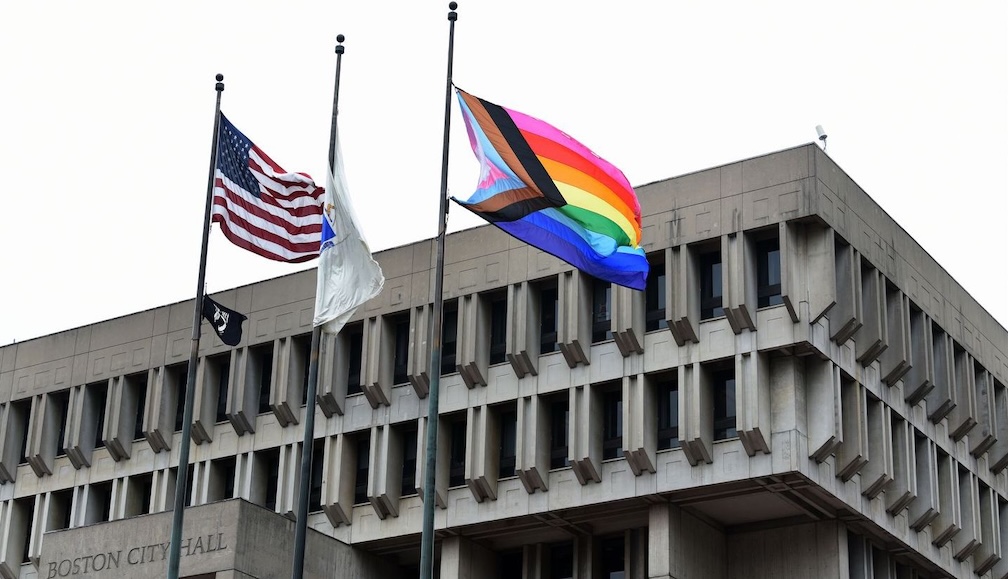
The Trust Act was signed into law by then-Mayor Martin J. Walsh, who consistently championed Boston’s sanctuary status throughout his tenure. His administration, along with subsequent leadership, has maintained a strong commitment to these policies, often speaking out in defense of immigrant communities and advocating for their rights. The city’s official position emphasizes that all Boston residents, regardless of their background or immigration status, are integral to the city’s economic, social, and cultural fabric.

City Hall’s commitment extends beyond mere legislation; it manifests in various programs and initiatives designed to support immigrant integration, provide legal assistance, and offer resources that help newcomers thrive. This steadfast support from municipal leaders reinforces the message that Boston is a city that values diversity and inclusivity. For travelers, understanding this commitment paints a picture of a city that not only welcomes visitors from around the globe but also embraces its diverse resident population, creating a multicultural tapestry that is fascinating to explore. It underpins the welcoming atmosphere you’ll encounter in many of Boston’s vibrant neighborhoods.
Why a Traveler Might Care: Navigating Boston as a Sanctuary City
While the concept of a sanctuary city might seem like a purely political or social issue, it has tangible effects that shape the experience of visiting a destination. For travelers, understanding Boston’s sanctuary status provides context for its vibrant cultural scene, its strong community ties, and its overall ethos. It’s an essential piece of information for anyone looking to truly connect with the city beyond its most famous attractions.
Cultural Diversity and Community Vibrancy
One of the most immediate and palpable benefits of Boston’s sanctuary policies for travelers is the profound enrichment of its cultural landscape. By fostering an environment where immigrant communities feel secure and valued, the city enables these groups to flourish openly. This translates into a remarkable array of authentic international cuisines, from the bustling markets of East Boston offering Latin American flavors to the aromatic spices of Chinatown. Travelers can explore a wider spectrum of cultural festivals, art exhibitions, and community events that celebrate global traditions right in the heart of Massachusetts. This continuous infusion of diverse perspectives, languages, and customs makes Boston a much more dynamic and interesting place to visit, offering experiences that go far beyond standard tourist fare.
Public Safety and Trust in Local Authorities
Ironically, sanctuary policies are often framed as a public safety measure. The argument is that when all residents, including undocumented immigrants, feel secure interacting with local law enforcement, they are more likely to report crimes, act as witnesses, and cooperate with investigations. This increased trust can lead to a more effective police force and, consequently, a safer community for everyone—residents and visitors alike. A city where trust between the community and police is strong can minimize crime and resolve issues more efficiently. For a traveler, this means visiting a city where the rule of law is respected and where the community is actively engaged in maintaining a safe environment. While no city is entirely crime-free, Boston’s approach aims to create an inclusive atmosphere where community well-being is prioritized.
Resource Accessibility and Support Systems
The sanctuary city designation often goes hand-in-hand with robust support systems for immigrant populations. These include access to legal aid services, educational programs, and social services, which contribute to the overall stability and integration of these communities. A well-integrated and supported immigrant population is generally a more stable and contributing part of the city. While travelers may not directly interact with these services, their existence helps to create a more equitable and functional urban environment. This underlying stability contributes to the overall positive atmosphere of the city, making it a more pleasant and predictable place to navigate. Boston’s dedication to supporting all its residents ultimately enhances its reputation as a welcoming and well-managed global city.
Exploring Boston’s Diverse Neighborhoods and Welcoming Spirit
Boston’s sanctuary city status is not just a policy; it’s a living, breathing aspect of its urban fabric, most vividly experienced in its diverse neighborhoods. For the traveler eager to move beyond the Freedom Trail and truly immerse themselves in the city’s contemporary character, exploring these multicultural enclaves offers an authentic glimpse into the soul of modern Boston.
Immersive Cultural Experiences
The city’s inclusive policies have allowed various immigrant groups to establish thriving communities, each contributing distinct flavors to the Boston experience. For example, a visit to East Boston offers an authentic immersion into Latin American culture, with its bustling Salvadoran bakeries, Peruvian restaurants, and vibrant murals. Stroll through Chinatown, and you’ll find a lively district brimming with Asian-American heritage, from dim sum parlors to traditional herbal medicine shops. The historic North End, while predominantly Italian-American, also tells a story of immigration that has shaped Boston for centuries. These neighborhoods are not just residential areas; they are living museums of cultural exchange, made richer by the city’s commitment to welcoming newcomers.
Festivals, Cuisine, and Community Events
Boston’s calendar is dotted with numerous cultural festivals and community events that showcase its multicultural identity. From Lunar New Year parades in Chinatown to lively Latin American festivals in East Boston and vibrant Caribbean carnivals, these celebrations offer travelers a unique opportunity to witness and participate in global traditions. Food, of course, plays a central role. Dining in Boston means savoring authentic dishes from around the world, often prepared by first-generation chefs bringing their culinary heritage to the forefront. These experiences are direct beneficiaries of a city that champions diversity, providing fertile ground for cultural expression and community building.
Beyond the Historical Sites: A Modern Melting Pot
While Boston’s historical significance is undeniable, its sanctuary status encourages travelers to look beyond the colonial past and appreciate its identity as a dynamic, modern melting pot. The city’s current vibrancy is inextricably linked to its diverse populations, who contribute to its innovation, economy, and social fabric. Engaging with Boston as a sanctuary city means recognizing the ongoing story of immigration that continues to shape its present and future. It’s about understanding that the city’s welcoming policies help create the very communities and cultural offerings that make it such a fascinating and enriching place to visit today. For an informed traveler, exploring this aspect of Boston adds a profound layer of appreciation to their journey.
In conclusion, yes, Boston is indeed a sanctuary city. This designation is a cornerstone of its civic identity, influencing everything from local governance to the cultural tapestry that makes the city such a compelling travel destination. For those planning a trip to the capital of Massachusetts, understanding this aspect of Boston provides valuable context, allowing for a deeper appreciation of its diverse communities, vibrant neighborhoods, and the inclusive spirit that defines this truly unique American city. Embrace the opportunity to explore Boston with an informed perspective, and discover a destination that celebrates its history while actively building a welcoming future for all.
LifeOutOfTheBox is a participant in the Amazon Services LLC Associates Program, an affiliate advertising program designed to provide a means for sites to earn advertising fees by advertising and linking to Amazon.com. Amazon, the Amazon logo, AmazonSupply, and the AmazonSupply logo are trademarks of Amazon.com, Inc. or its affiliates. As an Amazon Associate we earn affiliate commissions from qualifying purchases.