
The question of whether Boston University (BU) holds an “Ivy League” designation is a common one, frequently pondered by prospective students, curious travelers, and those exploring the rich academic tapestry of Boston. While Boston University undeniably stands as a globally renowned institution of higher learning, the answer to this direct question is a straightforward “no.” However, dismissing Boston University purely on this basis would be a disservice to its profound academic excellence, vibrant campus life, and significant contributions to research and innovation. This article will delve into the true meaning of the Ivy League, illuminate the impressive stature of Boston University, and explore why Boston, Massachusetts, remains an unparalleled destination for both academic pursuits and unforgettable travel experiences.
Understanding the Ivy League: More Than Just Academics
The term “Ivy League” often evokes images of ancient stone buildings, vast endowments, and exceptionally selective admissions. While these associations are largely accurate, the official definition is much more specific and, perhaps surprisingly, rooted in athletics.
The Origins and Prestige of the Ivy League
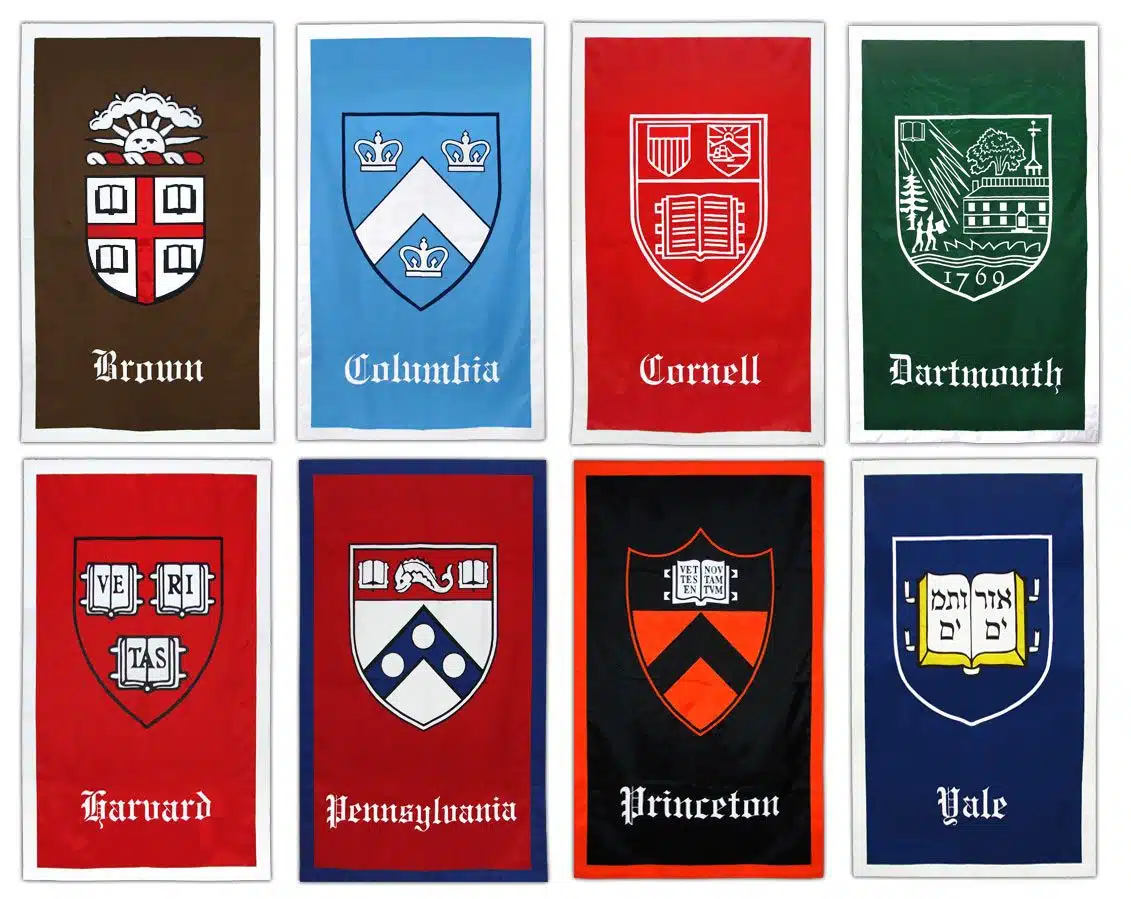
The Ivy League is an athletic conference composed of eight private universities in the Northeastern United States. These institutions are: Brown University, Columbia University, Cornell University, Dartmouth College, Harvard University, Princeton University, the University of Pennsylvania, and Yale University. The term itself began informally in the 19th century and was formalized as an athletic conference in 1954.
What ties these institutions together, beyond their sporting rivalries, is a shared legacy of academic excellence, rigorous research, and a commitment to a liberal arts education. They are among the oldest and most prestigious universities in the United States, boasting influential alumni networks, significant contributions to various fields, and, consequently, extremely low acceptance rates. Their historical significance, combined with their ongoing academic prowess, has solidified their reputation as top-tier global universities. Attending an Ivy League school often implies a specific level of academic rigor and a unique set of opportunities, drawing students from every corner of the world to cities like Cambridge (home to Harvard University), New York City (for Columbia University), Philadelphia (for University of Pennsylvania), New Haven (for Yale University), and Providence (for Brown University).
Beyond the Traditional Definition: “Public Ivies” and “New Ivies”
The prestige associated with the Ivy League has led to the coining of terms like “Public Ivies” and “New Ivies.” “Public Ivies” refers to state-assisted universities that are considered to provide an Ivy League-level education at a public school price. Examples often include the University of California, Berkeley and the University of Michigan.
“New Ivies” is a more contemporary term, often used by publications to highlight newer institutions or those not historically recognized alongside the original eight, which nonetheless offer comparable academic rigor, selectivity, and a competitive edge in today’s global landscape. These schools often stand out for their innovative programs, state-of-the-art research facilities, and dynamic campus environments. While Boston University is not typically included in the “New Ivies” lists as it’s been a powerhouse for a long time, its profile certainly aligns with the high standards and global recognition that these non-Ivy institutions strive for. It’s important to remember that a university’s quality and impact are not solely defined by its Ivy League status but by its contributions to education, research, and society.
Boston University: A Global Hub of Learning and Innovation
Located in the heart of Boston, Boston University is a leading private research university with a truly global footprint. Its commitment to excellence in education, research, and public service has earned it a stellar reputation worldwide.
An Overview of Boston University’s Stature
Founded in 1839, Boston University has grown into one of the largest independent universities in the United States. It boasts a sprawling urban campus along the Charles River, seamlessly integrated into the vibrant city of Boston. With over 34,000 students from more than 130 countries, Boston University fosters a diverse and intellectually stimulating environment. Its classification as a “Research 1” university by the Carnegie Classification of Institutions of Higher Education underscores its very high research activity, putting it in the company of the most distinguished universities globally, including the Ivy League institutions.
The university’s location is a significant advantage, placing students and faculty at the nexus of innovation, culture, and history. The academic setting benefits from the proximity to numerous industries, world-class hospitals, and other top universities, creating unparalleled opportunities for internships, collaborations, and post-graduate careers. For visitors, this means that touring the campus can be easily combined with exploring Boston’s iconic landmarks and attractions, offering a rich blend of educational insights and tourist experiences.
Academic Prowess and Diverse Programs
Boston University is renowned for its comprehensive array of academic programs, spanning 17 schools and colleges. These include acclaimed programs in communication, engineering, business, law, medicine, and the performing arts, among many others. The College of Communication at Boston University, for instance, is consistently ranked among the best in the nation, attracting aspiring journalists, filmmakers, and public relations professionals. Similarly, the Questrom School of Business is celebrated for its innovative curriculum and strong ties to the business world.
The university’s faculty includes Nobel Laureates, Pulitzer Prize winners, and Guggenheim Fellows, contributing to a vibrant intellectual culture that encourages critical thinking, creativity, and interdisciplinary collaboration. Admissions to Boston University are highly competitive, reflecting the institution’s strong reputation and the quality of its student body. Graduates go on to achieve success in diverse fields, forming a powerful global alumni network that speaks volumes about the university’s impact and the quality of its education. This strong academic foundation, coupled with a dynamic urban environment, offers a lifestyle that is both intellectually challenging and culturally enriching.
Boston’s Academic Landscape: A City of Intellectual Giants
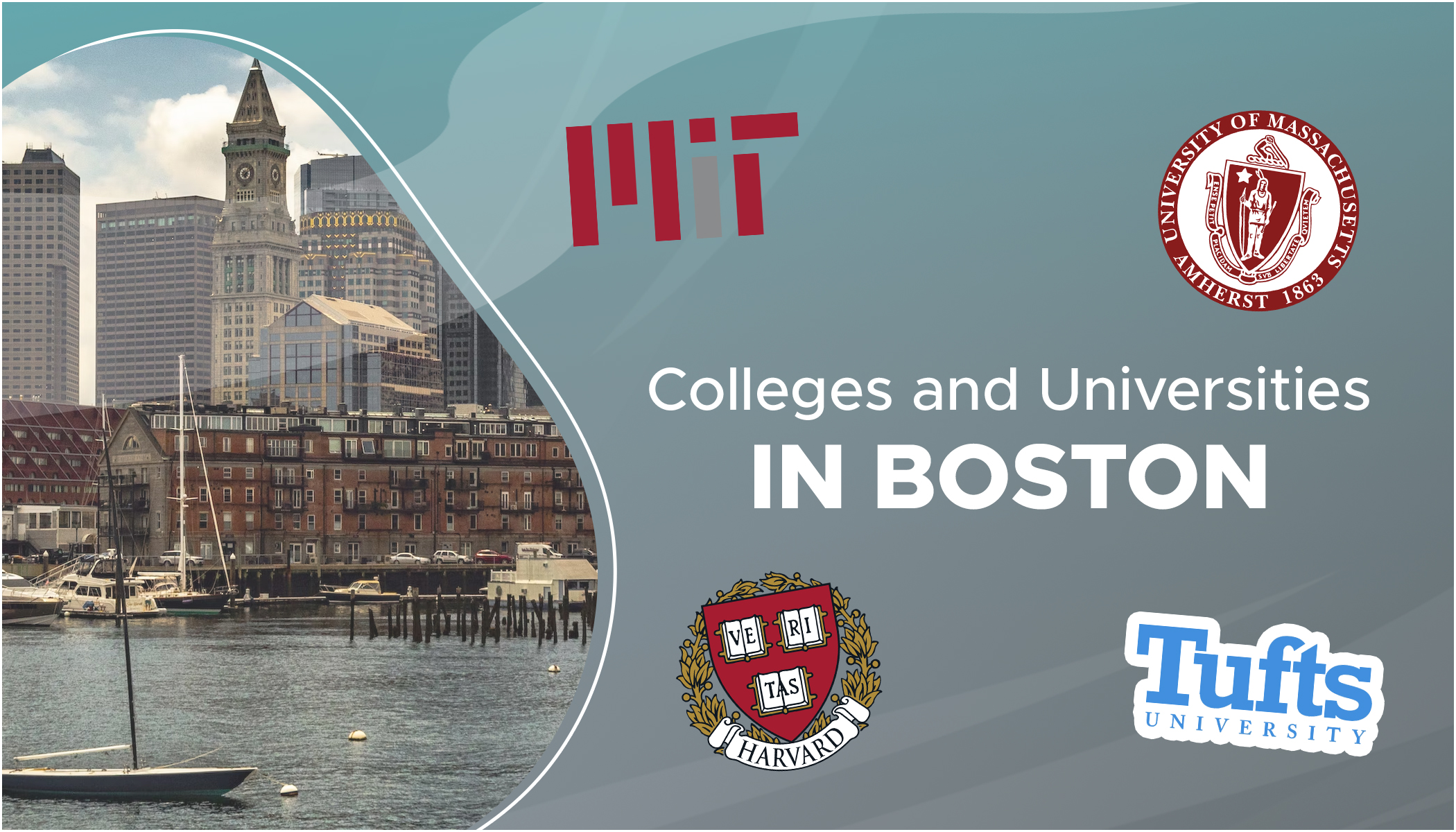
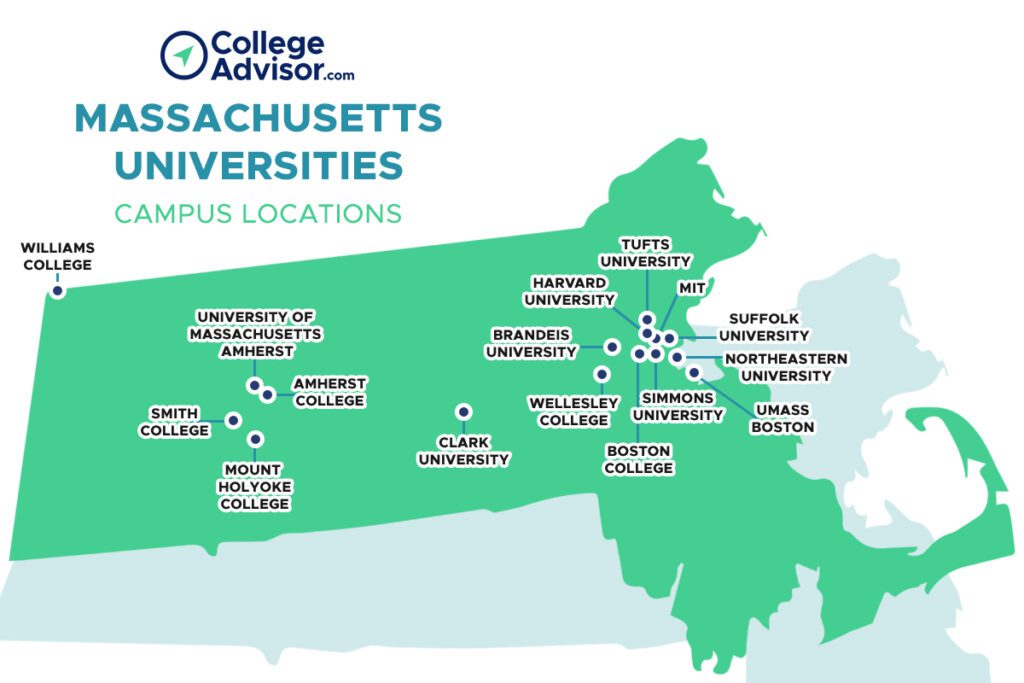
Boston is arguably the academic capital of the United States, home to a remarkable concentration of colleges and universities. This creates an unparalleled environment for learning, research, and cultural exchange.
Comparing BU to Ivy League Institutions
While Boston University is not a member of the Ivy League athletic conference, it consistently ranks alongside or above many Ivy League institutions in various global university rankings. These rankings typically consider factors like academic reputation, employer reputation, faculty-student ratio, research citations, and international faculty and students. Boston University’s impressive performance in these metrics firmly establishes it as a top-tier global university, rivaling the Ivies in terms of academic rigor, research output, and the quality of its educational experience.
The key distinction, as clarified earlier, is purely administrative and historical: the Ivy League is an athletic conference. Academically, Boston University stands toe-to-toe with the best. For students seeking a world-class education with extensive research opportunities, a vibrant urban campus, and a diverse student body, Boston University offers an experience that is every bit as enriching and impactful as that found within the Ivy League. Its reputation for innovation and leadership in numerous fields ensures that a degree from Boston University is highly valued globally.
The Student and Visitor Experience in Boston
For students, the city of Boston is an extension of the classroom and a vibrant playground. Beyond the academic pursuits, the city offers an extraordinary lifestyle. Students can explore historic neighborhoods, catch a game at Fenway Park, enjoy diverse culinary experiences in the North End, or immerse themselves in art and culture at the Museum of Fine Arts. The presence of so many universities (Harvard University, Massachusetts Institute of Technology (MIT), Northeastern University, and many more) creates a unique intellectual energy and a strong sense of community for young people.
For visitors – whether prospective students and their families, alumni returning for homecoming, or tourists drawn to Boston’s charm – the city offers a plethora of attractions. Exploring the Freedom Trail, strolling through Boston Common and the Public Garden, or enjoying a fresh seafood dinner at Quincy Market are just a few ways to soak in the local culture and history. The accommodation options in and around Boston University’s campus are diverse, catering to various budgets and preferences, from luxury hotels to more budget-friendly stays, ensuring a comfortable experience for all.
Planning Your Visit to Boston’s Educational Hubs
Visiting Boston provides an excellent opportunity to experience not only the vibrant academic atmosphere but also the city’s rich history and modern attractions. For anyone considering a trip, especially to explore Boston University or other educational institutions, planning your accommodation and itinerary is key.
Top Accommodation Options Near Boston University
Given Boston University’s central location, there are numerous hotels and accommodation options nearby, making it convenient for campus tours, parent visits, or attending university events. For a luxurious and convenient stay, the Hotel Commonwealth in Kenmore Square is a superb choice, offering elegant rooms and easy access to both the university and Fenway Park. Another excellent option in the upscale Back Bay area, just a short ride from campus, is the Boston Marriott Copley Place, which provides extensive amenities and stunning city views.
For those seeking boutique charm, The Lenox Hotel in Back Bay offers historic elegance and personalized service. If you prefer self-catering or require a longer stay, serviced apartments in areas like Downtown or the Seaport District (such as the Residence Inn by Marriott Boston Downtown/Seaport) can provide more space and flexibility. Budget-conscious travelers can find reputable hotel chains slightly further out or explore options in neighboring Cambridge, all easily accessible via Boston’s efficient public transportation system, the MBTA, affectionately known as “the T.” Regardless of your choice, booking in advance is always recommended, especially during peak university visitation periods or major city events.
Exploring Boston’s Rich History and Modern Attractions
A visit to Boston offers a captivating journey through American history, blended seamlessly with contemporary urban life. Beyond the academic campuses, travelers can walk the Freedom Trail, a 2.5-mile red-lined path that leads to 16 historically significant sites, including the Old State House, Faneuil Hall, and Paul Revere’s House in the charming North End.
For art enthusiasts, the Museum of Fine Arts and the Isabella Stewart Gardner Museum offer world-class collections. Families will enjoy the interactive exhibits at the New England Aquarium or a swan boat ride in the Public Garden. Don’t forget to explore the picturesque streets of Beacon Hill with its gas lamps and brick sidewalks, or cross the Charles River to visit Harvard University and MIT in Cambridge. From fine dining experiences in the Seaport District to discovering hidden gems in local markets, Boston promises a travel experience rich in culture, history, and modern appeal. The city’s walkability and excellent public transport mean that a car is often unnecessary, allowing visitors to fully immerse themselves in the urban landscape and enjoy a stress-free exploration of its many facets.
In conclusion, while Boston University is not part of the Ivy League athletic conference, its academic standing, research capabilities, and global reputation firmly place it among the world’s elite universities. For prospective students, families, or travelers, Boston University represents a beacon of educational excellence within a city that is itself a premier destination for history, culture, and innovation. A trip to Boston is an opportunity not just to visit an outstanding university but to experience a vibrant lifestyle and explore a landmark city that consistently ranks among the best places to visit in the United States.
LifeOutOfTheBox is a participant in the Amazon Services LLC Associates Program, an affiliate advertising program designed to provide a means for sites to earn advertising fees by advertising and linking to Amazon.com. Amazon, the Amazon logo, AmazonSupply, and the AmazonSupply logo are trademarks of Amazon.com, Inc. or its affiliates. As an Amazon Associate we earn affiliate commissions from qualifying purchases.