
Texas, often known as the Lone Star State, conjures images of vast open spaces, vibrant cities, and a rich tapestry of history and culture. But precisely where is Texas located, and why does its geographical position make it such a compelling destination for travelers seeking diverse experiences, unique accommodations, and unforgettable adventures? This article delves into the precise whereabouts of Texas, exploring its immense landscape, key cities, and how its location influences everything from its thriving tourism industry to the unique lifestyles it offers. From its sun-kissed coasts to its rugged mountains, Texas’s position at the crossroads of the United States shapes its identity as a truly extraordinary place to visit, live, and explore.
Unveiling the Geographic Heart of Texas
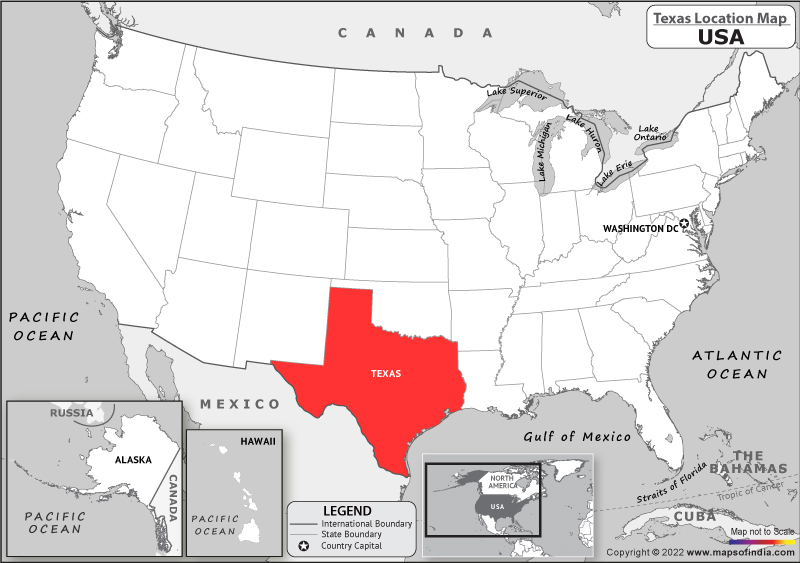
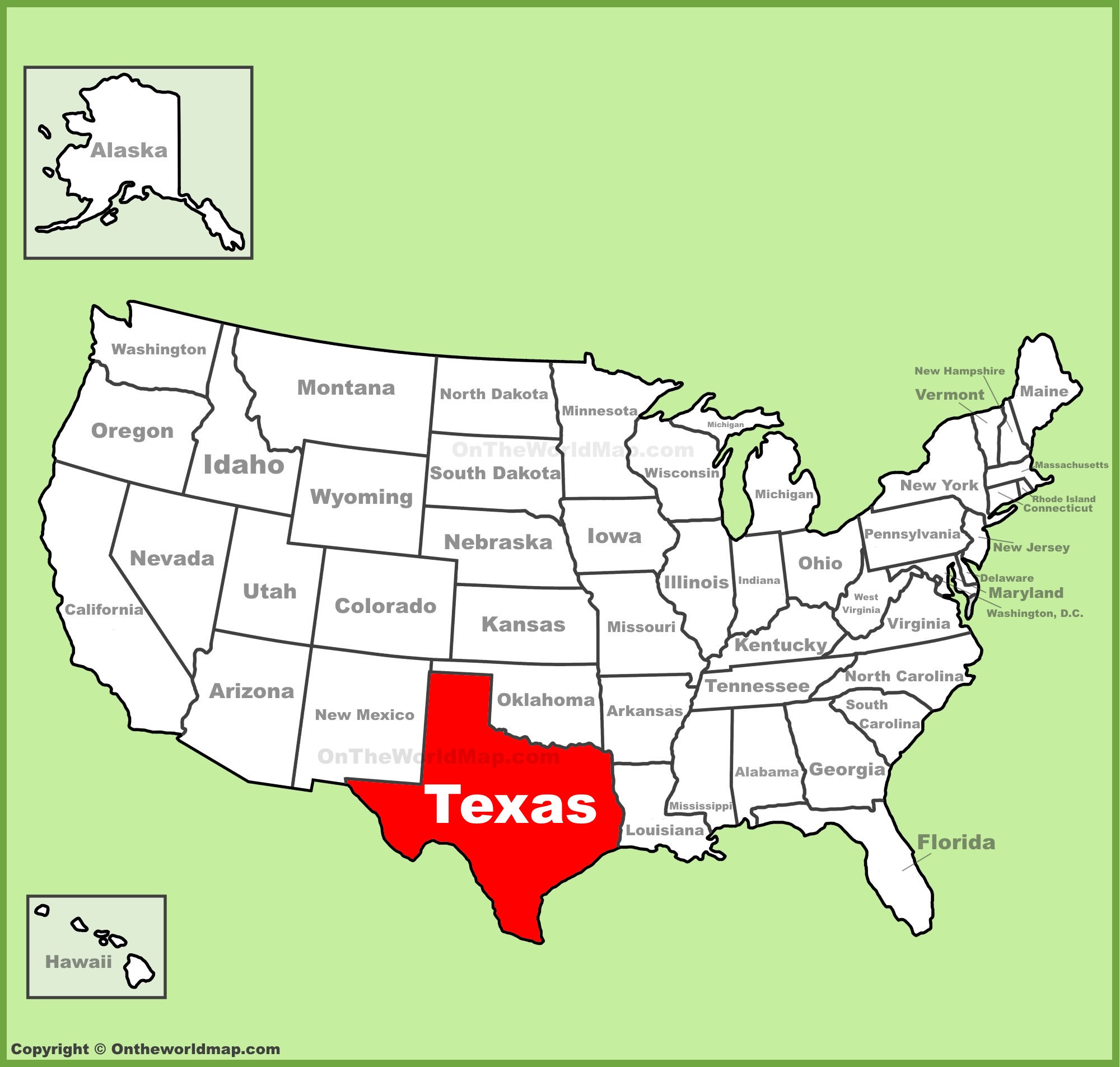
Texas proudly holds the title of the second-largest state in the United States, both by area and population. Its sheer scale means that its “location” isn’t just a single point on a map but rather a dynamic region encompassing diverse climates, topographies, and cultural influences. Situated in the South Central region of the United States, Texas serves as a significant gateway between the country’s interior and its southern border.
A Colossal Canvas: Borders and Neighboring States
The geographical footprint of Texas is truly massive, spanning over 268,000 square miles. This expansive territory shares borders with several other states and an international neighbor, contributing to its unique character and strategic importance. To its west, Texas shares a long and often contentious border with Mexico, stretching for more than 1,200 miles along the Rio Grande river. This shared frontier has profoundly influenced Texas’s culture, cuisine, and demographics, making it a vibrant fusion of American and Mexican traditions.
Moving northward, Texas borders New Mexico to the west, Oklahoma to the north, and Arkansas and Louisiana to the east. Each of these borders brings a distinct flavor to Texas. The arid landscapes shared with New Mexico transition into the cattle ranches and oilfields bordering Oklahoma. To the east, the humid, pine-covered forests align with the Southern charm of Arkansas and Louisiana, evident in the bayou-like areas of East Texas.
Perhaps one of the most defining geographical features of Texas is its extensive coastline along the Gulf of Mexico to the southeast. This lengthy shoreline, approximately 367 miles long, is home to bustling port cities, tranquil beaches, and vital ecosystems, offering a completely different environment from the inland plains and deserts. This diverse array of bordering regions and coastlines firmly establishes Texas as a crossroads, both geographically and culturally.
Diverse Topography: From Coastlines to Canyons
The immense size of Texas means it encompasses a remarkable variety of landscapes, a key factor for travelers looking for diverse attractions. Geographically, the state is often divided into four major regions, each with its own distinct characteristics:
- Gulf Coast Plains: Stretching along the Gulf of Mexico, this region is characterized by flat plains, marshes, barrier islands, and fertile farmlands. It’s home to major cities like Houston and Galveston, offering coastal resorts, vibrant port activities, and crucial wildlife habitats.
- Interior Lowlands: Located west of the Gulf Coast Plains, this area features rolling prairies, forests, and river valleys. Cities like Dallas and Fort Worth are situated here, representing the heart of North Texas’s economic and cultural dynamism.
- Great Plains: Covering much of the panhandle and central Texas, this region is defined by flat, arid plains, dramatic escarpments, and canyons. The Texas Hill Country, with its rolling hills, spring-fed rivers, and wineries, is a beloved part of this region, as is the stunning Palo Duro Canyon State Park, the second-largest canyon in the United States.
- Basin and Range Province: Found in far West Texas, this rugged, mountainous desert region is perhaps the least populated but most dramatically beautiful. It features towering peaks, deep canyons, and vast desert landscapes, home to spectacular national parks such as Big Bend National Park and Guadalupe Mountains National Park, which boasts the highest point in Texas.
This astonishing geographical diversity means that a single trip to Texas can encompass everything from beach holidays and urban adventures to mountain hiking and desert exploration.
Texas as a Premier Travel Destination
The strategic location and varied topography of Texas naturally position it as a top-tier travel destination. Its blend of bustling metropolitan areas, historical treasures, and natural wonders ensures that every traveler, regardless of their interests, can find a fulfilling experience. The state’s appeal is bolstered by a robust tourism infrastructure, offering everything from world-class attractions to authentic local experiences.
Major Cities and Their Unique Allures
Texas is home to several of the largest and fastest-growing cities in the United States, each presenting its own distinct character and attractions. These urban centers serve as vital hubs for culture, commerce, and tourism, drawing millions of visitors annually.
- Houston: As the largest city in Texas and the fourth largest in the United States, Houston is a global city renowned for its energy industry, diverse population, and significant contributions to space exploration. Travelers flock to Space Center Houston, the official visitor center of NASA’s Johnson Space Center, for an out-of-this-world experience. The city also boasts a thriving Museum District, a vibrant culinary scene, and a strong performing arts presence.
- Dallas & Fort Worth: These two distinct cities, often referred to as the “Metroplex,” offer a compelling contrast. Dallas is a modern, cosmopolitan hub known for its impressive skyline, upscale shopping, and a booming business sector. Key attractions include The Sixth Floor Museum at Dealey Plaza and the expansive Dallas Arts District. Just west, Fort Worth embraces its Western heritage with the historic Stockyards National Historic District, featuring daily cattle drives and authentic rodeos.
- Austin: The capital city of Texas, Austin, proudly carries the moniker “Live Music Capital of the World.” It’s a progressive, vibrant city known for its eclectic music scene, innovative tech industry, and a strong emphasis on outdoor activities. Visitors can explore the Texas State Capitol, swim in Barton Springs Pool, or catch a live show on 6th Street.
- San Antonio: Steeped in history and rich with culture, San Antonio is one of the oldest cities in Texas and a top tourist draw. It’s famously home to The Alamo, a pivotal site in the Texas Revolution, and the picturesque San Antonio River Walk, a network of walkways along the San Antonio River lined with shops, restaurants, and hotels. The city also features the San Antonio Missions National Historical Park, a UNESCO World Heritage Site.
Other significant cities include El Paso, offering a unique blend of American and Mexican culture at the foot of the Franklin Mountains; Galveston, a historic island city with Victorian architecture and sandy beaches; Corpus Christi, a coastal city known for its naval air station and fishing; and Waco, growing in popularity for its Magnolia Market at the Silos.
Unforgettable Attractions and Experiences
Beyond its major cities, Texas is brimming with attractions and experiences that cater to every type of traveler. The state’s diverse geography and history contribute to an endless array of activities, from thrilling theme parks to tranquil natural retreats.
For family fun, Texas offers exciting options like Six Flags Over Texas in Arlington, SeaWorld San Antonio, and the various Schlitterbahn Waterpark locations, including the original in New Braunfels. History buffs can explore the many museums dedicated to pioneers, oil, and the space race, or walk the grounds of historical plantations and battlefields.
Nature lovers are spoiled for choice. The vastness of Big Bend National Park provides unparalleled opportunities for hiking, stargazing, and river trips along the Rio Grande. The serene beauty of the Texas Hill Country invites visitors to explore its scenic drives, swim in its clear rivers, and discover its burgeoning wineries and distilleries. Along the coast, destinations like South Padre Island and Mustang Island State Park offer pristine beaches, birdwatching, and watersports.
Cultural experiences abound, from attending a live music performance in Austin to savoring authentic Tex-Mex cuisine and world-famous barbecue across the state. The distinct local cultures, whether it’s the German heritage of the Hill Country towns or the cowboy traditions of West Texas, provide rich insights into the state’s multifaceted identity.
Accommodation and Lifestyle in the Lone Star State
Texas’s geographical diversity and widespread appeal as a travel destination are matched by its extensive range of accommodation options and lifestyle experiences. Whether planning a luxurious getaway, a budget-friendly adventure, a family vacation, or a crucial business trip, Texas offers solutions tailored to every need and preference.
Diverse Stays for Every Traveler
The Lone Star State understands that a comfortable and fitting place to stay is paramount to a successful trip. Its accommodation landscape is incredibly varied, from opulent resorts in its major cities to rustic cabins in its national parks, ensuring visitors can find exactly what they’re looking for.
Luxury travelers will discover an abundance of high-end hotels and resorts offering exquisite amenities and unparalleled service. In Austin, the Four Seasons Austin provides lakeside elegance, while The Post Oak Hotel at Uptown Houston defines sophistication with its private helipad and extensive art collection. In San Antonio, The Hotel Emma, a former 19th-century brewhouse, offers a unique blend of industrial chic and refined luxury. Many of these upscale properties feature spacious suites, gourmet dining, state-of-the-art fitness centers, and rejuvenating spa services.
For those seeking a more boutique or unique experience, Texas offers charming guesthouses, historic bed-and-breakfasts, and independently owned hotels, particularly in its smaller towns and the Hill Country. These often provide a more personalized touch, highlighting local culture and cuisine.
Budget-conscious travelers also have plenty of choices, from reliable motel chains and extended-stay apartments to vacation rentals and Airbnb options across the state. RV parks and campgrounds are widely available for those who prefer to travel with their own accommodations or connect with nature, particularly near state and national parks. For longer stays, fully furnished apartments and villas are increasingly popular, offering the comforts of home for those relocating or enjoying extended vacations. Platforms for booking and comparing these accommodations are readily available, often featuring reviews that help travelers make informed decisions based on their needs and budget.
Tailoring Your Texas Lifestyle Experience
Texas’s location and diverse offerings mean it caters to a wide array of travel lifestyles. Whether your ideal trip involves indulgence, adventure, family fun, or professional pursuits, the state provides the perfect backdrop.
Luxury Travel: Beyond lavish hotels, luxury in Texas can mean private guided tours of historic ranches, exclusive culinary experiences in Dallas or Houston, hot air balloon rides over the Hill Country, or chartered fishing expeditions in the Gulf of Mexico. The state’s upscale shopping districts, world-class golf courses, and vibrant arts scenes in cities like Dallas and Houston further enhance the luxury experience.
Budget Travel: Exploring Texas on a budget is entirely feasible. Free attractions like the San Antonio River Walk, many state parks (with minimal entrance fees), and the historical sites of San Antonio Missions National Historical Park offer rich experiences without breaking the bank. Delicious and affordable Tex-Mex and BBQ joints are plentiful, allowing travelers to savor local flavors without a hefty price tag.
Family Trips: Texas is an excellent destination for families. Its numerous theme parks, zoos, children’s museums, and outdoor recreation areas provide endless entertainment. Coastal towns like Galveston and South Padre Island are ideal for beach vacations, while dude ranches offer a unique Western experience for all ages.
Business Stays: With major economic hubs in Houston, Dallas, and Austin, Texas is a significant destination for business travelers. These cities offer state-of-the-art convention centers, a wide range of business-friendly hotels, and convenient access to major airports. Many hotels provide amenities like conference facilities, business centers, and executive lounges, catering to the needs of corporate visitors.
Planning Your Texas Adventure: Tips and Considerations
Embarking on a Texas adventure requires a bit of planning to fully appreciate its scale and diversity. Understanding the best times to visit and how to navigate the vast state, along with embracing its rich local culture, will ensure a memorable journey.
Best Time to Visit and Getting Around
The best time to visit Texas largely depends on which part of the state you plan to explore and what activities you envision. Generally, spring (March to May) and fall (September to November) offer the most pleasant weather across the state, with milder temperatures ideal for outdoor activities and city exploration. Spring brings wildflowers, most notably the iconic bluebonnets, to the Hill Country. Summers (June to August) can be intensely hot, especially in inland areas and West Texas, making coastal regions or destinations with ample air conditioning more appealing. Winters (December to February) are typically mild in the south but can bring cold snaps and occasional ice storms to the northern parts of the state.
Given its size, personal transportation is often the most practical way to get around Texas. Renting a car allows for the flexibility to explore its vast landscapes, small towns, and scenic routes at your own pace. The state has an extensive network of well-maintained highways. For air travel, Texas is served by several major international airports, making it easily accessible from anywhere in the world. Key airports include DFW International Airport (serving Dallas and Fort Worth), George Bush Intercontinental Airport in Houston, Austin-Bergstrom International Airport, and San Antonio International Airport.

Embracing Local Culture and Cuisine
One of the most rewarding aspects of visiting Texas is immersing oneself in its distinctive local culture and world-renowned cuisine. Texas culture is a proud blend of Southern hospitality, Western grit, and a strong Mexican influence. Visitors should be prepared for friendly encounters, a relaxed pace in many areas, and a deep sense of pride among Texans.
Food is a cornerstone of the Texas experience. Tex-Mex is not just a style of food; it’s a way of life, with dishes like fajitas, enchiladas, and breakfast tacos being staples. Texas barbecue is legendary, characterized by slow-smoked beef brisket, ribs, and sausage, often served with classic sides like potato salad and coleslaw. Each region, and even individual pitmasters, has its own unique style, making a barbecue trail an adventure in itself. Don’t forget to try chili con carne, the official state dish, and chicken-fried steak, another beloved comfort food.
Beyond food, engage with local activities like attending a high school football game, exploring a historic dance hall in the Hill Country, or visiting one of the many local festivals celebrating everything from music and art to chili and wildflowers. These experiences offer genuine insights into the heart and soul of the Lone Star State, leaving travelers with lasting memories of its vibrant people and traditions.
In conclusion, the location of Texas is far more than just coordinates on a map; it’s the foundation of its diverse geography, rich history, vibrant culture, and unparalleled opportunities for travel and adventure. From its international borders to its Gulf Coast beaches, and from its towering city skylines to its rugged desert mountains, Texas offers a continent of experiences within a single state, beckoning travelers to discover its unique allure.
LifeOutOfTheBox is a participant in the Amazon Services LLC Associates Program, an affiliate advertising program designed to provide a means for sites to earn advertising fees by advertising and linking to Amazon.com. Amazon, the Amazon logo, AmazonSupply, and the AmazonSupply logo are trademarks of Amazon.com, Inc. or its affiliates. As an Amazon Associate we earn affiliate commissions from qualifying purchases.