
The Lone Star State, a vast expanse of diverse landscapes and vibrant cultures, presents a captivating enigma for many visitors and even some residents: what exactly is “Texas Time”? This isn’t merely a question about time zones, although that’s part of the answer. Instead, “Texas Time” evokes a unique rhythm, a distinct pace of life that sets the state apart. It’s a feeling woven into the fabric of its sprawling cities, its sun-drenched plains, and its historic towns. Whether you’re planning a luxury escape to a sprawling resort, a budget-friendly adventure exploring its iconic landmarks, or a family trip filled with unforgettable experiences, understanding “Texas Time” is key to unlocking the true essence of this remarkable destination.
This article will delve into the multifaceted concept of “Texas Time,” exploring its temporal aspects, the influence of its geography and history, and how it manifests in the state’s vibrant tourism, accommodation, and lifestyle offerings. Prepare to discover a pace of life that is both unhurried and undeniably energetic, a true reflection of the spirit of Texas.
The Clockwork of Texas: Navigating Time Zones and Daylight Saving
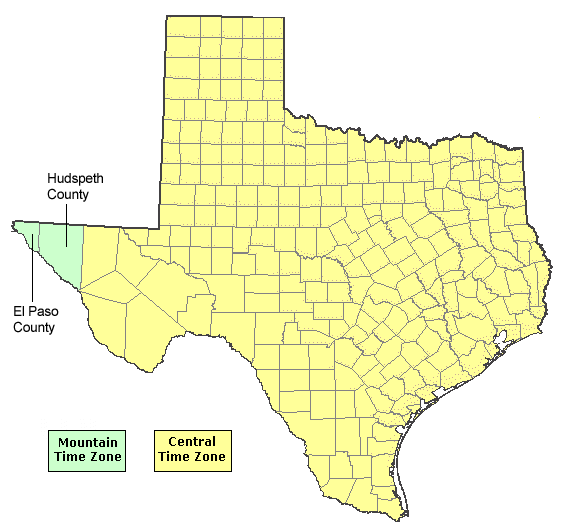
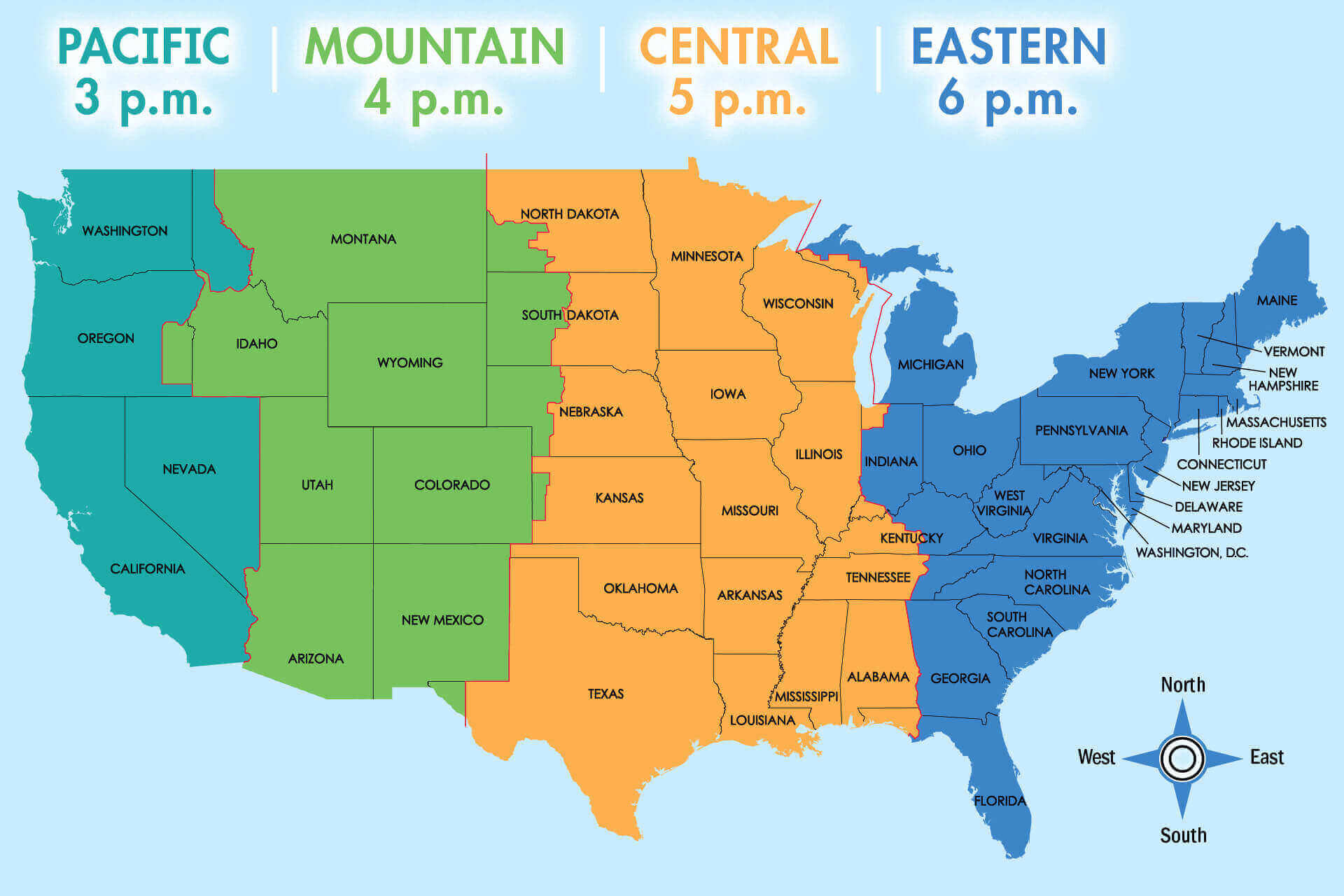
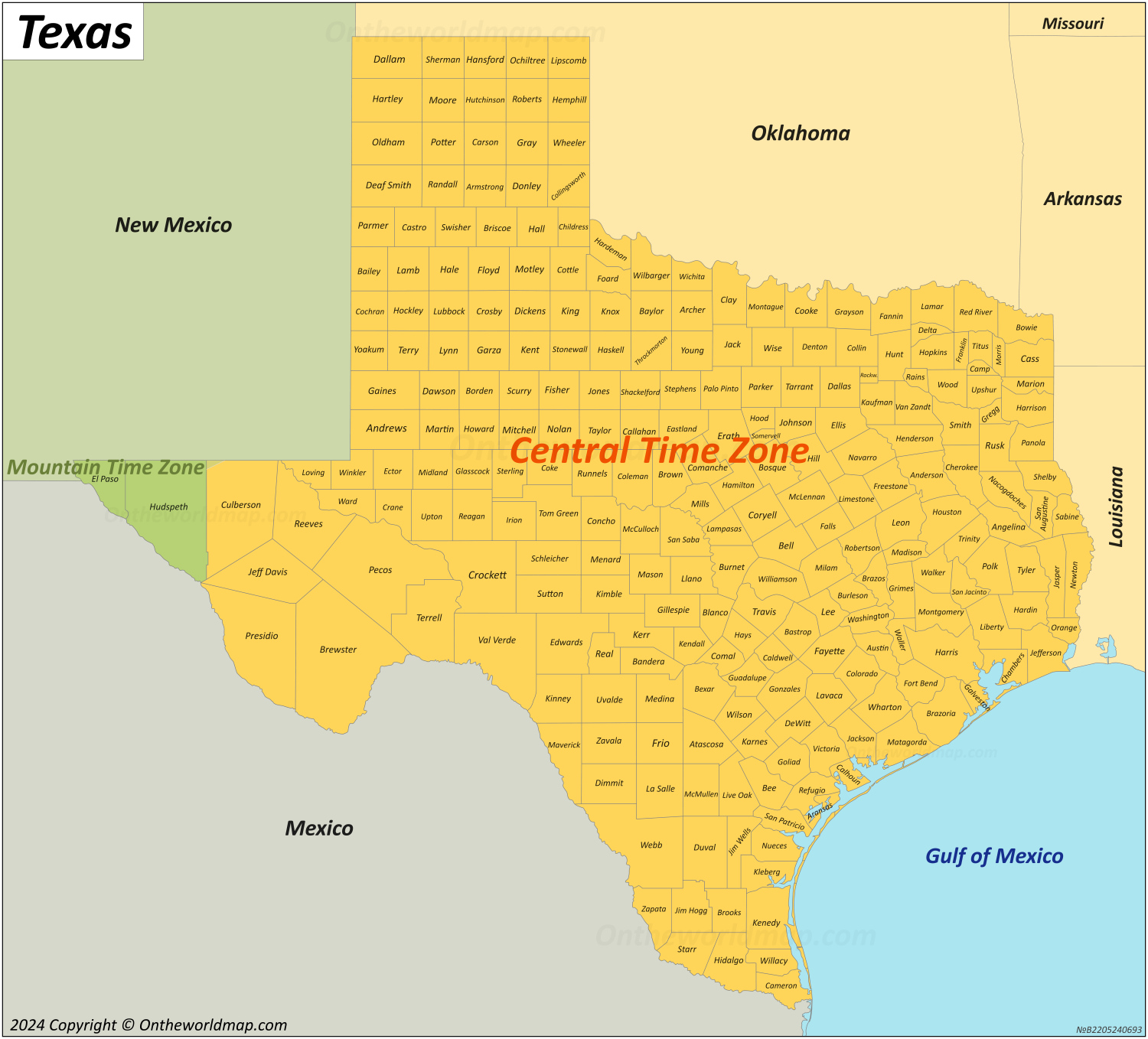
At its most literal level, “Texas Time” refers to the time zones that govern the state. The vast majority of Texas observes Central Time, which is UTC-6 during standard time and UTC-5 during Daylight Saving Time. This is shared with much of the central United States. However, a small portion of the westernmost part of the state, particularly around the El Paso area, observes Mountain Time, which is UTC-7 during standard time and UTC-6 during Daylight Saving Time. This geographical anomaly can be a point of confusion for travelers, especially those crossing state lines or dealing with communications that rely on precise timing.
The observance of Daylight Saving Time across most of the state means that clocks spring forward in March and fall back in November. This practice, while common in the United States, adds another layer to the temporal landscape of Texas. For those planning a trip, it’s always advisable to double-check the local time, especially if your itinerary involves areas near the Mountain Time Zone boundary or if you’re coordinating with people in different parts of the state. This temporal precision is crucial, whether you’re booking a dinner reservation at a renowned restaurant in Austin, scheduling a guided tour of the Alamo in San Antonio, or arranging for a long-term stay in a luxurious apartment in Dallas.
The Ripple Effect of Time Zones on Travel and Business
The existence of two primary time zones within Texas, while not as dramatic as traveling across continents, can still have practical implications. Businesses operating across the state need to account for this difference when scheduling meetings or coordinating operations. For travelers, this means being mindful of potential confusion, particularly when making calls or setting alarms. Imagine trying to catch an early morning flight from Houston to El Paso – you’ll need to ensure you’re setting your watch correctly for the new time zone.
This temporal distinction also subtly influences the rhythm of daily life. While larger cities like Houston, Dallas, and Austin tend to operate on a more globally synchronized schedule, smaller towns and rural communities might adhere to a more traditional, perhaps even more relaxed, pace. This variation is part of what makes exploring the diverse regions of Texas so engaging. A quick stop in a West Texas town might reveal a different tempo than a business meeting in the heart of the Dallas financial district.
Beyond the Clock: The Cultural Pulse of “Texas Time”
“Texas Time” extends far beyond the tick-tock of a clock. It embodies a cultural ethos, a unique way of life that is deeply rooted in the state’s history, its vast geography, and its proud identity. This unhurried yet purposeful pace is often characterized by a strong sense of community, a love for the outdoors, and a deep appreciation for the simple pleasures of life.
The Influence of Landscape and History
The sheer size of Texas plays a significant role in shaping its temporal perception. Traveling from the piney woods of East Texas to the arid beauty of the Big Bend Country takes hours, even days. This vastness naturally fosters a mindset where journeys are not rushed. Similarly, the rich history of Texas, from its days as a republic to its prominent role in the oil boom and its ongoing evolution as a cultural melting pot, has instilled a sense of enduring legacy. Historic landmarks like the San Jacinto Monument and the State Capitol Building in Austin stand as testaments to a past that continues to inform the present.
This historical and geographical context influences everything from how business is conducted to how leisure time is spent. There’s a common understanding that things in Texas can take a little longer, but the outcome is often worth the wait. This applies to everything from the slow-cooked barbecue at a local eatery to the patient pursuit of the perfect sunset over the Texas Hill Country.
The Manifestation in Lifestyle and Experiences
The concept of “Texas Time” is perhaps most palpable when experiencing the state’s diverse offerings.
- Leisure and Recreation: Whether it’s a leisurely weekend spent exploring the vibrant arts scene in Austin, a family road trip to the beaches of Galveston, or a serene escape to a luxury ranch in San Antonio, the emphasis is often on savoring the moment. Outdoor activities are a cornerstone of Texas lifestyle, from hiking in Big Bend National Park to fishing on the Gulf Coast. These pursuits encourage a slower, more mindful engagement with the environment.
- Culinary Delights: Texas cuisine is legendary, and its preparation often embodies the spirit of “Texas Time.” Slow-cooked brisket, a staple of Texas barbecue, requires hours of patient smoking. The leisurely pace of a Tex-Mex dinner, where margaritas flow and conversations linger, is another perfect example. Even in the bustling culinary hubs of cities like Houston, there’s an underlying appreciation for quality ingredients and unhurried enjoyment.
- Accommodation and Stays: From boutique hotels in charming small towns to sprawling resorts offering unparalleled amenities, the accommodation options in Texas often reflect this relaxed yet refined pace. Long-term stays in apartments or villas in cities like Fort Worth or Plano can provide a deeper immersion into the local rhythm. Visitors might find themselves adopting a similar pace, enjoying the mornings with a cup of coffee on a balcony overlooking the cityscape or spending afternoons exploring local markets rather than rushing from one attraction to the next.
- The Art of Southern Hospitality: Texas is renowned for its “Southern hospitality,” a concept deeply intertwined with “Texas Time.” This means welcoming guests with warmth, generosity, and a genuine desire to make them feel at home. Conversations might flow more freely, meals are often shared, and there’s a distinct lack of pretension. This welcoming spirit encourages visitors to slow down, connect with locals, and truly experience the state’s unique charm.
Embracing “Texas Time”: Tips for Travelers and Visitors
For those planning a journey to the Lone Star State, embracing “Texas Time” can transform your experience from a rushed itinerary to a rich and memorable adventure. It’s about understanding that while efficiency is valued, so is the art of savoring the journey.
Planning Your Itinerary with “Texas Time” in Mind
When planning your travel, whether it’s a luxury getaway to a resort in San Antonio or a budget-friendly exploration of Austin’s live music scene, factor in the state’s size and the inherent “Texas Time” pace.
- Don’t Overschedule: Resist the urge to pack too many activities into a single day. Allow ample time for travel between destinations, spontaneous detours to discover hidden gems, and simply soaking in the atmosphere of each location. If you’re visiting Dallas, consider dedicating a full day to exploring its world-class museums and vibrant arts district, rather than trying to squeeze it in between other engagements.
- Embrace the Local Pace: When dining, visiting attractions, or engaging in local activities, be prepared for a pace that might be more relaxed than you’re accustomed to. This is an opportunity to slow down, enjoy the experience, and appreciate the local culture. A leisurely brunch in Houston or a relaxed afternoon exploring the historic streets of Galveston can be incredibly rewarding.
- Consider Accommodation Styles: For a true immersion into “Texas Time,” consider staying in accommodations that encourage relaxation. This could be a charming bed and breakfast in the Texas Hill Country, a resort with extensive amenities near San Antonio, or even a comfortable apartment for a longer stay in Fort Worth. Look for places that offer opportunities to unwind and connect with your surroundings.
- Engage with Local Culture: The best way to understand “Texas Time” is to participate in it. Strike up conversations with locals, visit farmers’ markets, attend community events, and savor the local cuisine. These interactions will offer genuine insights into the Texan way of life. Whether you’re enjoying live music in Austin or exploring the historic missions of San Antonio, engaging with the local community is key.
Navigating the Nuances of Texas Time
Understanding the temporal nuances, both literal and cultural, will enhance your trip.
- Time Zone Awareness: While most of Texas is in Central Time, remember the western edge near El Paso observes Mountain Time. If your travel plans involve this region, be sure to adjust accordingly. This is particularly important for flights or coordinating with people across the state.
- Flexibility is Key: Life in Texas, especially outside the major urban centers, often embraces a degree of flexibility. While appointments and reservations are important, understand that sometimes things might not run with absolute clockwork precision. This is part of the charm and should be approached with a relaxed attitude.
- The Value of Connection: “Texas Time” is also about human connection. The friendly greetings, the extended conversations, and the genuine hospitality are all part of the experience. Don’t be afraid to linger, to chat with the locals, and to build relationships. This is where the true heart of Texas reveals itself.
By understanding and embracing “Texas Time,” visitors can unlock a richer, more authentic experience of the Lone Star State. It’s a journey that unfolds at its own pace, revealing the warmth, the beauty, and the unique spirit of this unforgettable destination. From the bustling metropolises like Houston and Dallas to the serene landscapes of West Texas, the rhythm of “Texas Time” invites you to slow down, breathe deep, and truly discover what makes this state so special. Whether you’re seeking adventure, relaxation, or cultural immersion, letting yourself sync with “Texas Time” will undoubtedly lead to a more fulfilling and memorable visit.
LifeOutOfTheBox is a participant in the Amazon Services LLC Associates Program, an affiliate advertising program designed to provide a means for sites to earn advertising fees by advertising and linking to Amazon.com. Amazon, the Amazon logo, AmazonSupply, and the AmazonSupply logo are trademarks of Amazon.com, Inc. or its affiliates. As an Amazon Associate we earn affiliate commissions from qualifying purchases.